Category Archives: Personal

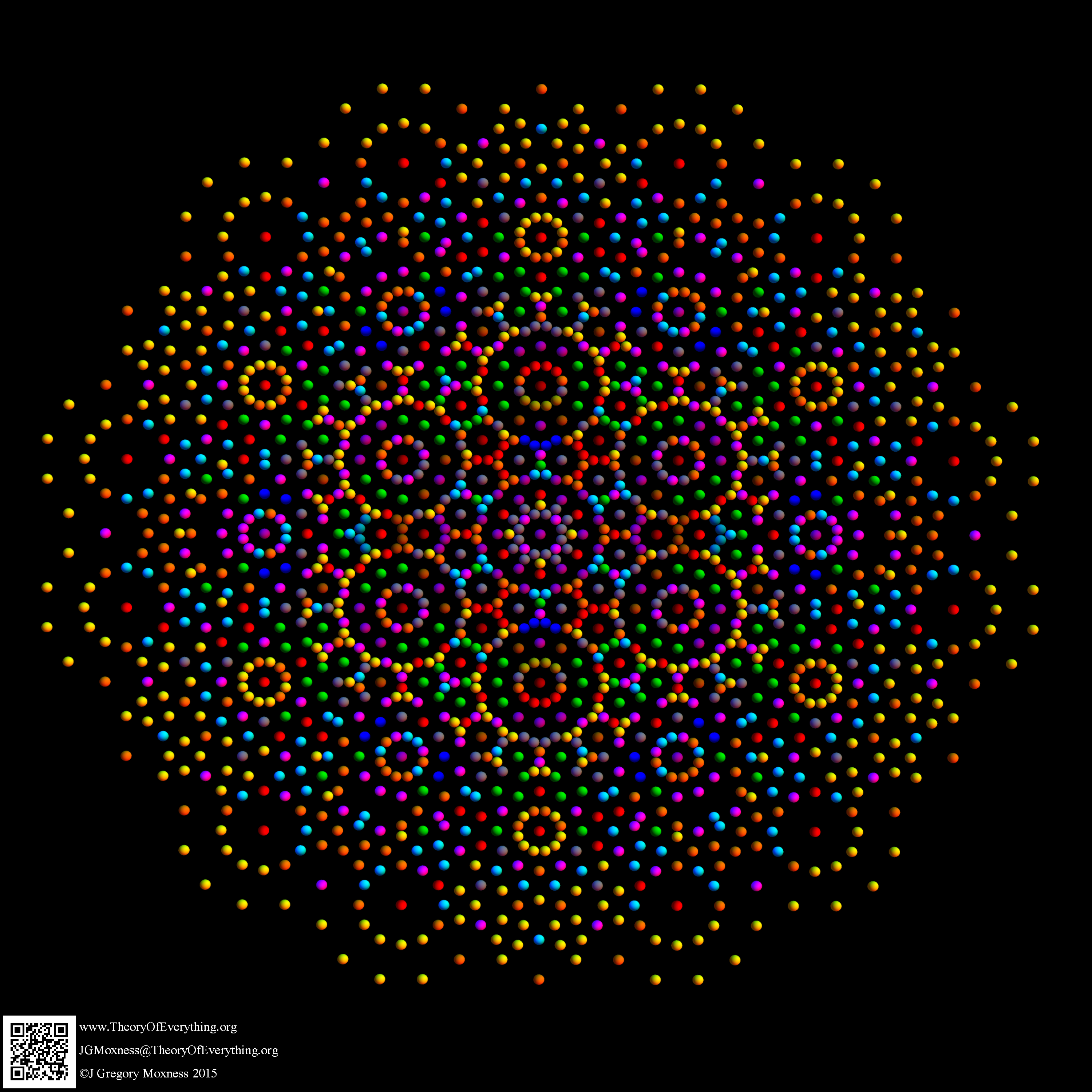
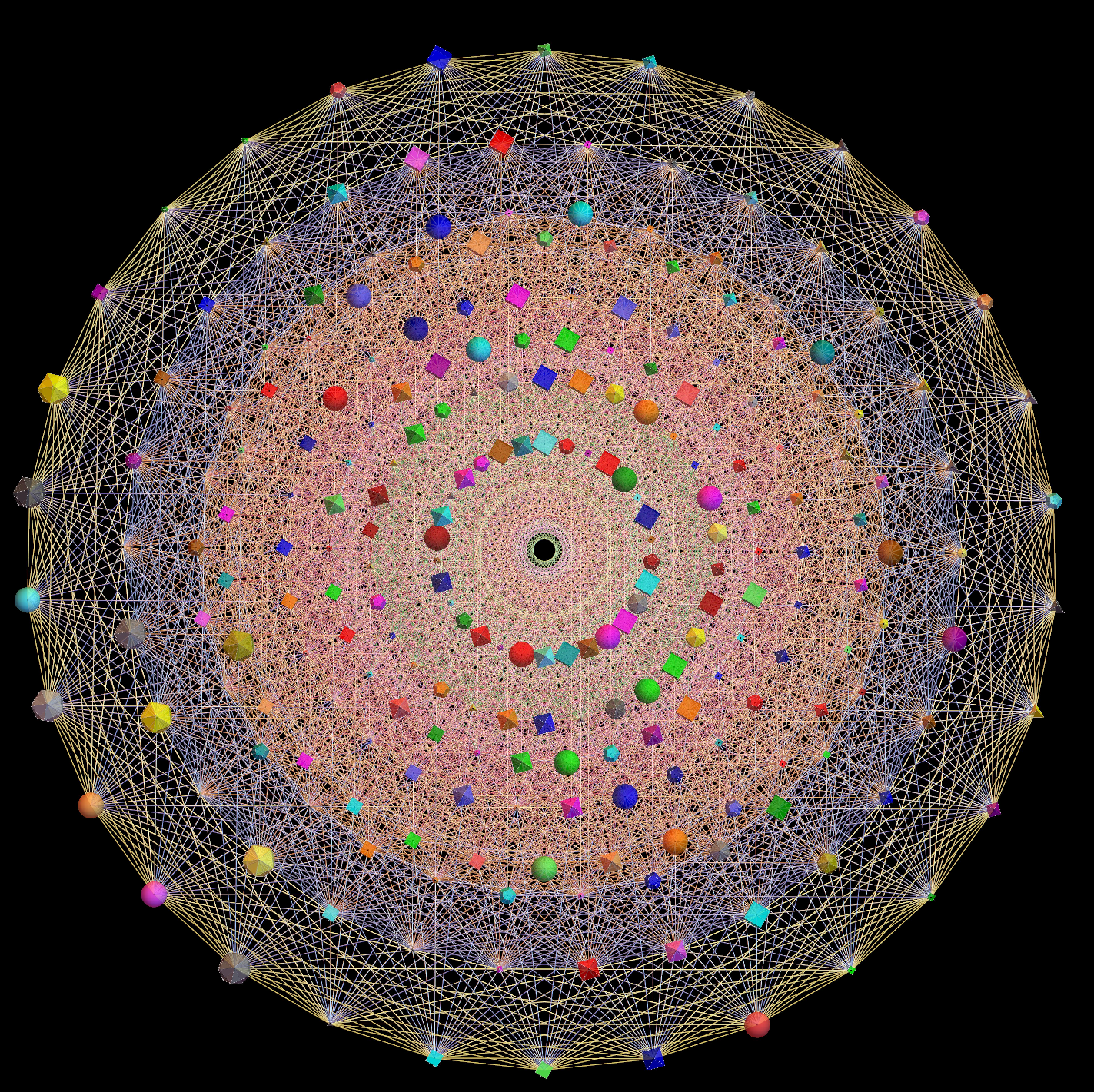
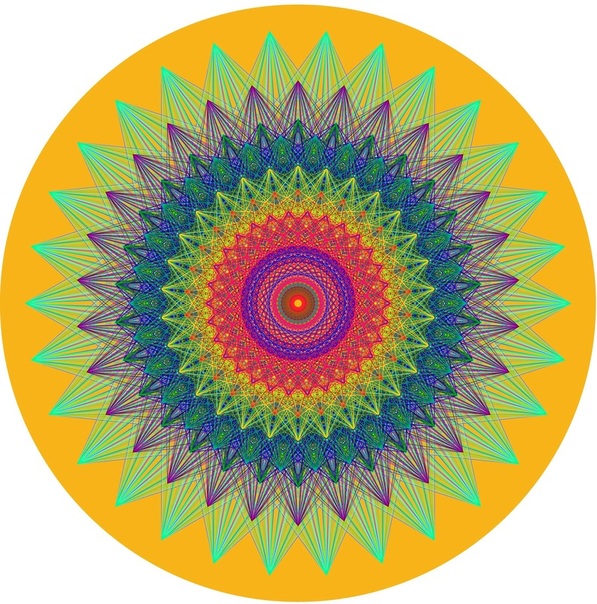
My E8 F4 projection and so called "Sacred Geometry"

Please note, this is about the GEOMETRY used in what has come to be called “Sacred Geometry”. Upon further investigation, along with the Kabbalah’s “Tree of Life”, it seems even the Jewish “Star of David” (Solomon) is medieval and may not be sourced in authentic ancient Abrahamic theology.

As it stands, the so-called “sacred” origin of these, including the pentagon that shows up in the icosahedral/dodecahedral Platonic solids due to the Sqrt(5) Golden Ratio (Phi) relationship within my E8 to H4 folding, is likely medieval and mostly pagan. I am merely pointing out that E8 contains the geometry that many find “interesting” for whatever reason, and am not promoting the underlying cults that use them.

Video (Best in HD):

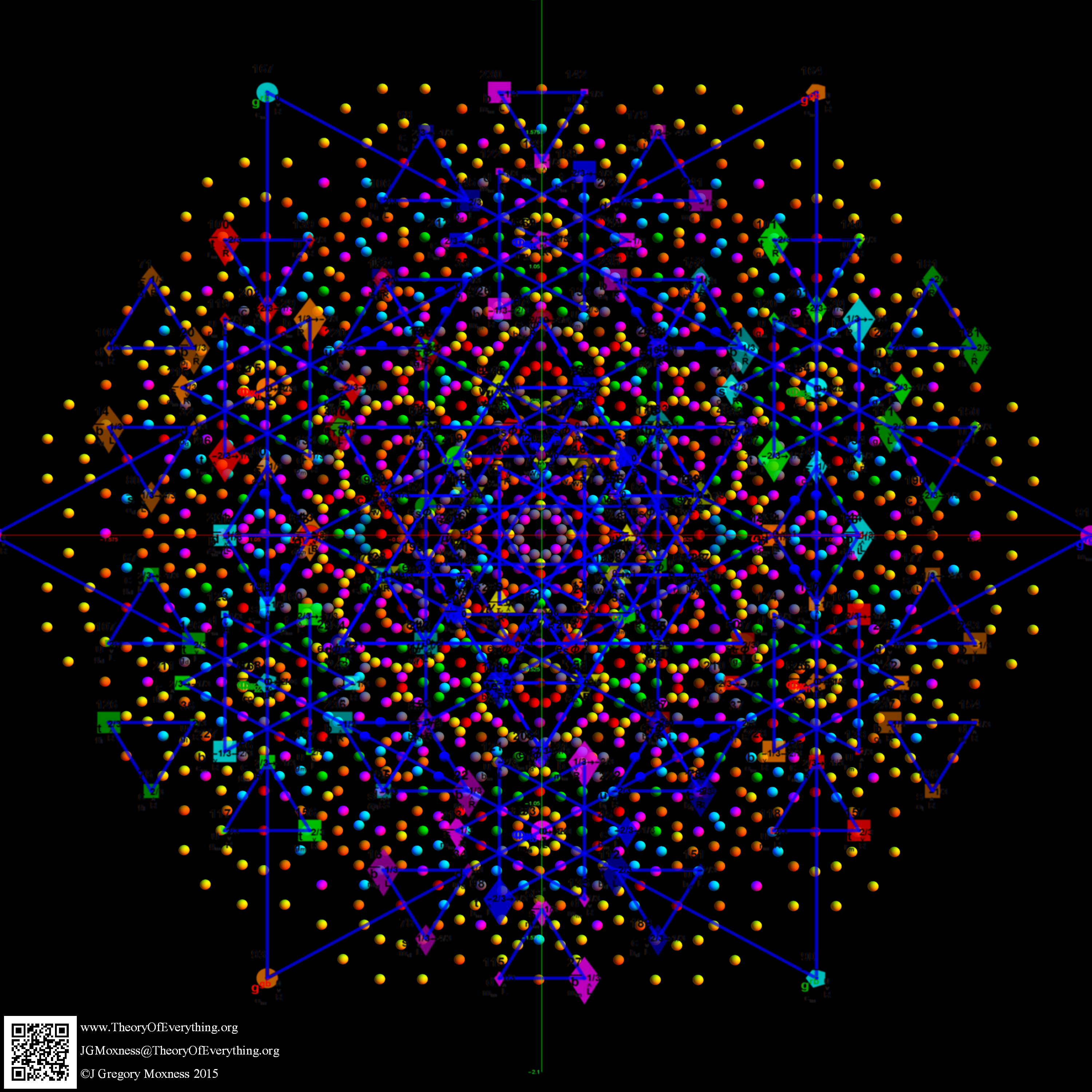
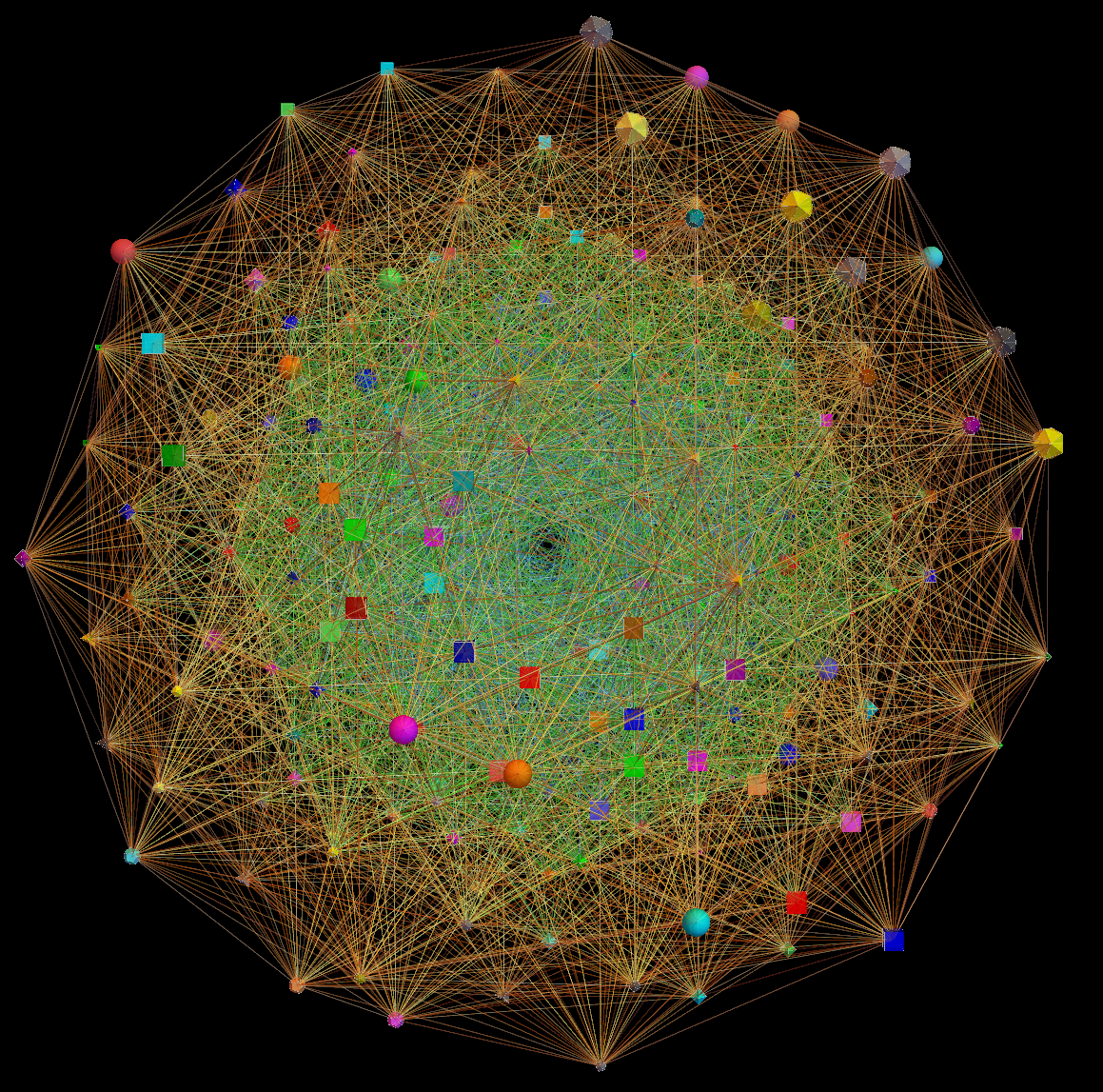
My E8 F4 projection w/blue triality edges and physics particle assignments:
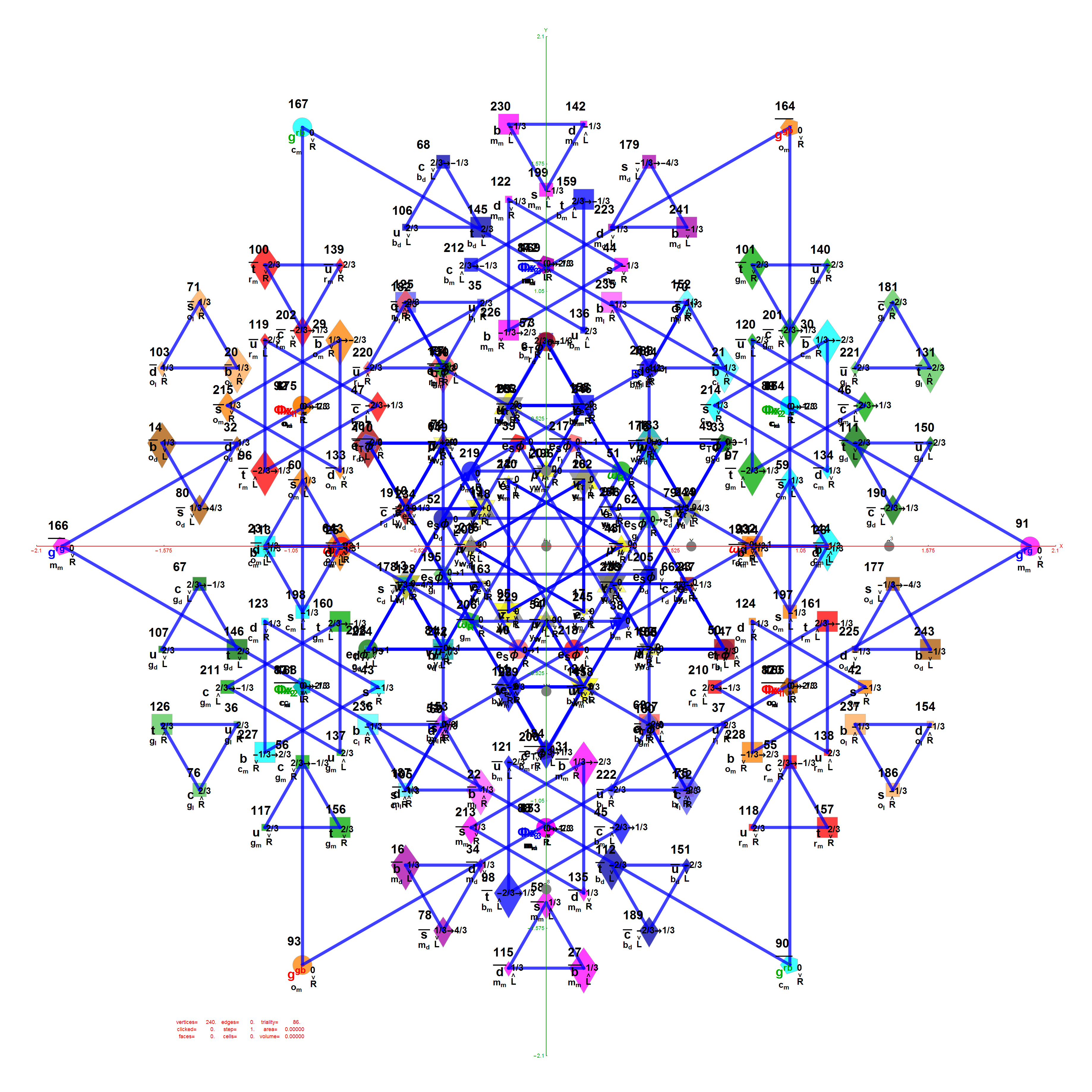
StarOfDavid1

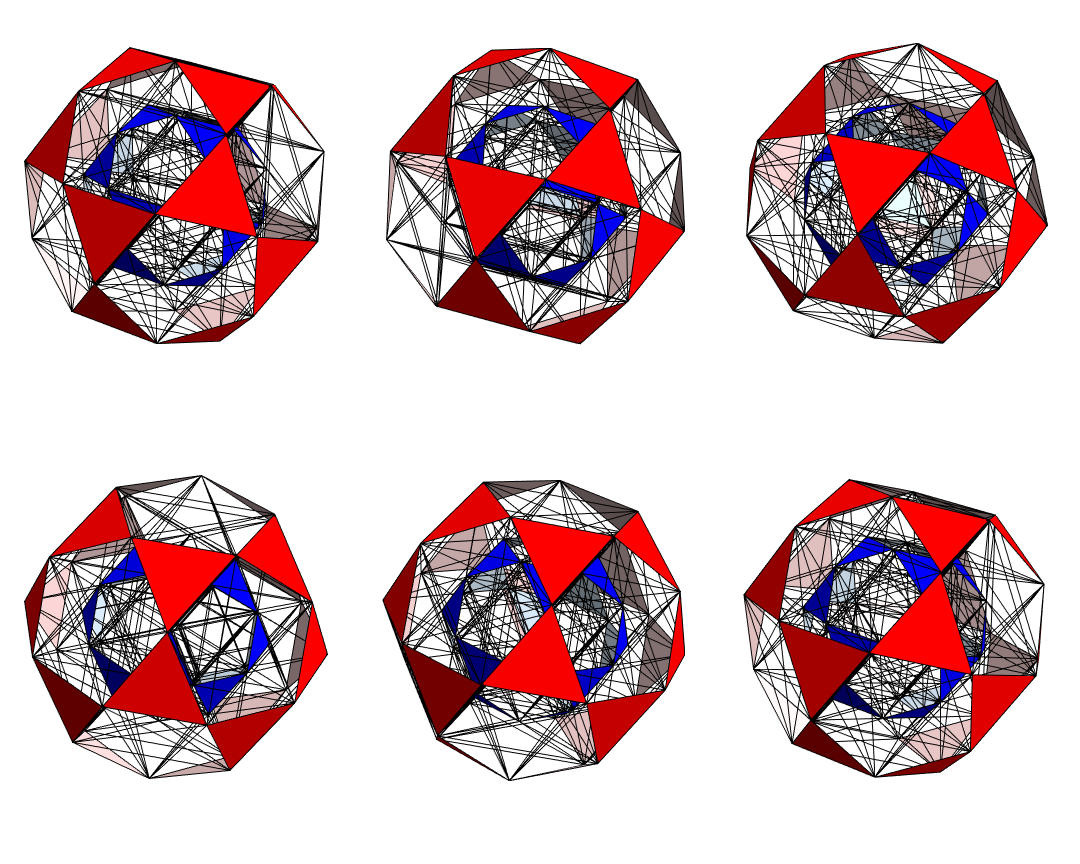
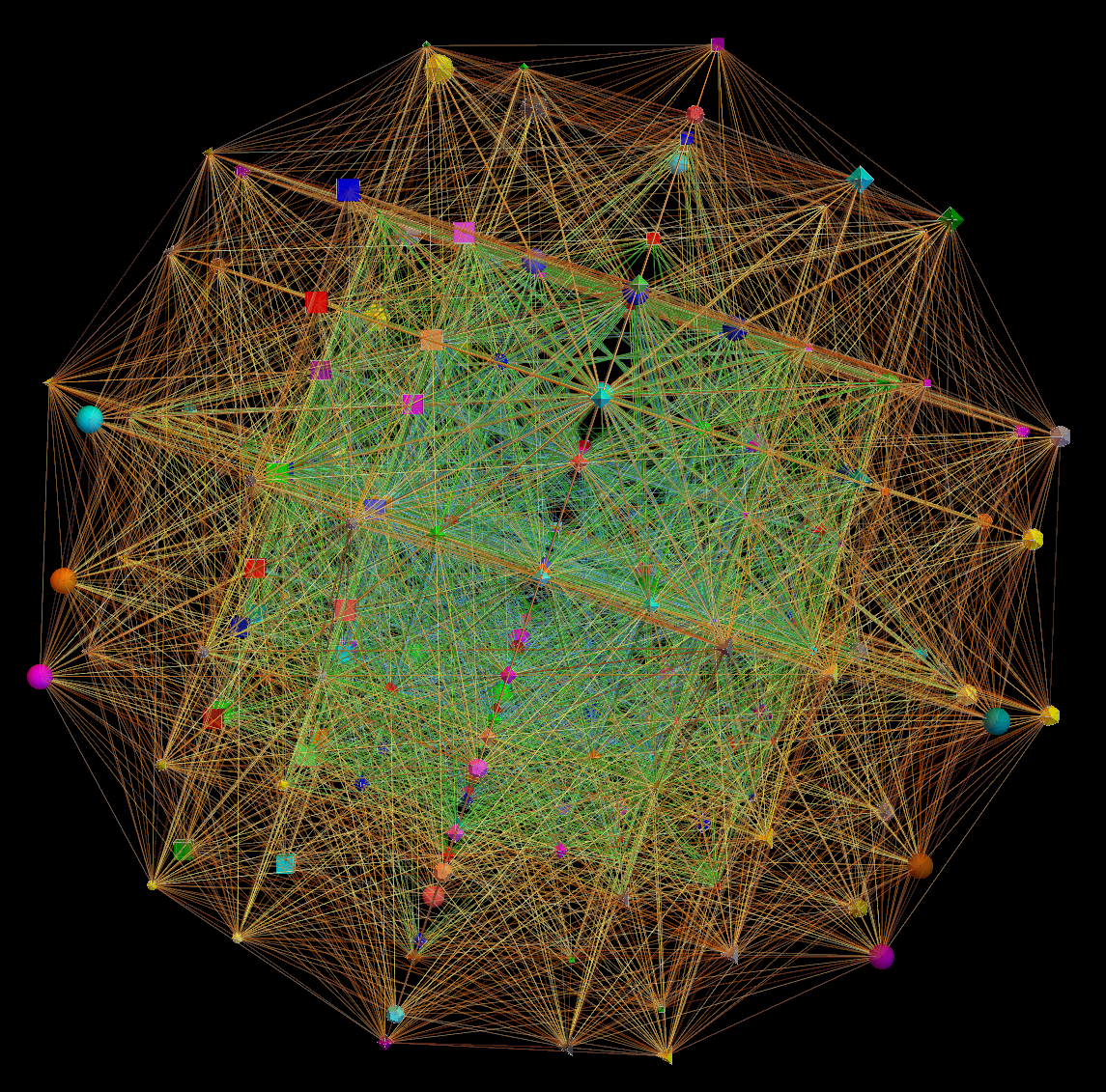
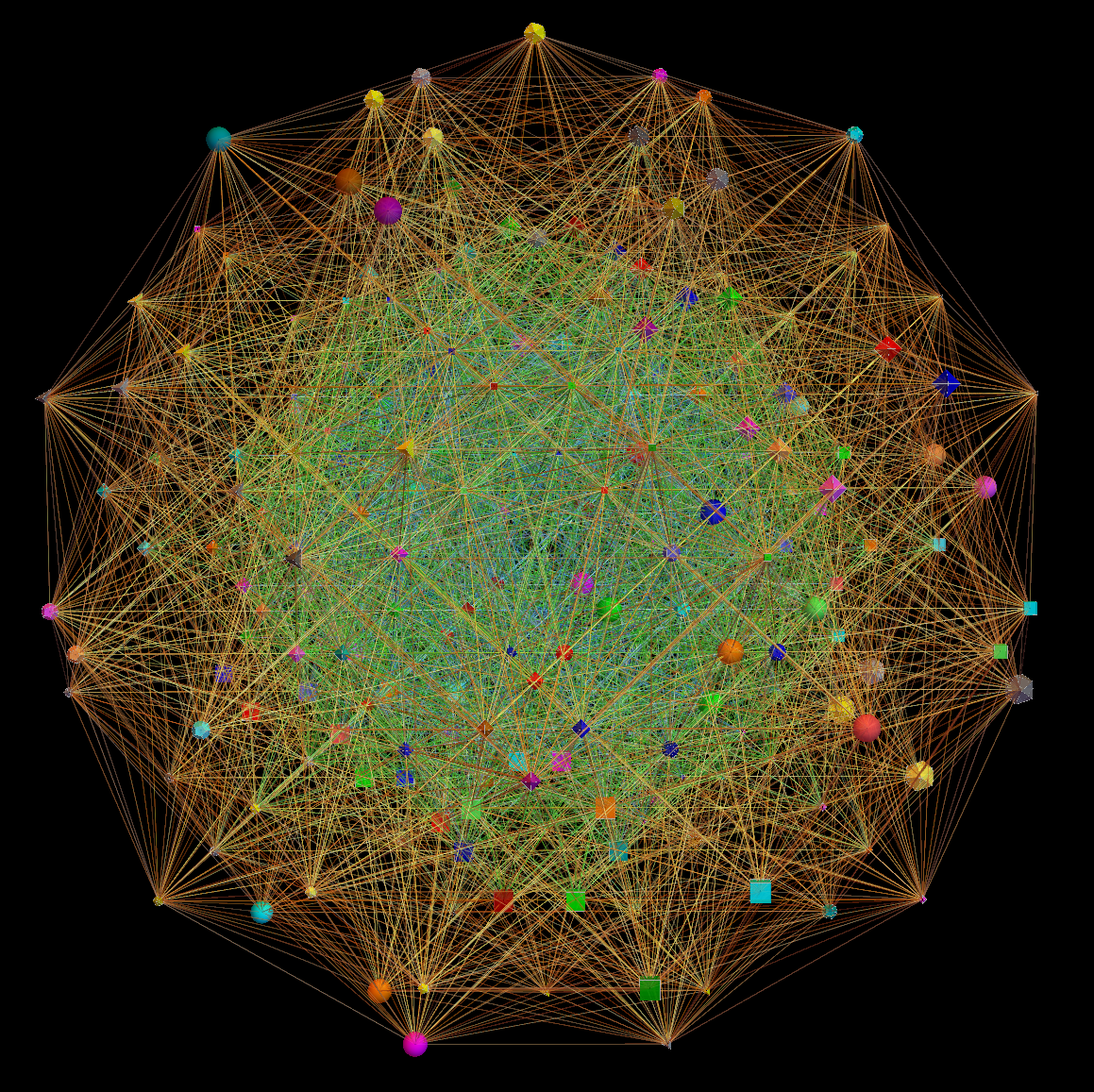
My E8 F4 projection with 6720 edge lines:
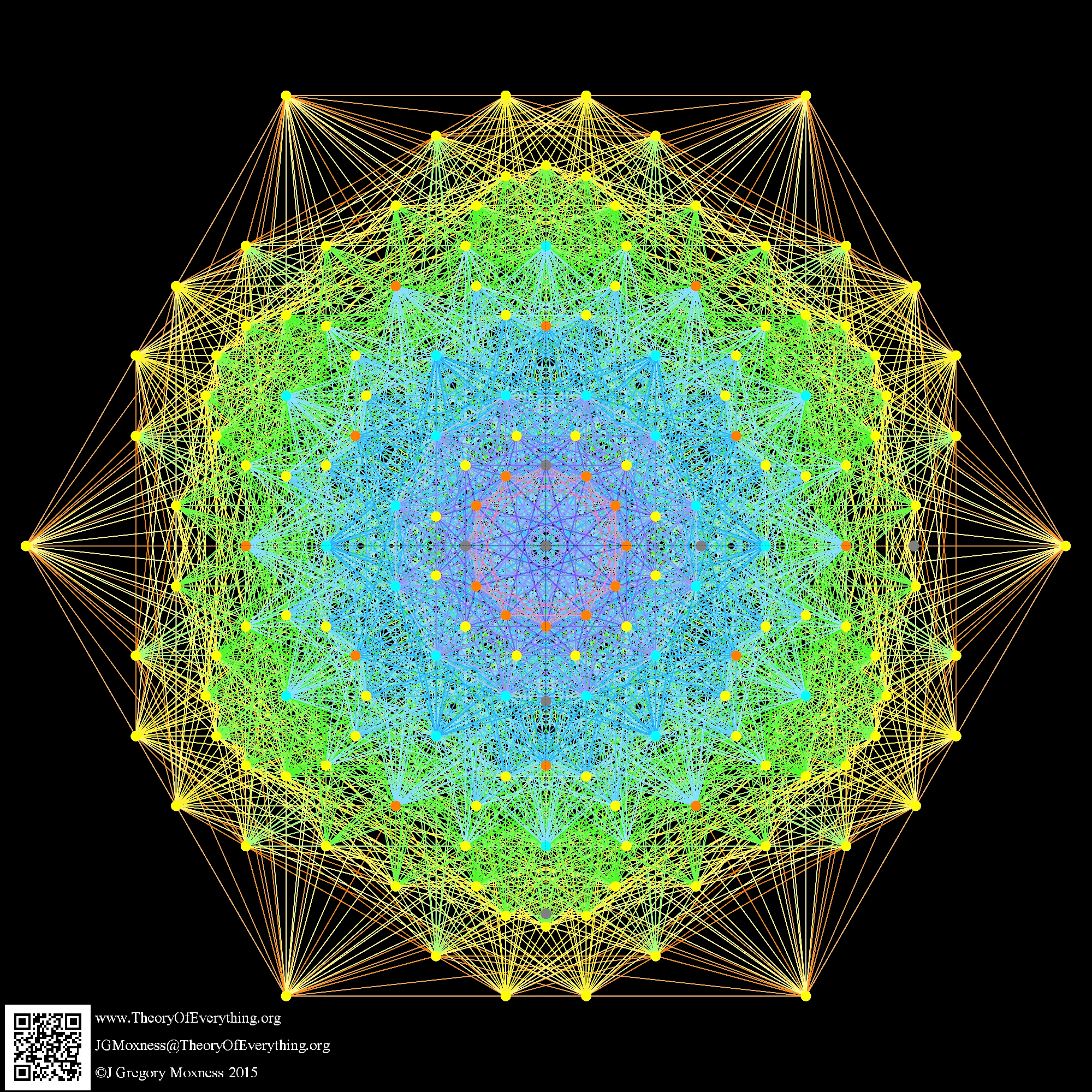
E8-F4mox1-black

My E8 F4 projection rectified:
F4Rect-Sacred-1a-StarOfDavid

Star Of David Overlay:
F4Rect-Sacred-1b-StarOfDavid

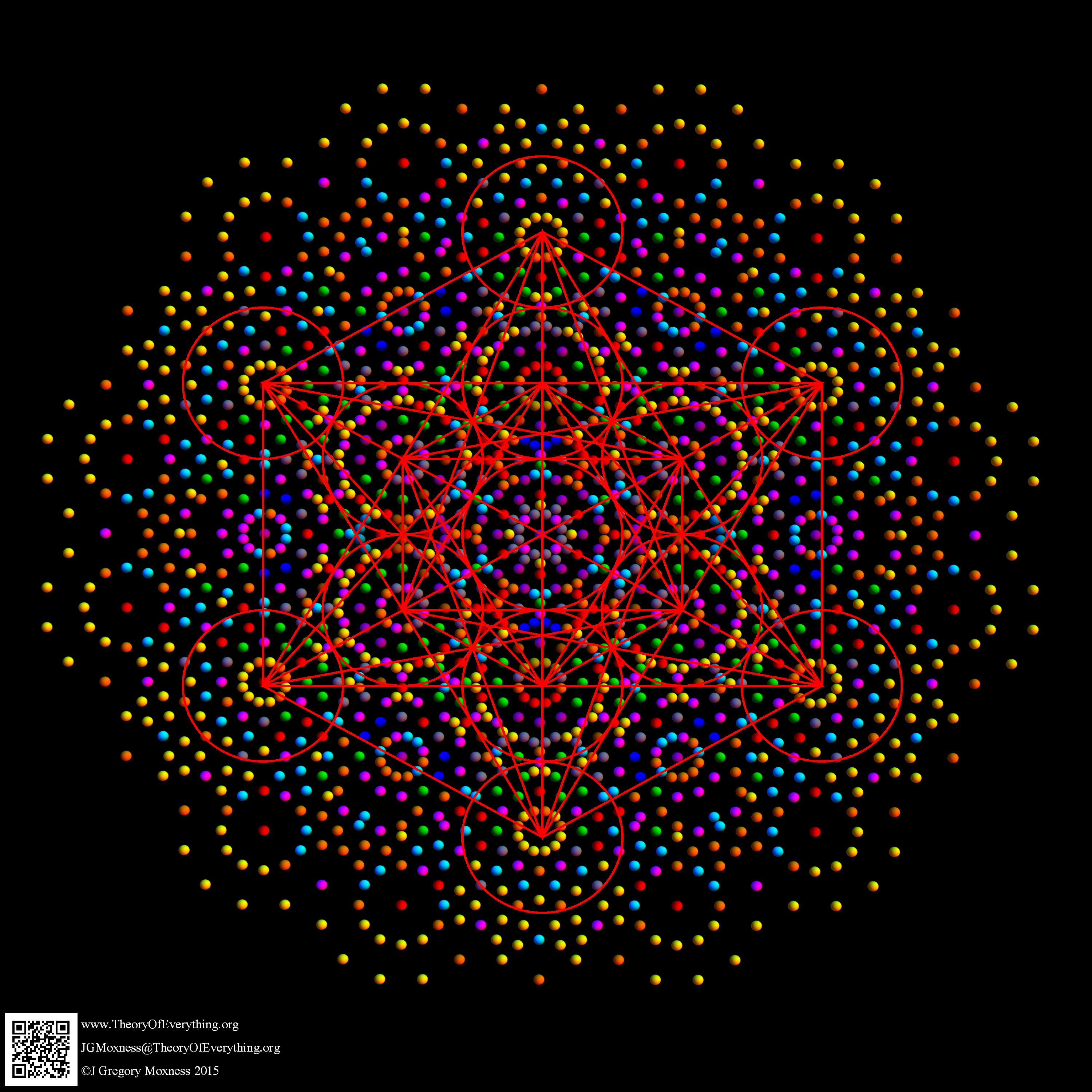
Metatron’s Cube Overlay:
F4Rect-Sacred-1a-Metatron

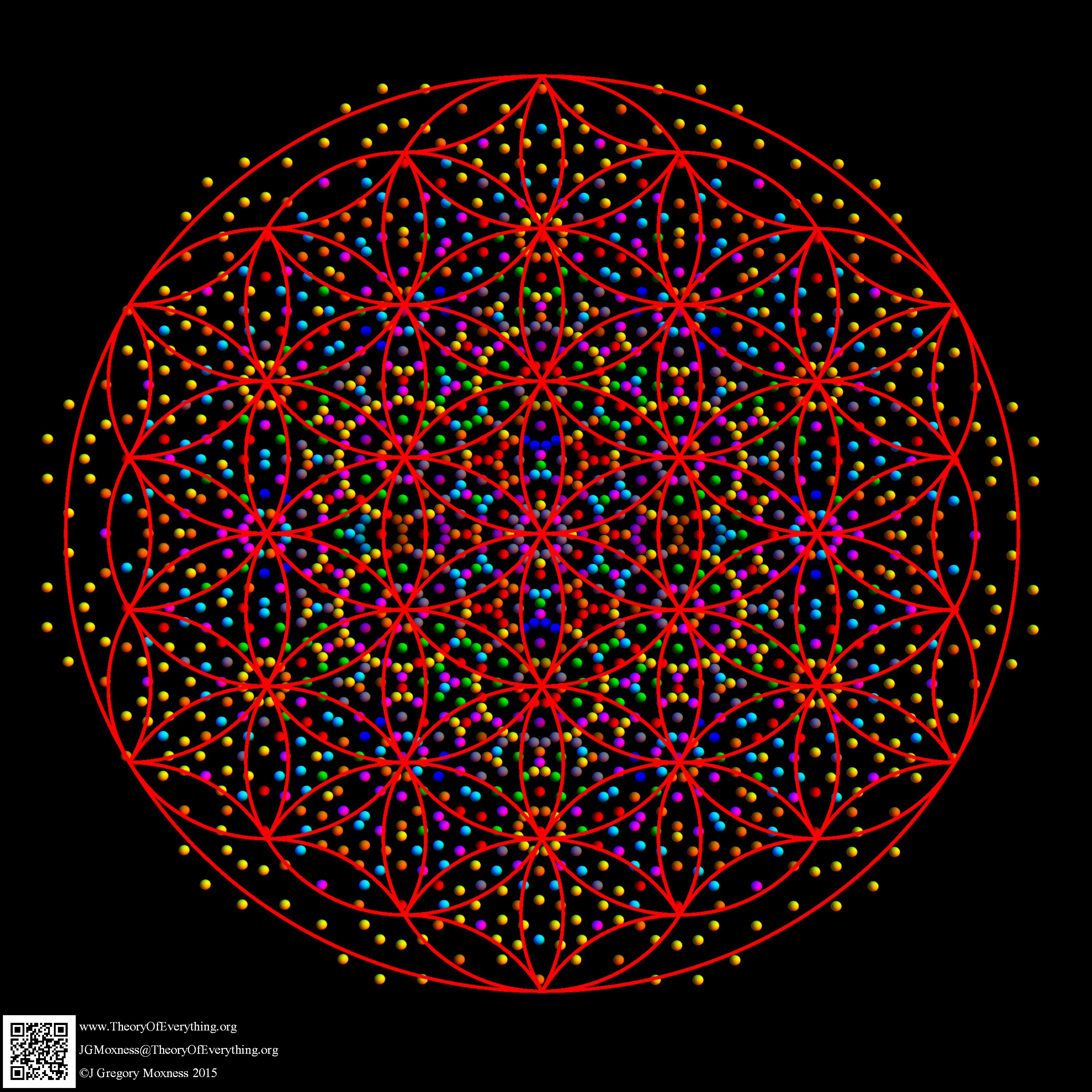
Flower of Life Overlay:
F4Rect-Sacred-1a-Flower

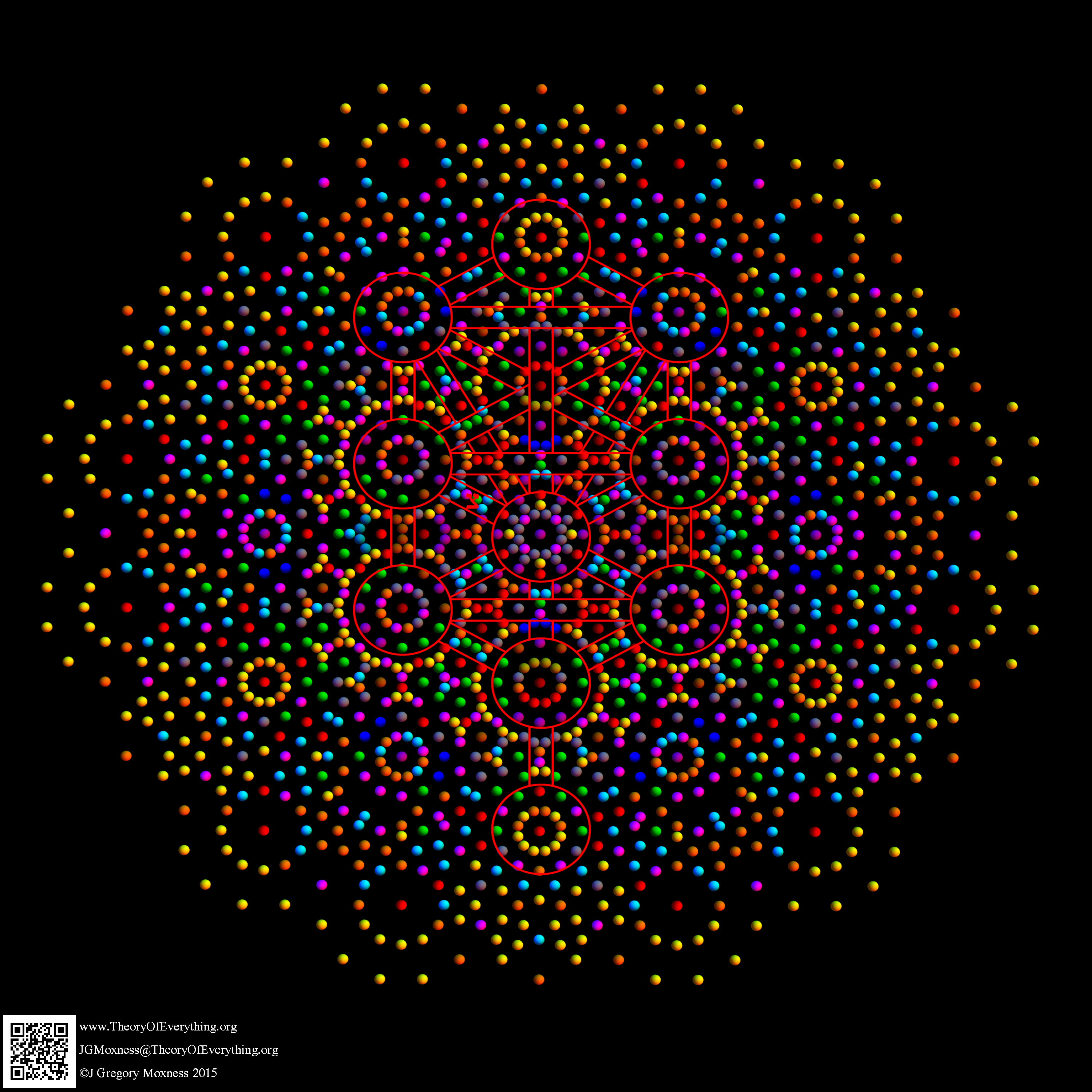
Kabbalah Tree of Life Overlay:
F4Rect-Sacred-1a-Tree

Copyright J Gregory Moxness 2015
Rectified E8 and F4 Triality (Original Work)

WikiMedia Commons source images:
Metatron’s Cube (User:Barfly2001)
Flower of Life (User:Life_of_Riley)
Tree of Life (User:AnonMoos)
Fun with Conway's "Game of Life" in 3D -> nD and Music

I’ve integrated a few more demonstrations, see below for descriptions and pics..

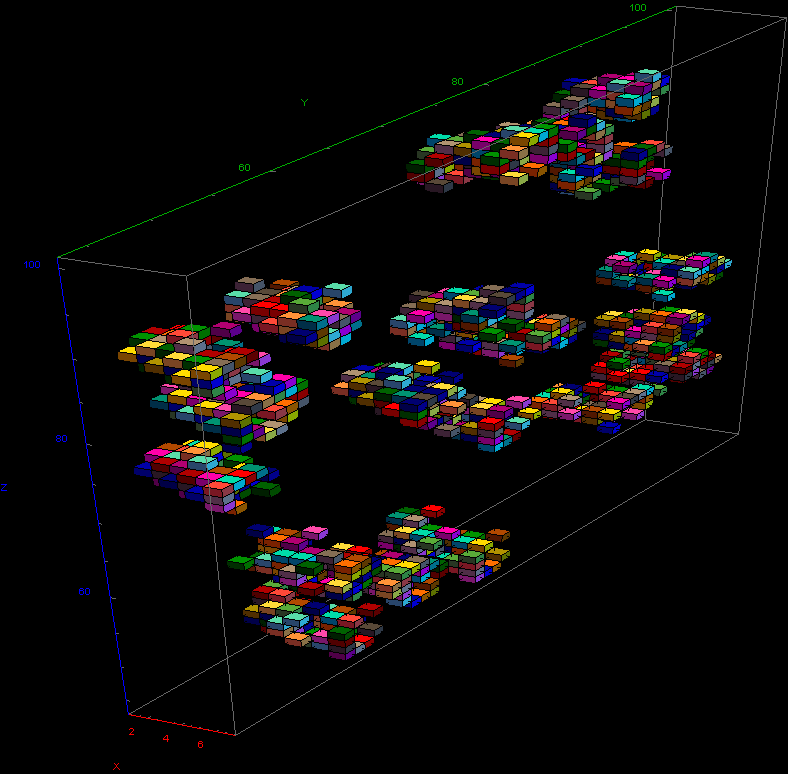
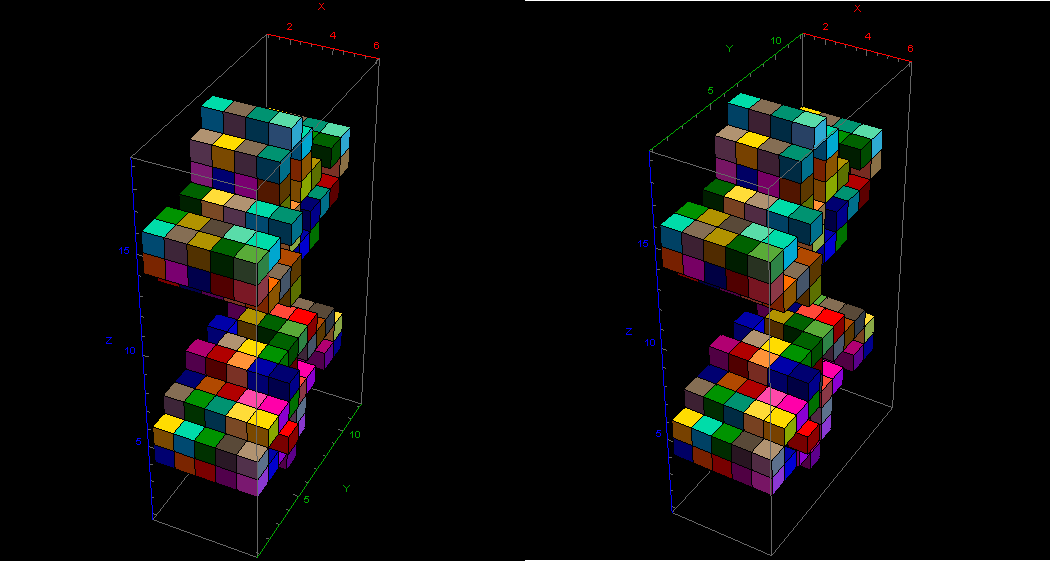
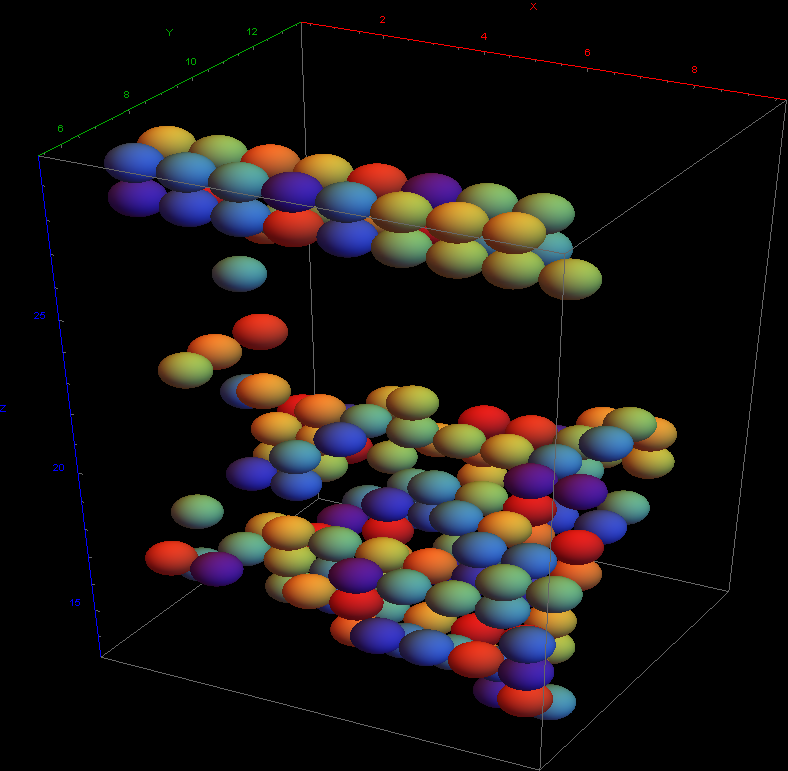
Conway’s “Game of Life” in 3D -> nD
outAI5

outAI3

outAI2
Music related
outChords2D

outChords3D
Gematria
Gematria-snap

outGematria2

outGematria3

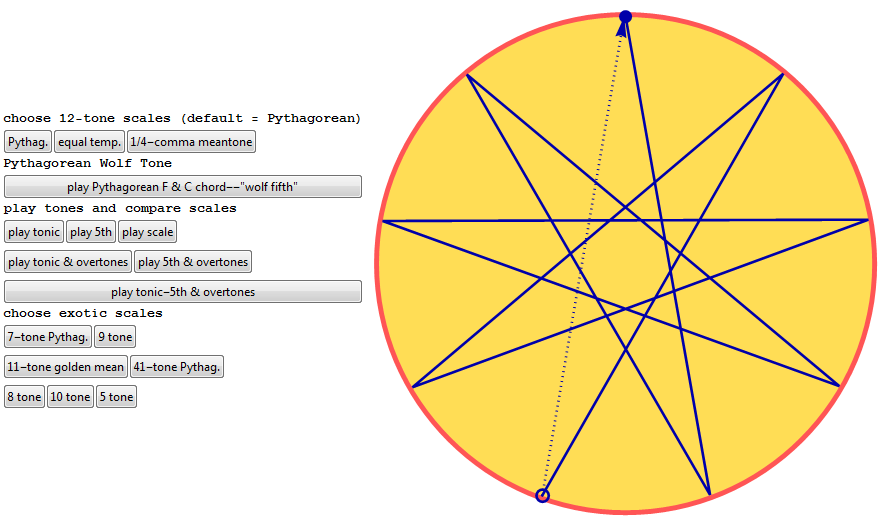
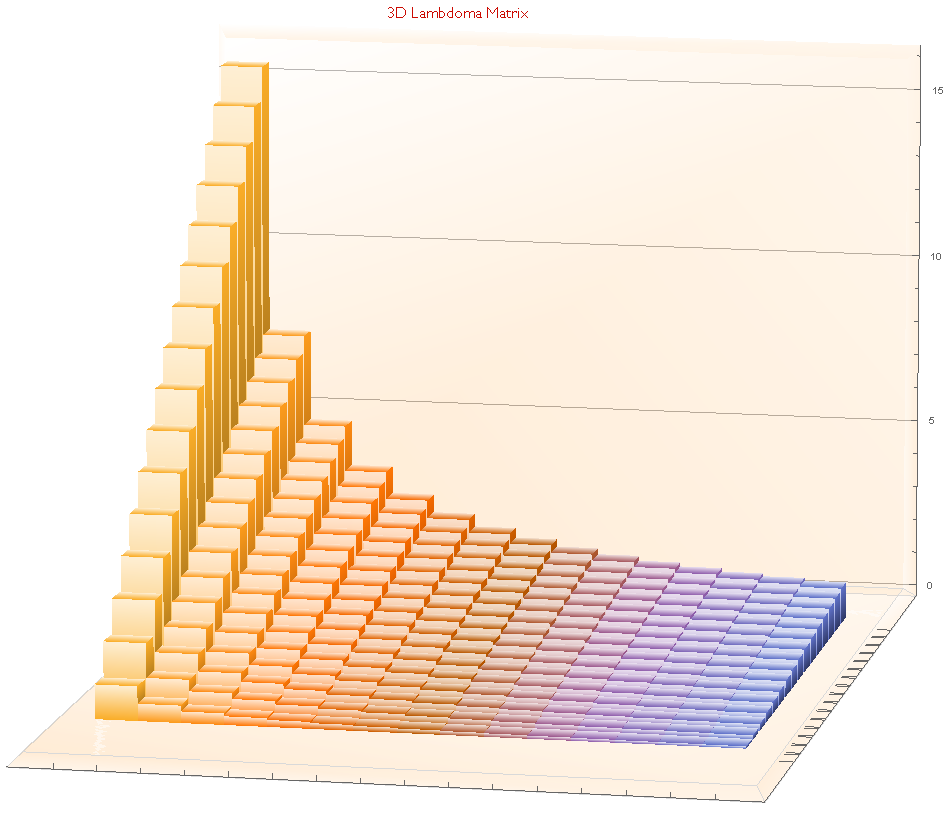
The #13 pane (Chords) will address the psychology of the mathematical beauty of music. The 2D pane presents Emmanuel Amiot and Fernand Brunschwig’s  Pythagorean Meantone And Equal Temperament Musical Scales, while the 3D pane shows Drew Lesso’s 3D Lambdoma matrix.

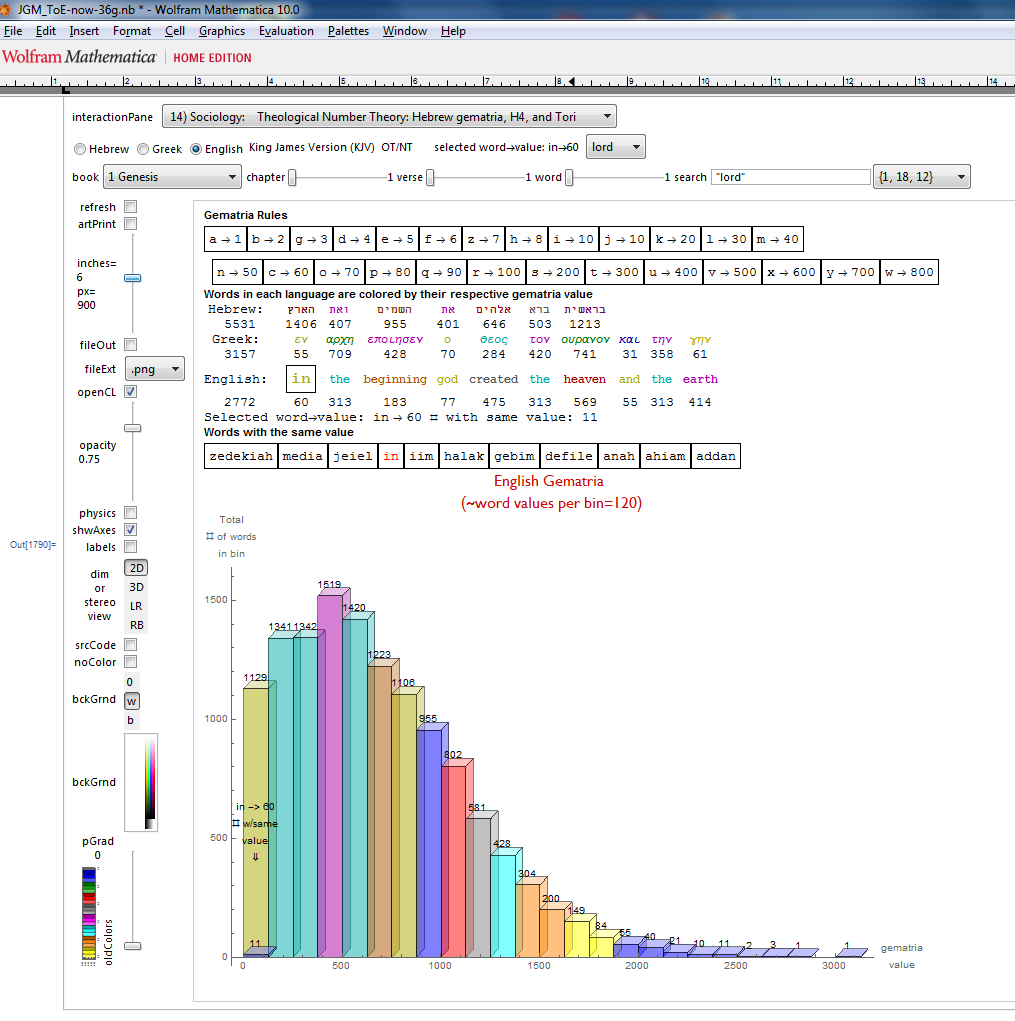
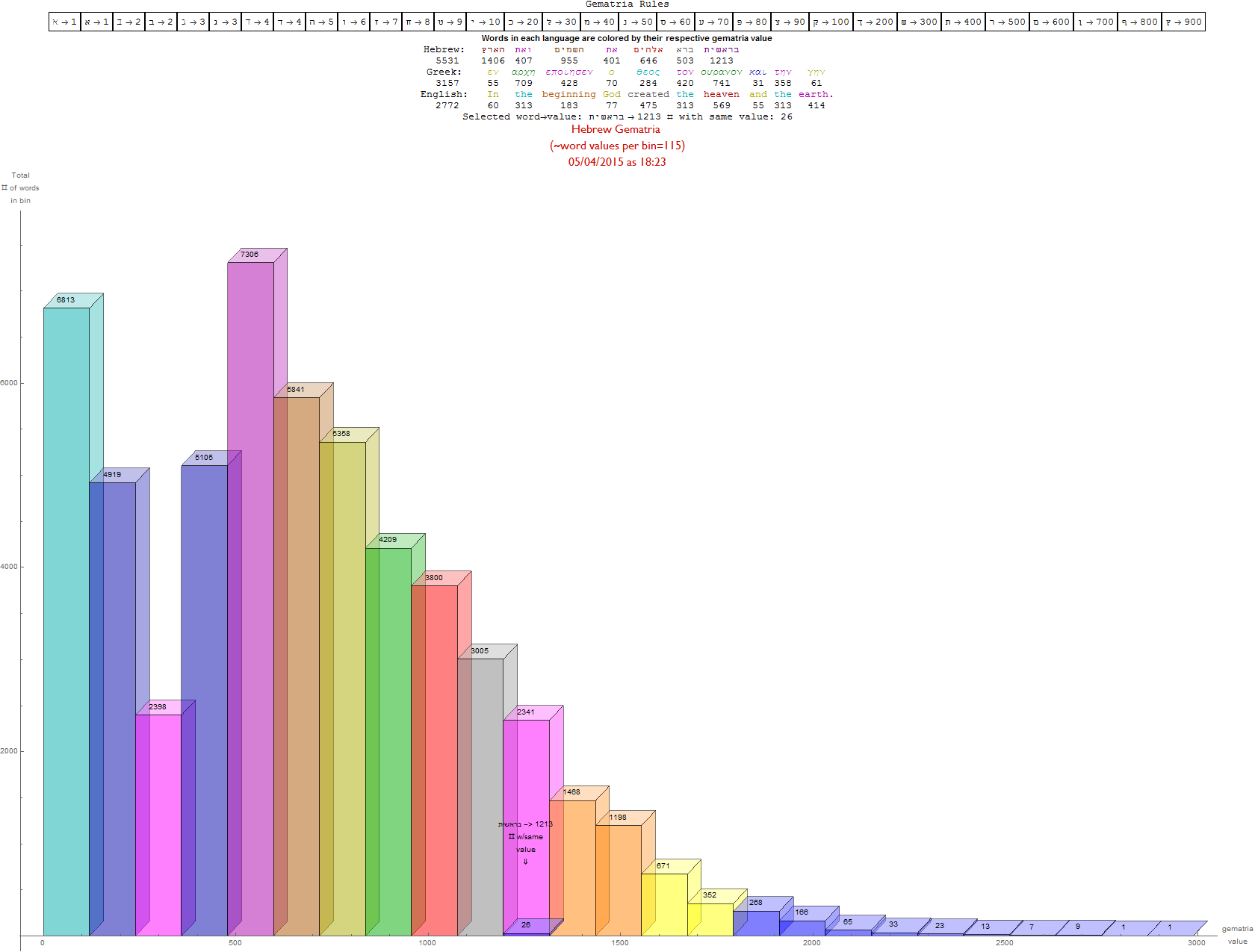
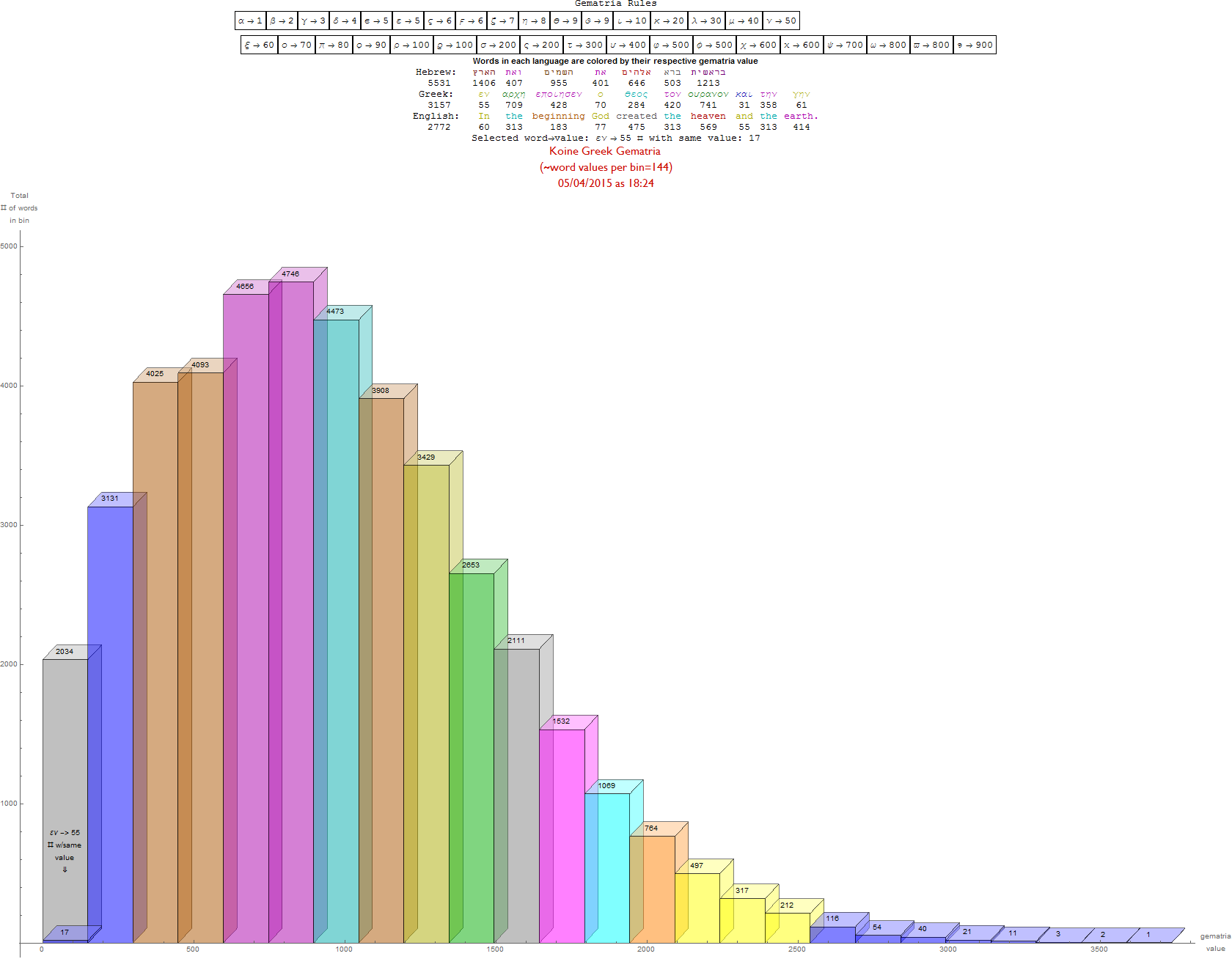
The #14 pane (Gematria) will address Theological Number Theory in the form of Hebrew gematria, H4, and Tori. This sociology pane deals with the idea of Old Testament Hebrew and New Testament Koine Greek Gematria. The histogram shows the distribution of words used in the Bible according to their gematria value in Hebrew or Greek. Each word in each verse is selectable and shown in the distribution. Each word in the verse is colored by their value in Hebrew (if Old Testament), Greek and English.
Note: Hebrew is properly presented from right to left.

The #15 pane (QC) will address Quantum Computing in the context of MyToE. It uses several demonstrations… Qubits On The Poincare-Bloch Sphere,  Quantum Logic Gates Roots Exponents And Eigensystems and Quantum Fourier Transform Circuit by Rudolf Muradian

The #16 pane (AI) will address Artificial Intelligence, an nD version of Conway’s “Game of Life” and Cellular Automata in the context of MyToE. It is an integration of Daniel de Souza Carvalho’s demonstration

outAI2

Adding sociology and psychology panes to VisibLie_E8 MyToE Demonstration

These are more personal interest than hard math/science as the other panes – but they are, IMO, interesting asides.

The sociology pane deals with the idea of Old Testament Hebrew and New Testament Koine Greek Gematria. The histogram shows the distribution of words used in the Bible according to their gematria value in Hebrew or Greek. Each word in each verse is selectable and shown in the distribution. Each word in the verse is colored by their value in Hebrew (if Old Testament), Greek and English.
Note: Hebrew is properly presented from right to left.

Gematria-snap

outGematria3

outGematria2

The psychology pane deals with the idea of the mathematical beauty of music.

The list of 18 panes is now:
1) Math:____ Chaos/Fibr/Fractal/Surface: Navier Stokes/Hopf/MandelBulb/Klein
2) Math:____ Number Theory:_________ Mod 2-9 Pascal and Sierpinski Triangle
3) Math:____ Geometric Calculus:______ Octonion Fano Plane-Cubic Visualize
4) Math:____ Group Theory:__________ Dynkin Diagram Algebra Create
5) Math:____ Representation Theory:___ E8 Lie Algebra Subgroups Visualize
6) Physics:__ Quantum Elements:______ Fundamental Quantum Element Select
7) Physics:__ Particle Theory:_________ CKM(q)-PMNS(ν) Mix CPT Unitarity
8) Physics:__ Hadronic Elements:______ Composite Quark-Gluon Select Decays
9) Physics:__ Relativistic Cosmology:___ N-Body Bohmian GR-QM Simulation
10) Chemistry: Atomic Elements:_______ 4D Periodic Table Element Select
11) Chemistry:Molecular Crystallography: 4D Molecule Visualization Select
12) Biology:_ Genetic Crystallography:___ 4D Protein/DNA/RNA E8-H4 Folding
13) Biology:_ Human Neurology:________ OrchOR Quantum Consciousness
14) Psychology:Music Theory & Cognition: Chords, Lambdoma, H4, and Tori
15) Sociology: Theological Number Theory: Ancient Sacred Text Gematria
16) CompSci: Quantum Computing:______ Poincare-Bloch Sphere /Qubit Fourier
17) CompSci: Artificial Intelligence:_______ nD Conway’s Game Of Life
18) CompSci: Human/Machine Interfaces:_ nD Human Machine Interface

Hacking (virtual) Reality

This weekend I hacked a version of the Oculus Rift stereoscopic 3D headmounted displays using household items.

The main technique was from Andrew Noske.

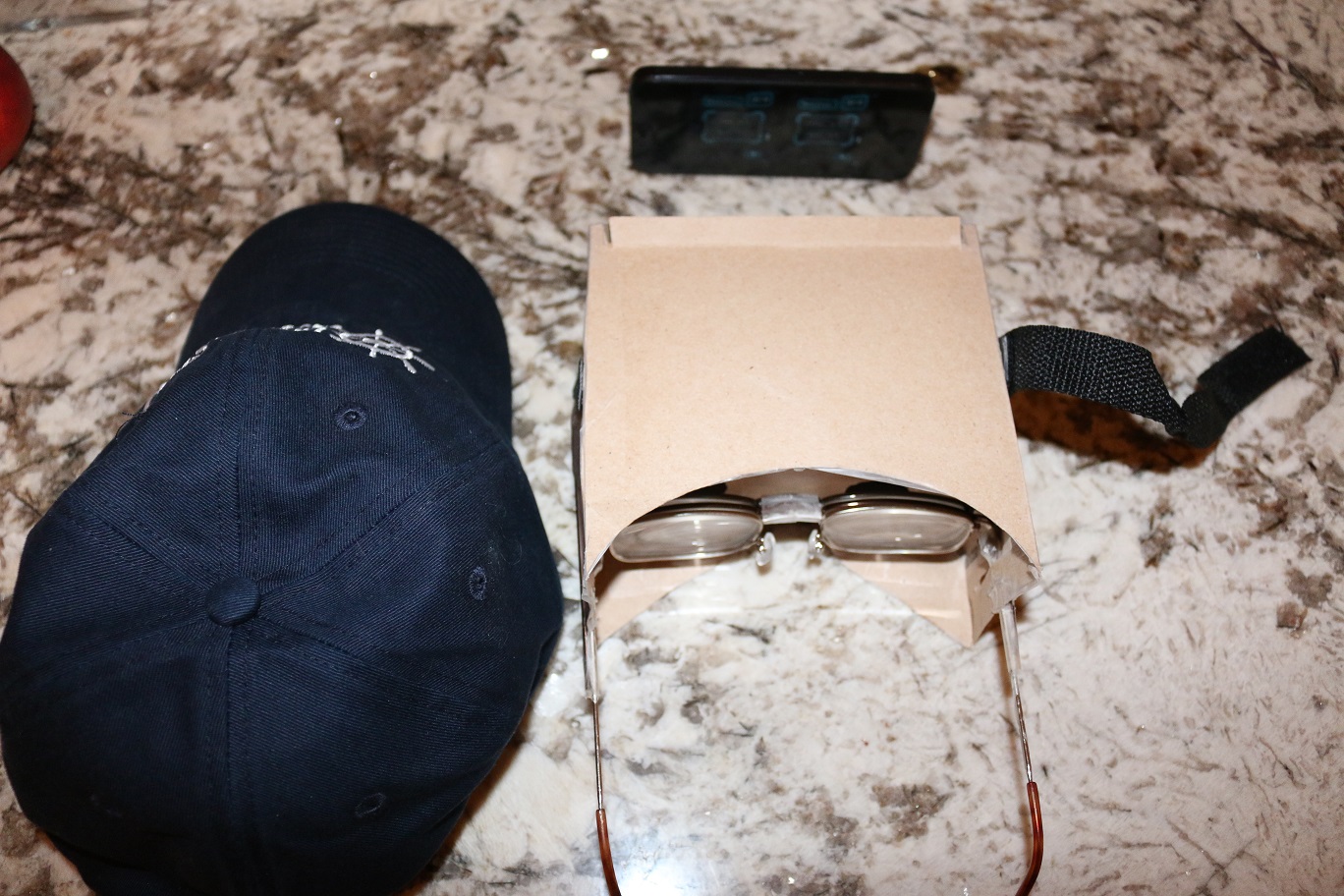
But not following the instructions, I made it out of lightweight card stock and used an $8 3 pack of 3+ reading glasses, and a bit of velcro on a nylon strap (which holds the weight of the iPhone or Android from the brim of your favorite baseball cap).

The pictures only show 2 pair of glasses, but I added the third to fine tune the focus. Unlike Google Cardboard, this has a full screen field-of-view (Google’s is only a small circle in the center of the square left/right halves).

BTW – Some of the free Hasbro My3D games work great (sensing head motion and use the holes in the bottom for iPhone to control the buttons).

If you’re wanting hands free utility, the baseball cap as a head strap works better to accommodate the weight of the phone (which is a bit further out from Cardboard’s shorter/smaller focal length). Without this, it is a bit heavy on the bridge of the nose and pulls away from the eye-glass ear grips.

2014_07_21_EOS 70D_005213a