All posts by jgmoxness

Universal History Simulations Added

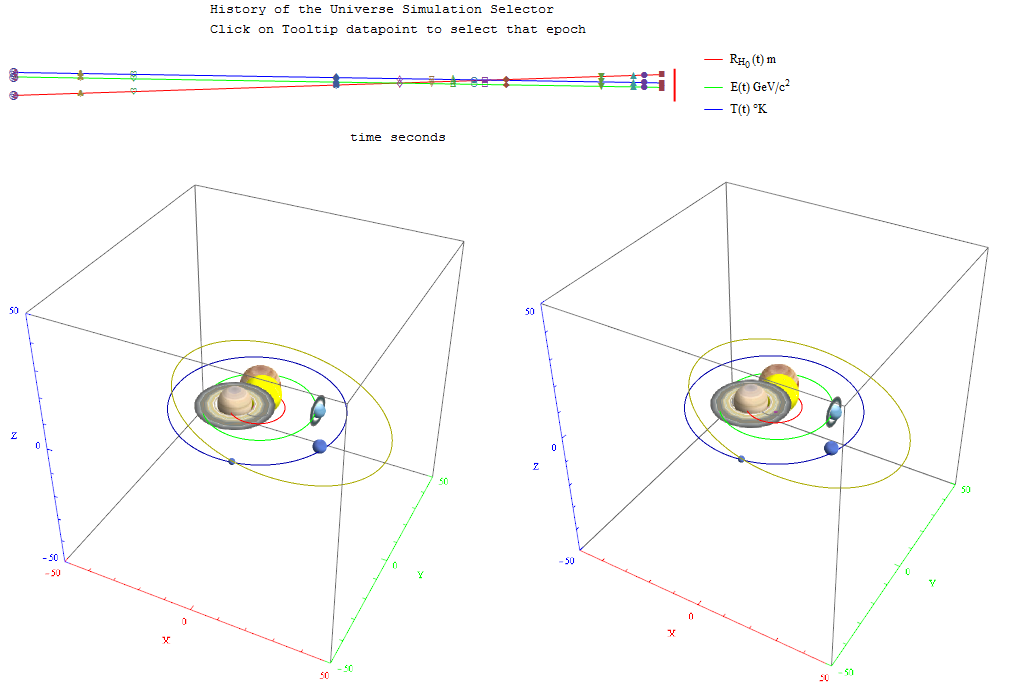
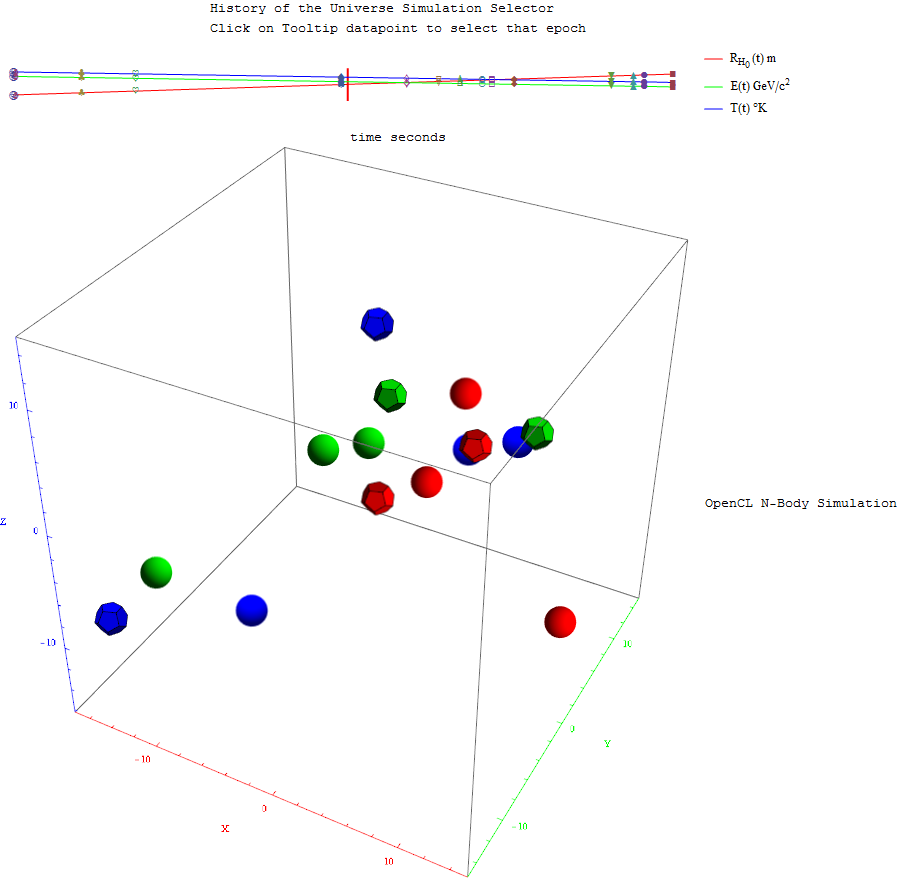
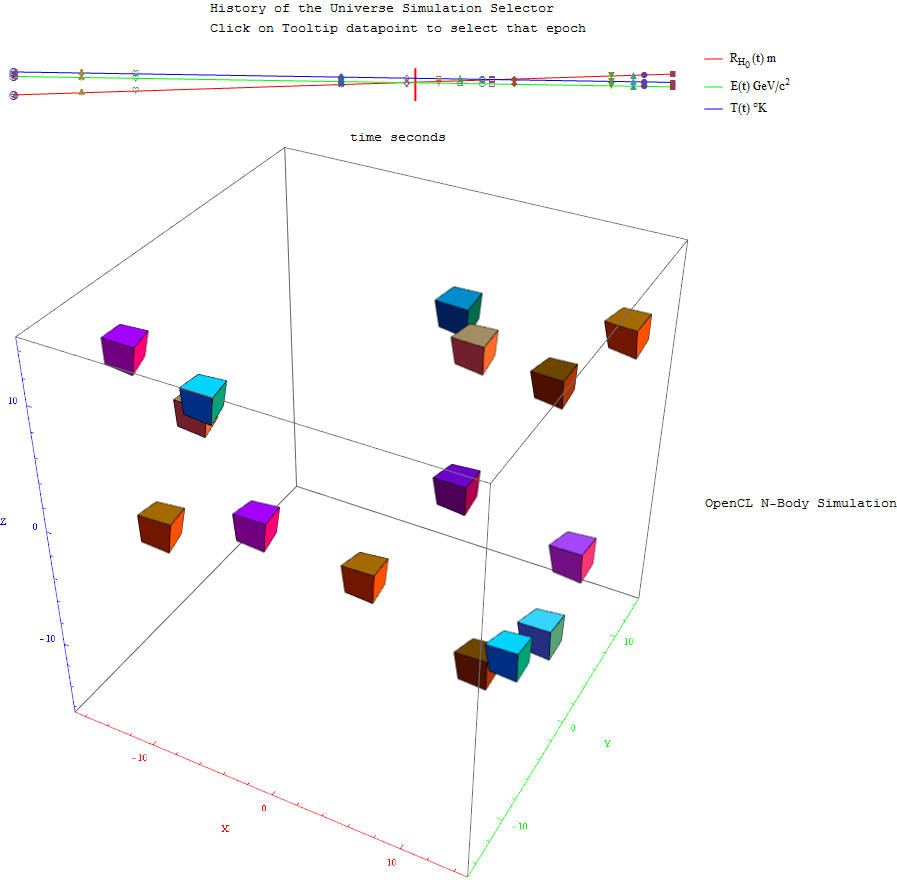
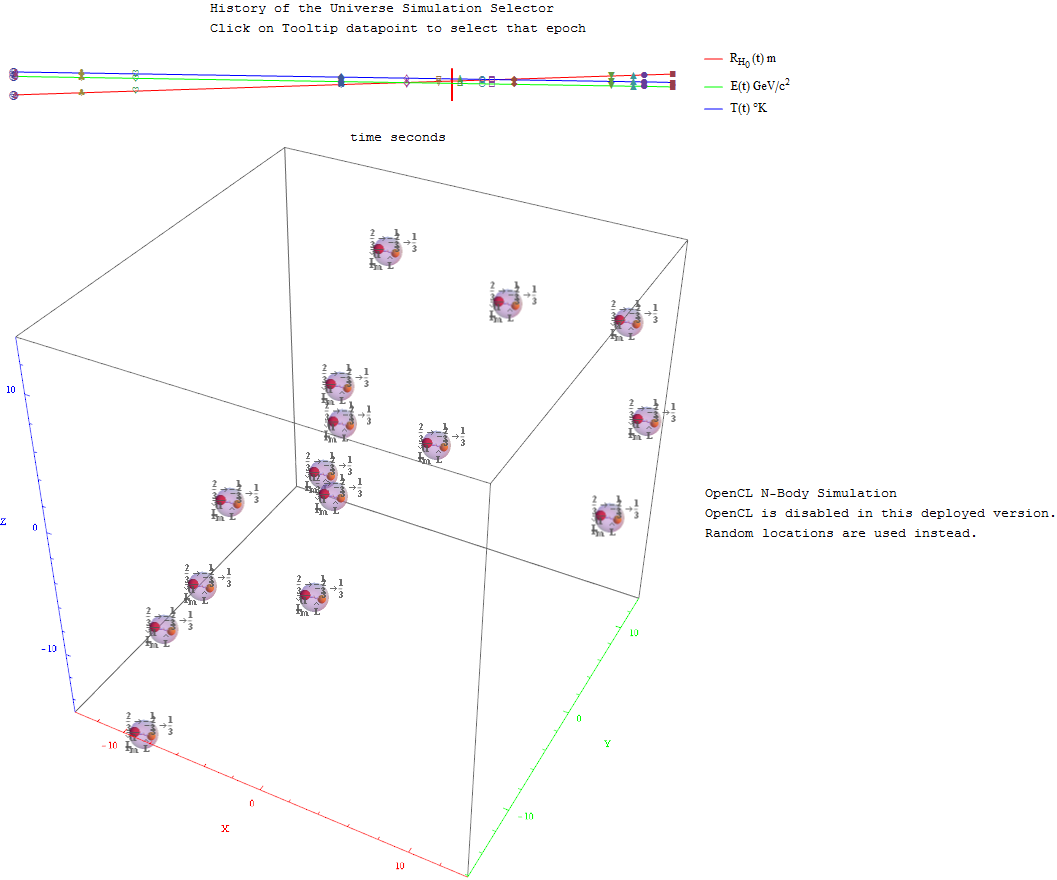
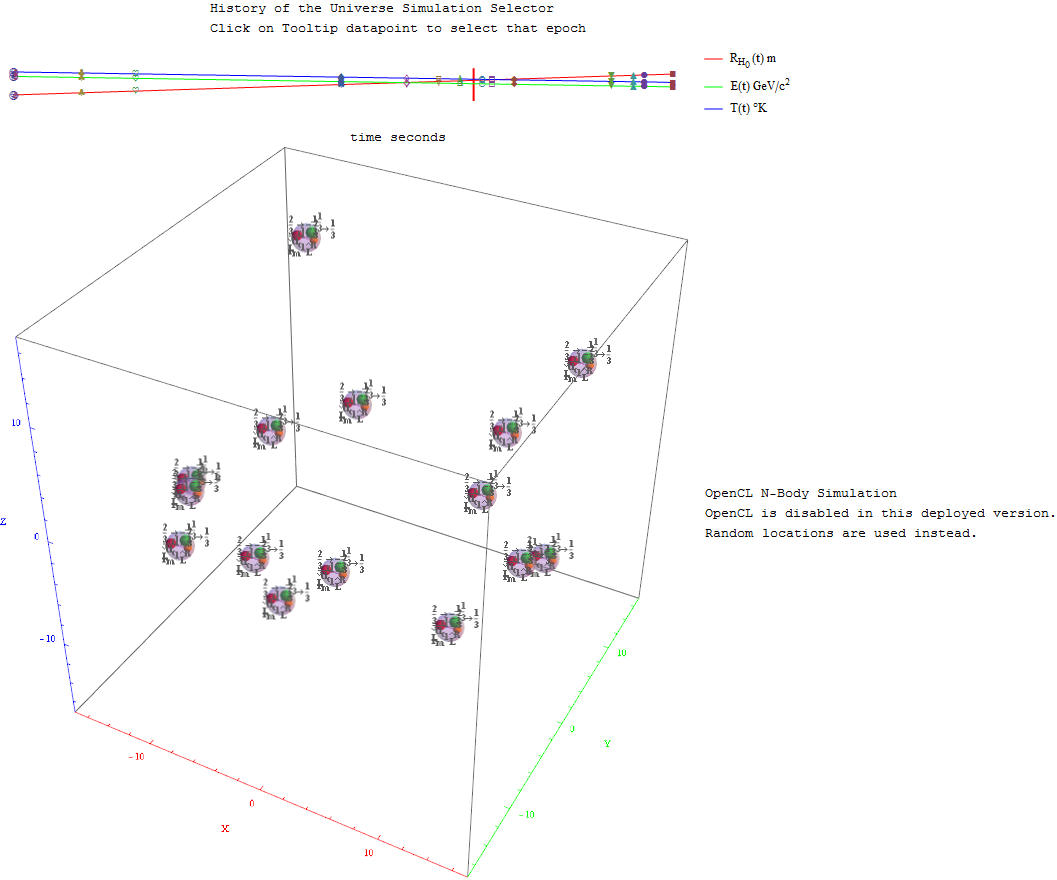
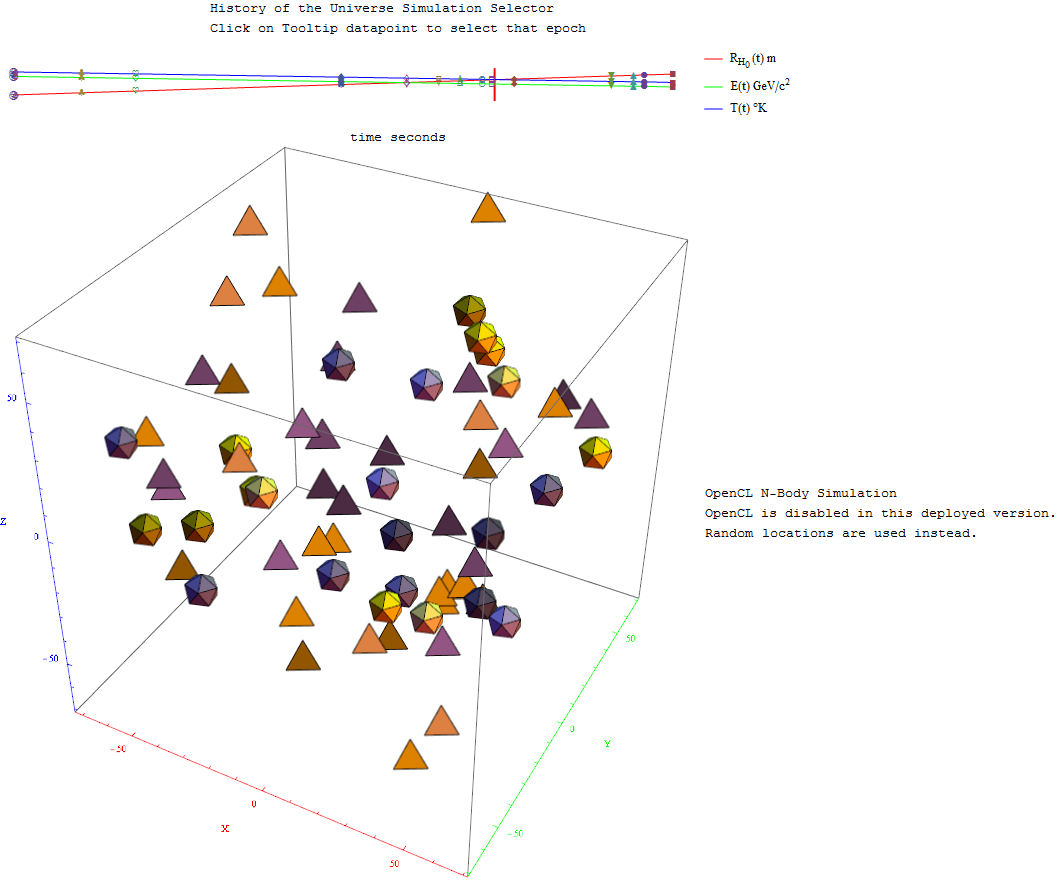
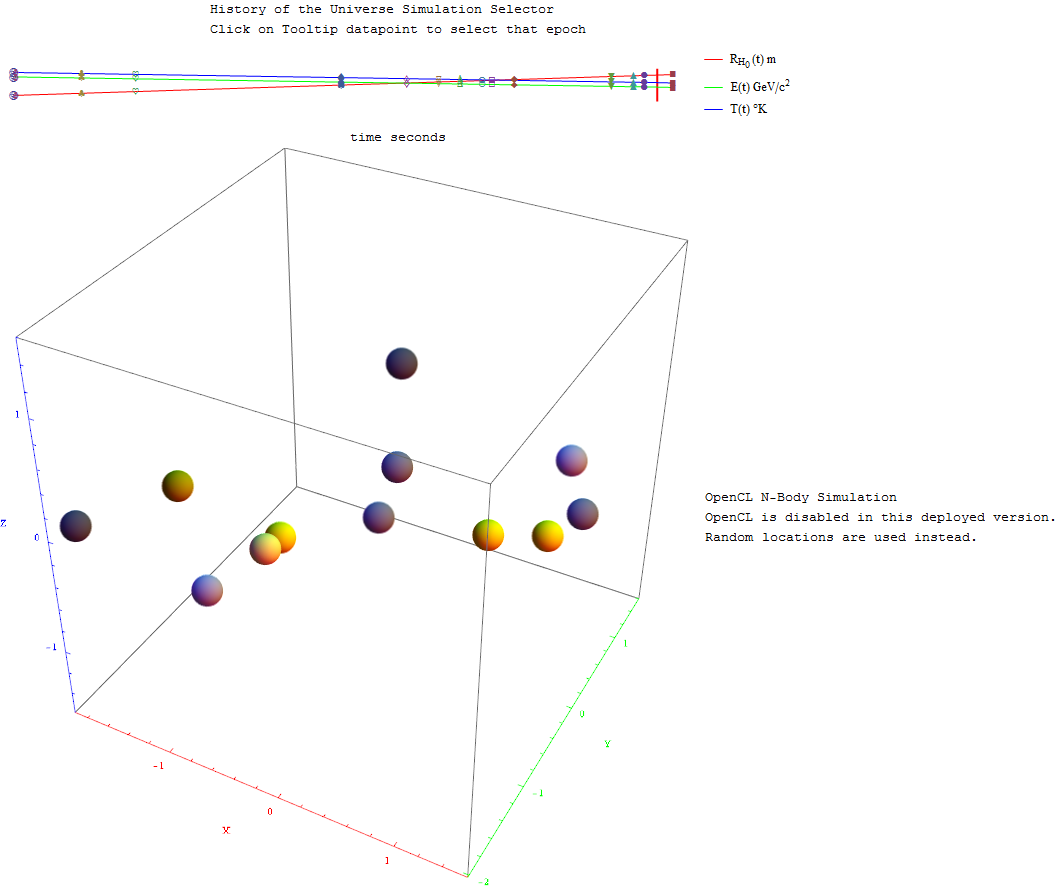
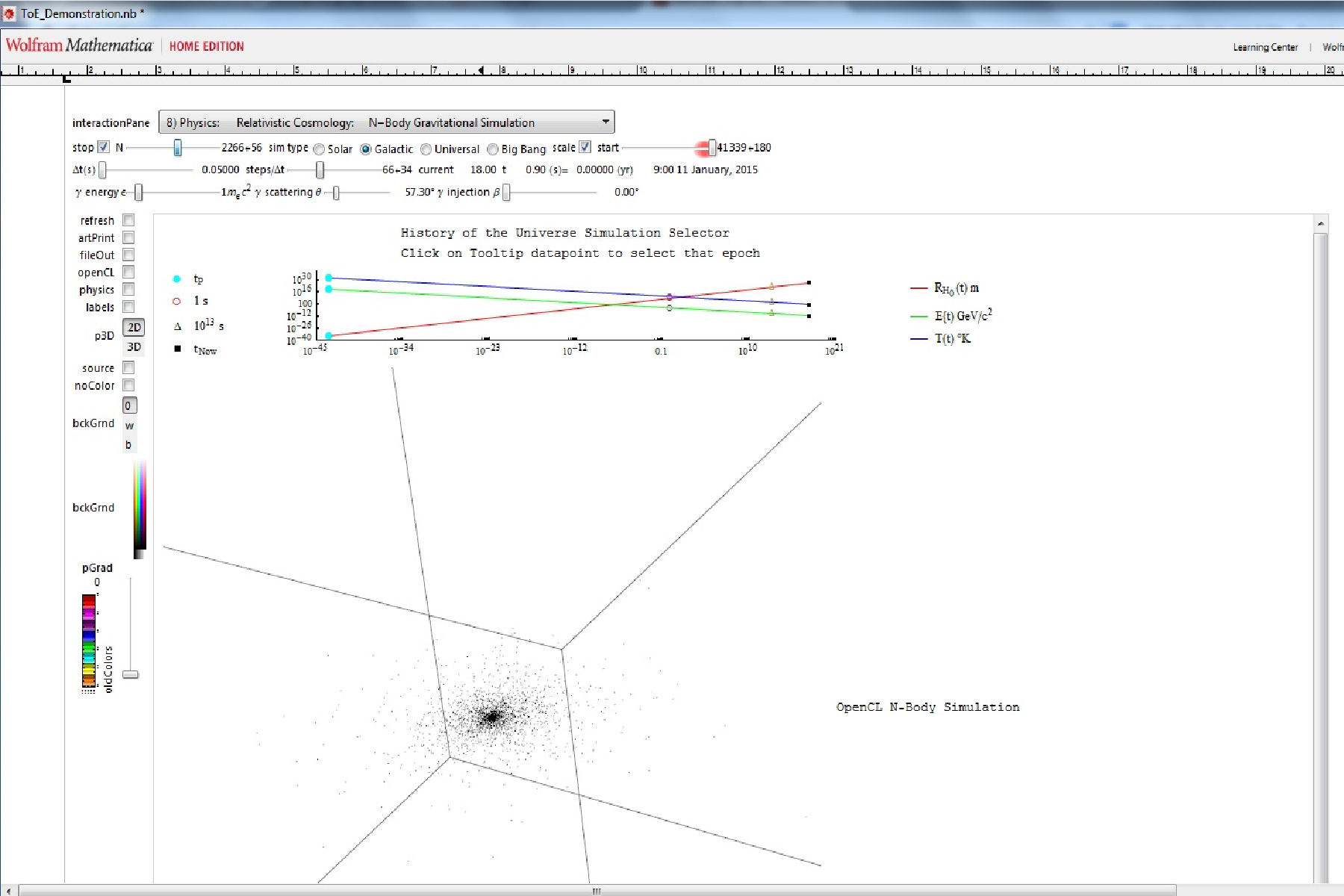
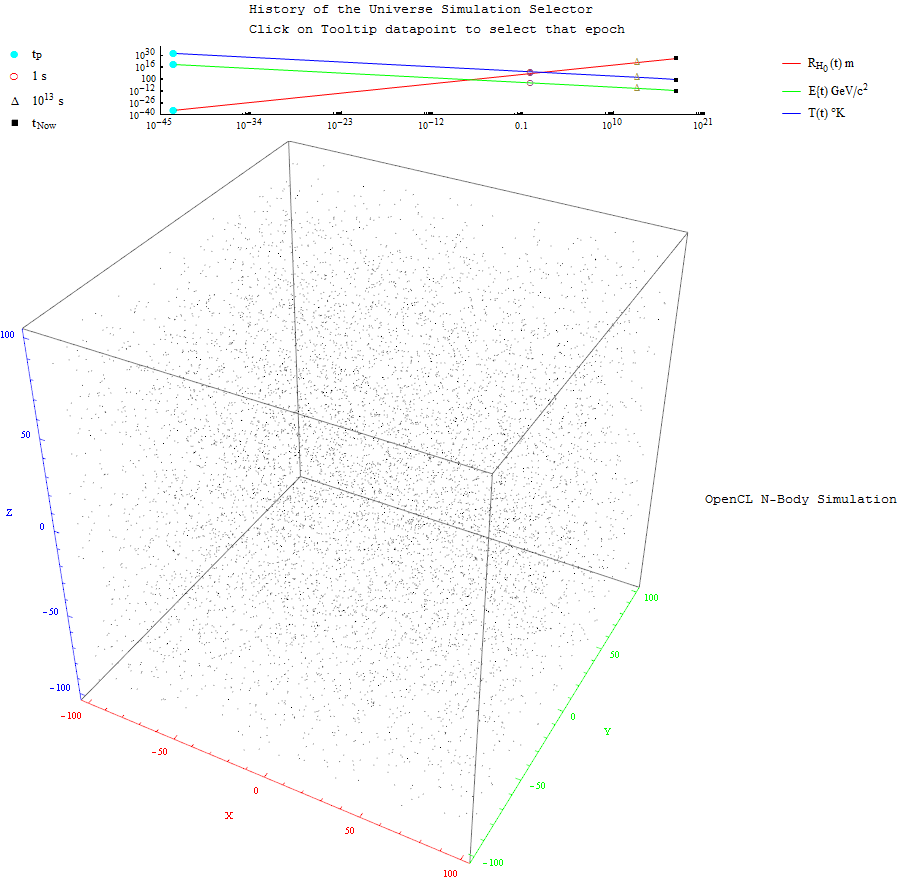
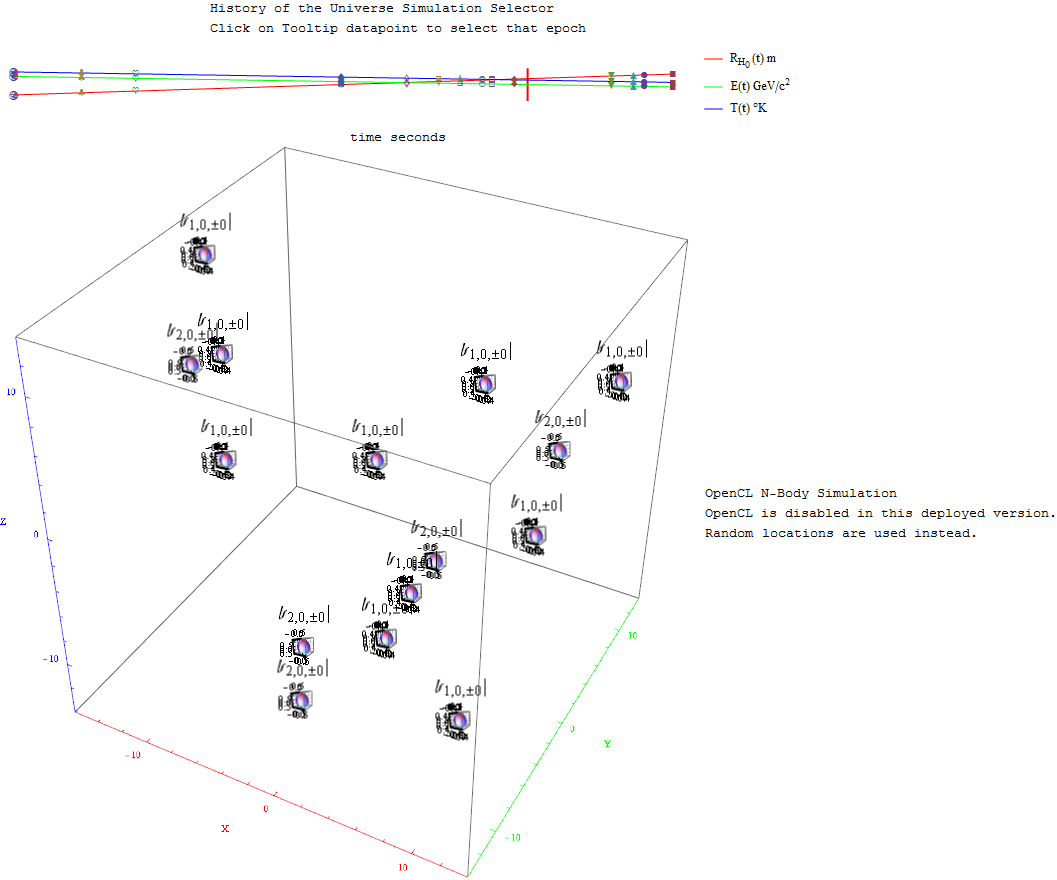
I’ve added more features to the Universal History N-Body Gravity OpenCL GPU Simulation. Here are a few snapshots…

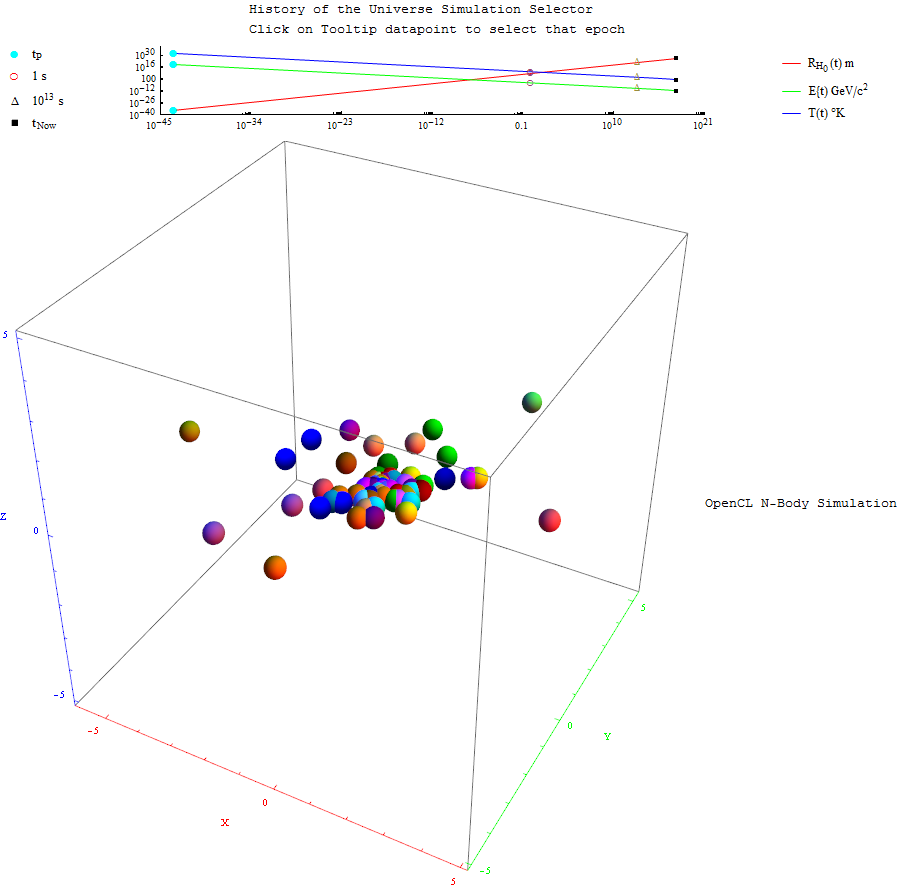
Big Bang – Planck Epoch
outNBody_1a (7)

Inflationary Epoch(s) w/Pre & Post (These are built into my ToE as an accelerating space-time, varying FineStructure, c and hBar)

ElectroWeak Symmetry Breaking Epoch
outNBody_1a (10)

Quark-Gluon Plasma Epoch
outNBody_1a (11)

Meson Epoch
outNBody_1a (5)

Baryon Epoch
outNBody_1a (4)

Lepton Epoch
outNBody_1a (6)

Big Bang NuceloSynthesis Epoch- Nuclei of Hydrogen/Helium/Lithium
outNBody_1a (2)

Photon Epoch- Atoms of Hydrogen/Helium/Lithium
outNBody_1a (3)

Matter Dominated Stellar NucleoSynthesis- Quasars
outNBody_1a (9)

ReIonization- Galaxies
Galaxy

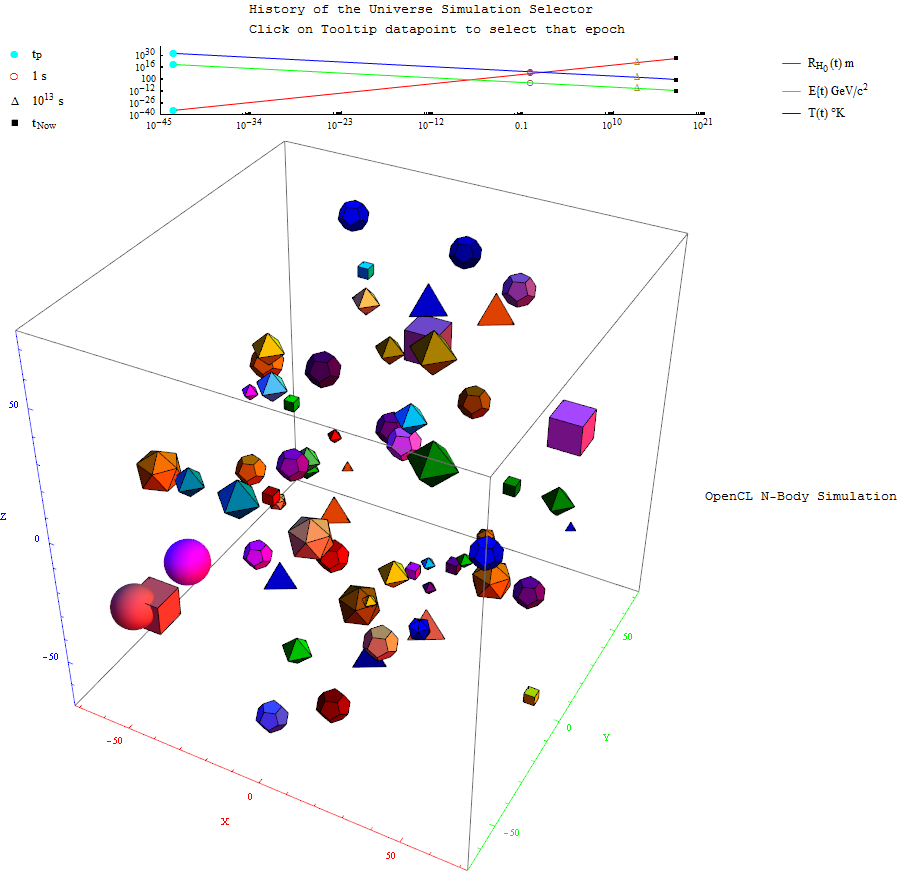
Dark Ages- Large Scale Structure
outNBody_43a

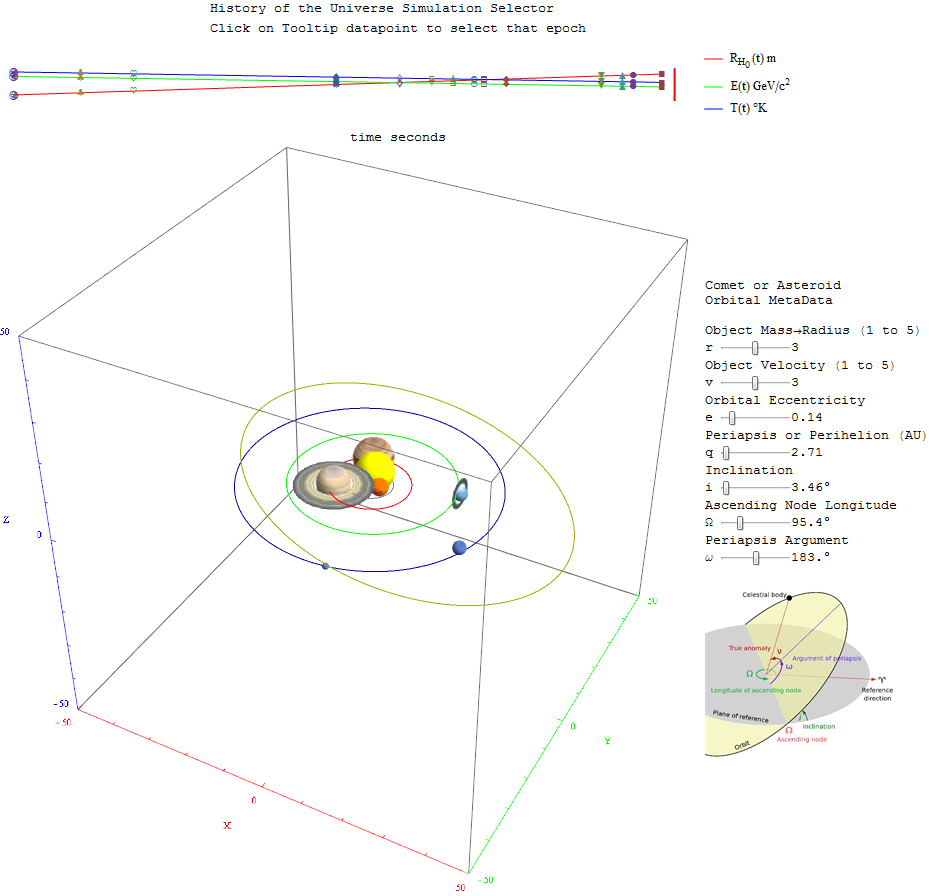
Recombination- Solar Systems/Chemistry/Biology/Sociology
outNBody_1a (8)

Hacking (virtual) Reality

This weekend I hacked a version of the Oculus Rift stereoscopic 3D headmounted displays using household items.

The main technique was from Andrew Noske.

But not following the instructions, I made it out of lightweight card stock and used an $8 3 pack of 3+ reading glasses, and a bit of velcro on a nylon strap (which holds the weight of the iPhone or Android from the brim of your favorite baseball cap).

The pictures only show 2 pair of glasses, but I added the third to fine tune the focus. Unlike Google Cardboard, this has a full screen field-of-view (Google’s is only a small circle in the center of the square left/right halves).

BTW – Some of the free Hasbro My3D games work great (sensing head motion and use the holes in the bottom for iPhone to control the buttons).

If you’re wanting hands free utility, the baseball cap as a head strap works better to accommodate the weight of the phone (which is a bit further out from Cardboard’s shorter/smaller focal length). Without this, it is a bit heavy on the bridge of the nose and pulls away from the eye-glass ear grips.
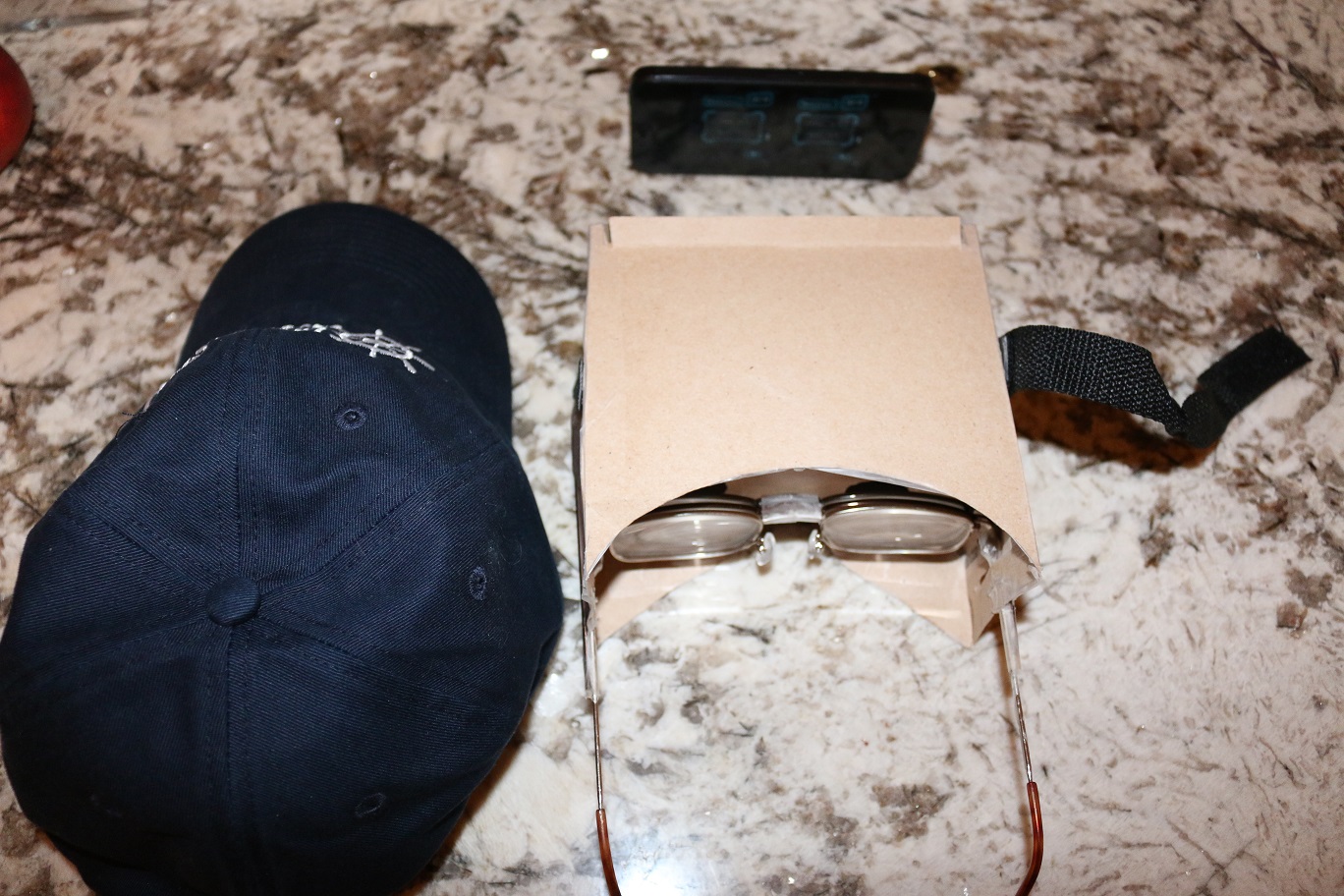
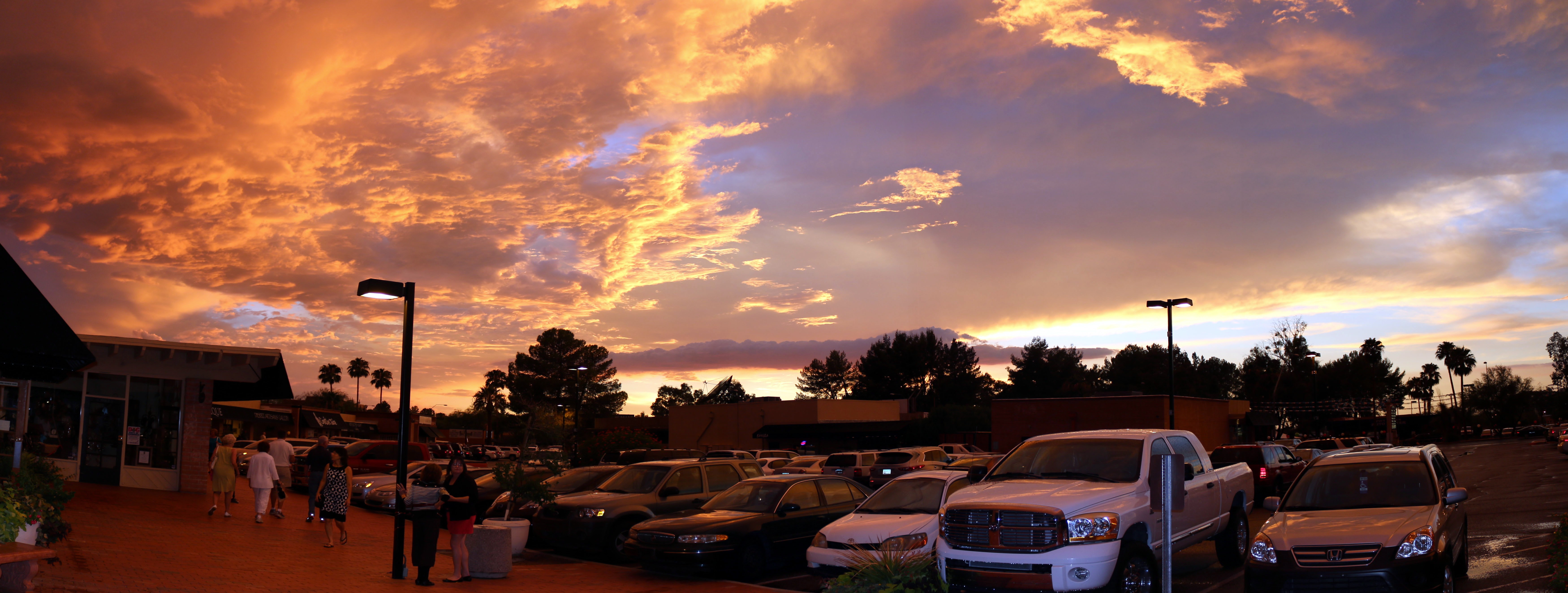
2014_07_21_EOS 70D_005213a

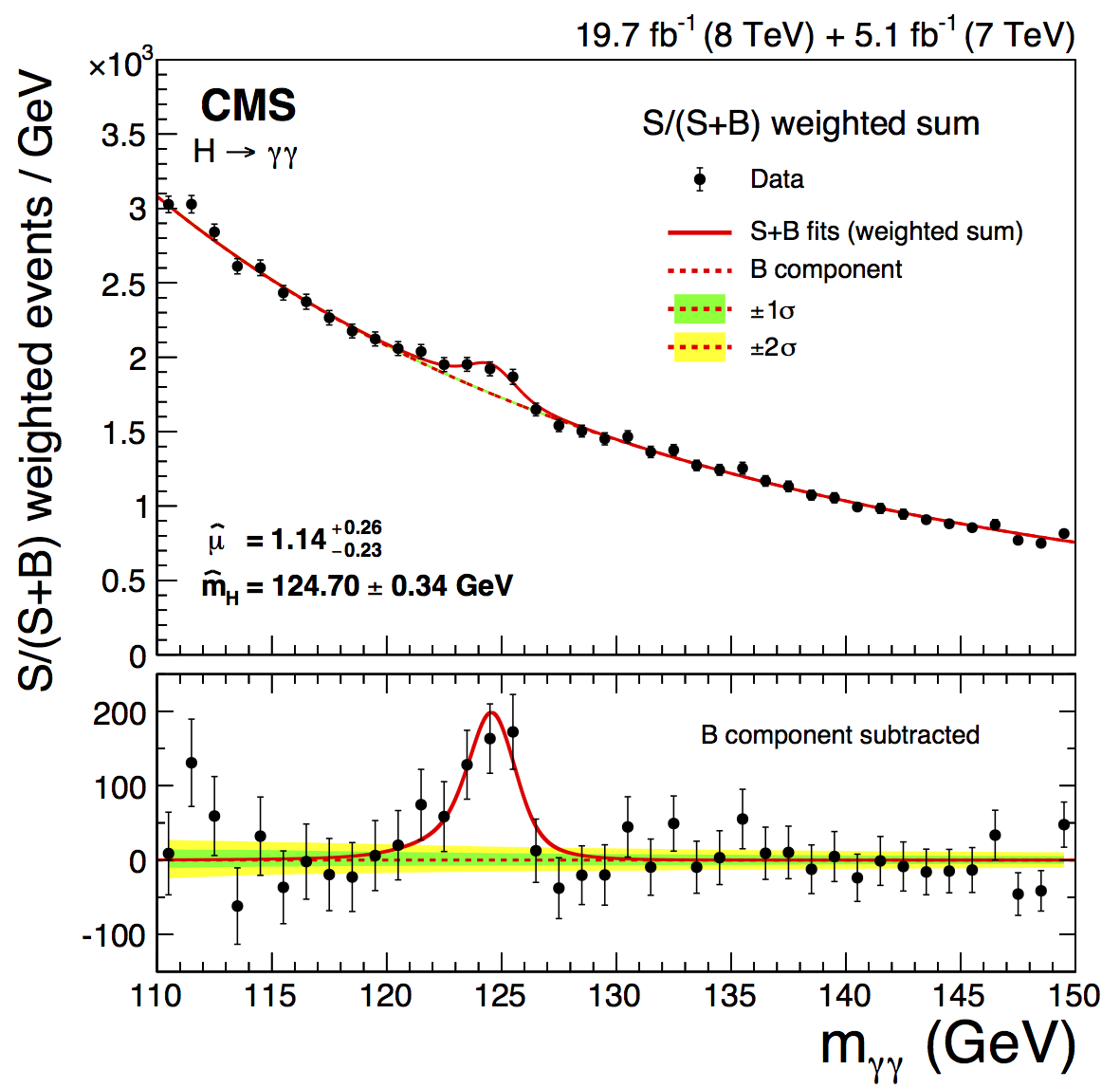
Higgs Mass Prediction Confirmed!

CMS closes major chapter of Higgs measurements

image1_1

http://cms.web.cern.ch/news/cms-closes-major-chapter-higgs-measurements

Glad to see the more accurate CMS (as well as ATLAS’) Higgs mass homing in on my prediction of 124.443…GeV/c^2 (see http://theoryofeverything.org/TOE/JGM/ToEsummary.pdf).

Can’t wait for more data next year. Of course, validation that the theoretical model works as expected is as important as the experimental verification.

Zeleny's Hadron Decay Wolfram Demonstration added

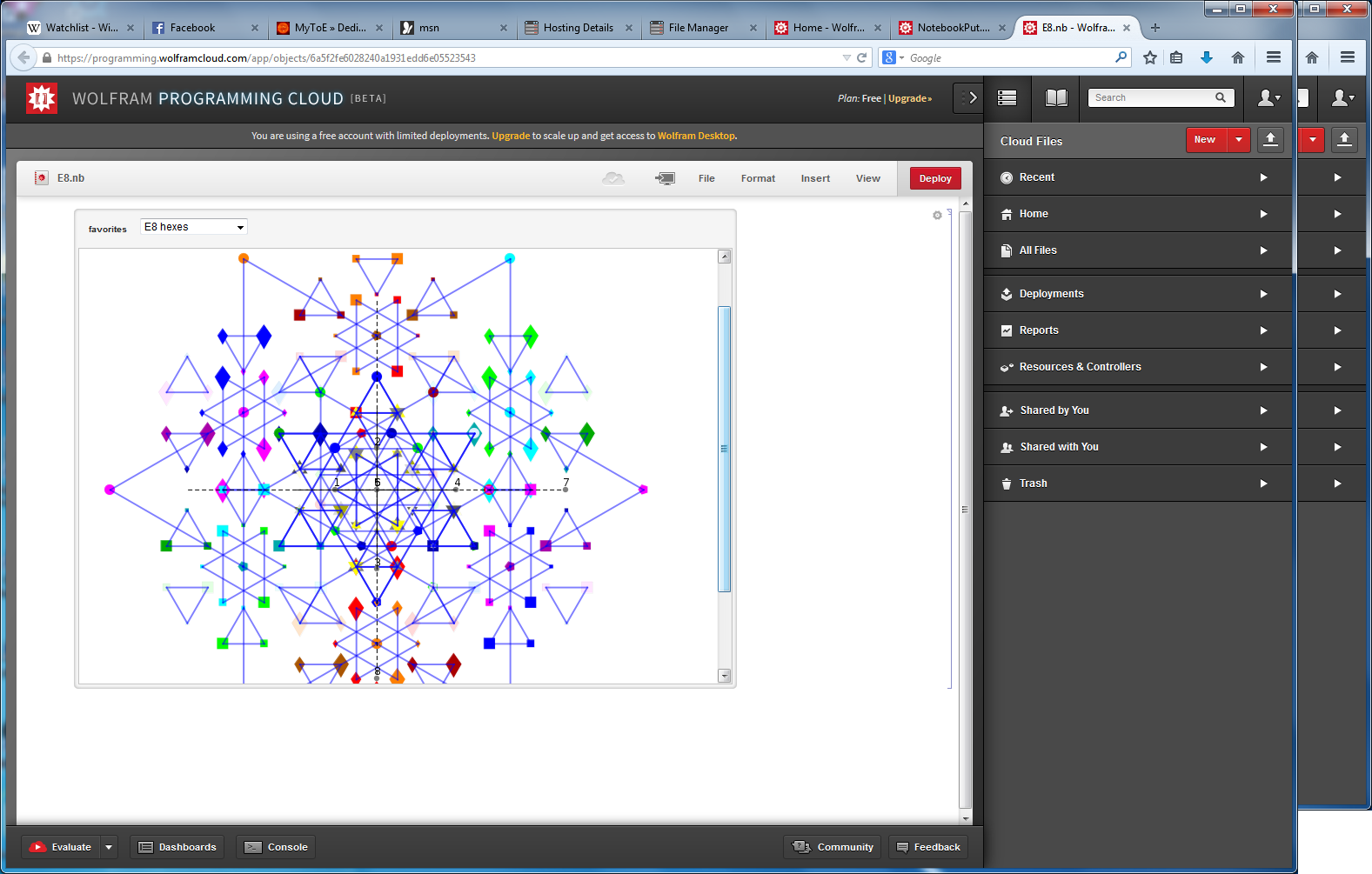
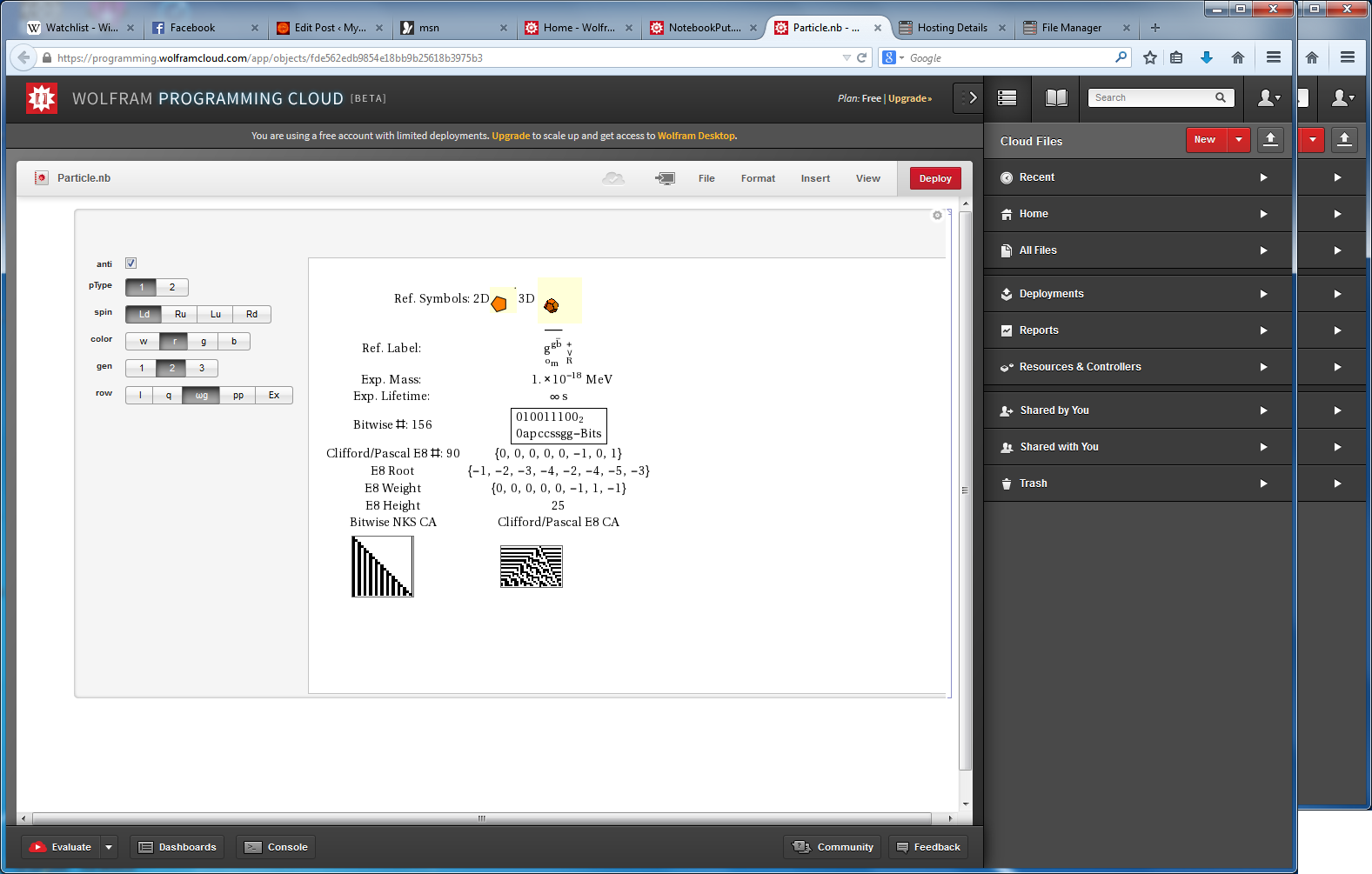
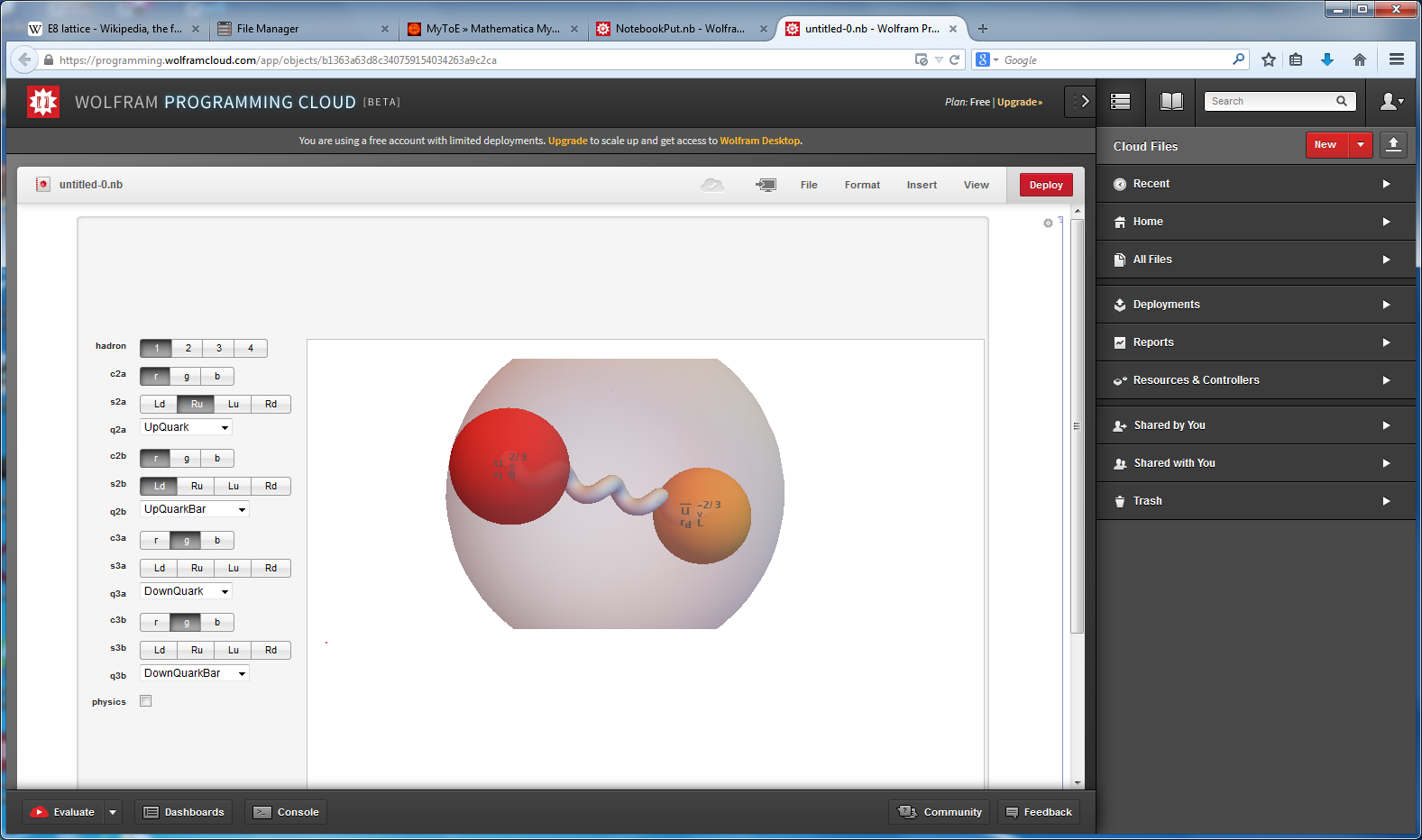
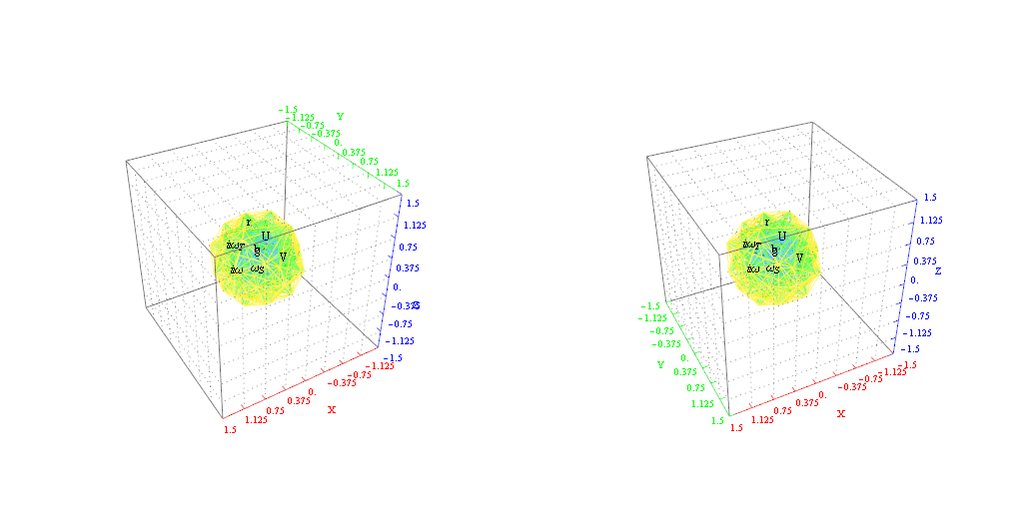
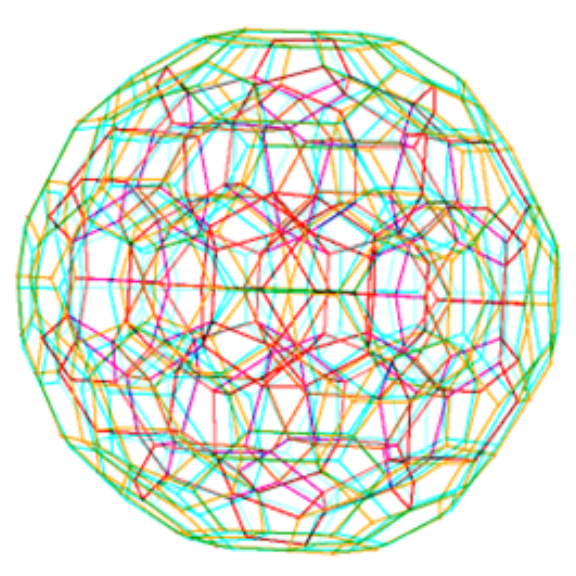
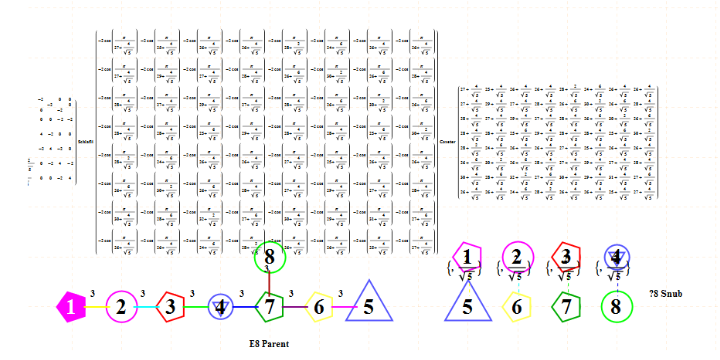
This weekend I integrated a fantastic demonstration by Zeleny which allows the visualization of the composite Quark particle decays. I’ve integrated it into the sixth (Hadron) pane which starts with Blinder’s demonstration to visualize the composite Quark-Gluon particles. These demonstrations are extended by allowing the selection of 2 Quark Mesons, 3 Quark Baryons and recently discovered 4 and 6 Quark Hadrons and also drives content of the E8 sub group projection pane (#3). I also added a query to show all experimentally discovered composite Meson/Baryon particles with the same quark content and added a decay mode button when decays are in Wolfram’s ParticleData Group curated data set.
decays

hadrons

New TheoryOfEverything Visualizer Features

I cleaned up some of the N-Body physics screens, and created a few animation sequences showing the simulation runs available (if you have Mathematica and source code (available upon request and appropriate use-case)).

This is a video of a preliminary Galaxy formation in N-Body gravitational physics.

This is a video of the solar system (not yet using the OpenCL N-Body code for GPU parallelism).

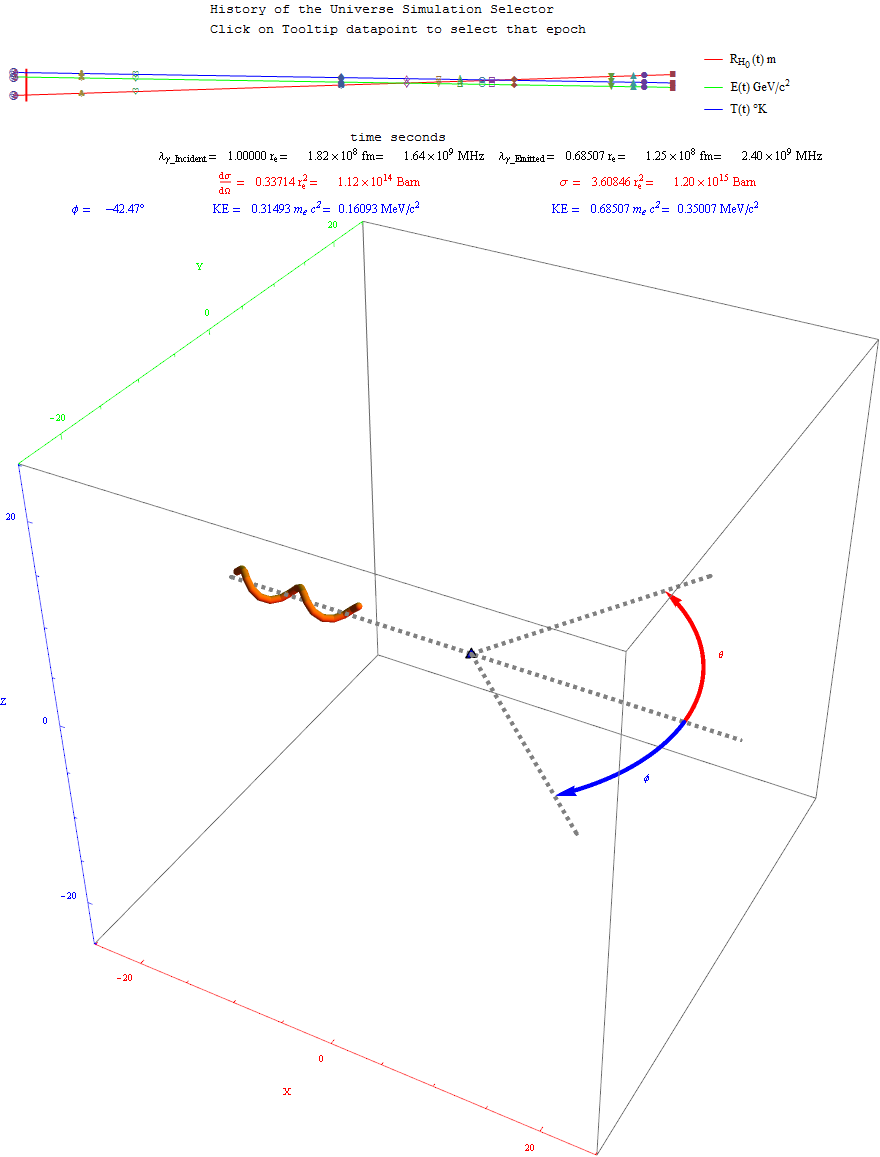
This is a video of the Compton Effect in 3D, which I plan on using to show how Big Bang Inflationary Quantum effects are explained.

outNBodyPhys

outNBodyPhoton

I’ve also improved the capabilities of the other demonstrations.

outHadron

I've added an N-Body Gravitational Simulation Pane and enhanced the Composite Quark Hadron Model Pane

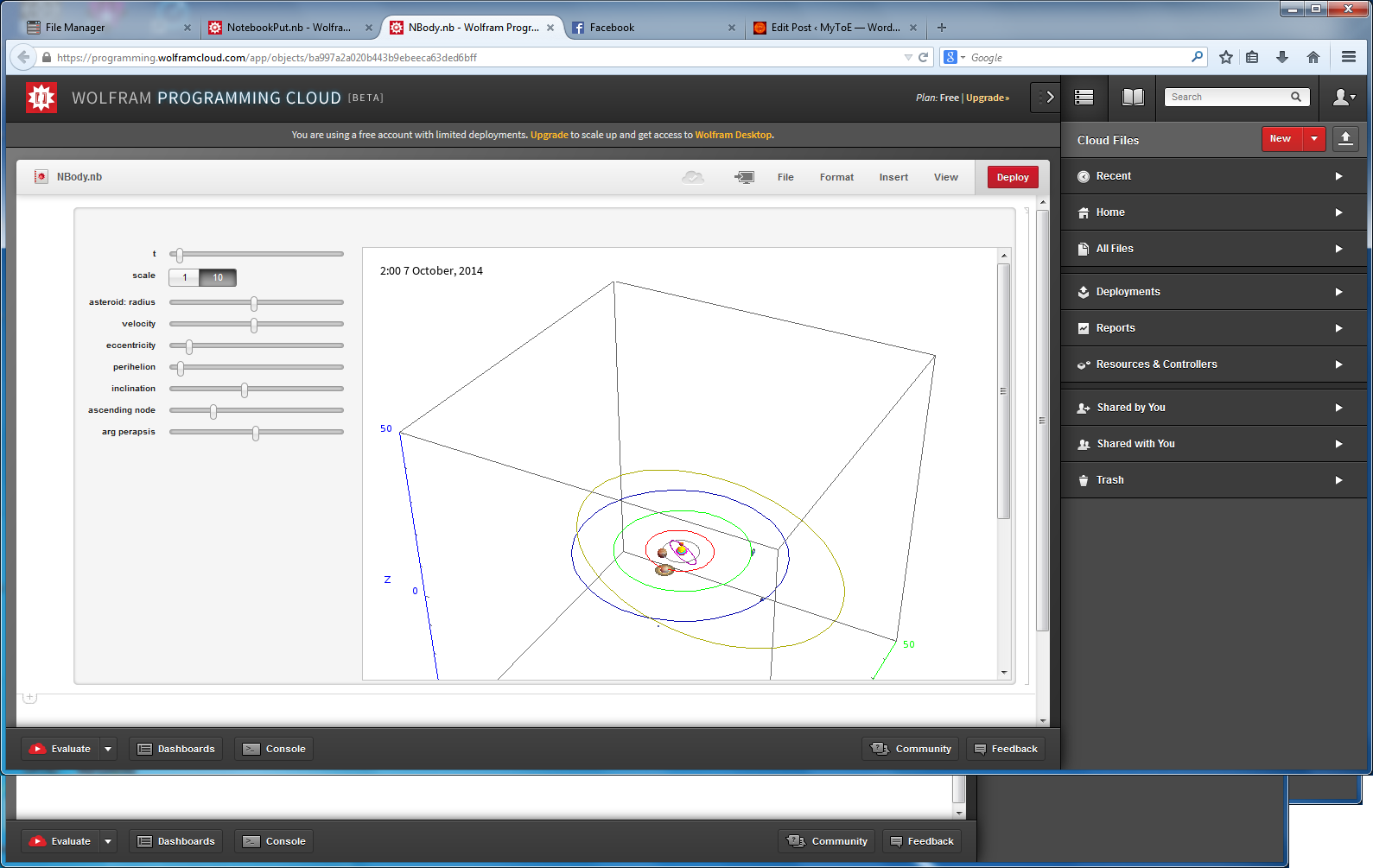
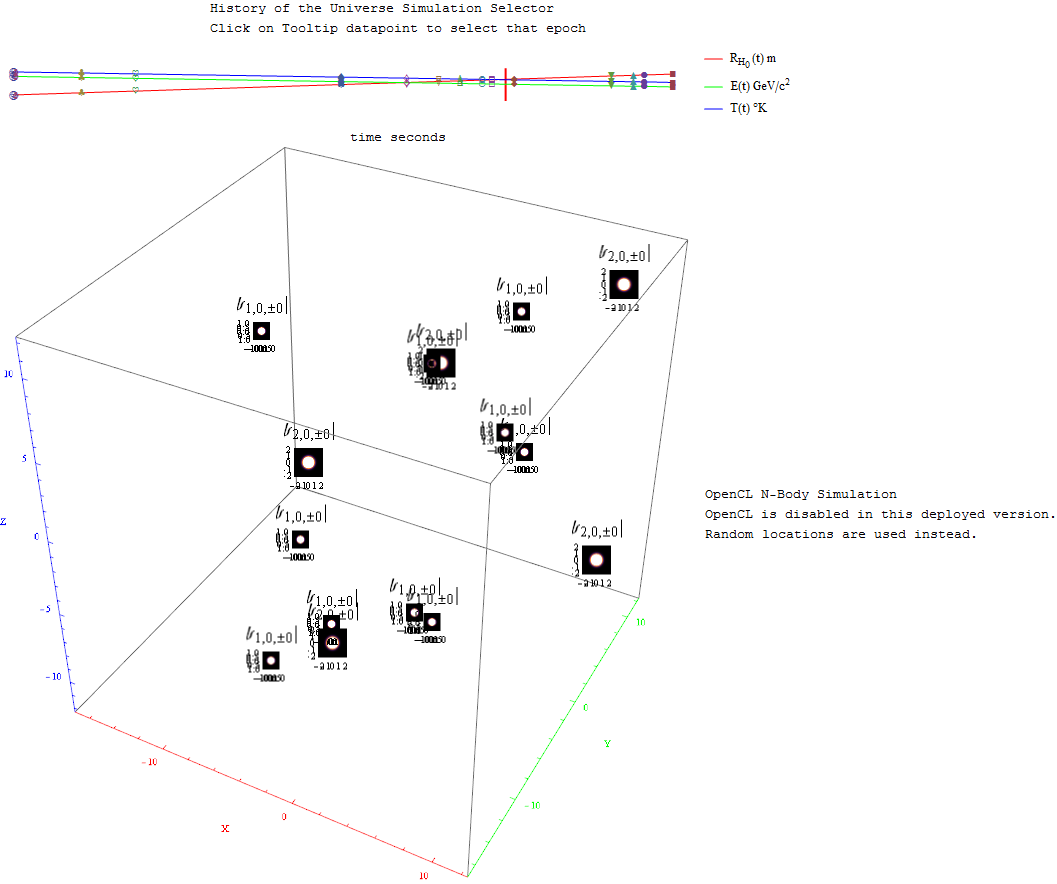
The N-Body Gravitational Simulation (not yet complete) uses Mathematica’s OpenCL GPU computing capability to simulate standard (Solar System), GR (Black Hole Centered Galaxy formation), Large Scale Universal Structure, and Quantum GR (Big Bang Inflationary) physics.

I’ve consolidated the Meson/Baryon panes into a single Hadron pane that now includes the formation of the recently validated TetraQuark Hadrons.

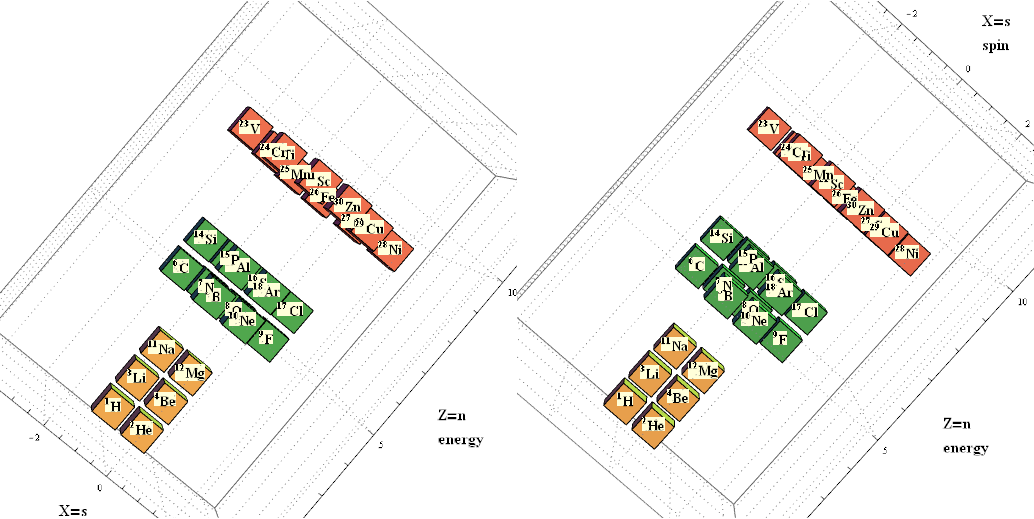
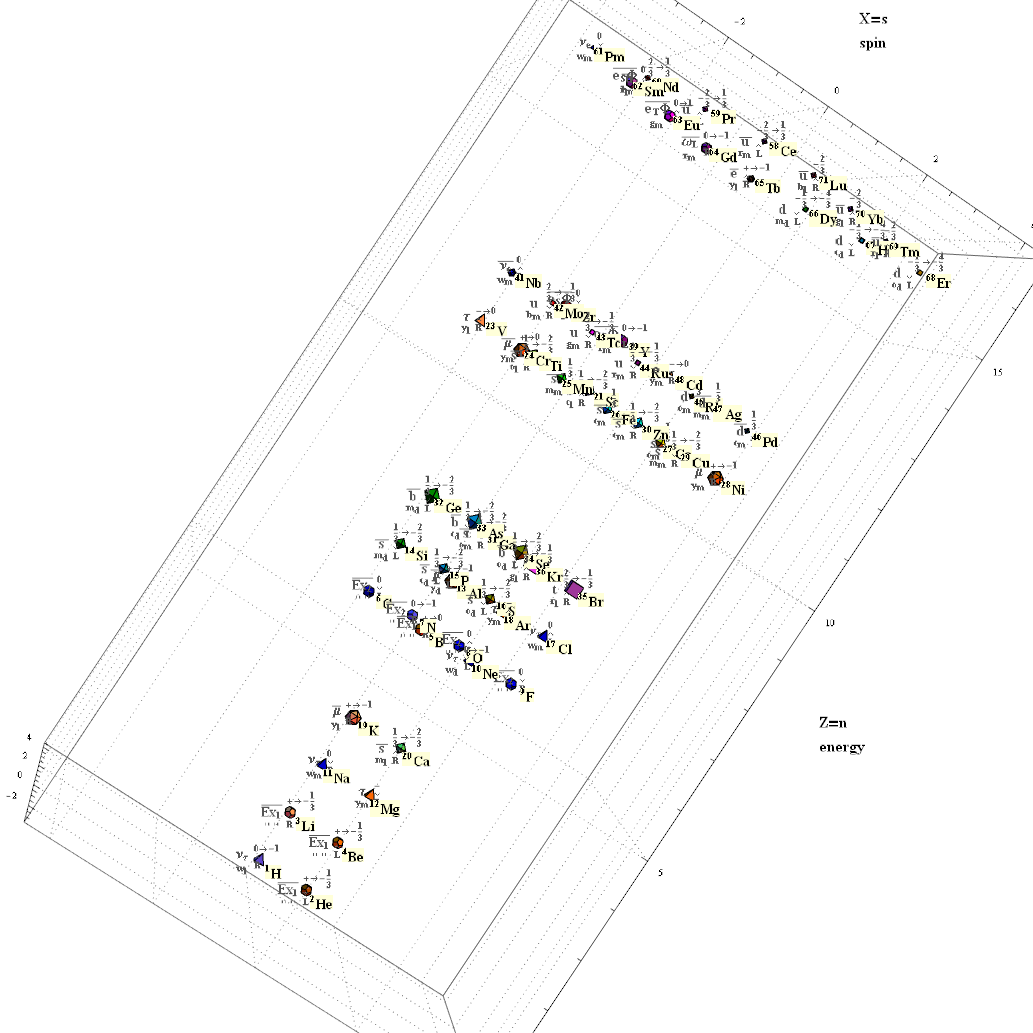
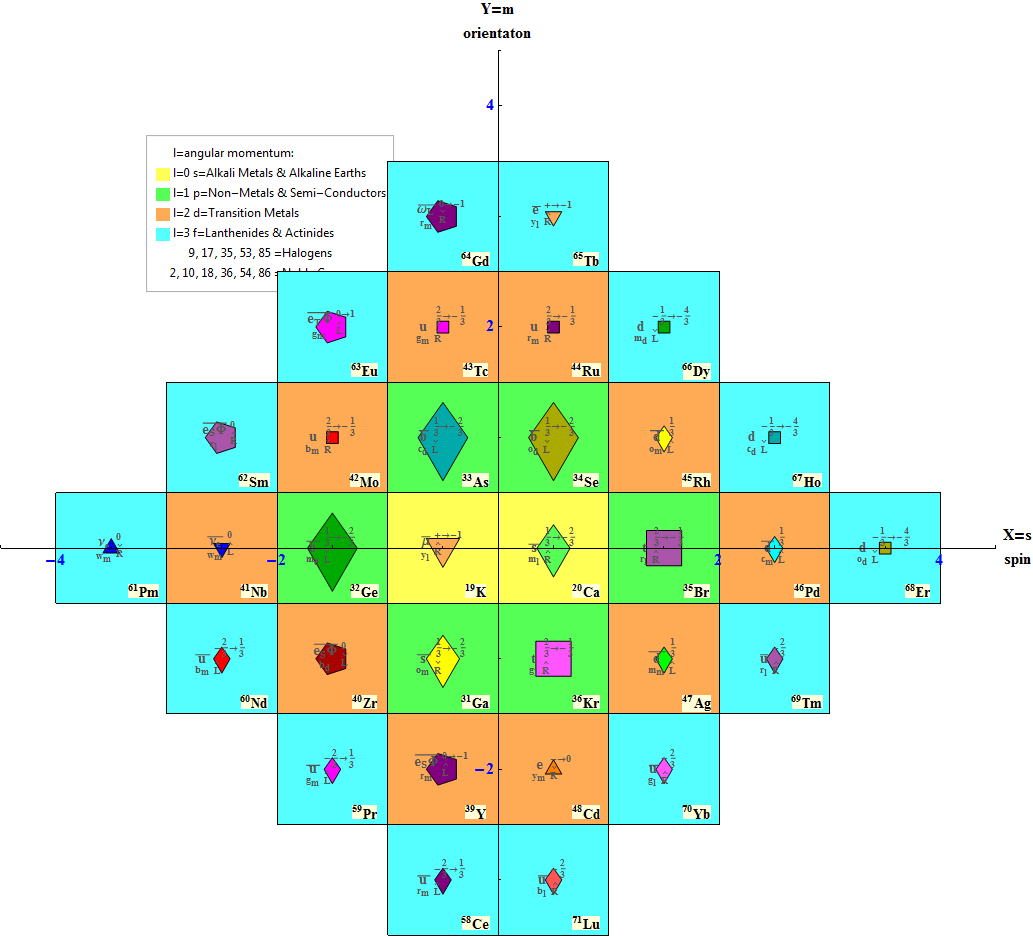
Please see ToE_Demonstration.cdf or as an interactive web page) that takes you on an integrated visual journey from the abstract elements of hyper-dimensional geometry, algebra, particle and nuclear physics, and on to the atomic elements of chemistry. It requires the free Mathematica CDF plugin (25 Mb). ToE_Demonstration.nb is the same as CDF except it includes file I/O capability not available in the free CDF player. This requires a full Mathematica license (25 Mb).

outNBody-1b

outNBody-1a

QM-GR-N-Body

Meson

Baryon

TetraQuark