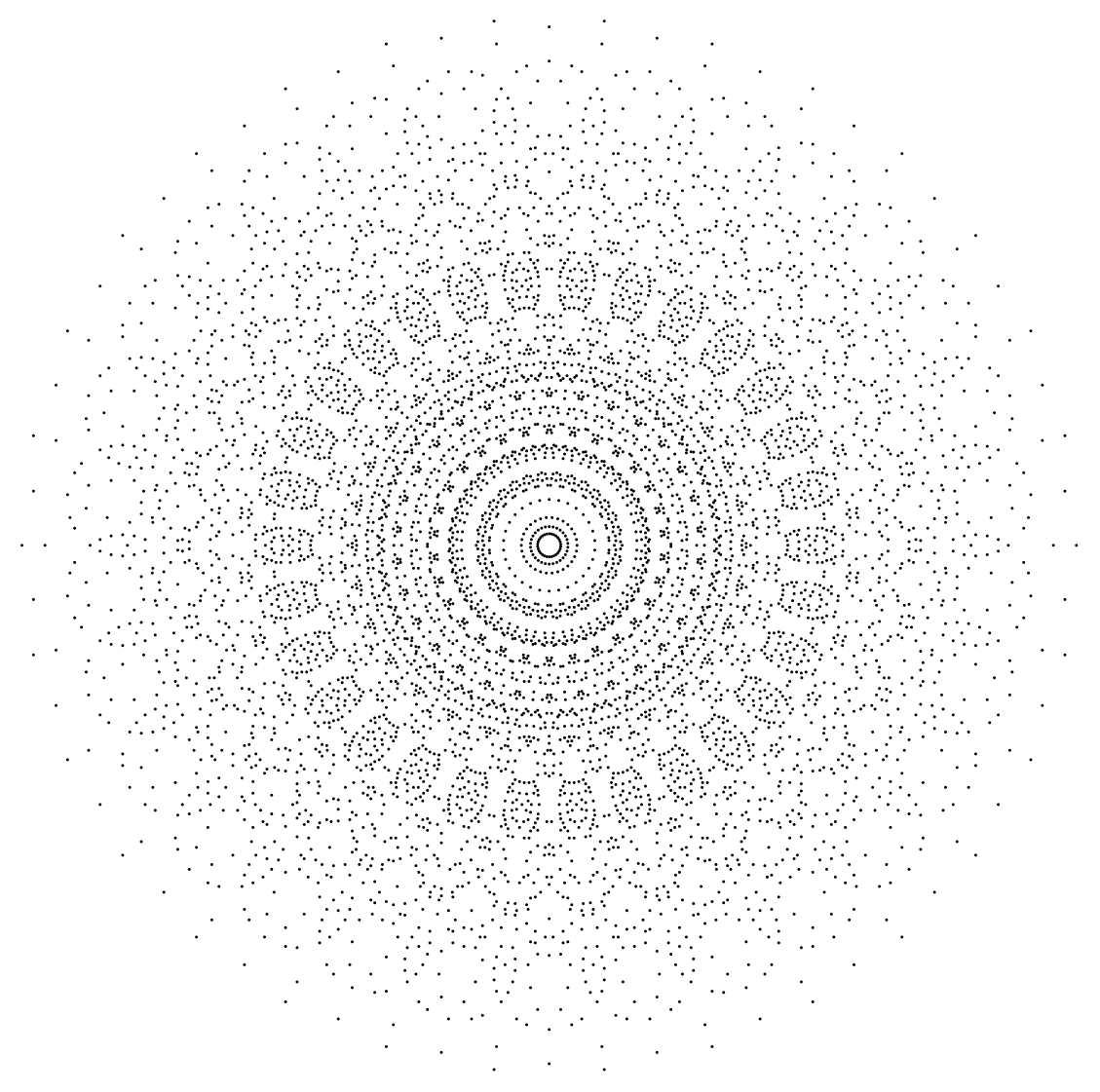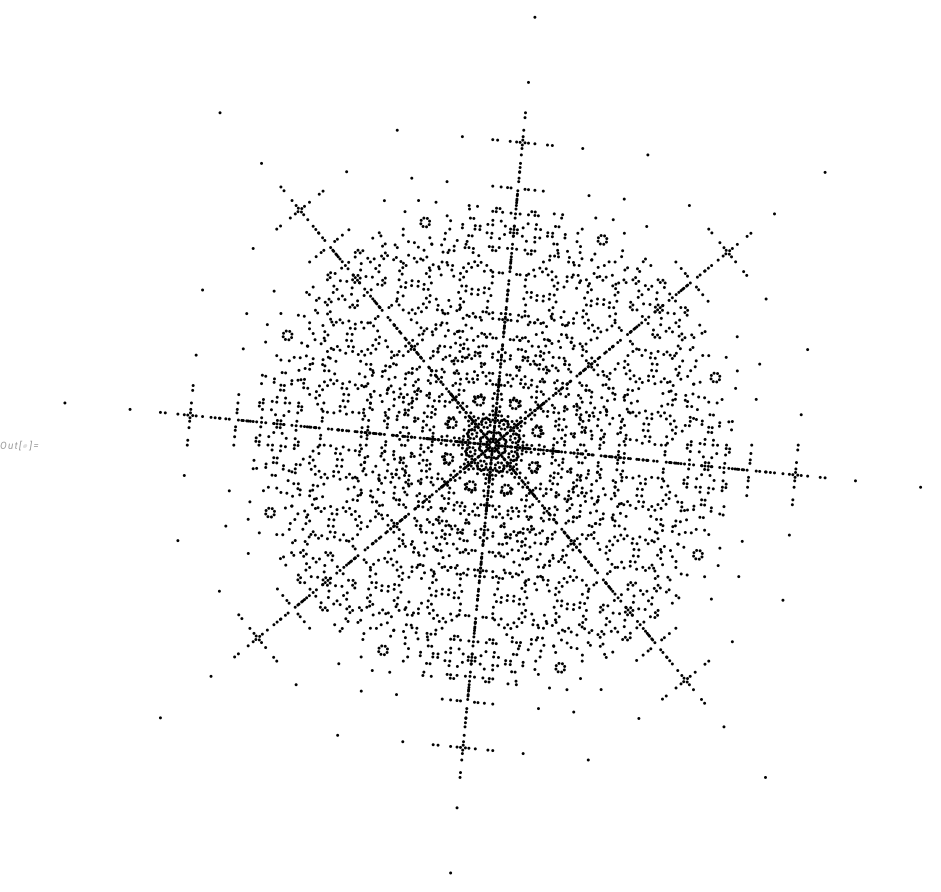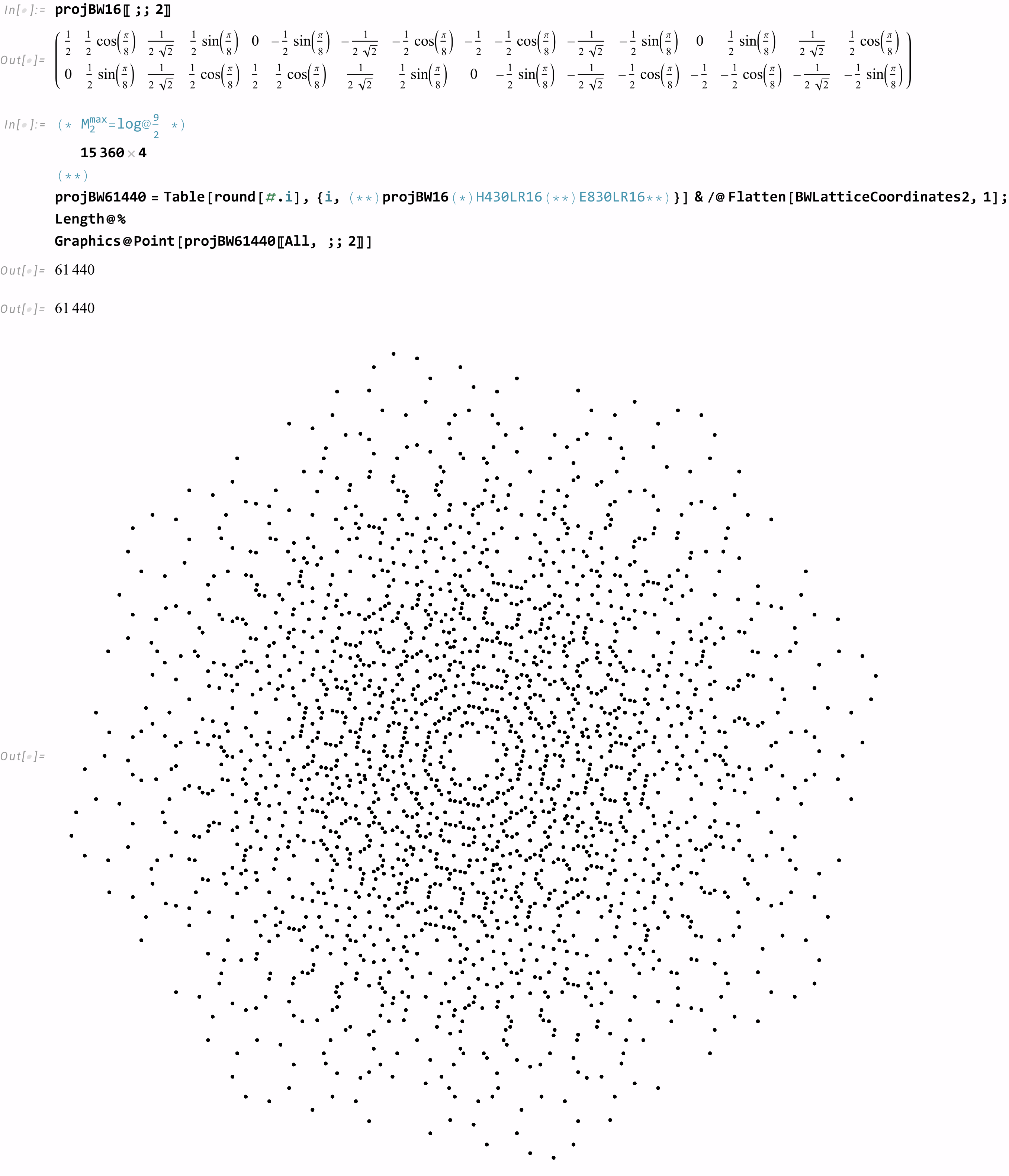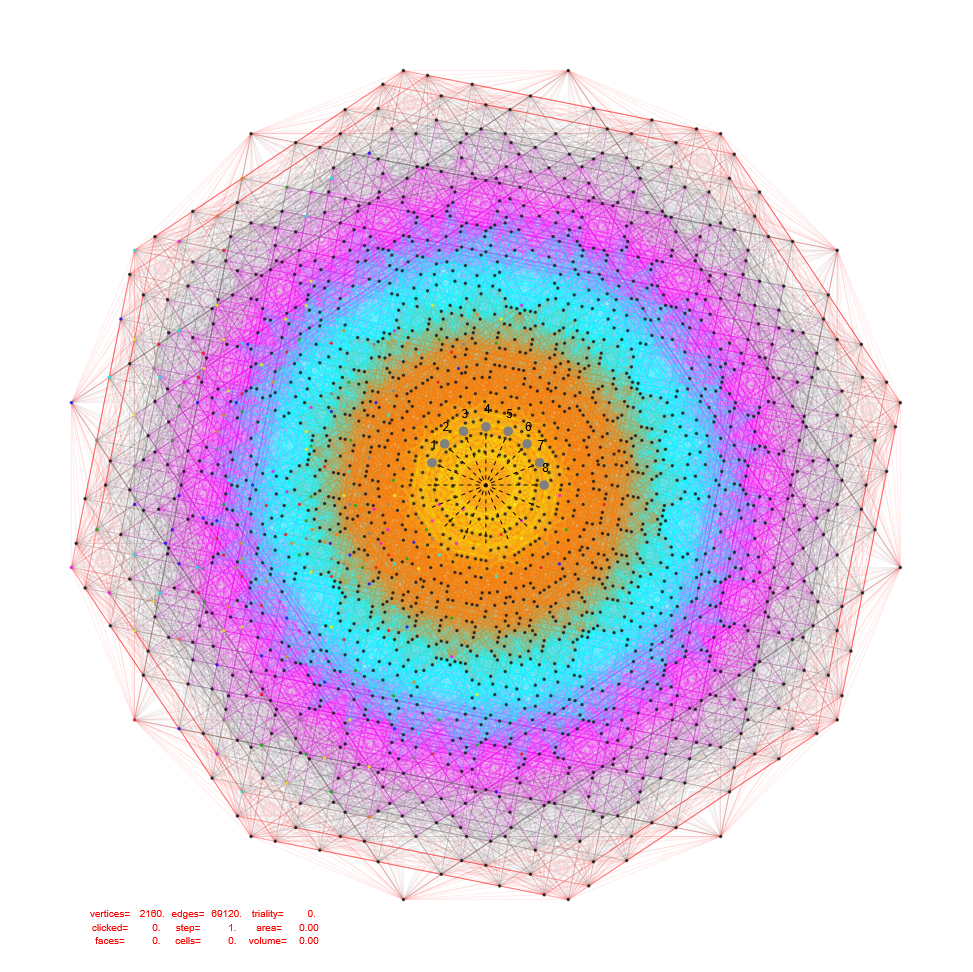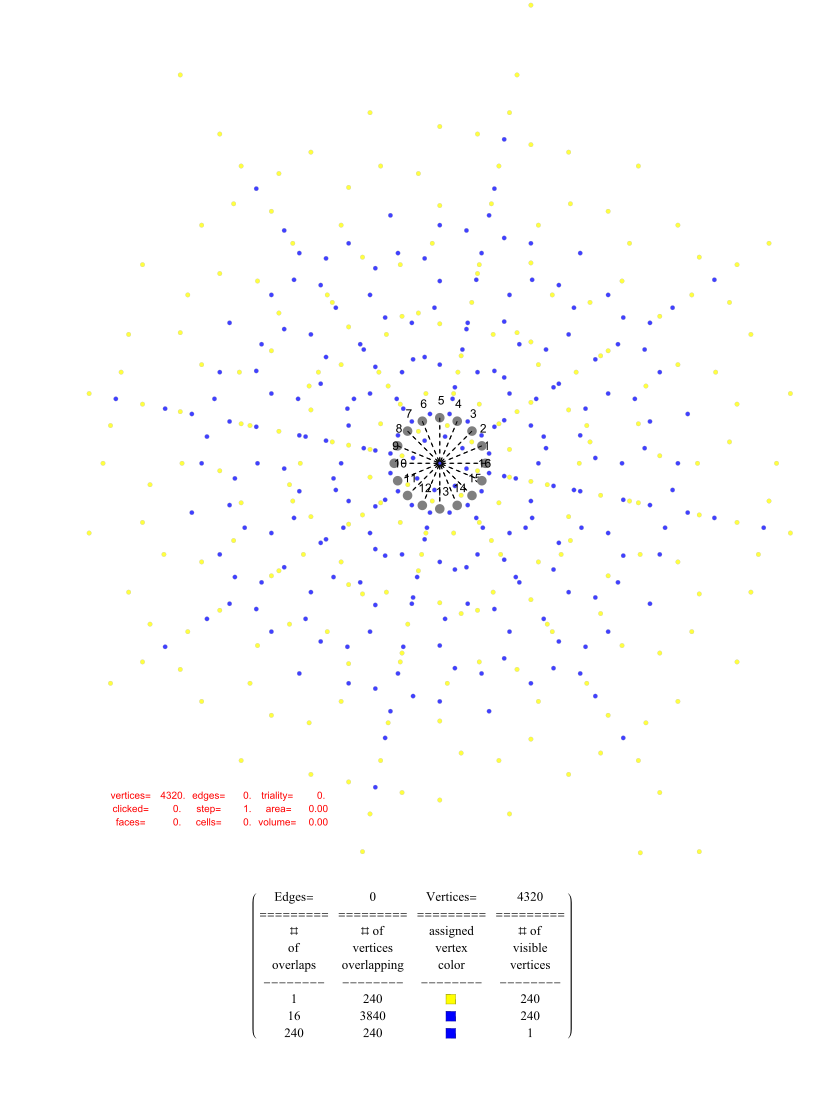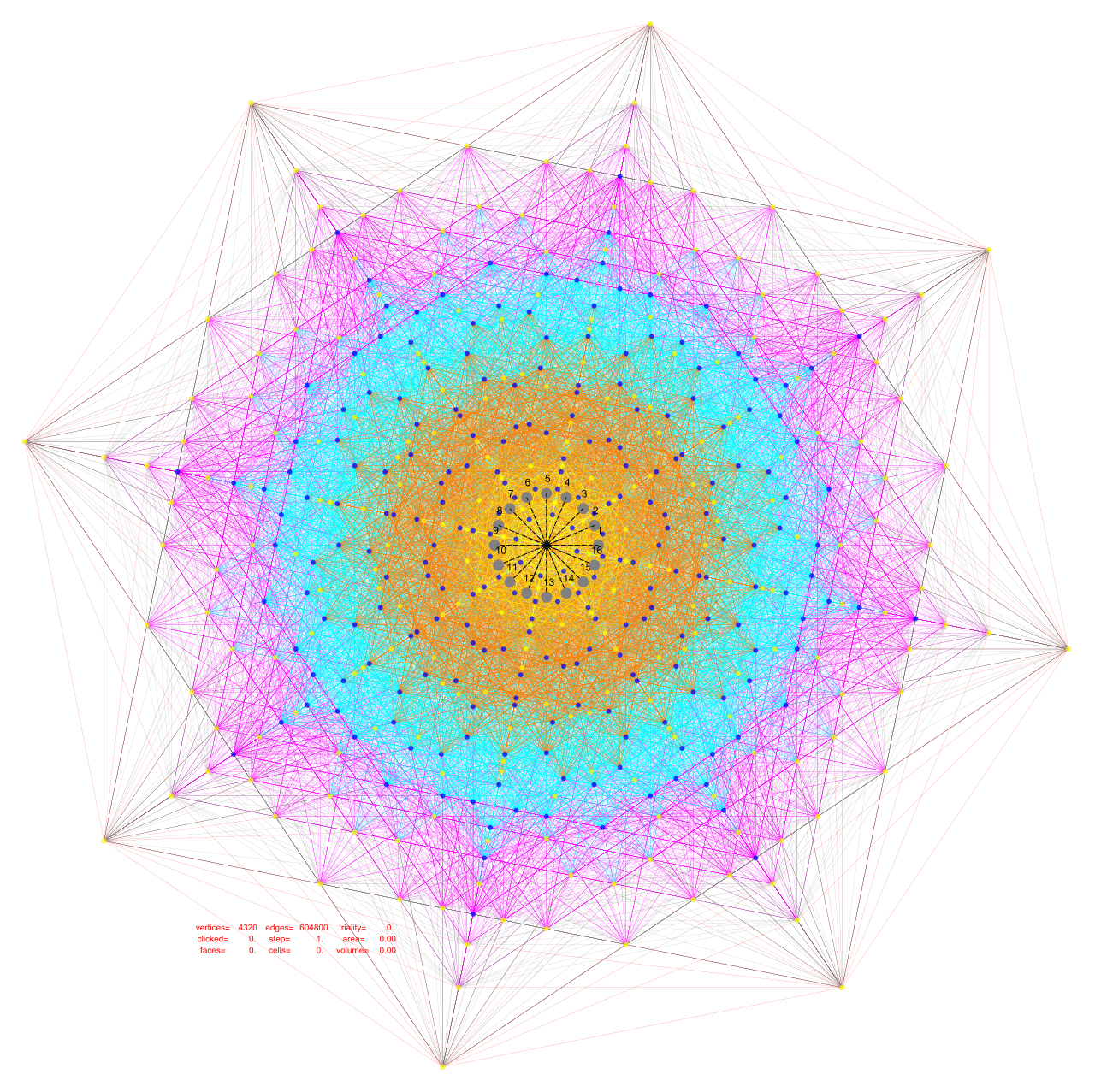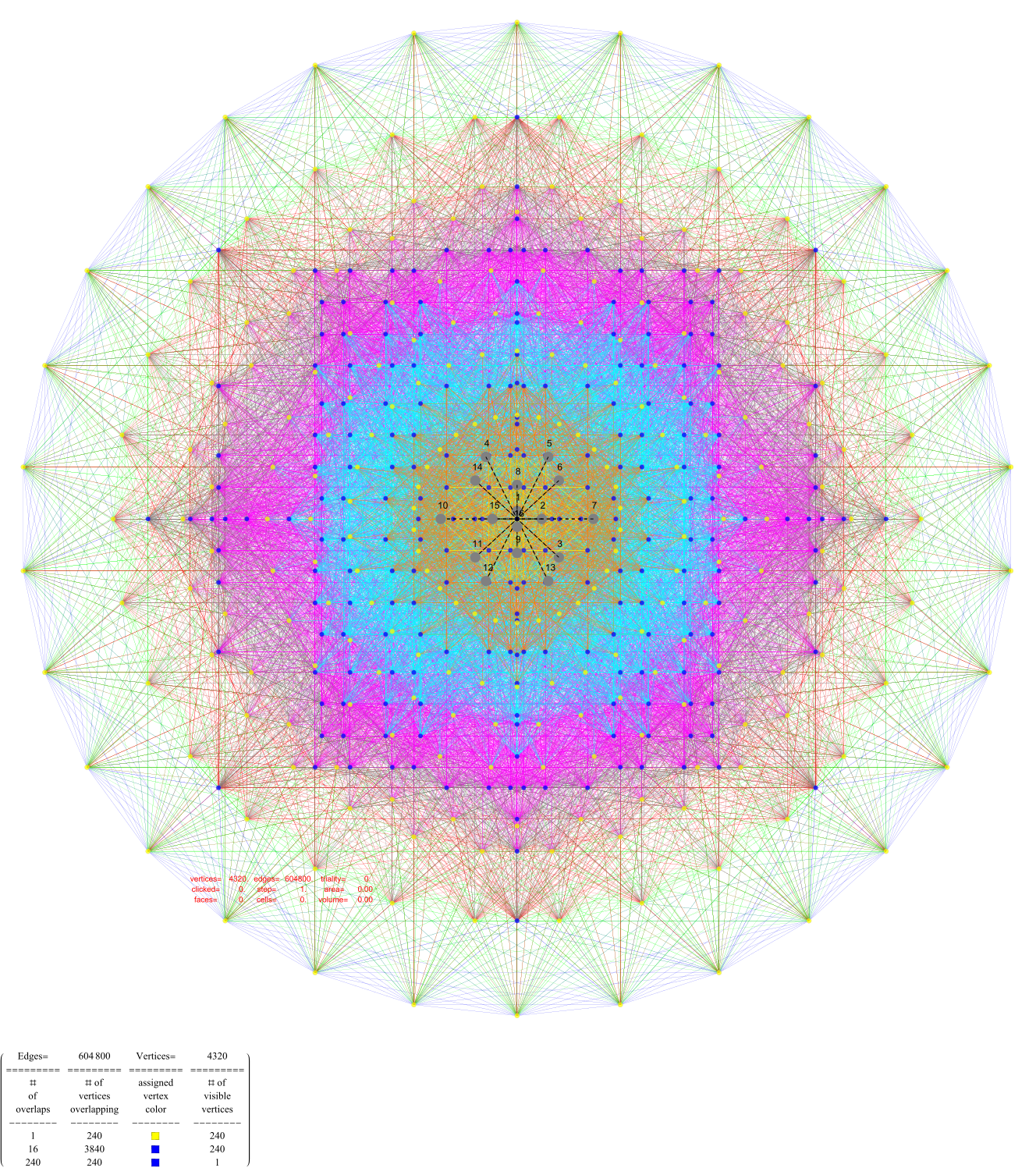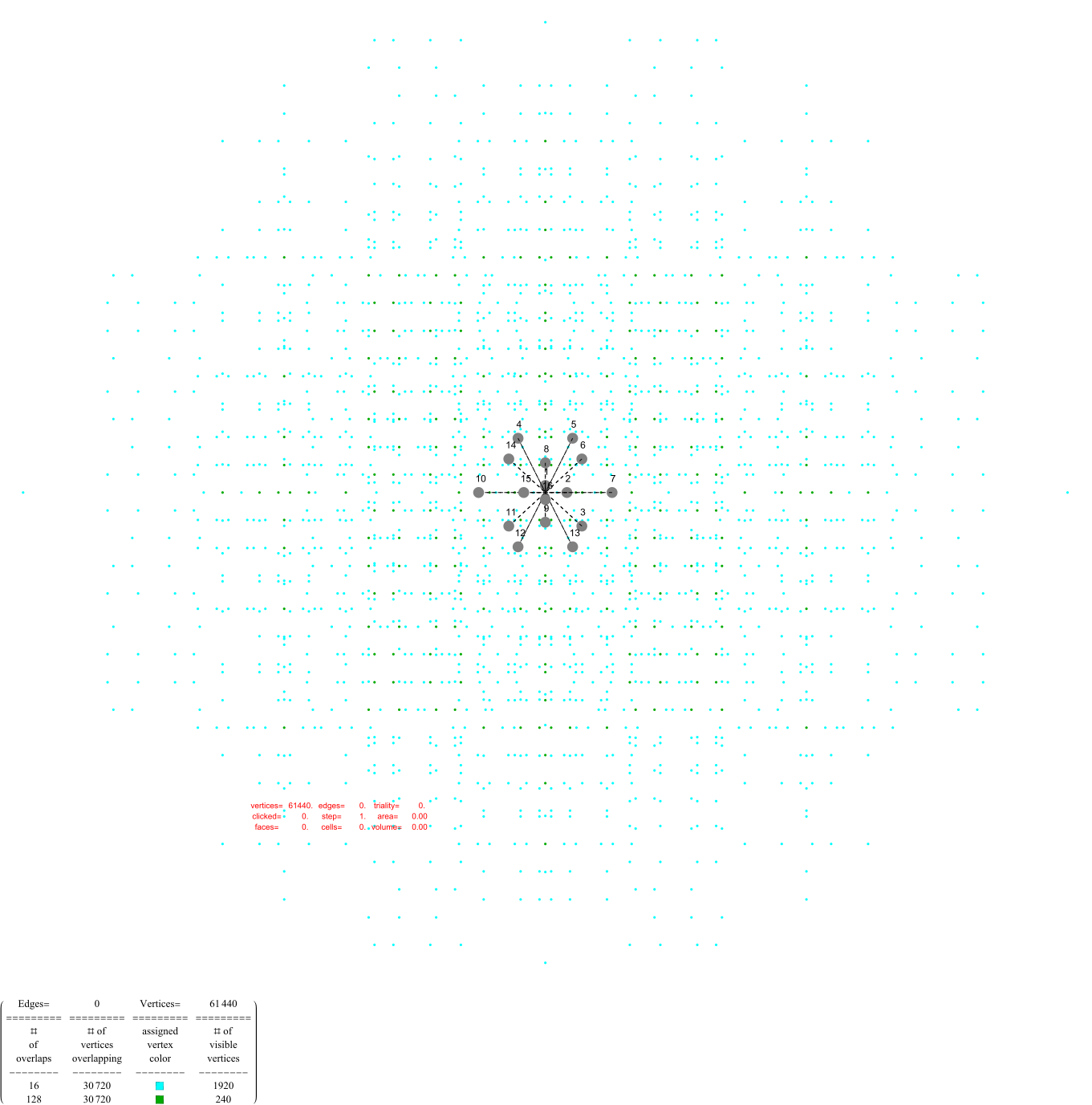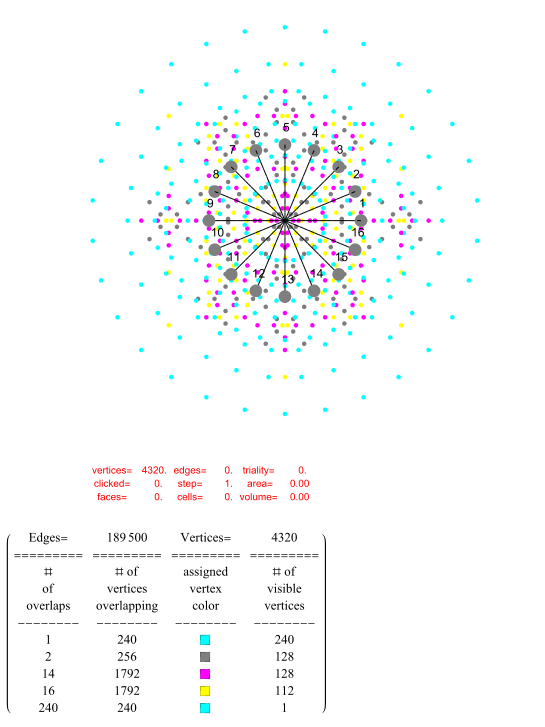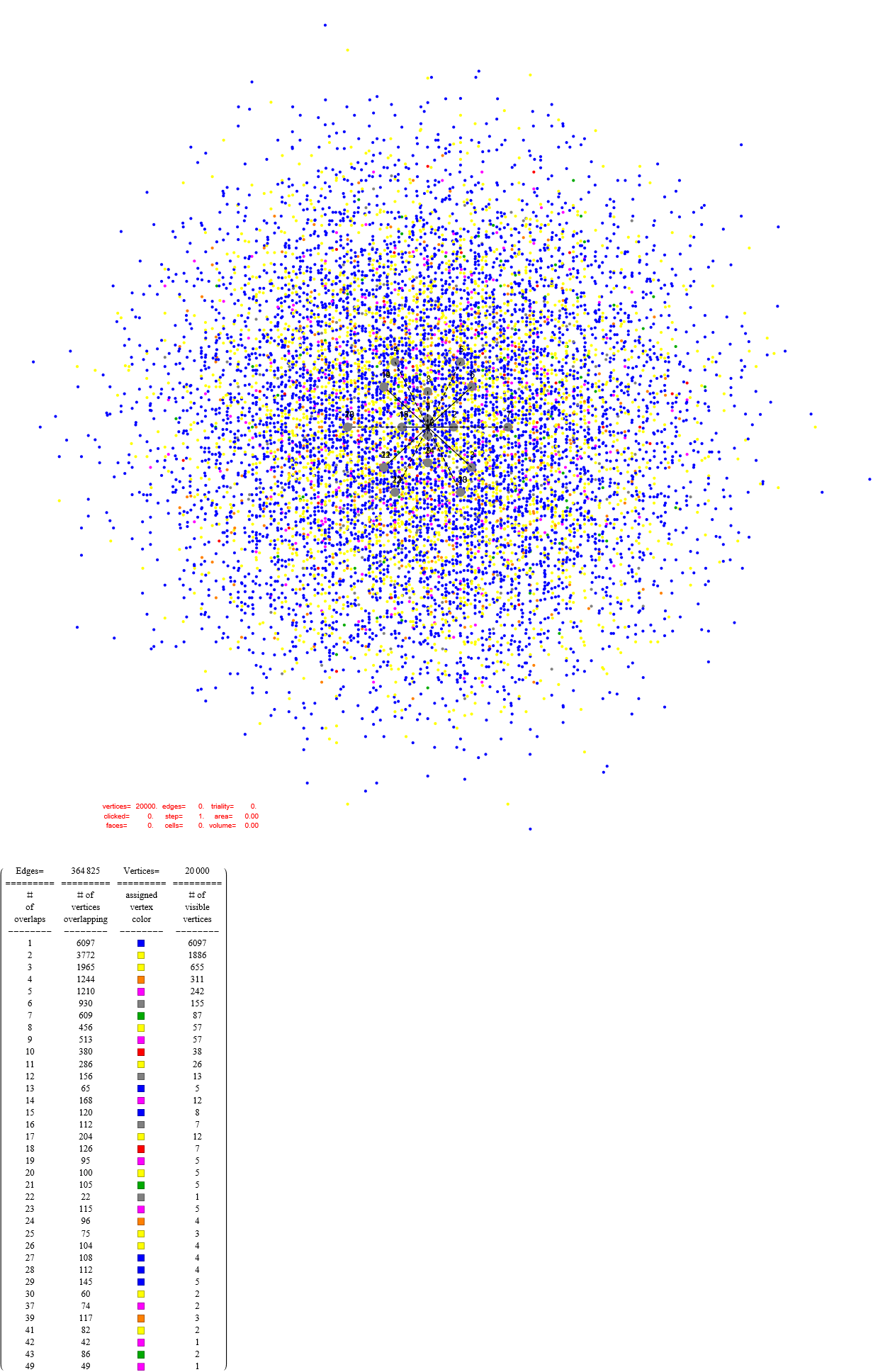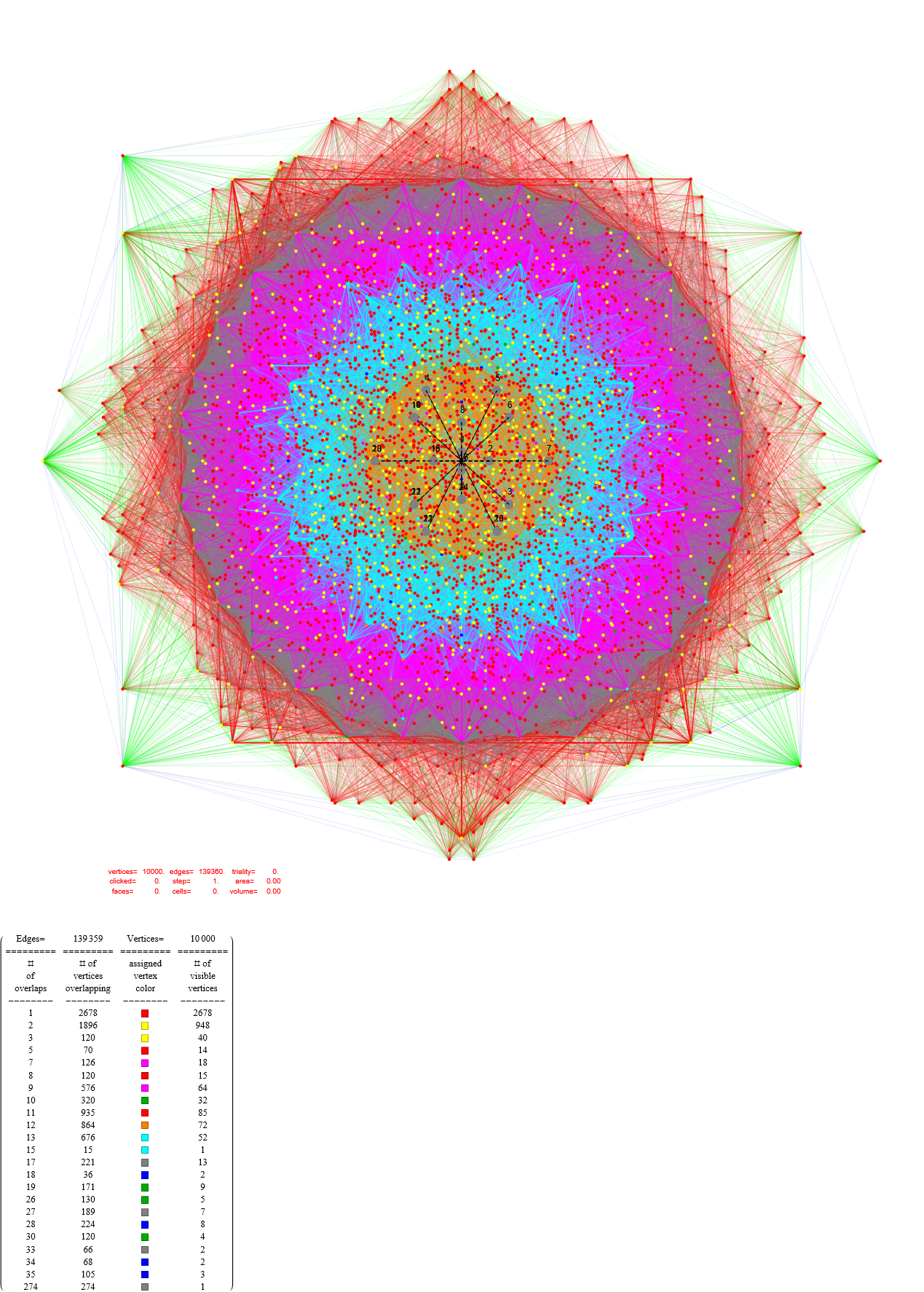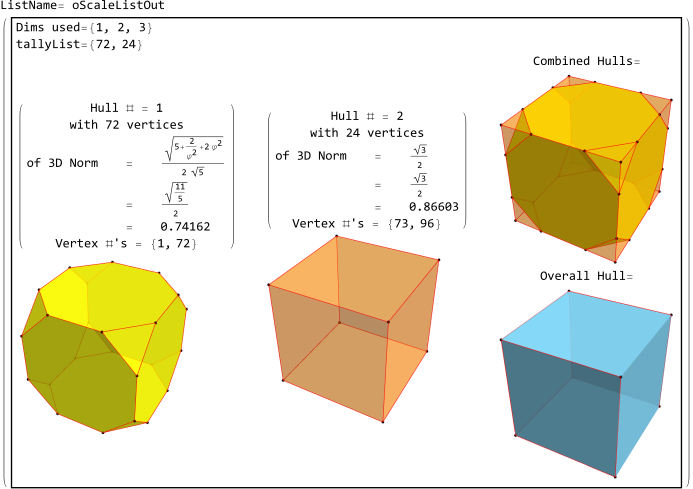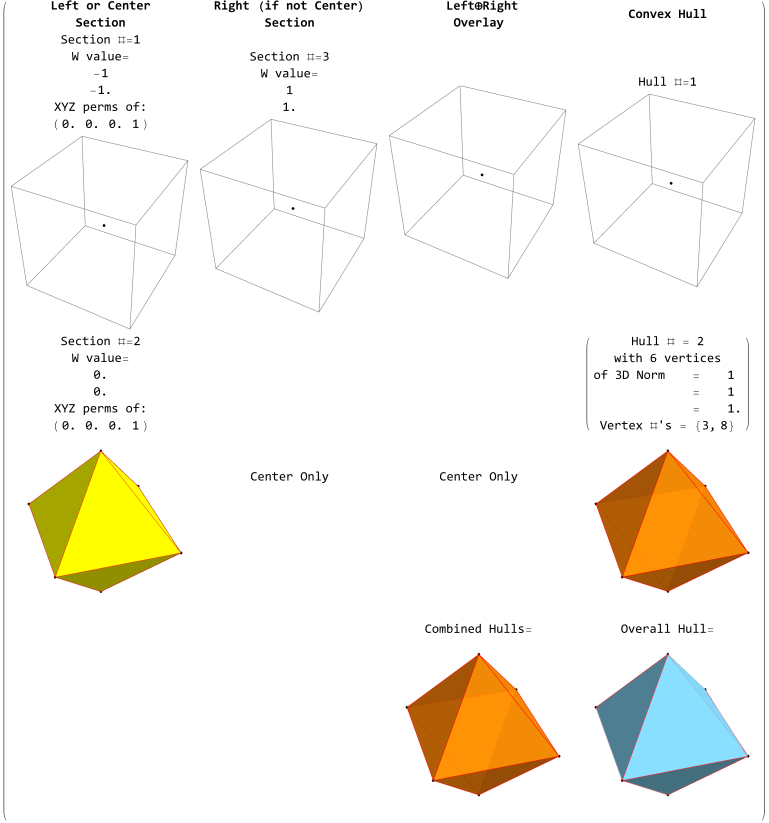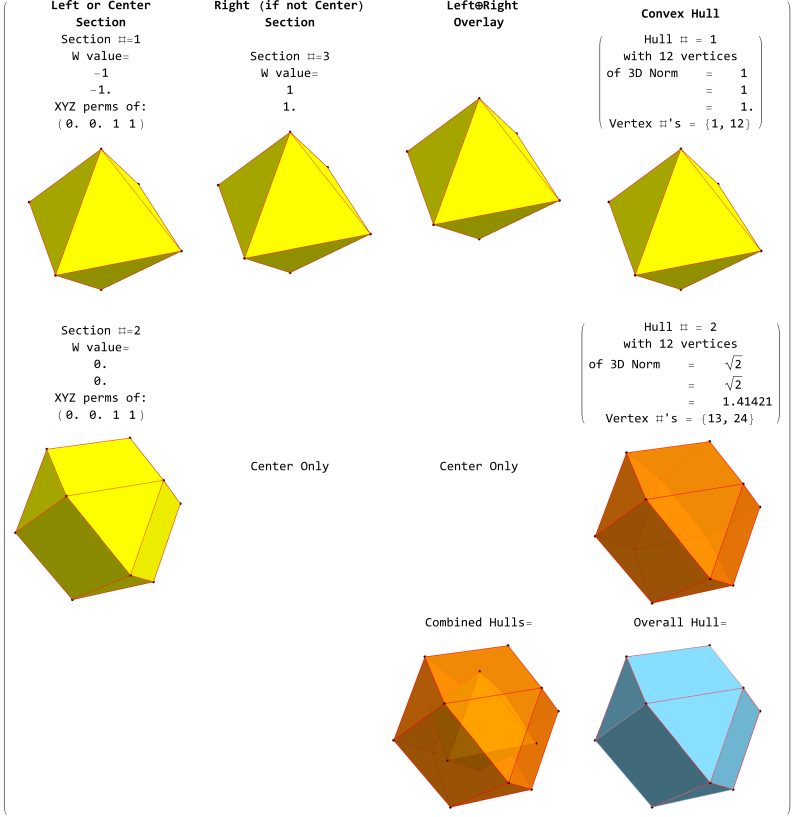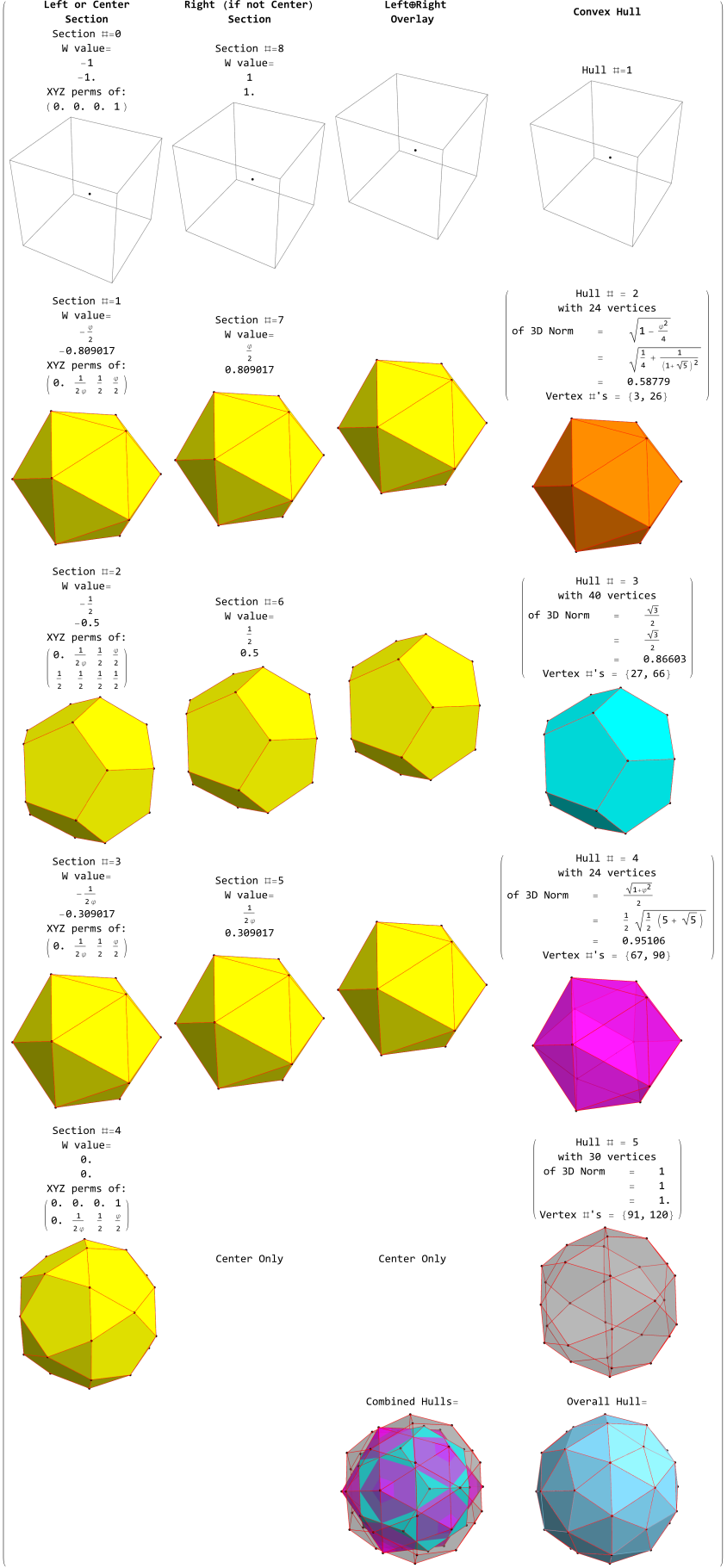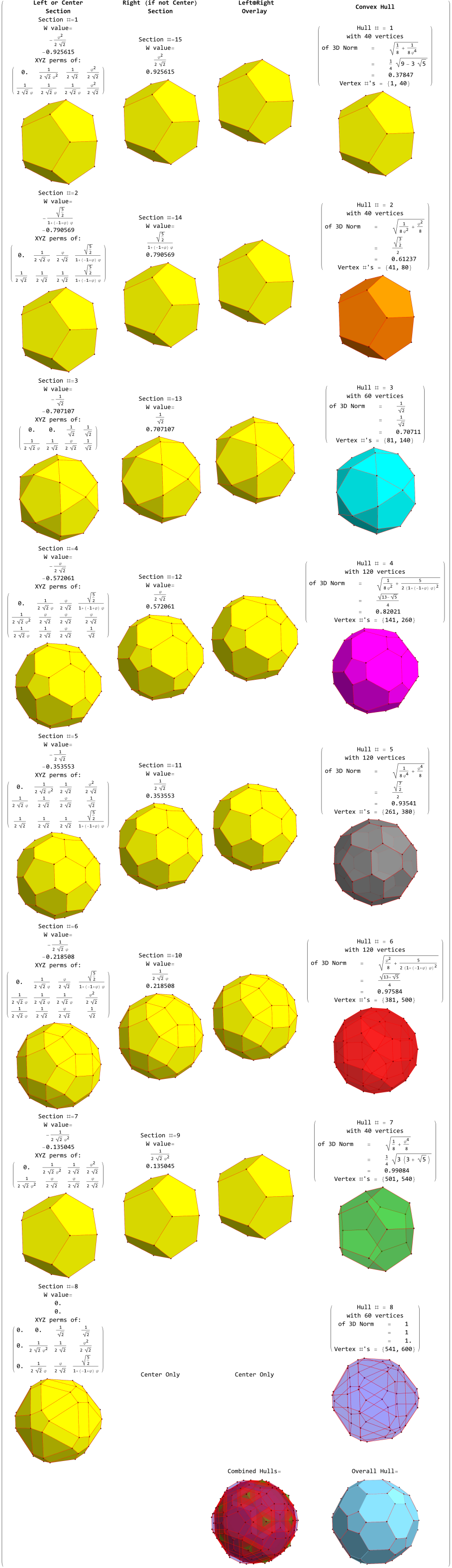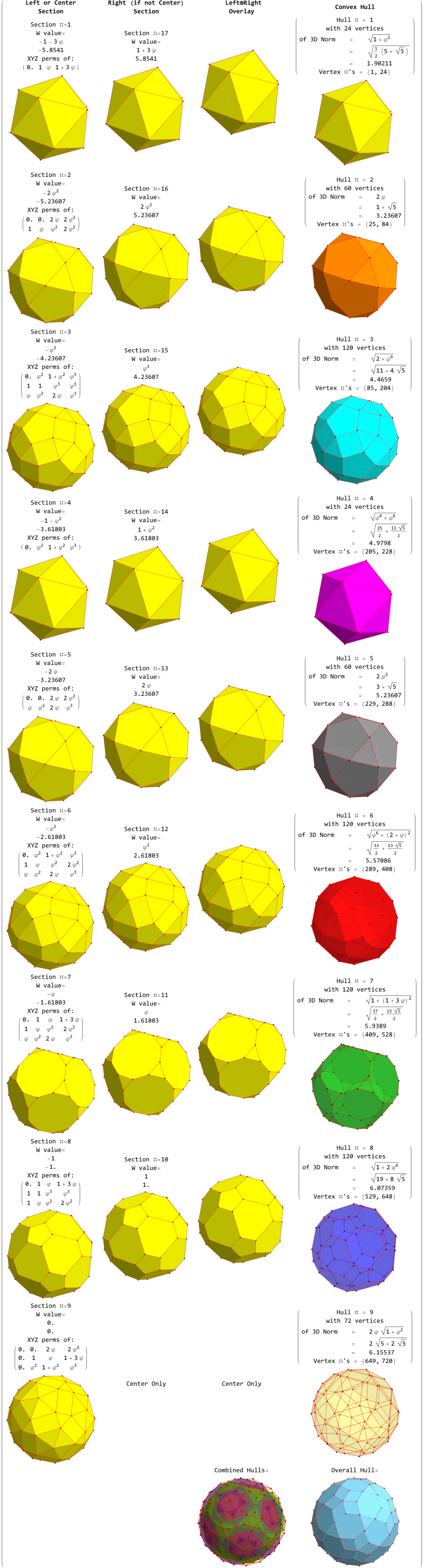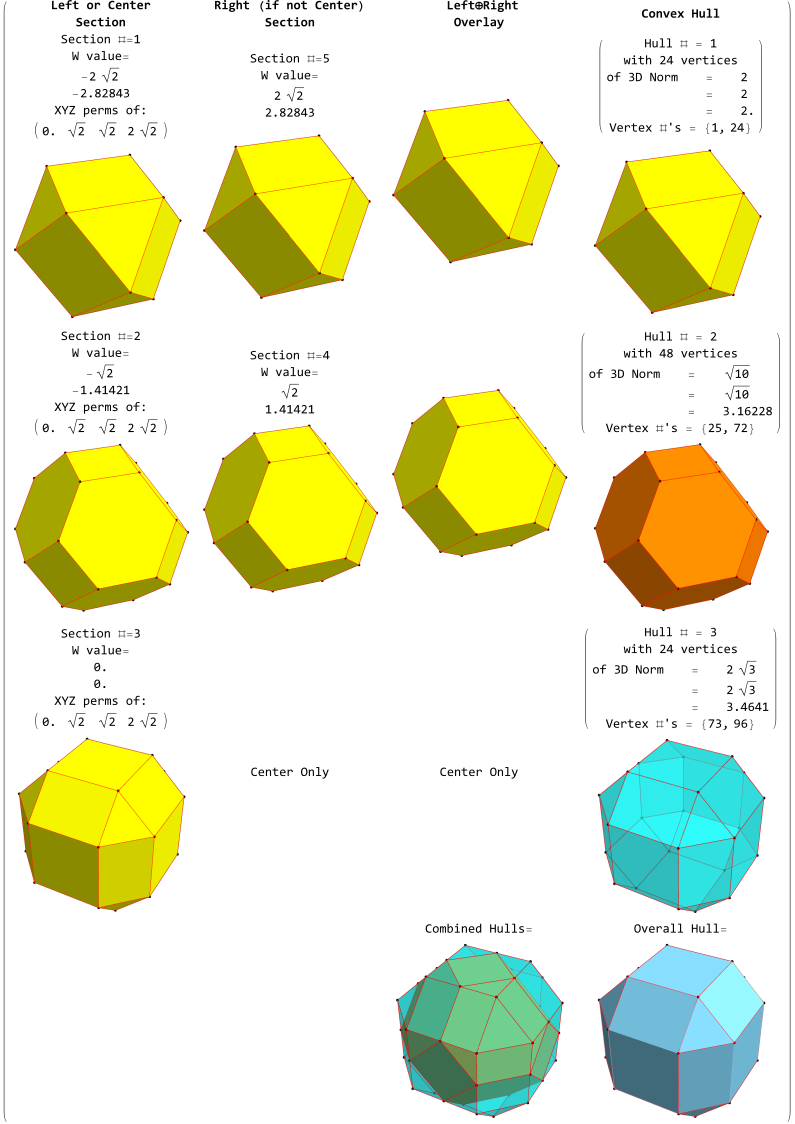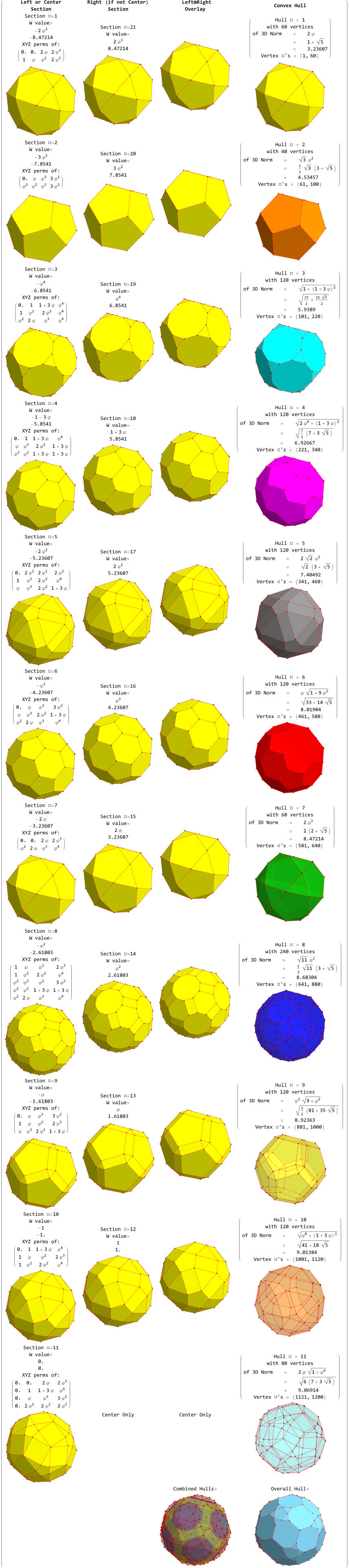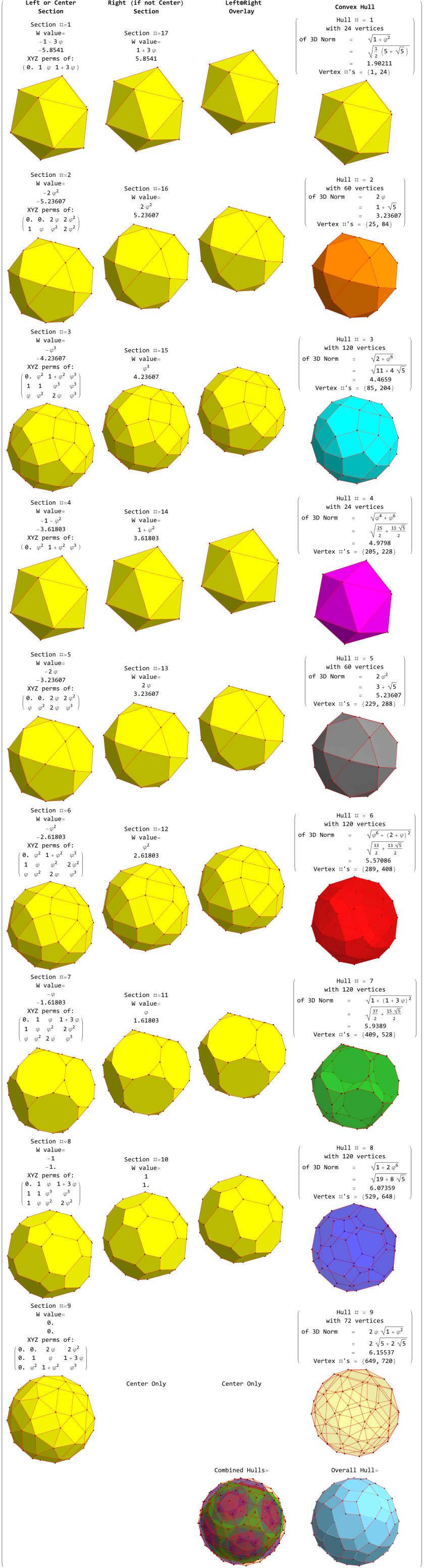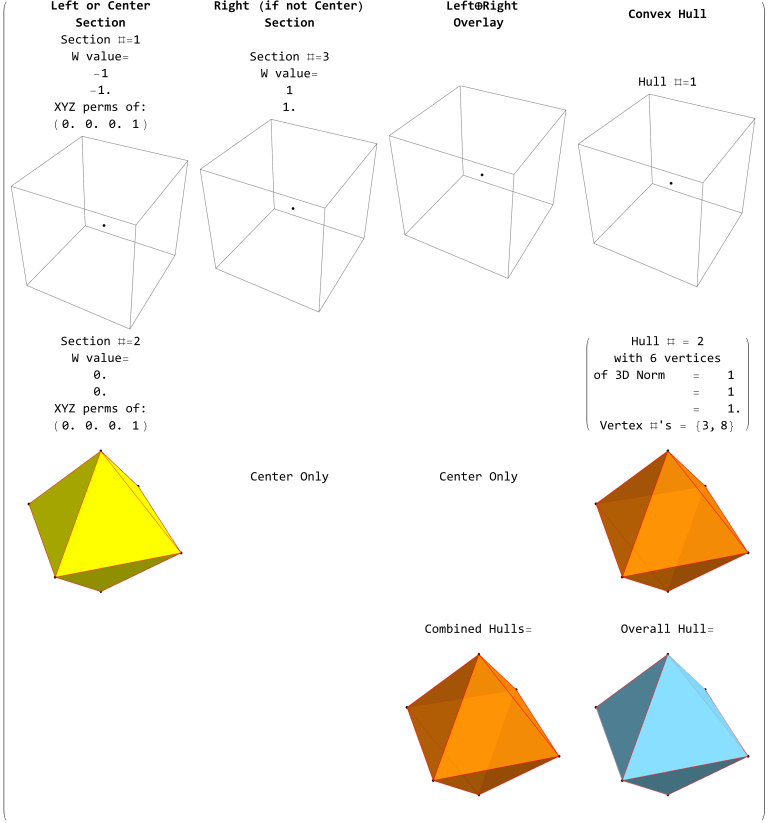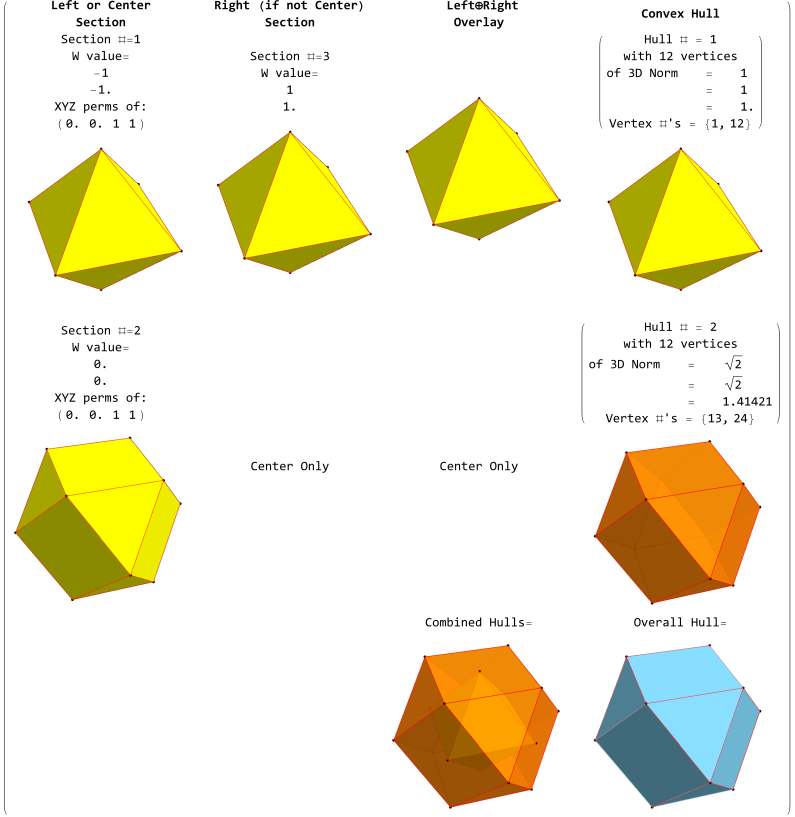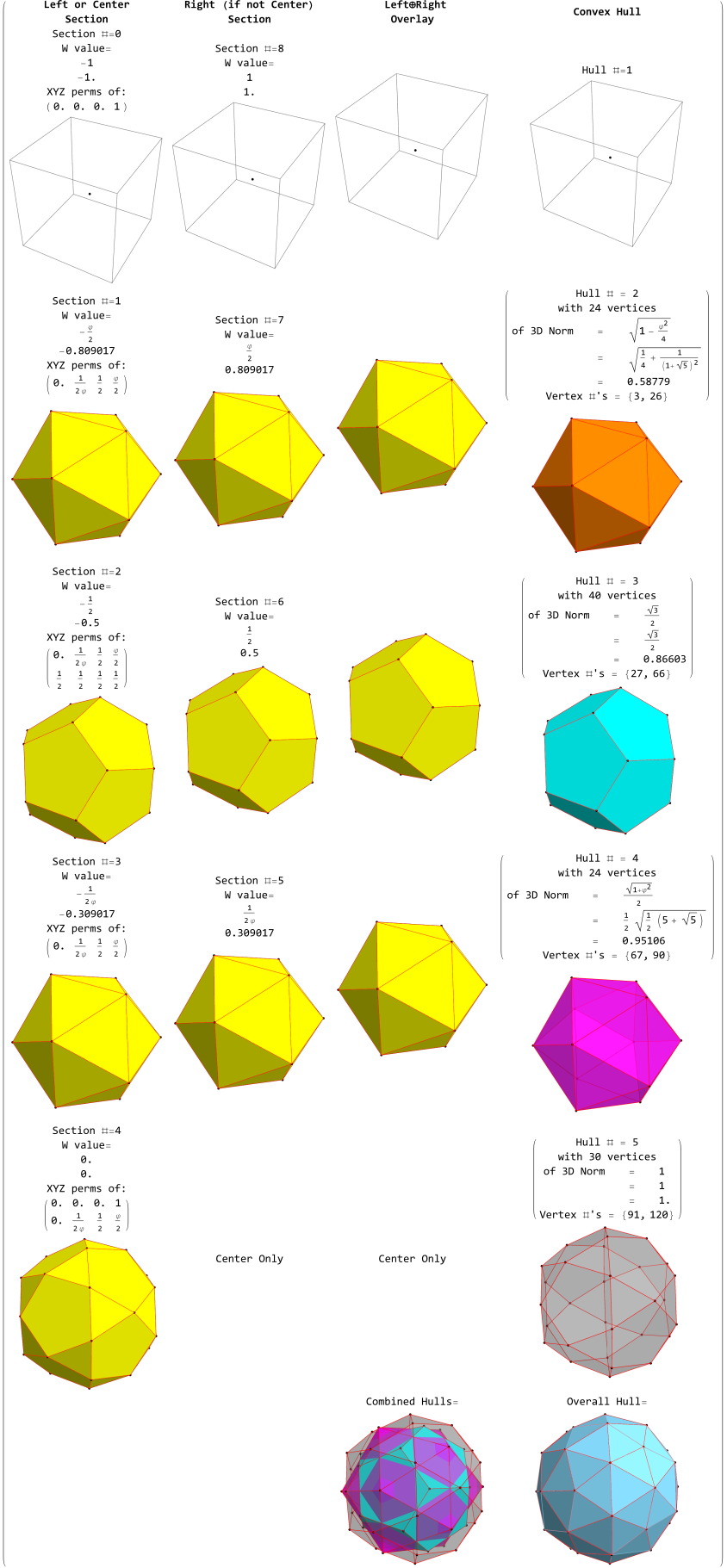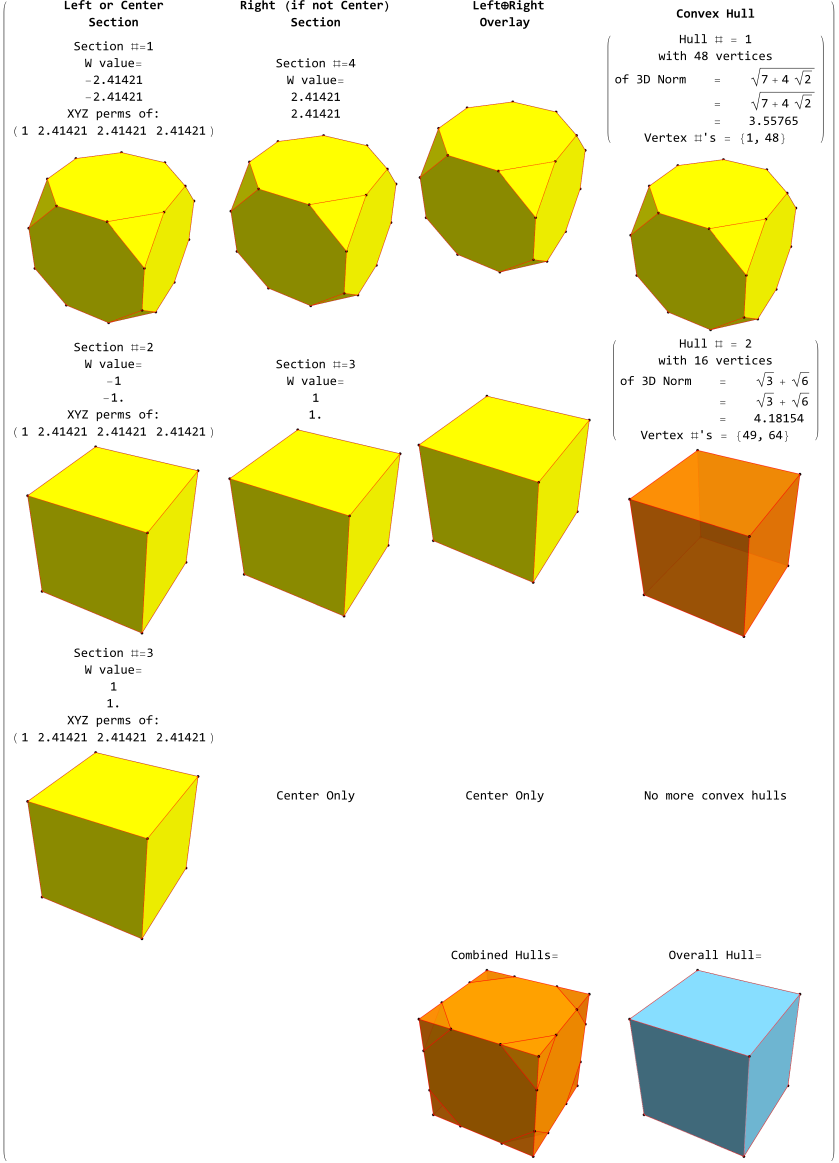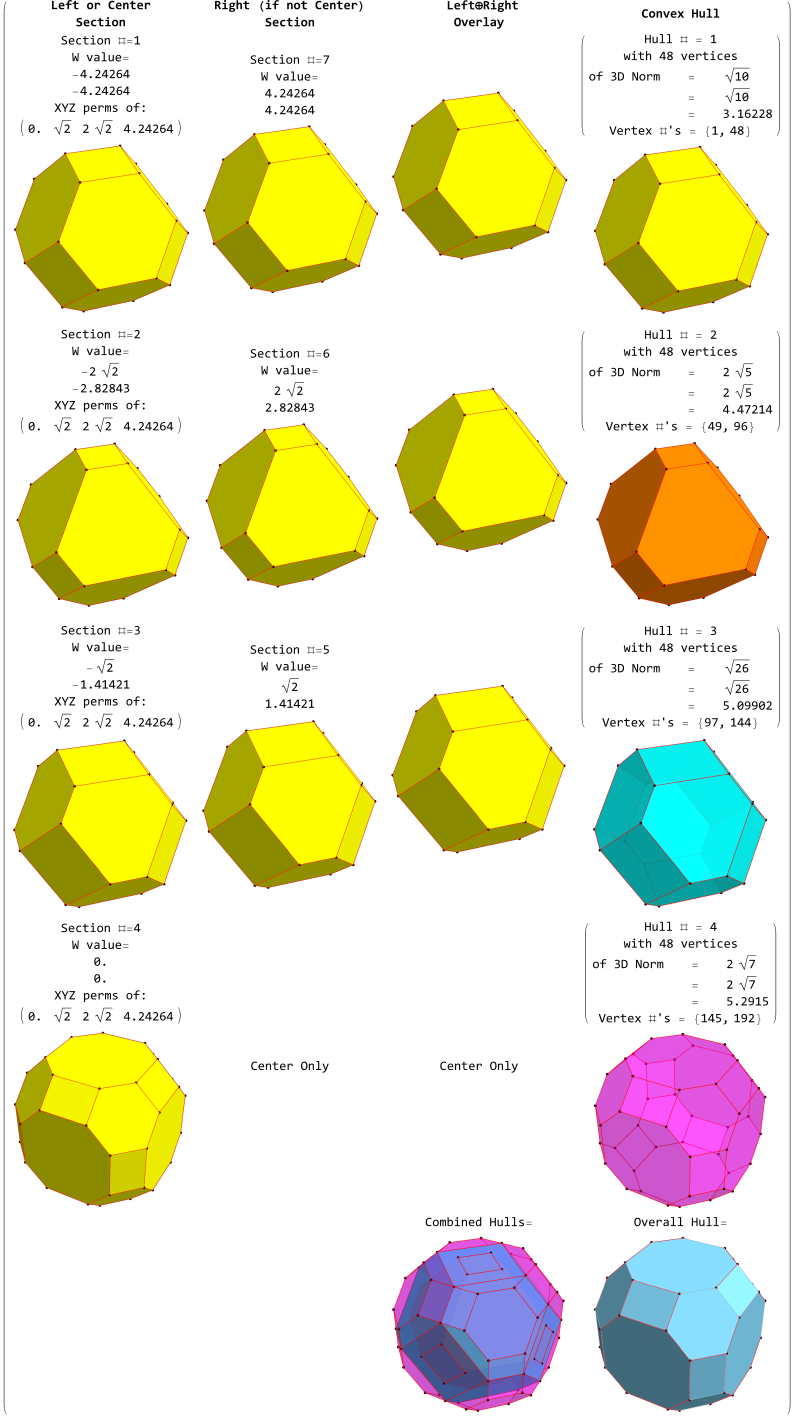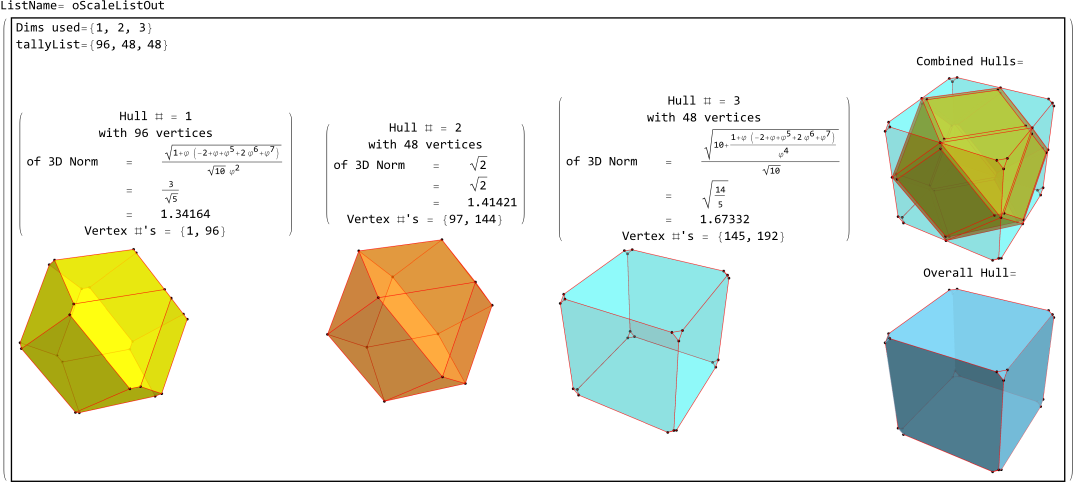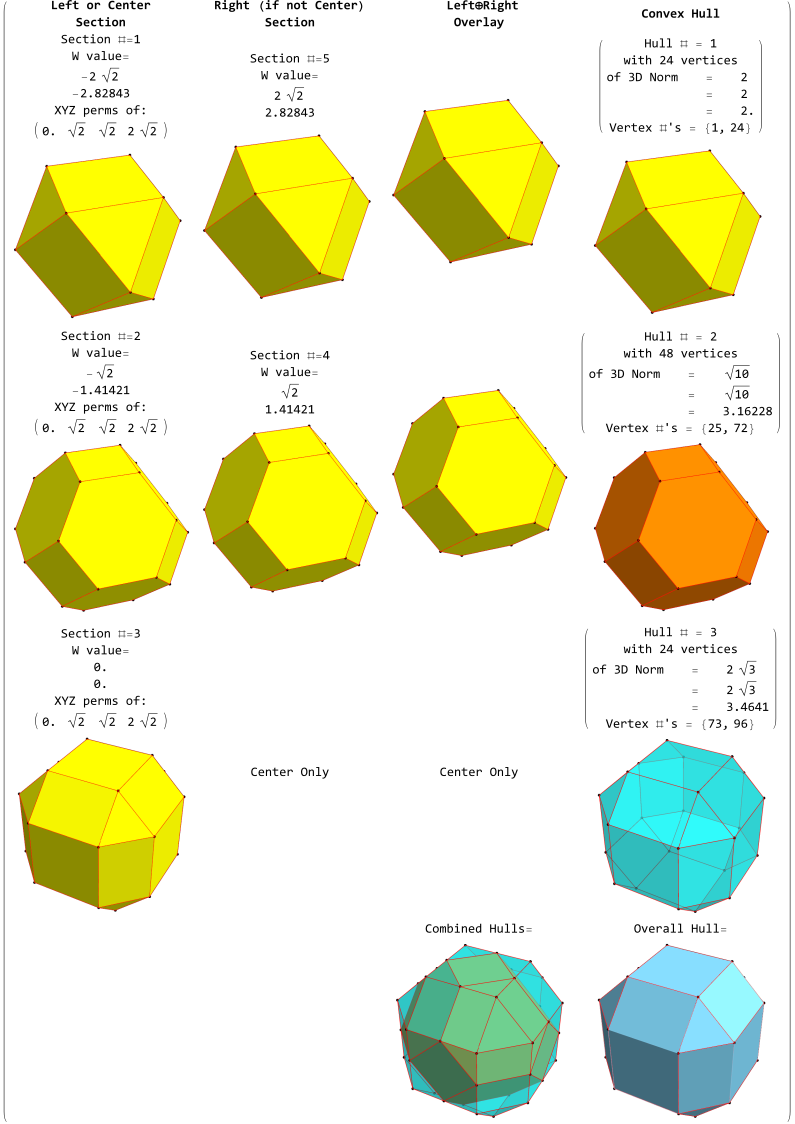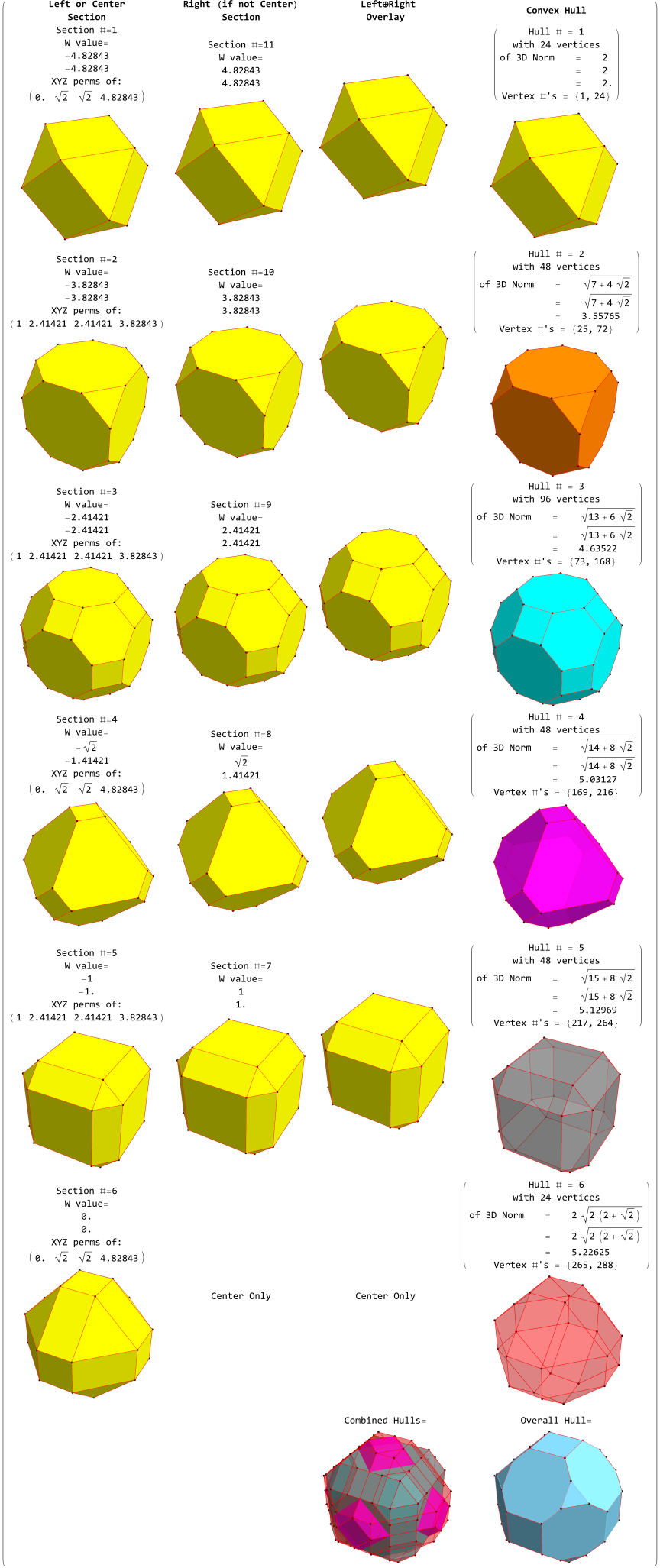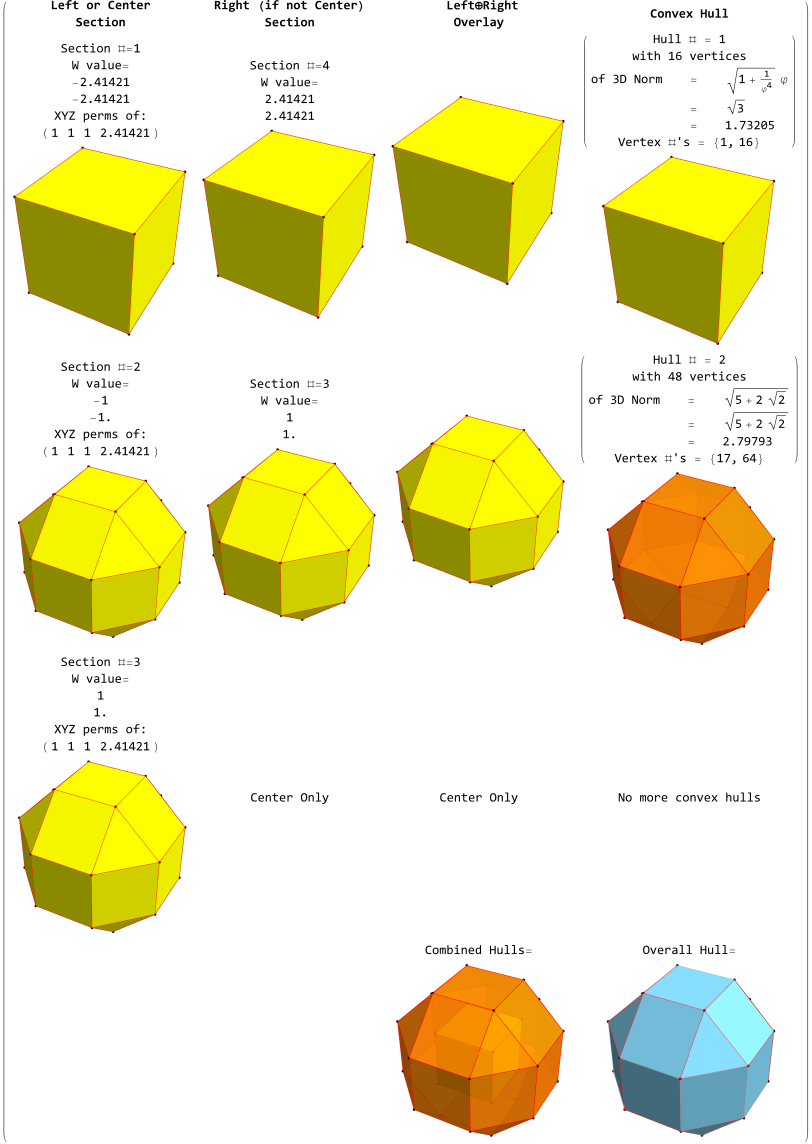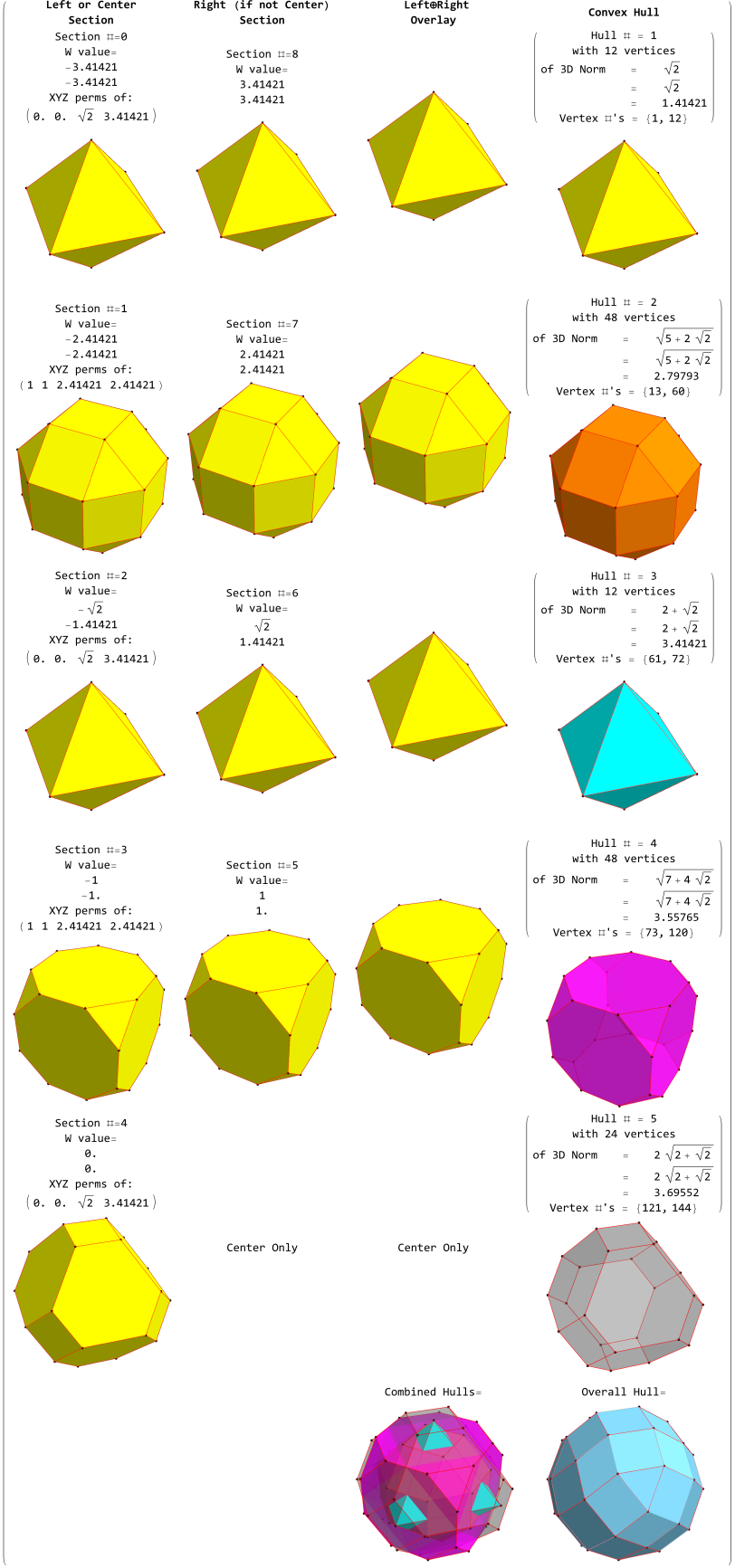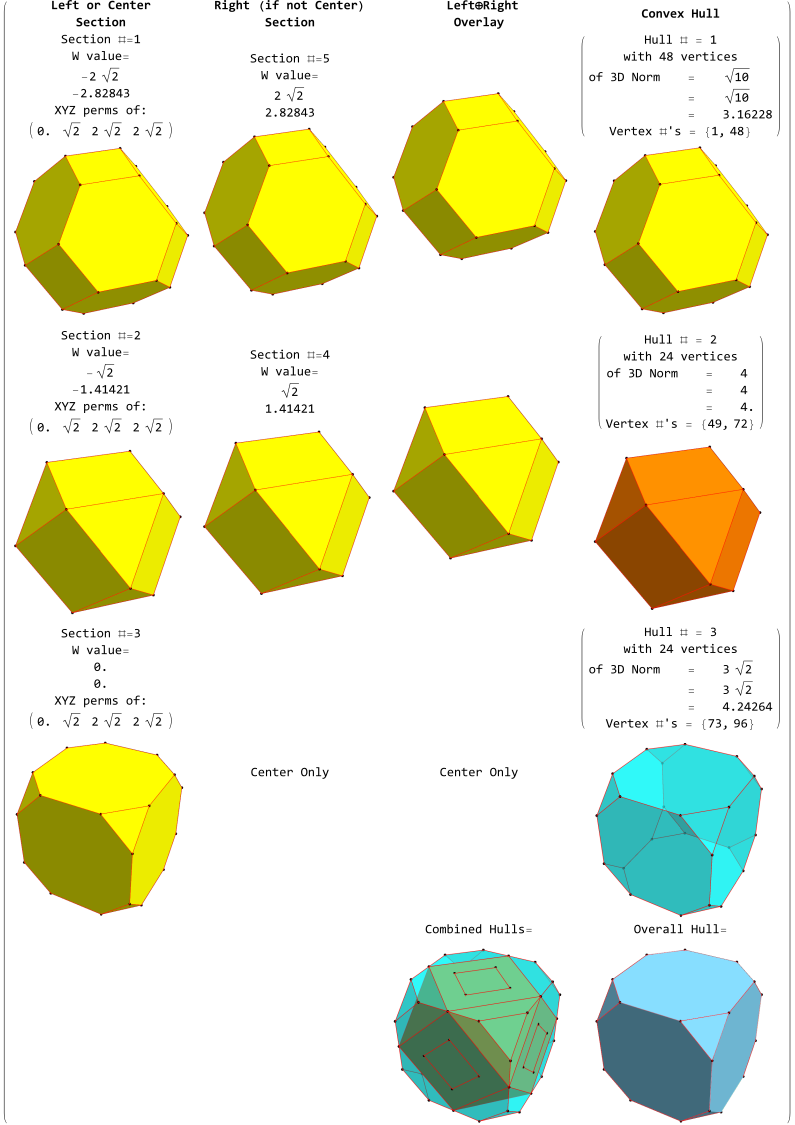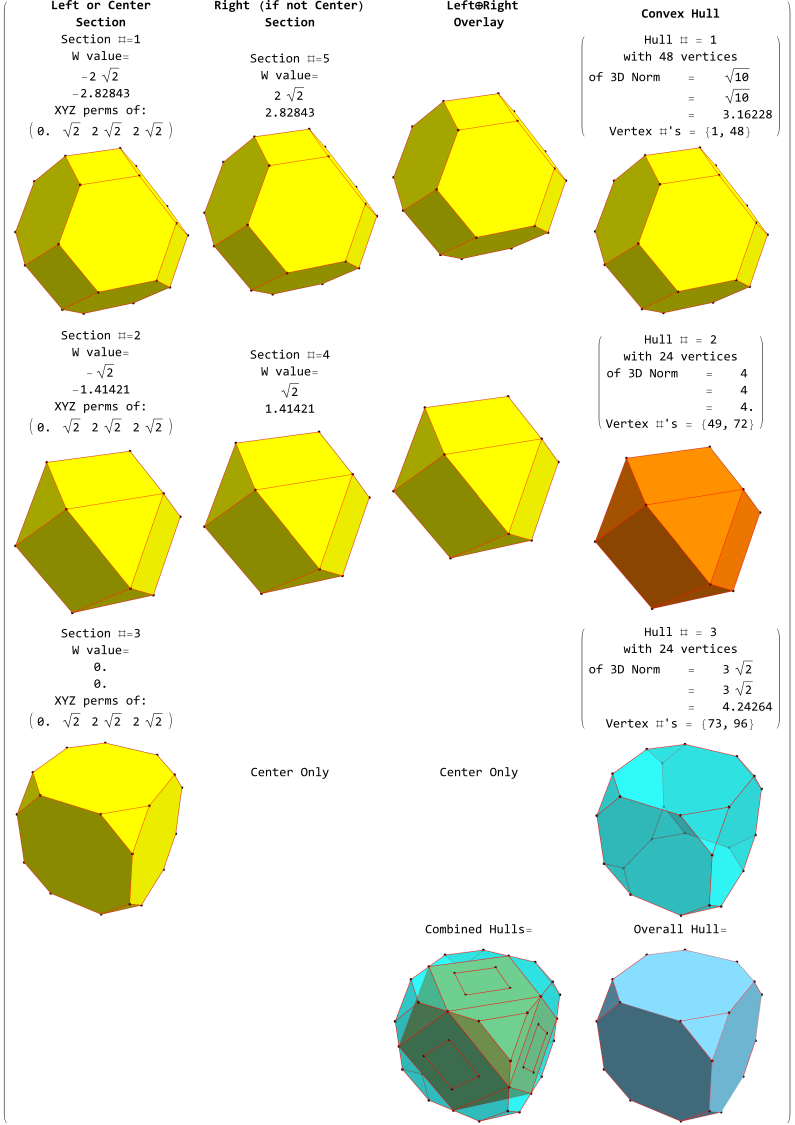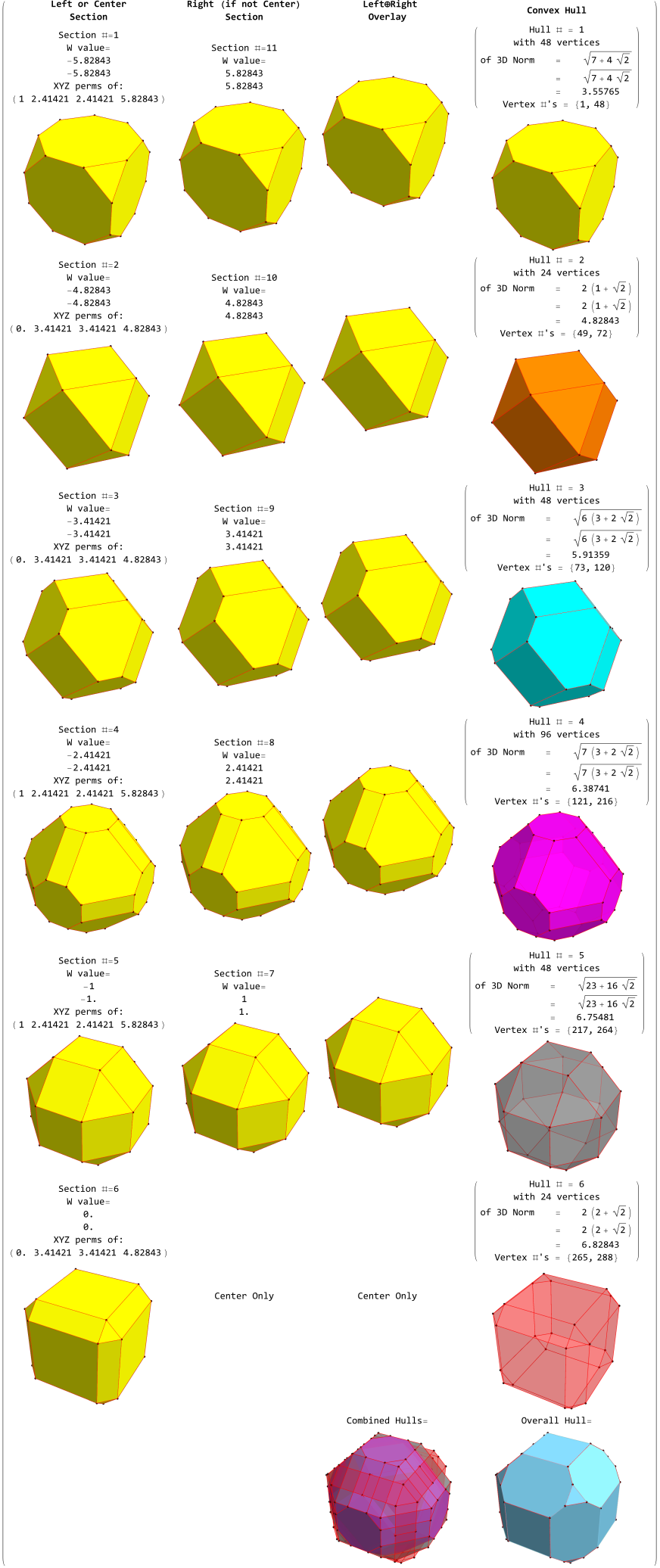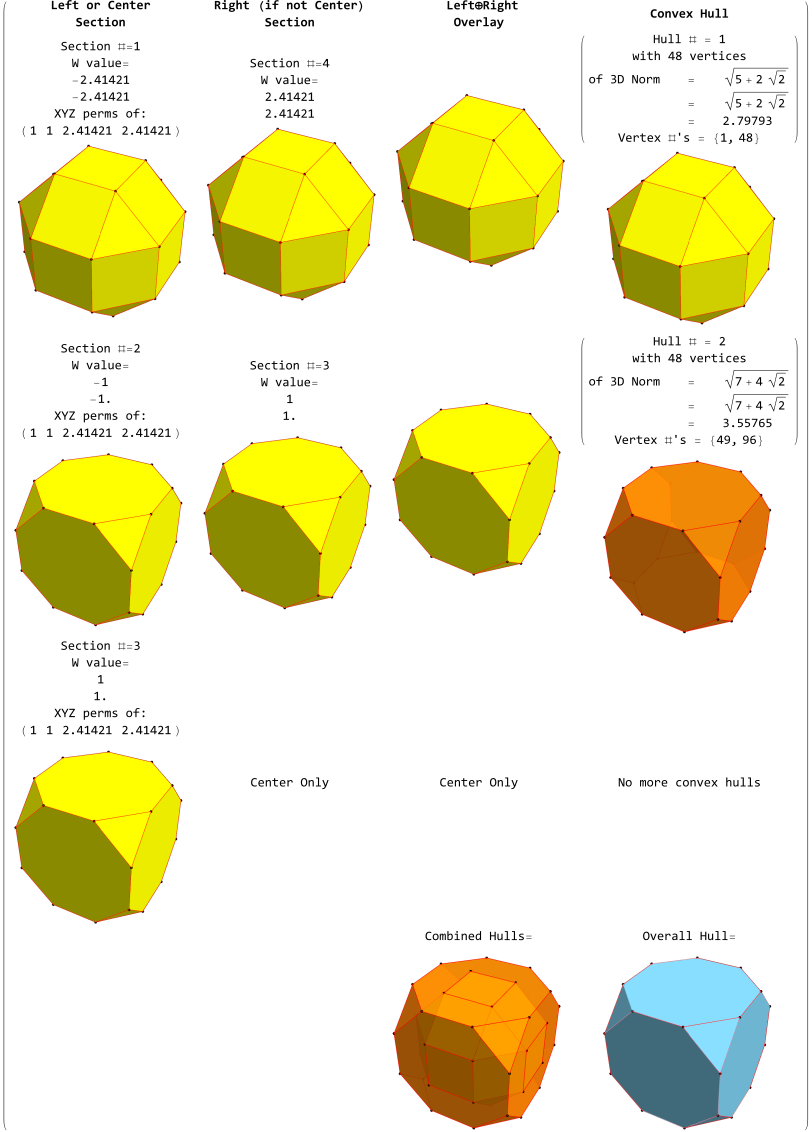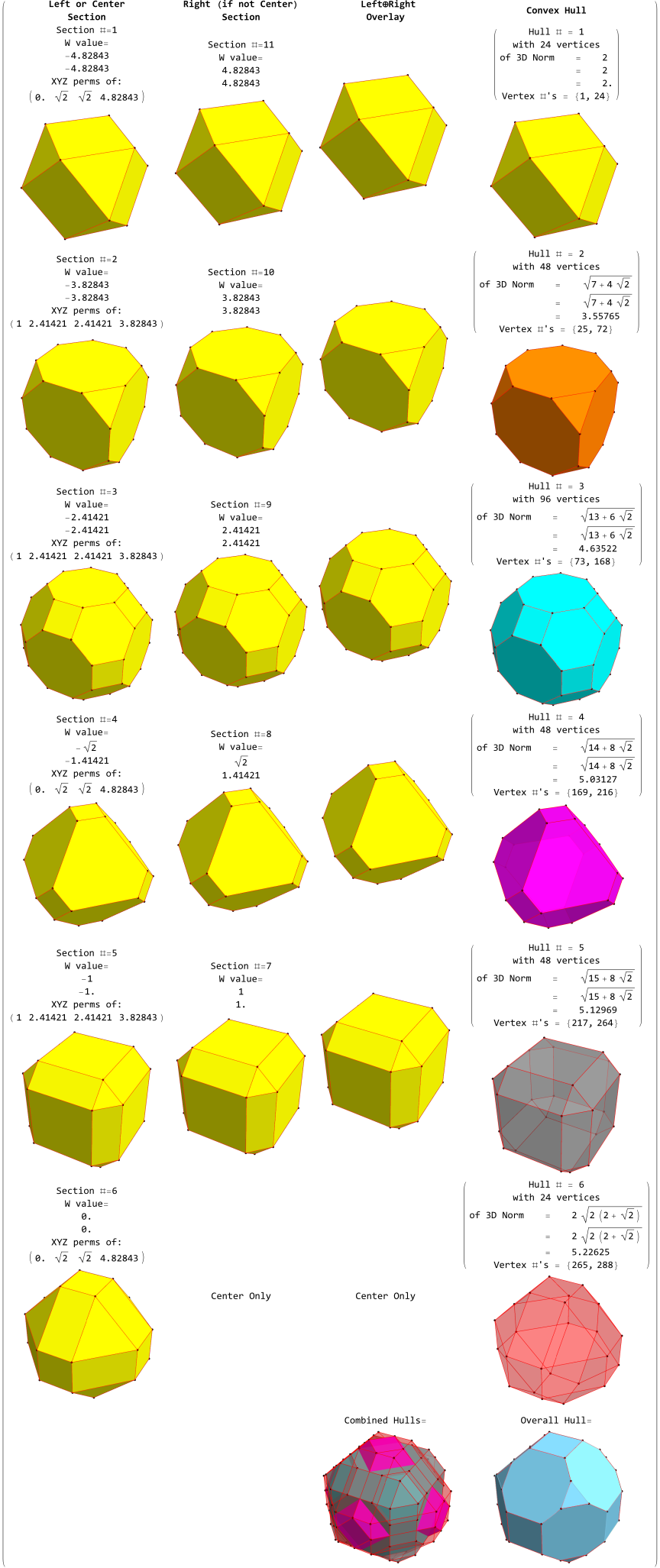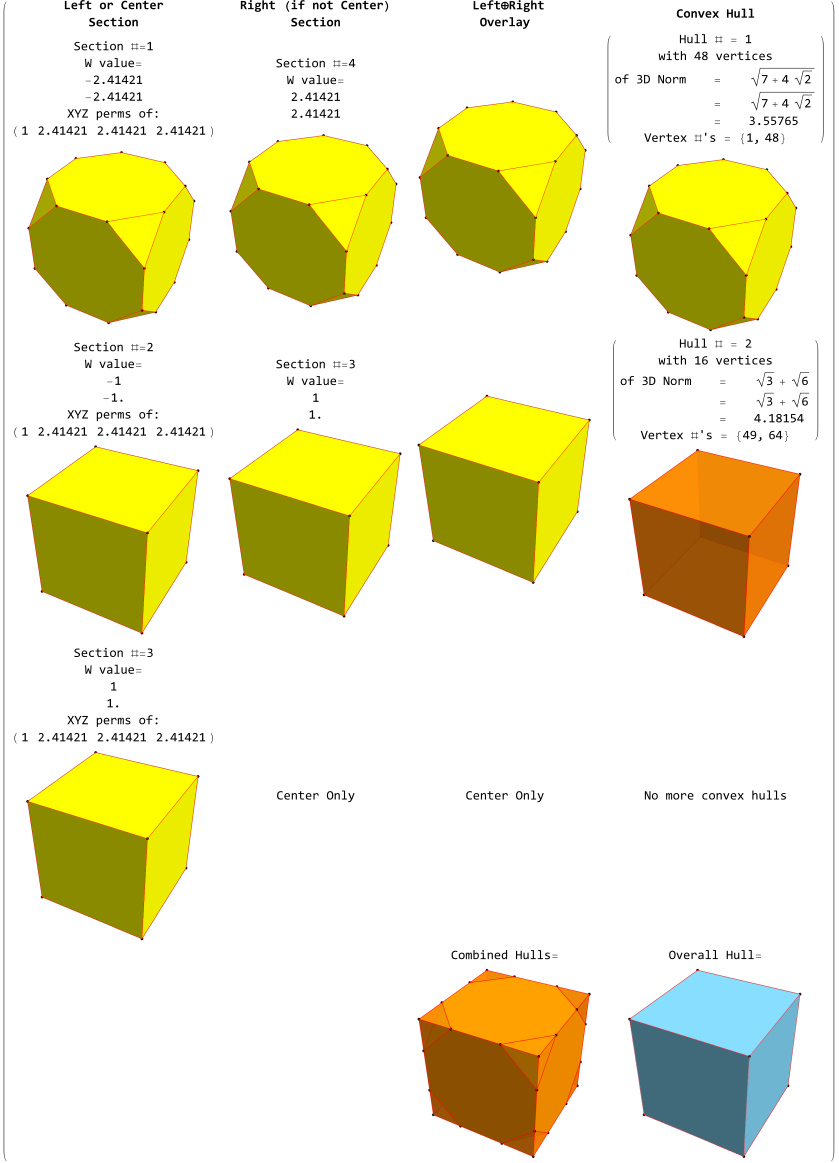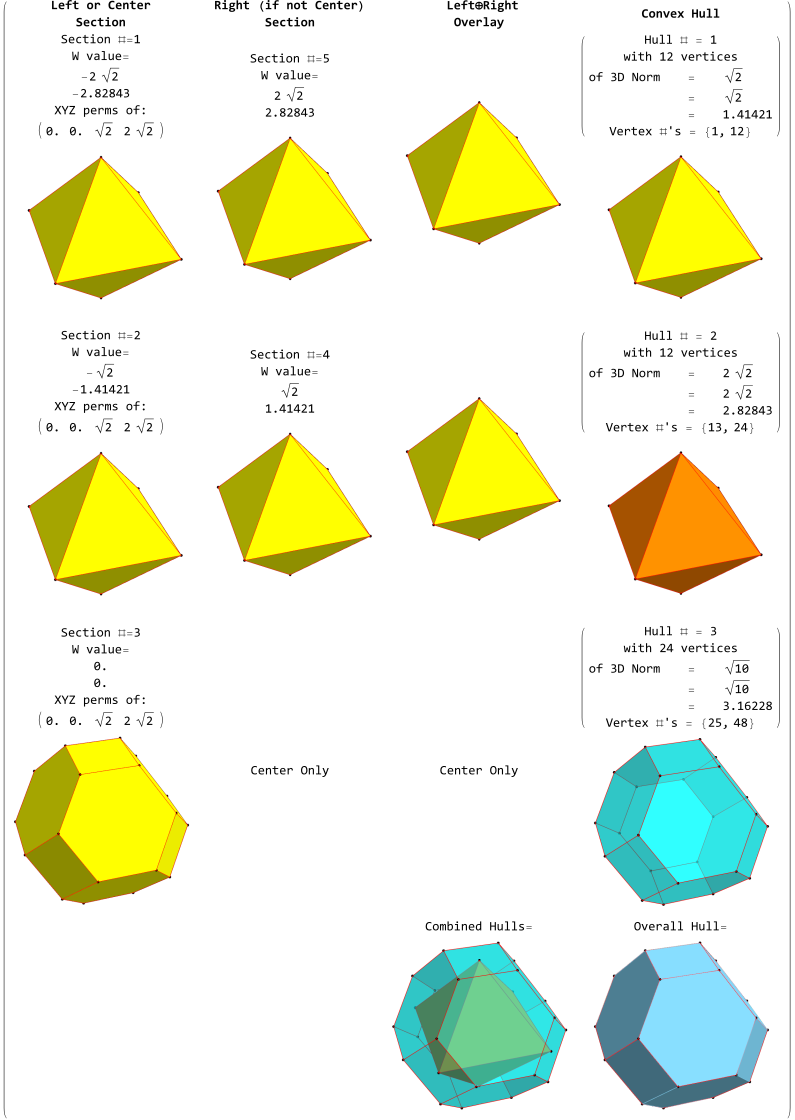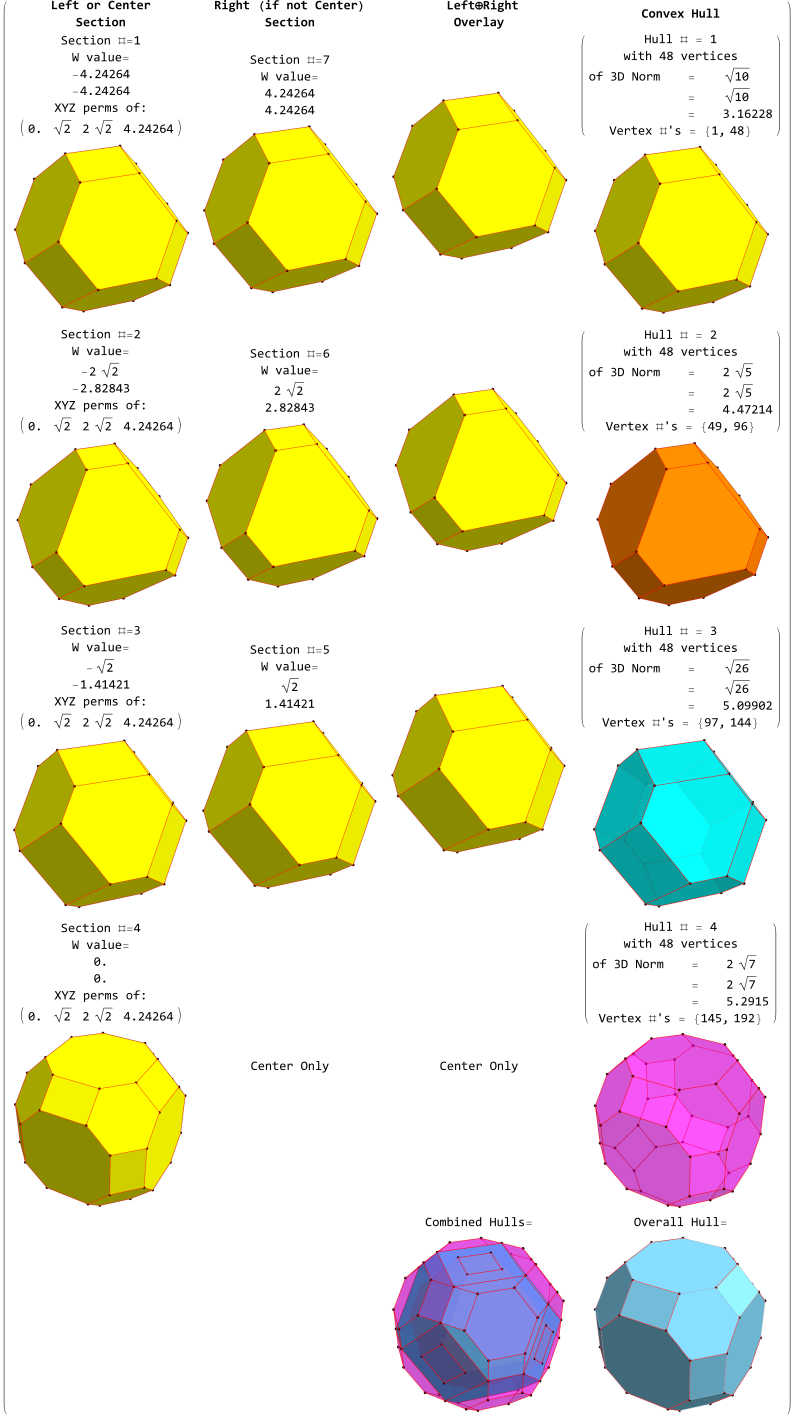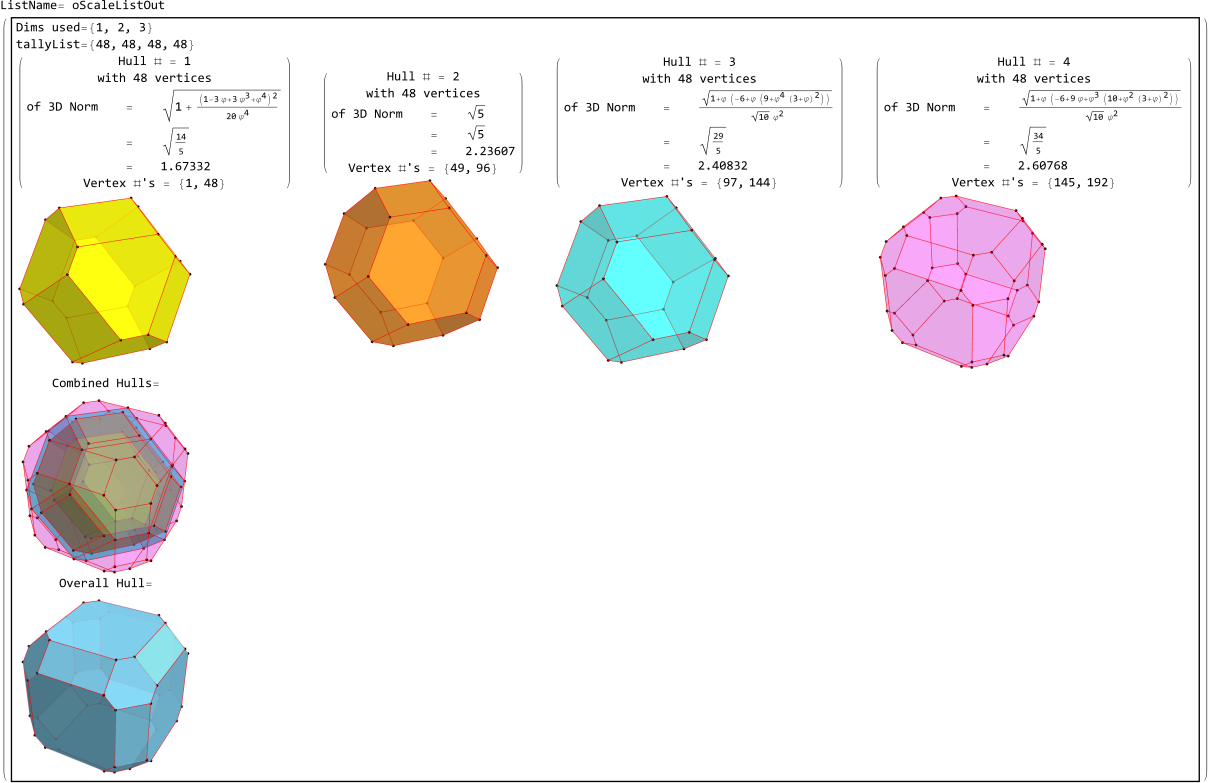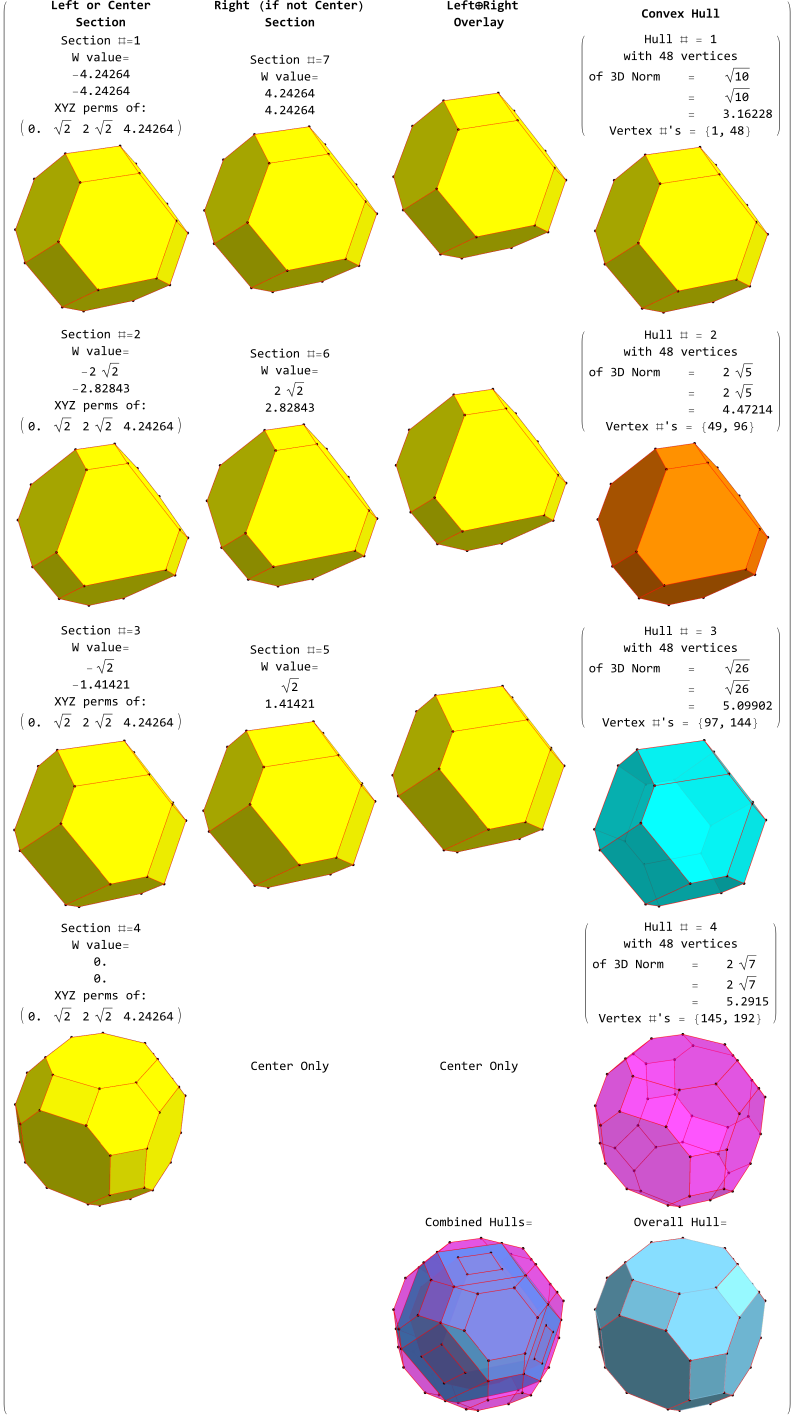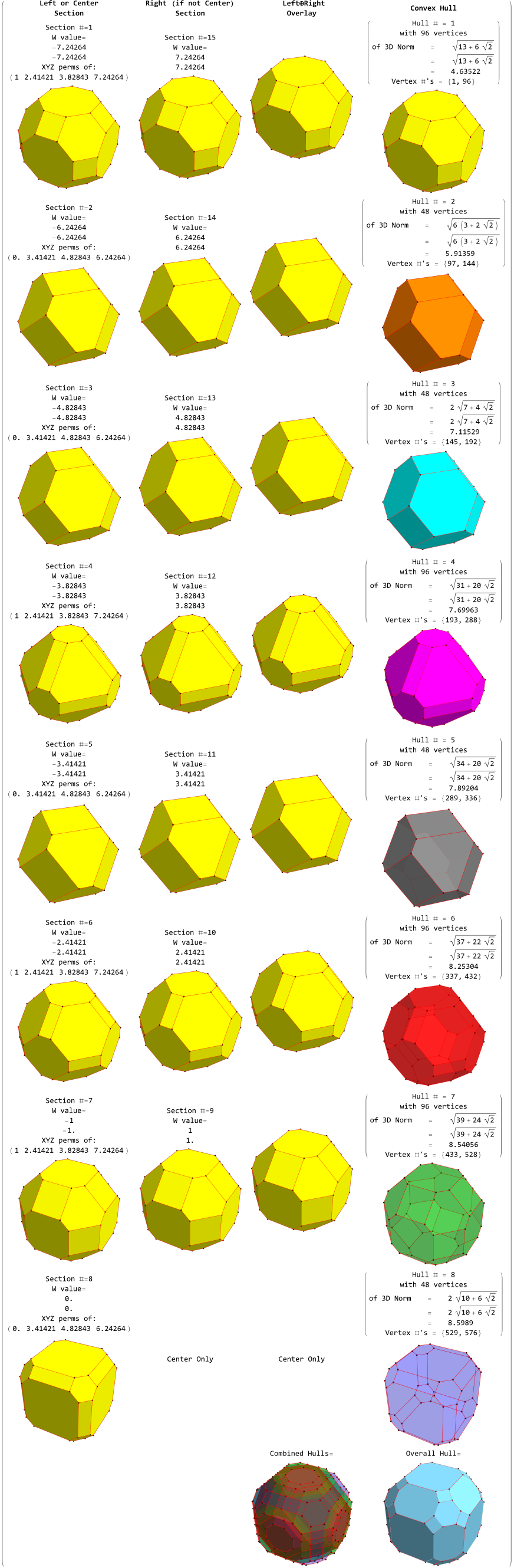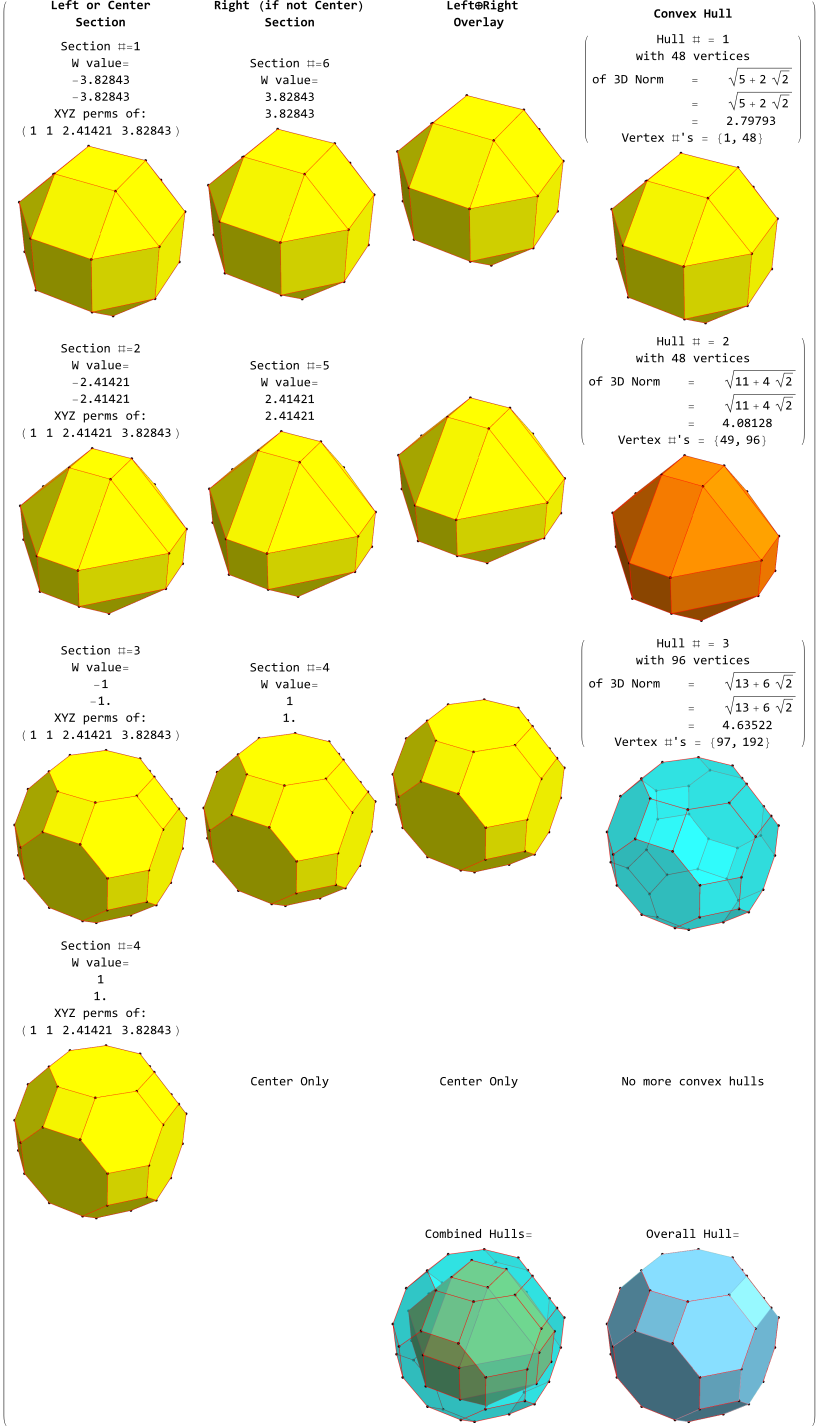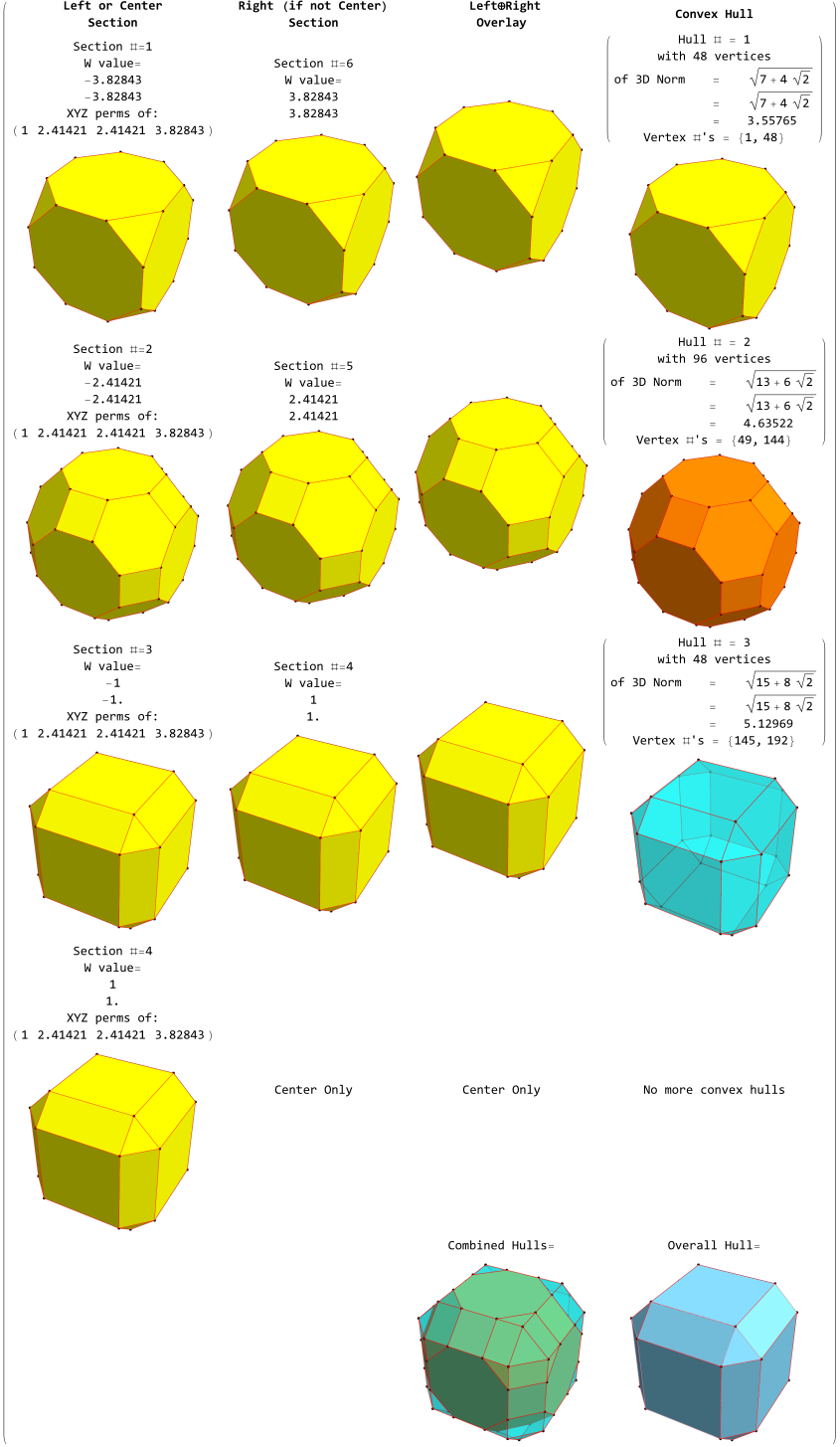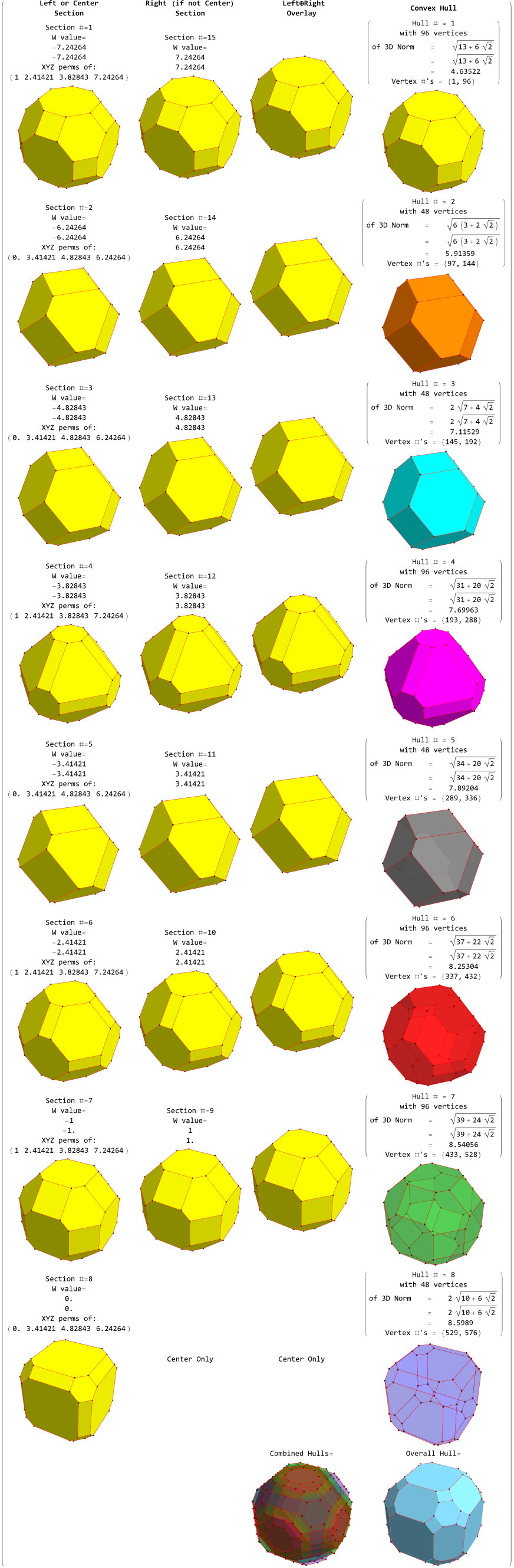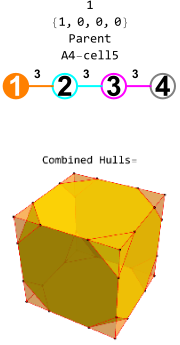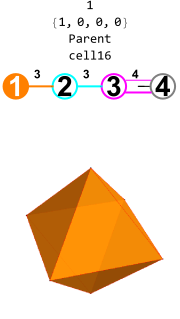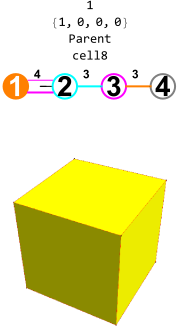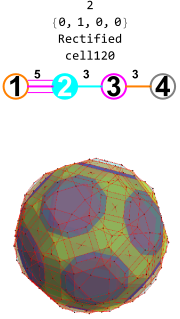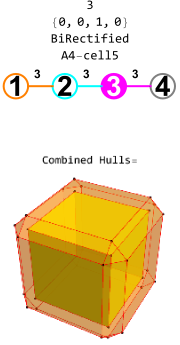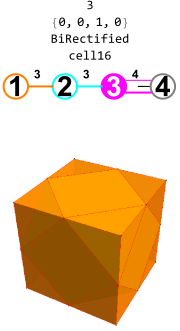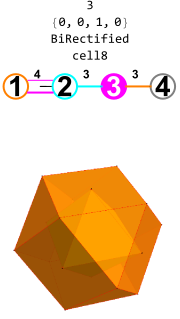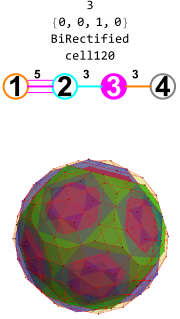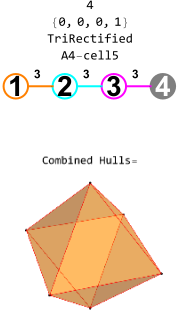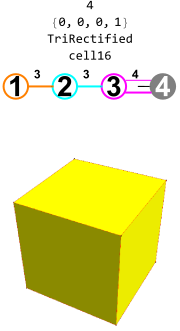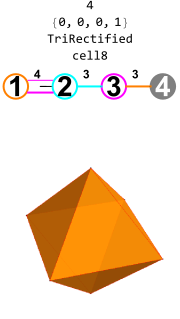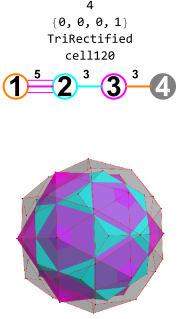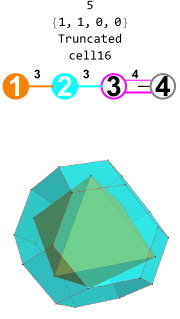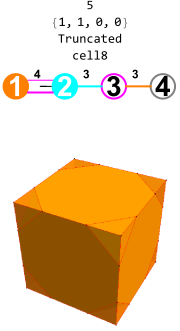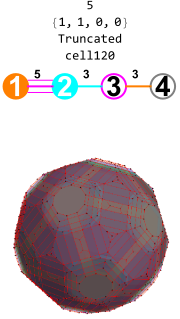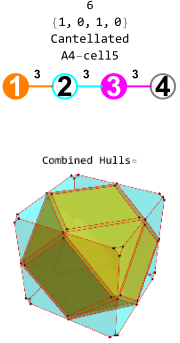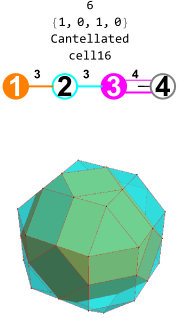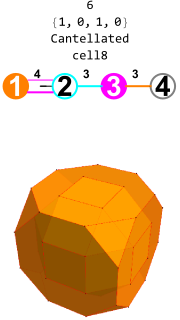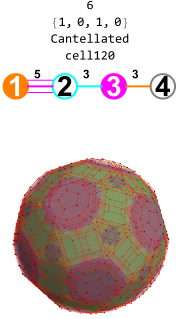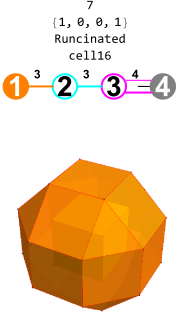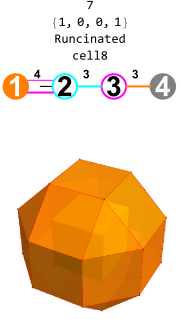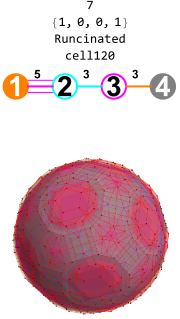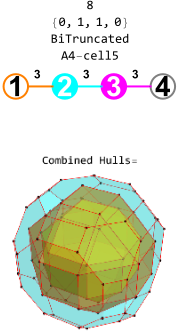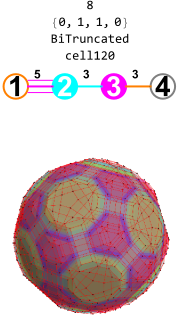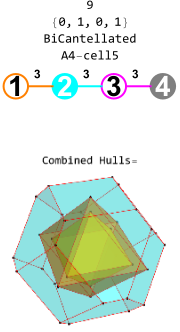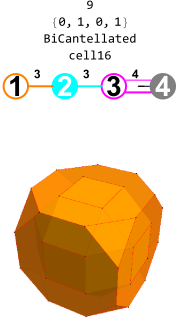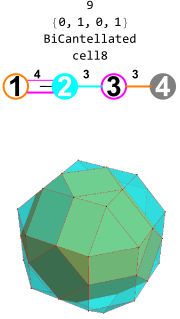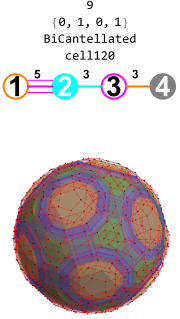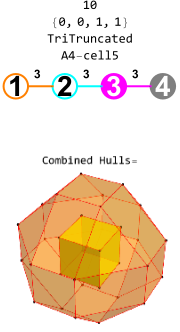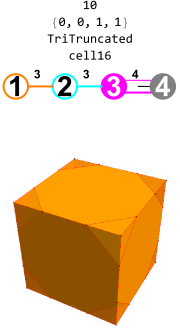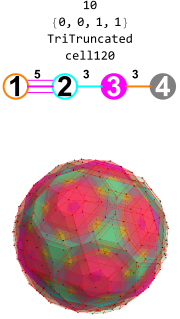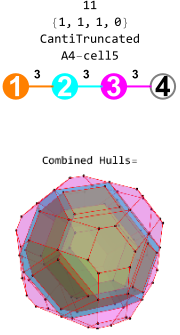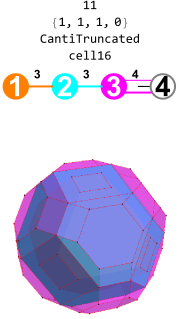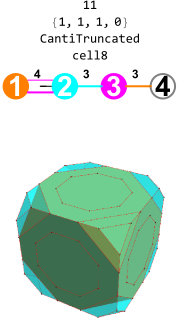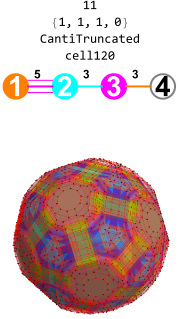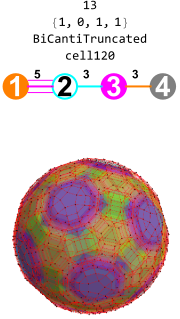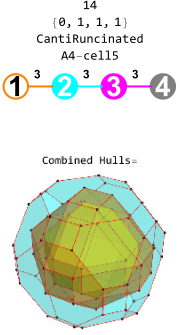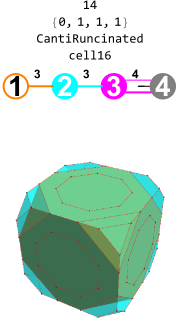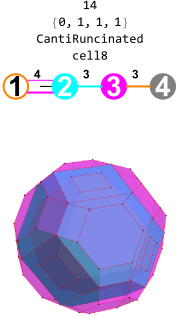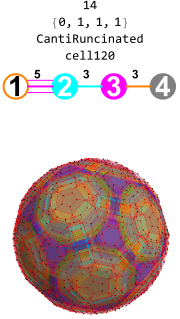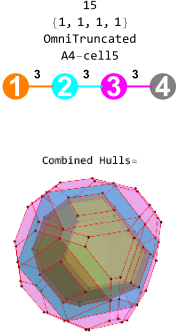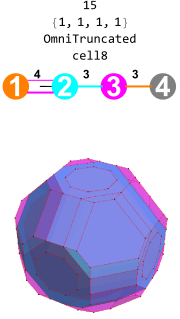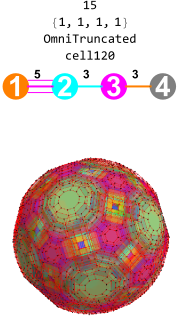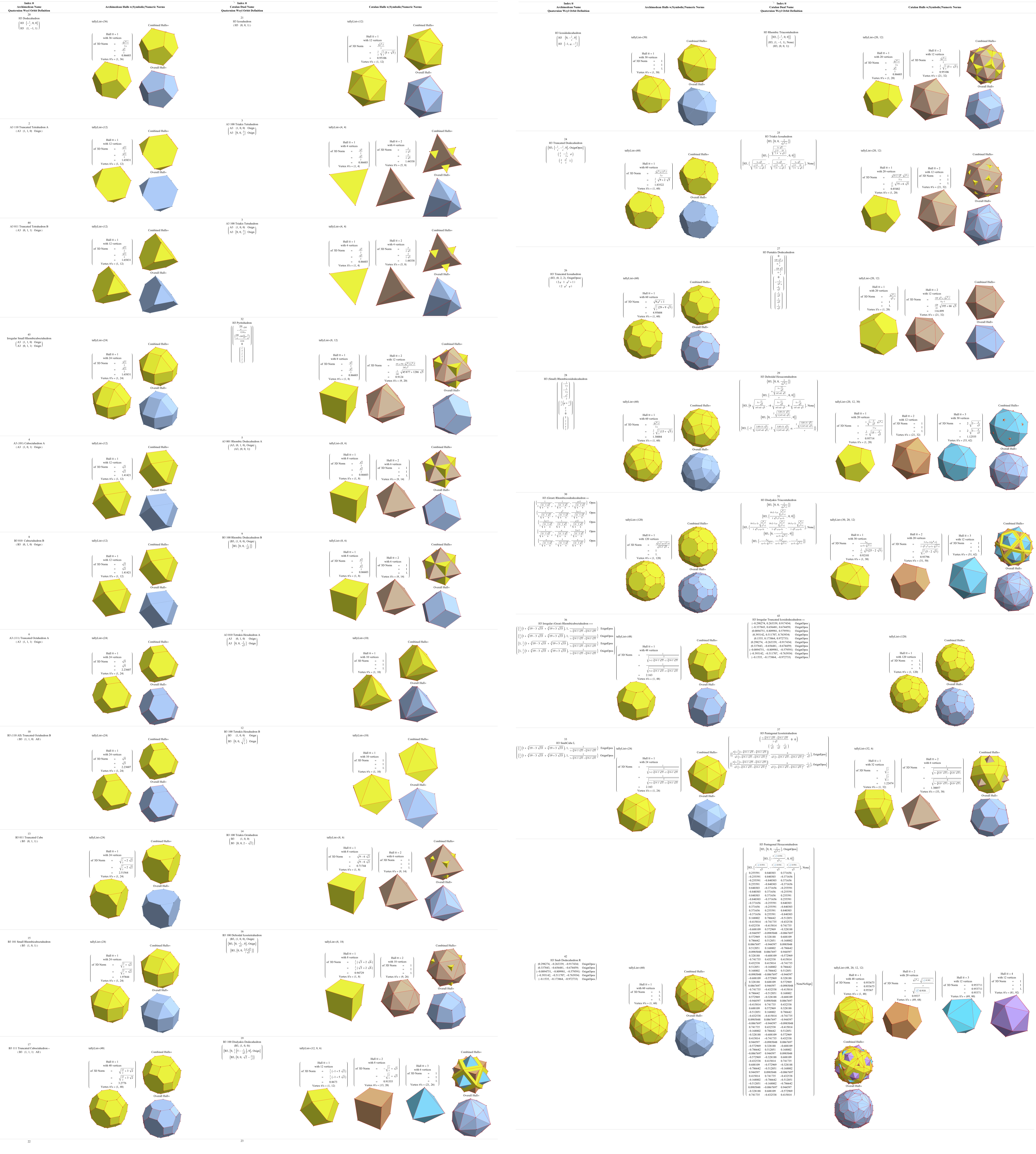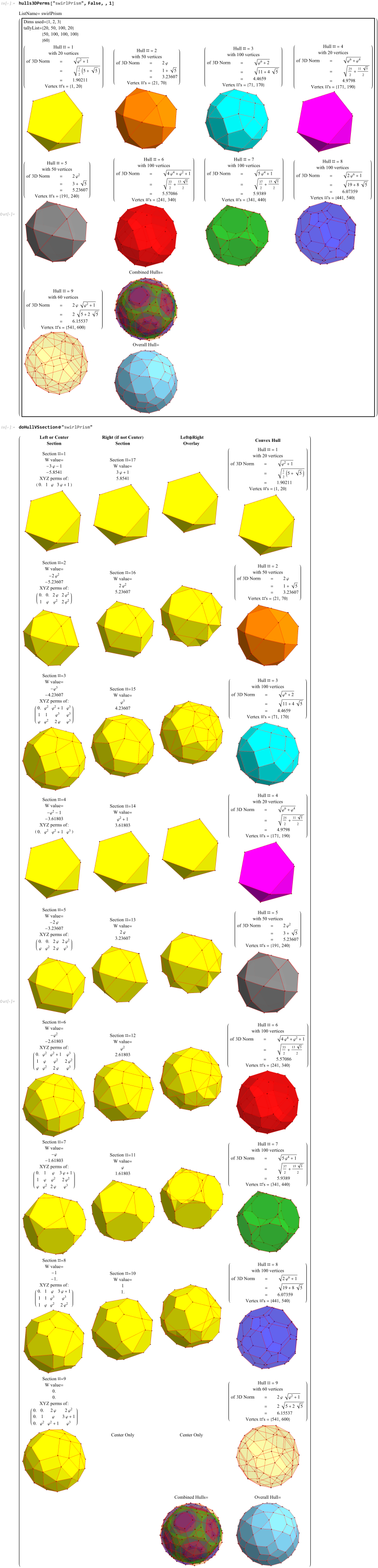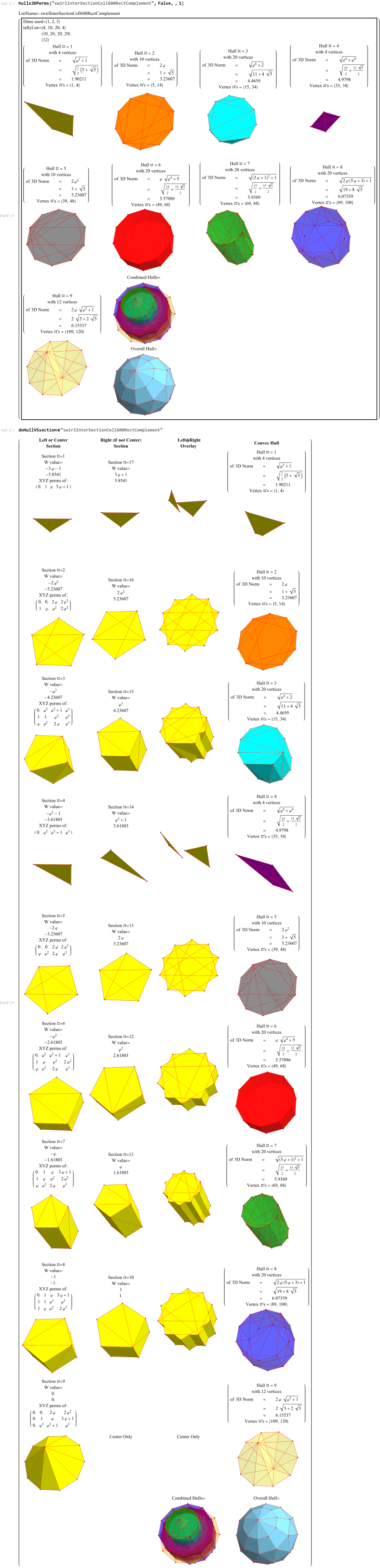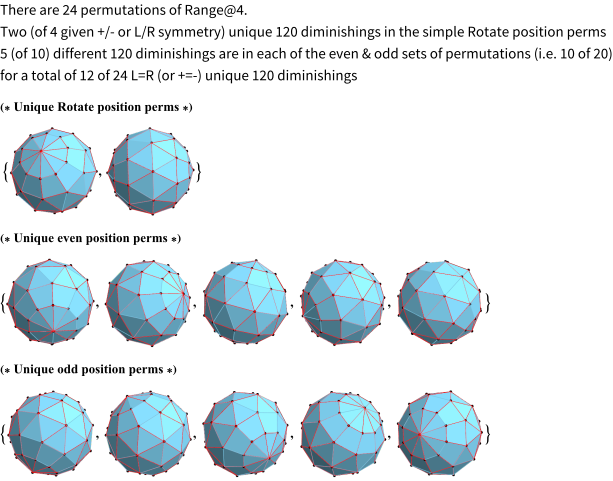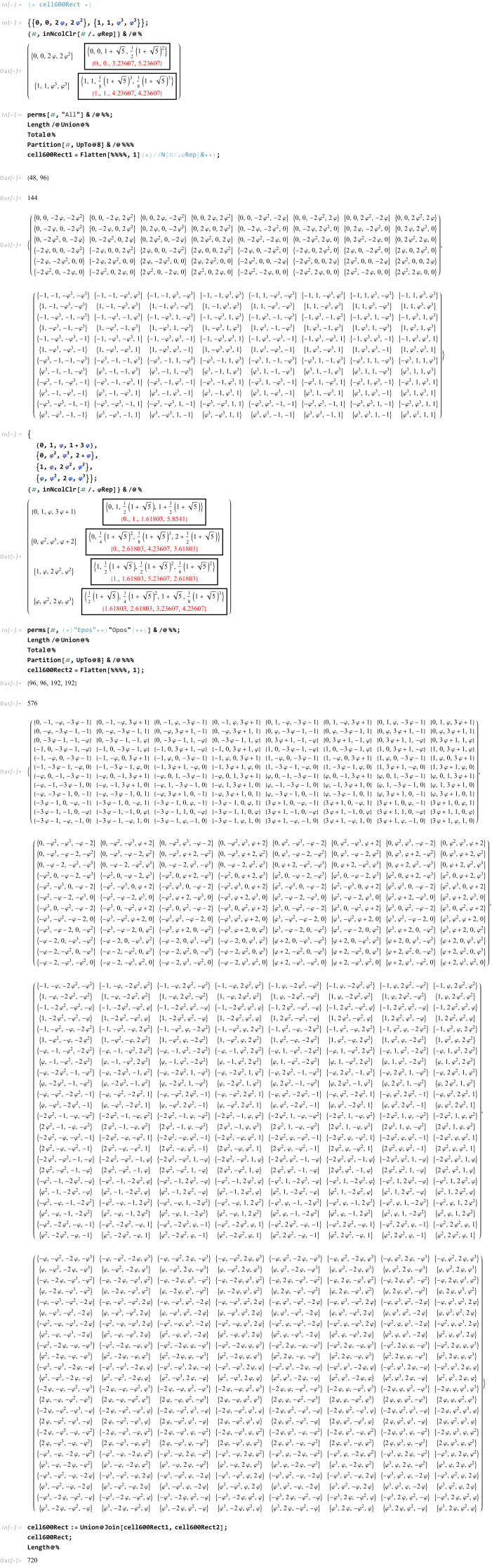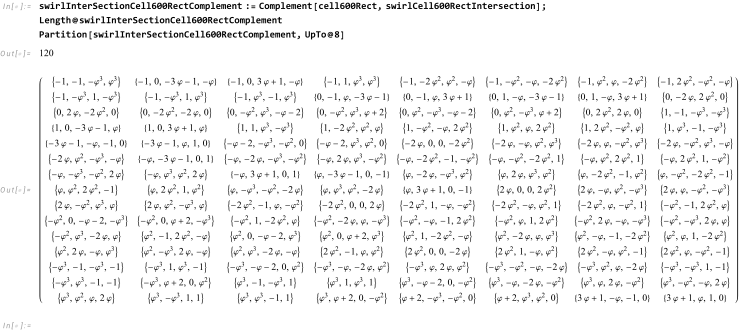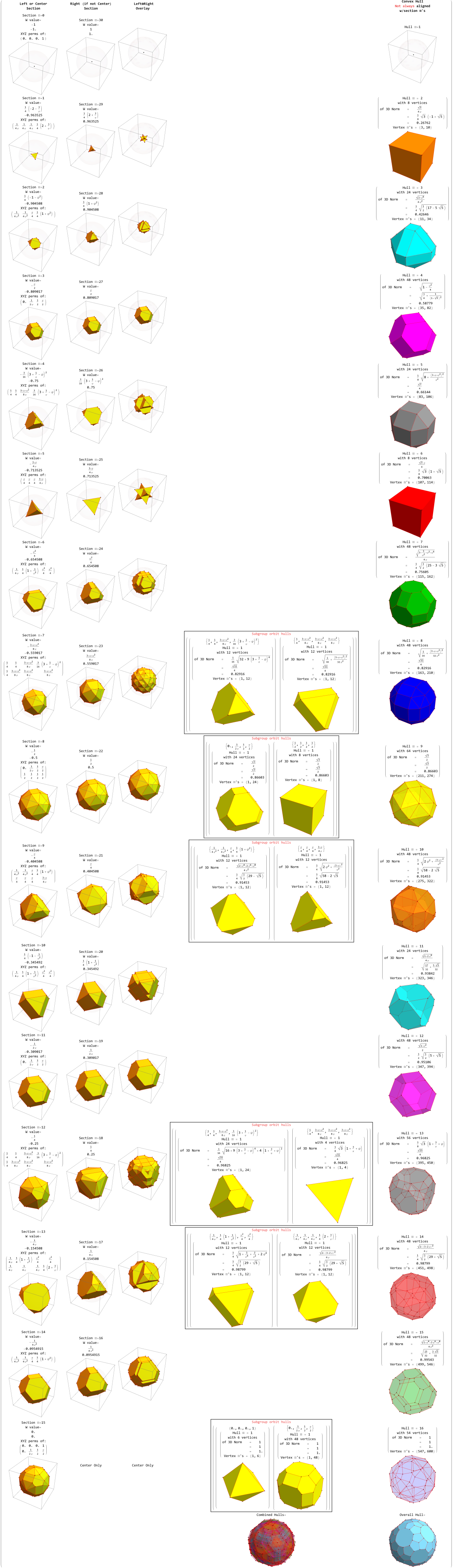
This post is a work in process, so check back for the latest visualizations and data. Today (Dec. 31 2025) I finally finished a major update to the section SVG files. Have a blessed New Year for 2026 and beyond!
So if you downloaded the previous files from the first update of 12/16/2025, you may want to take another look, as some of the output had anomalous data that didn’t render, along with other errors (due to the way I computed approximate equality between norms). In order to get this done, I realized I was thrashing my Solid State Drive (SSD) due to memory swapping. It died due to that (SSDs have limited writes!), so I had to rebuild the machine with 64 Gb RAM to keep the computations in RAM.
Drop me an email if you find anything that needs correction.
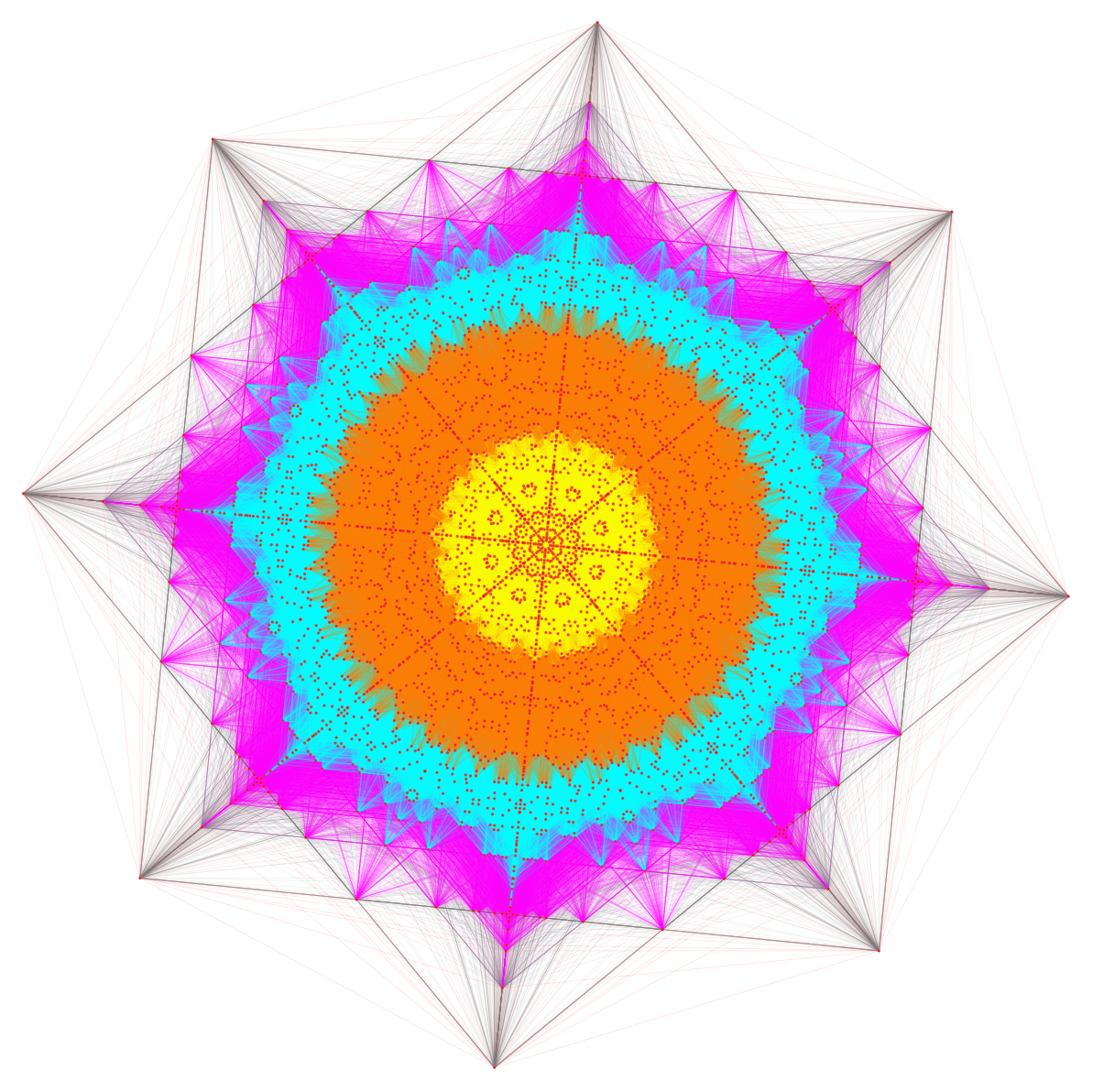
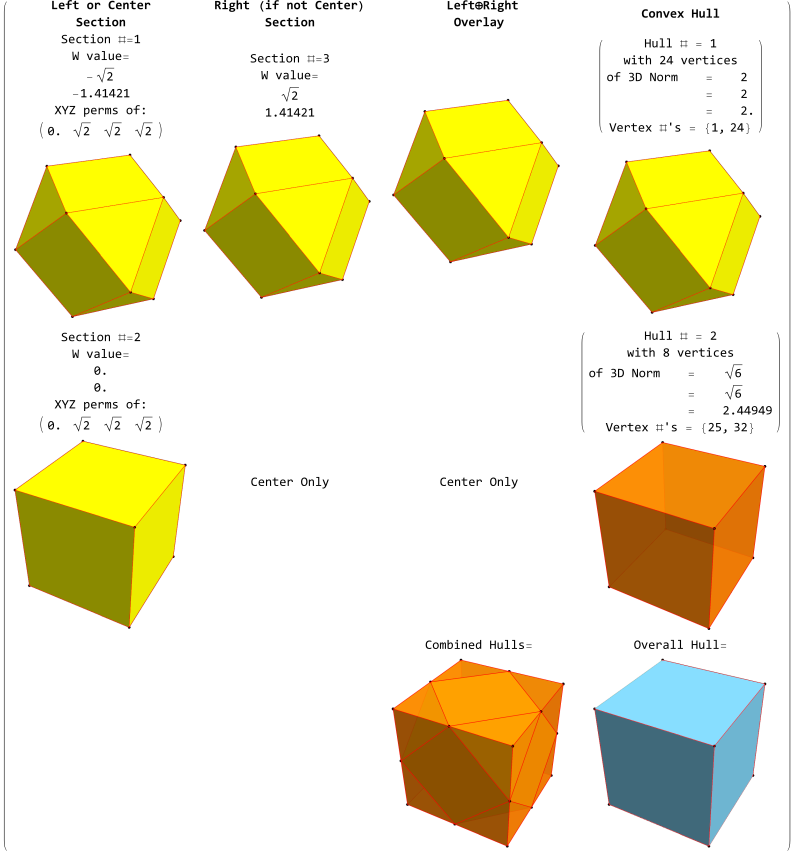
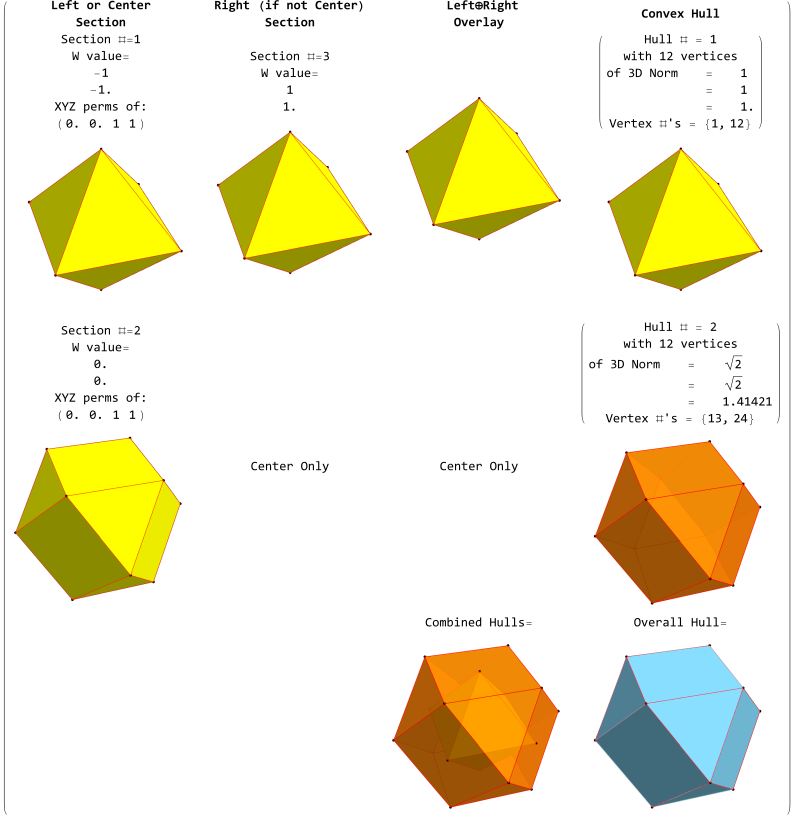
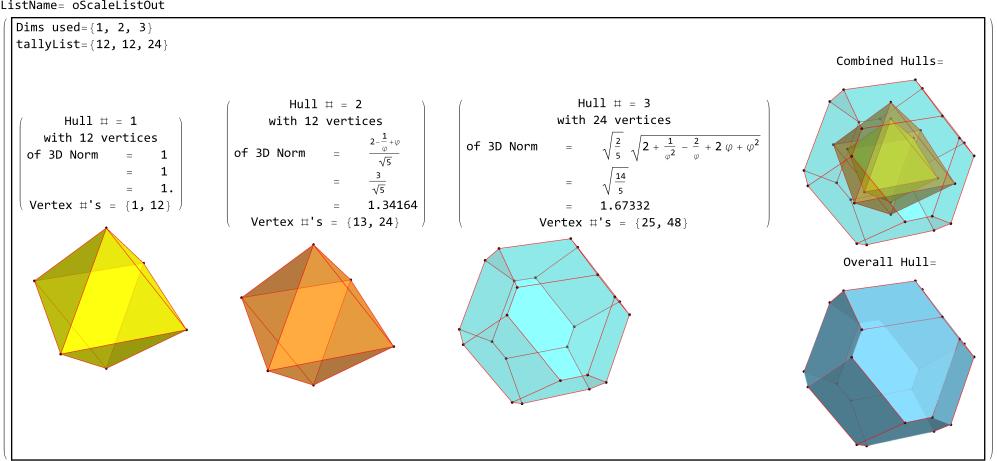
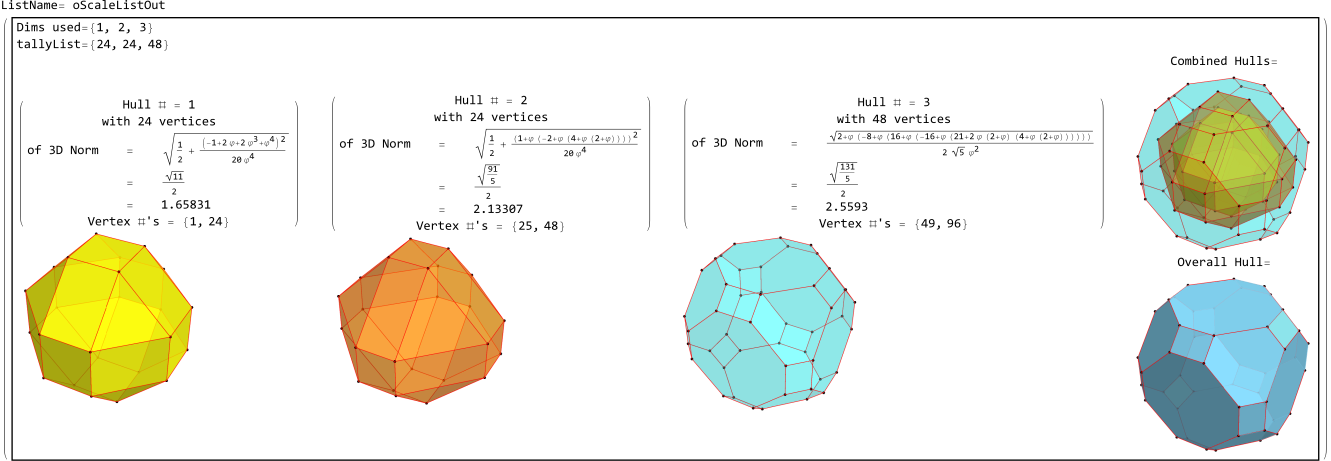
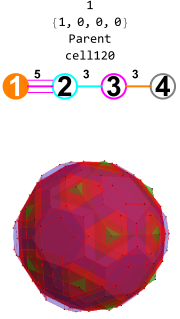
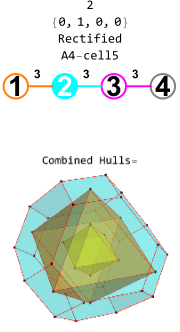
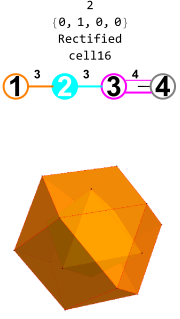
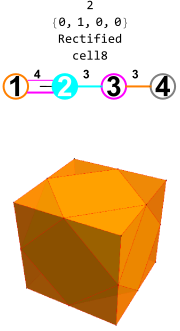
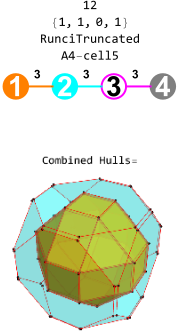
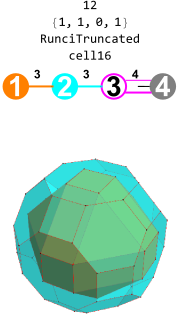
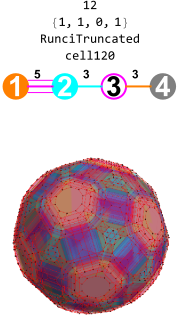
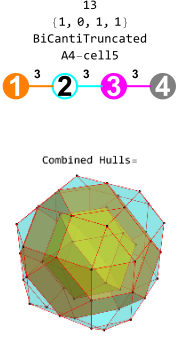
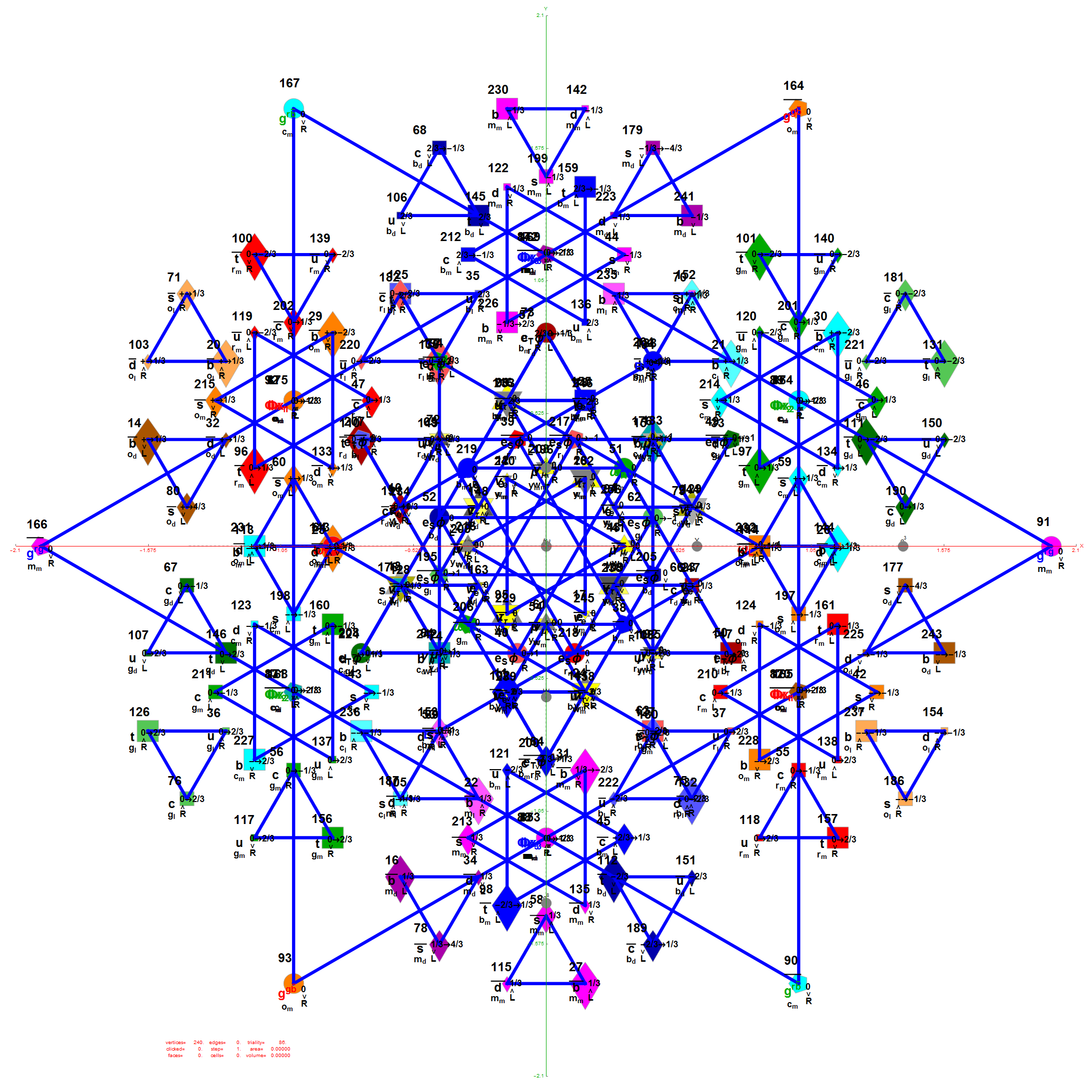
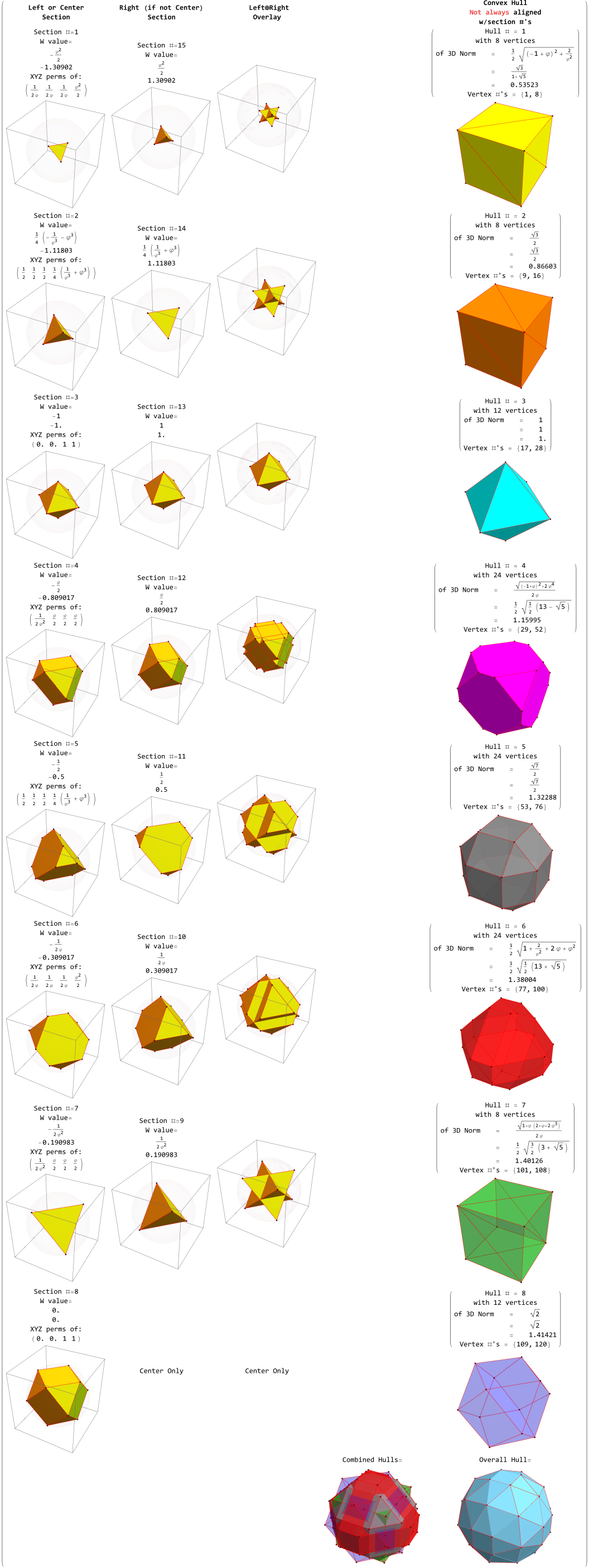
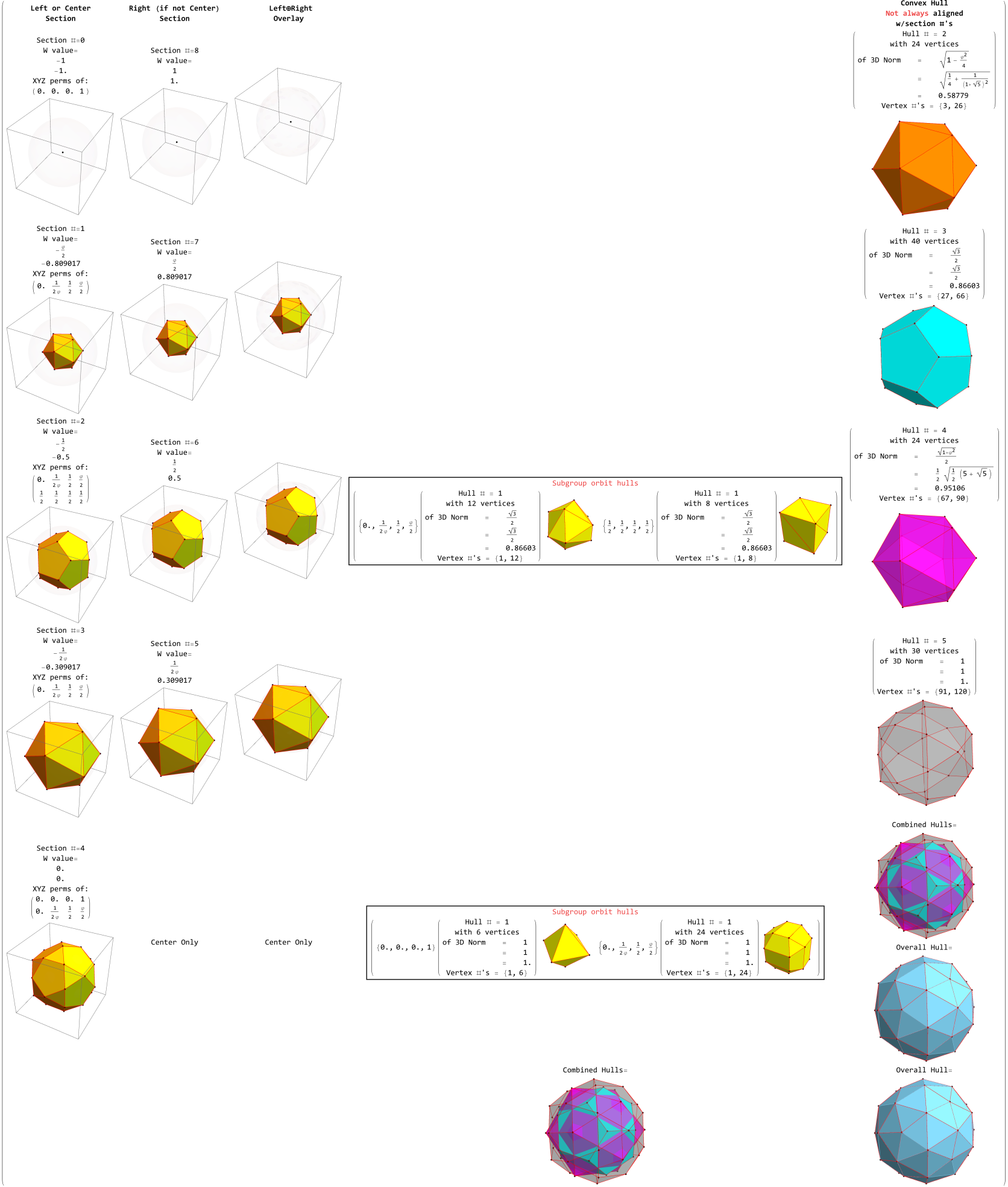
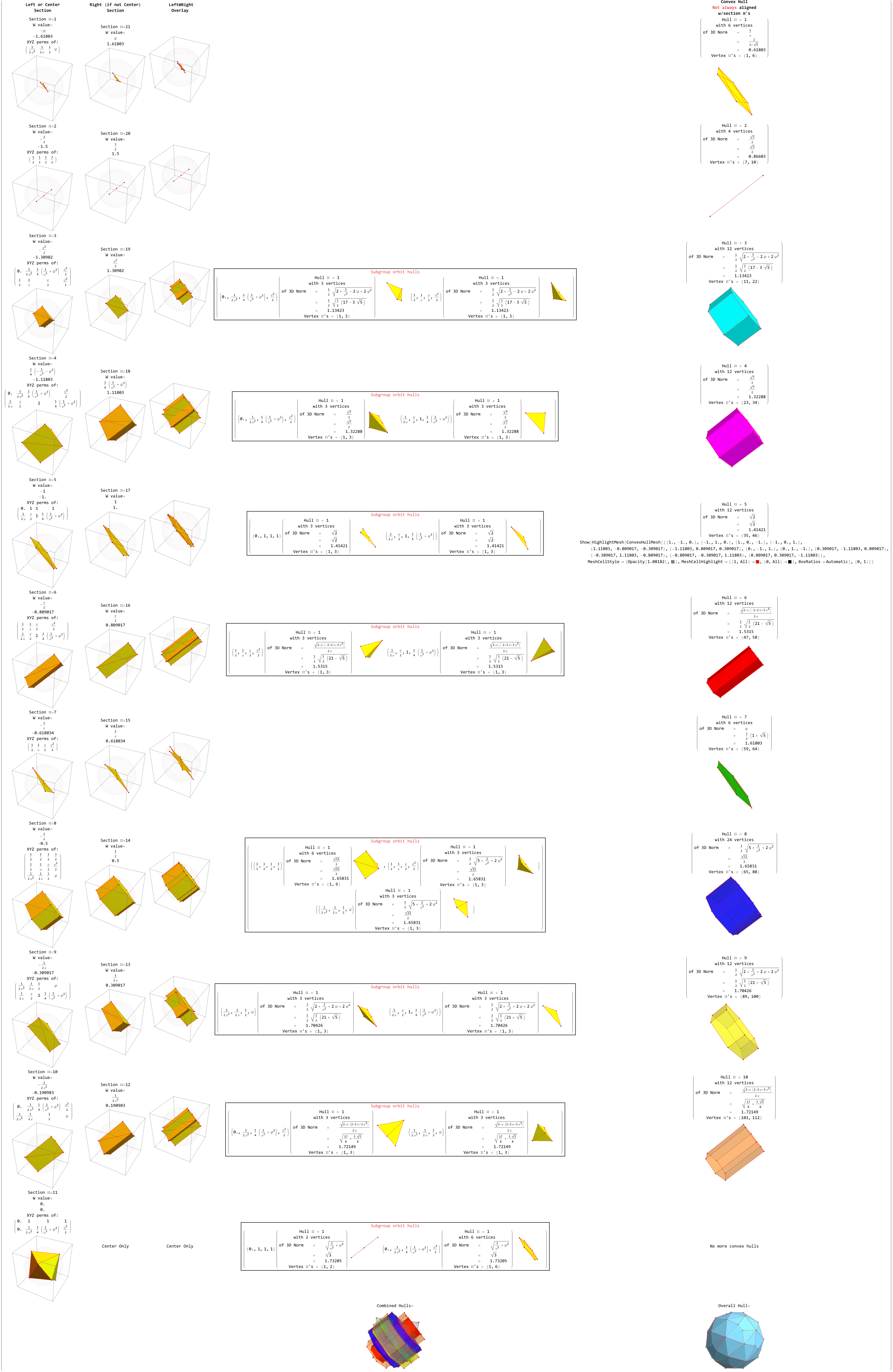
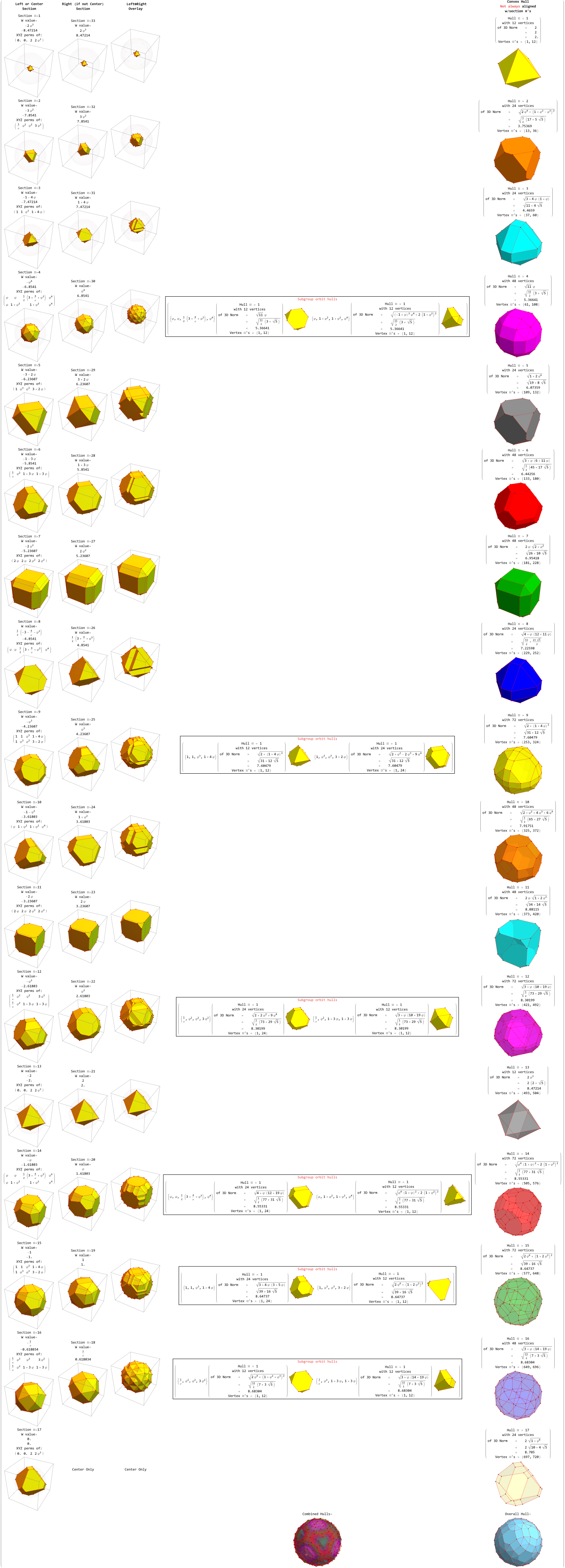
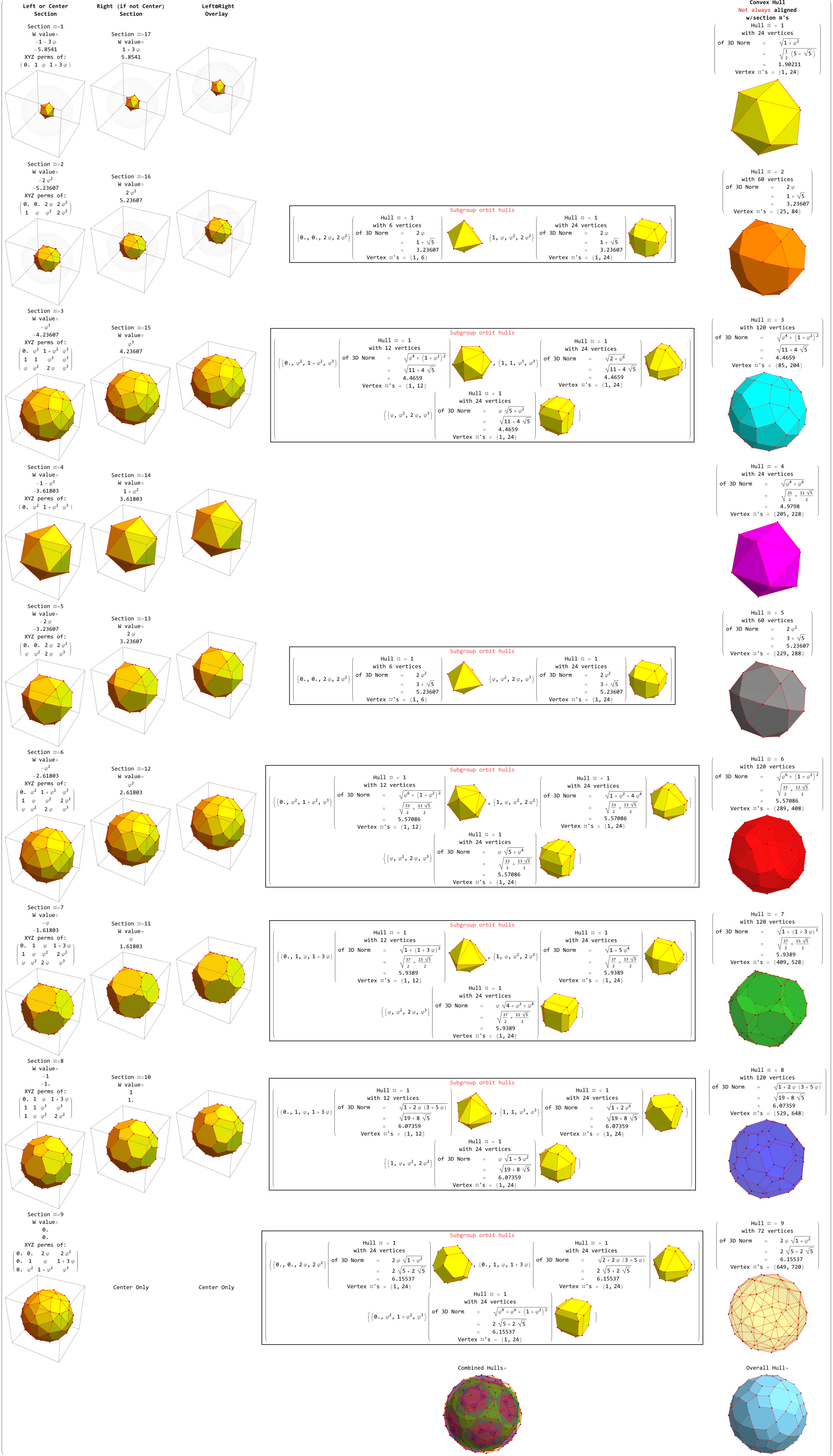
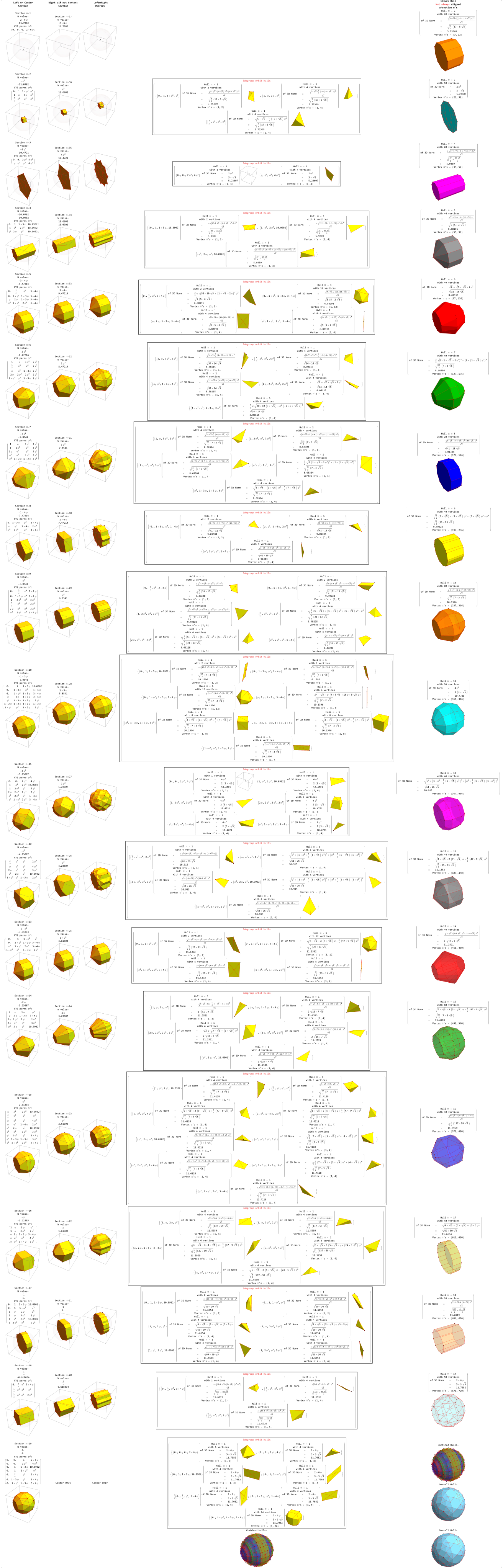
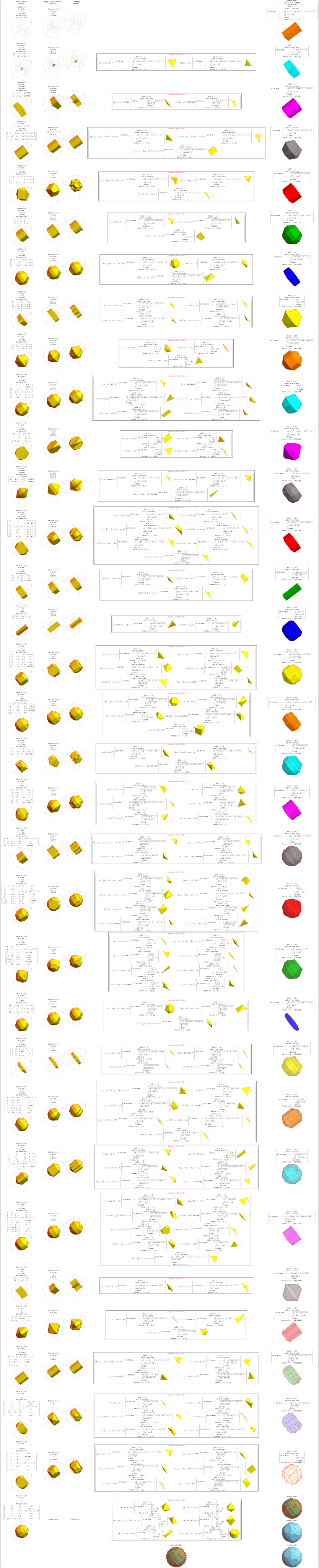
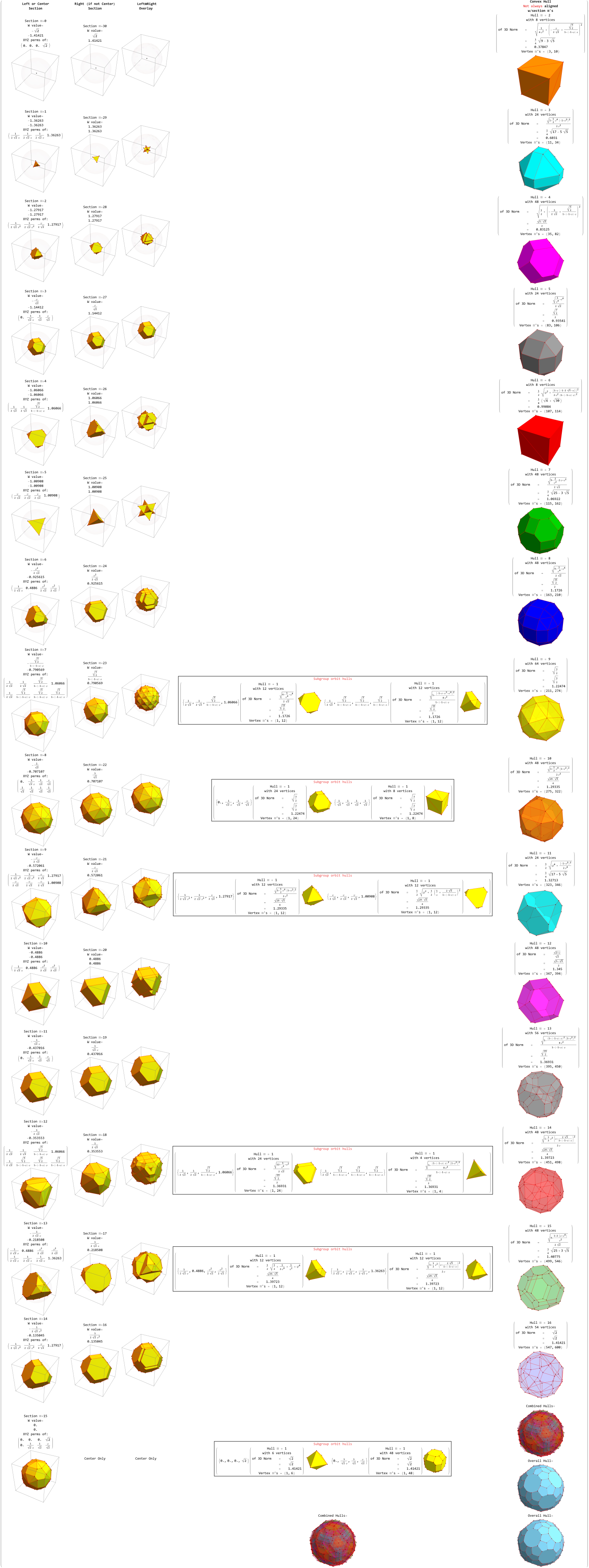
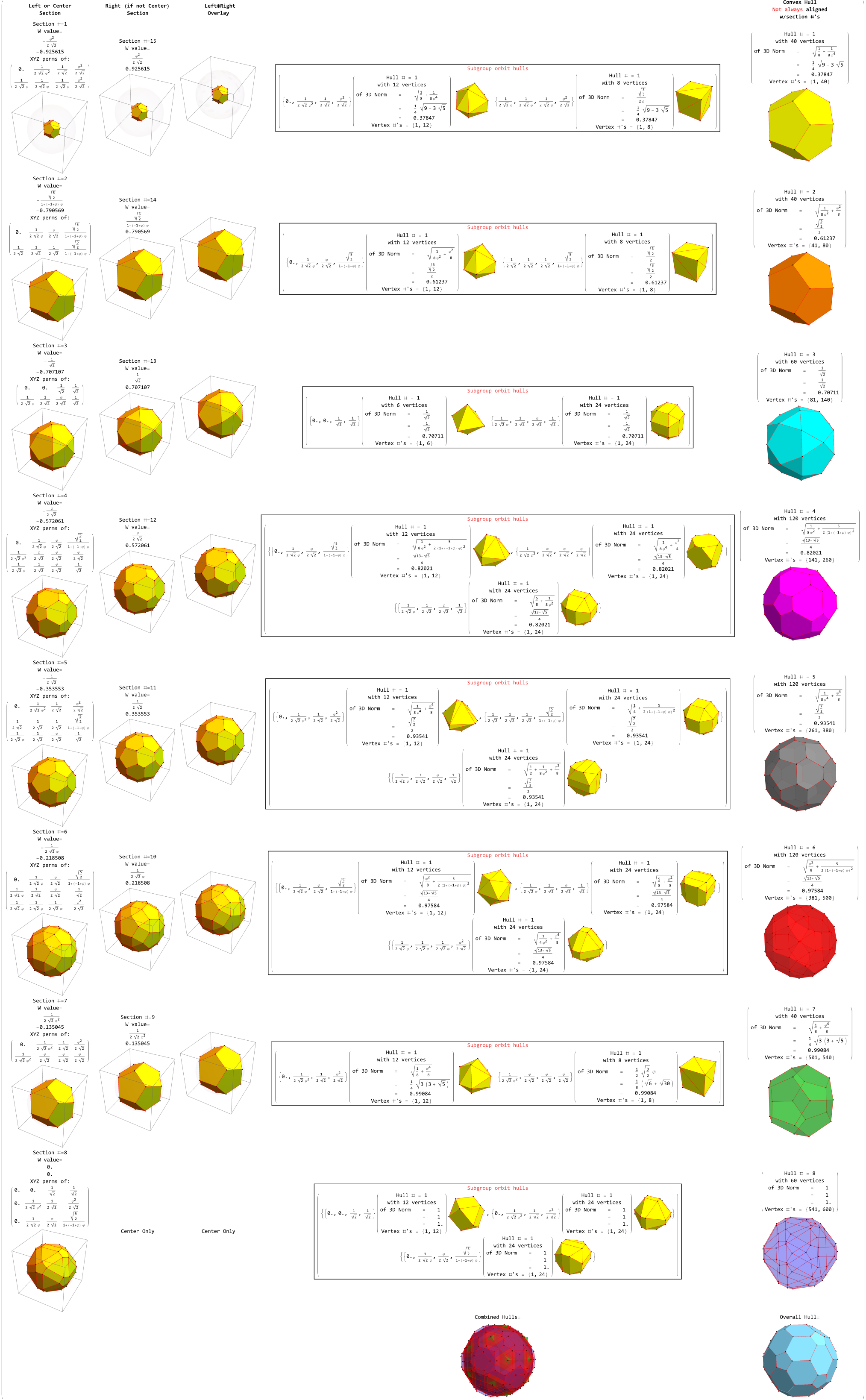
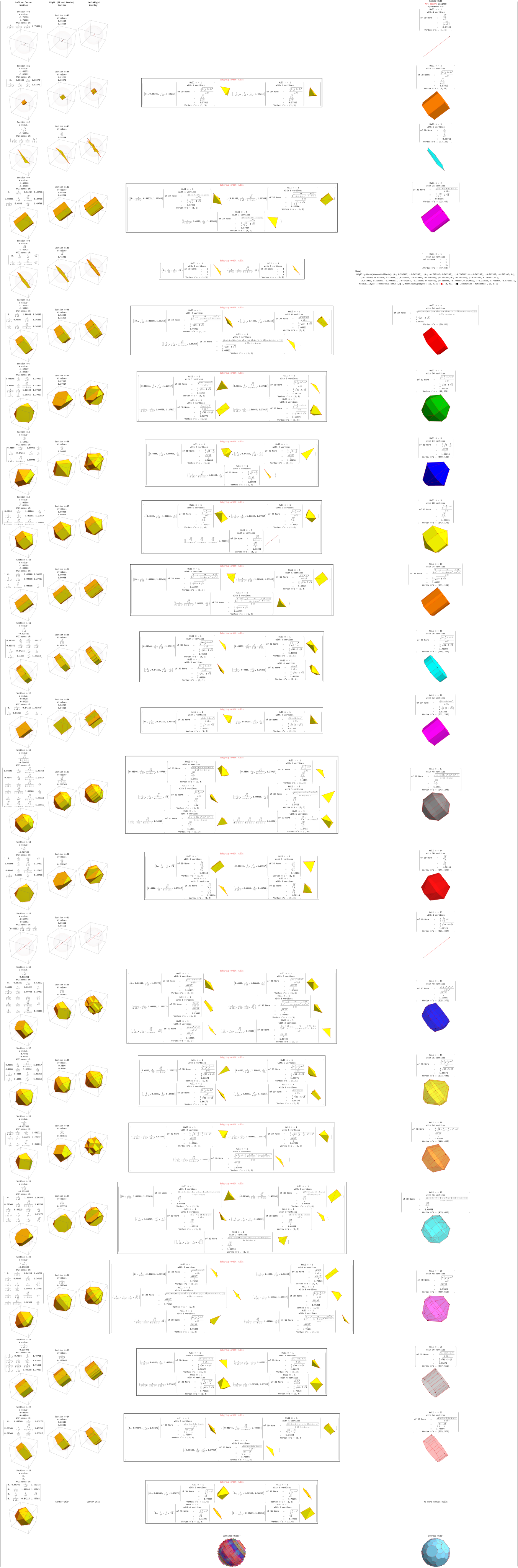
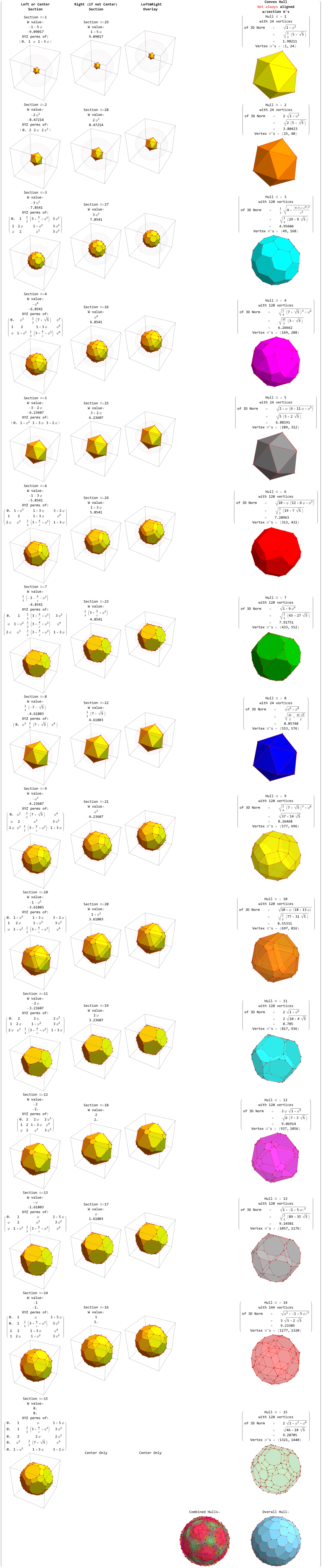
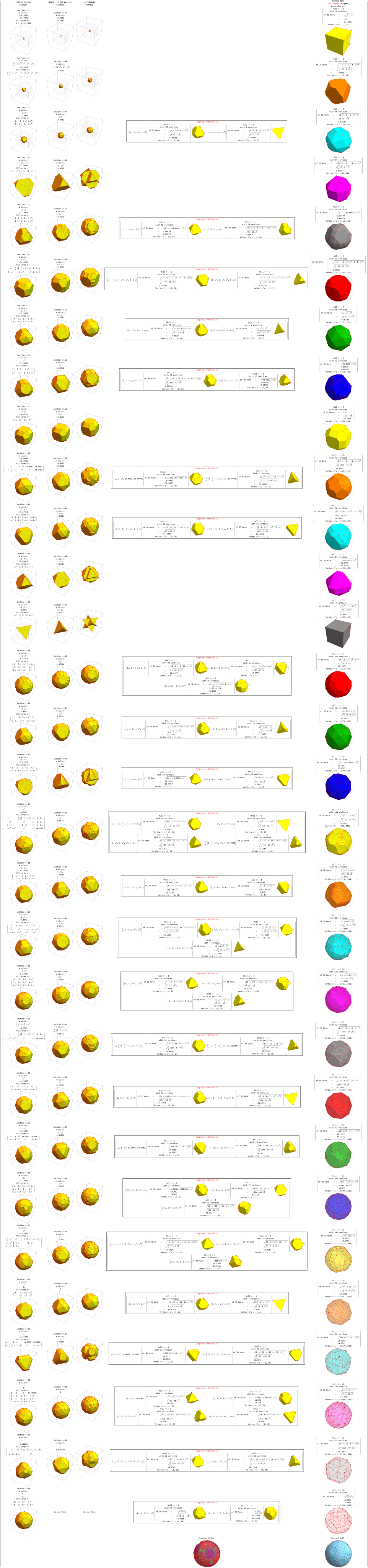
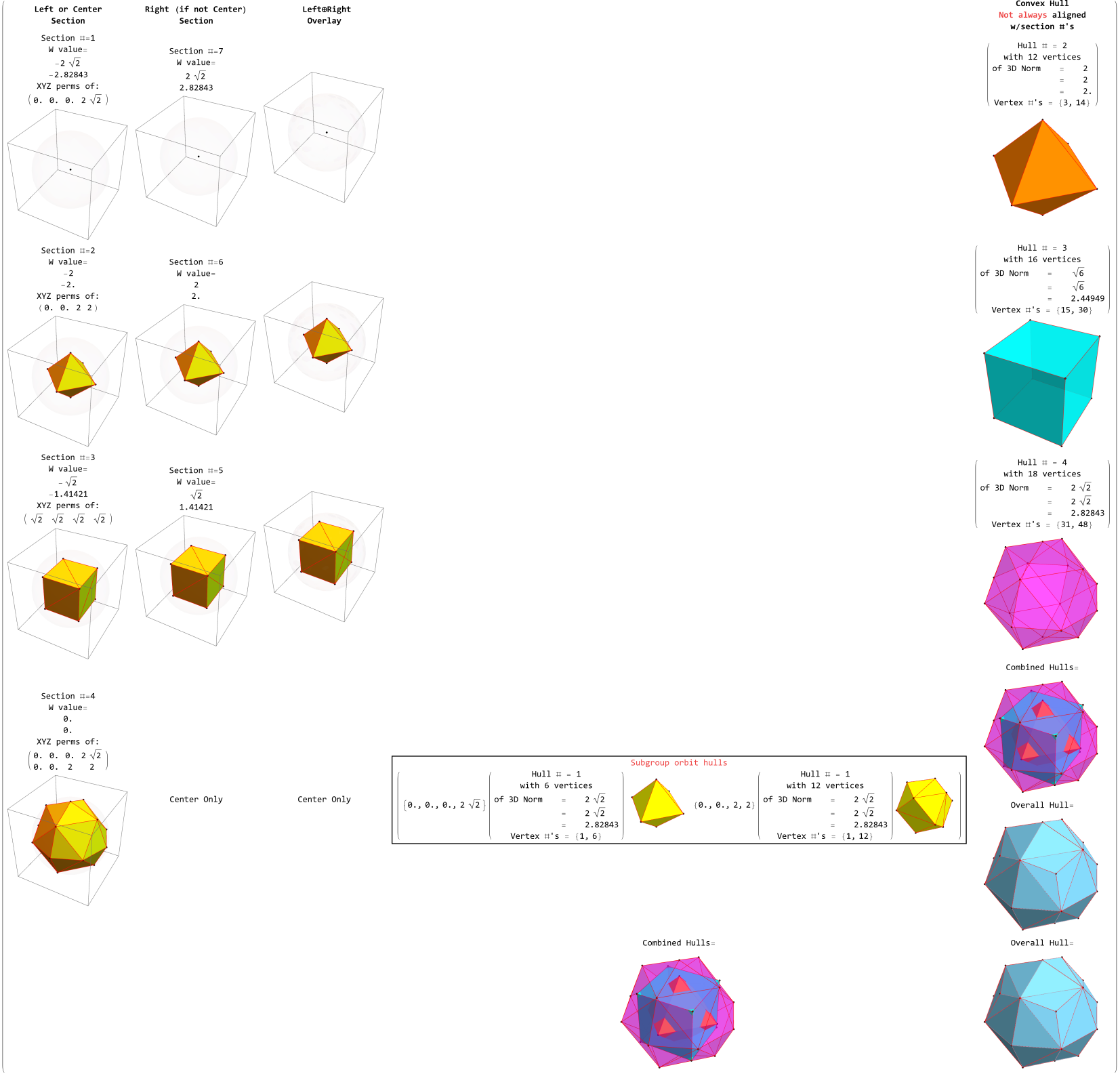
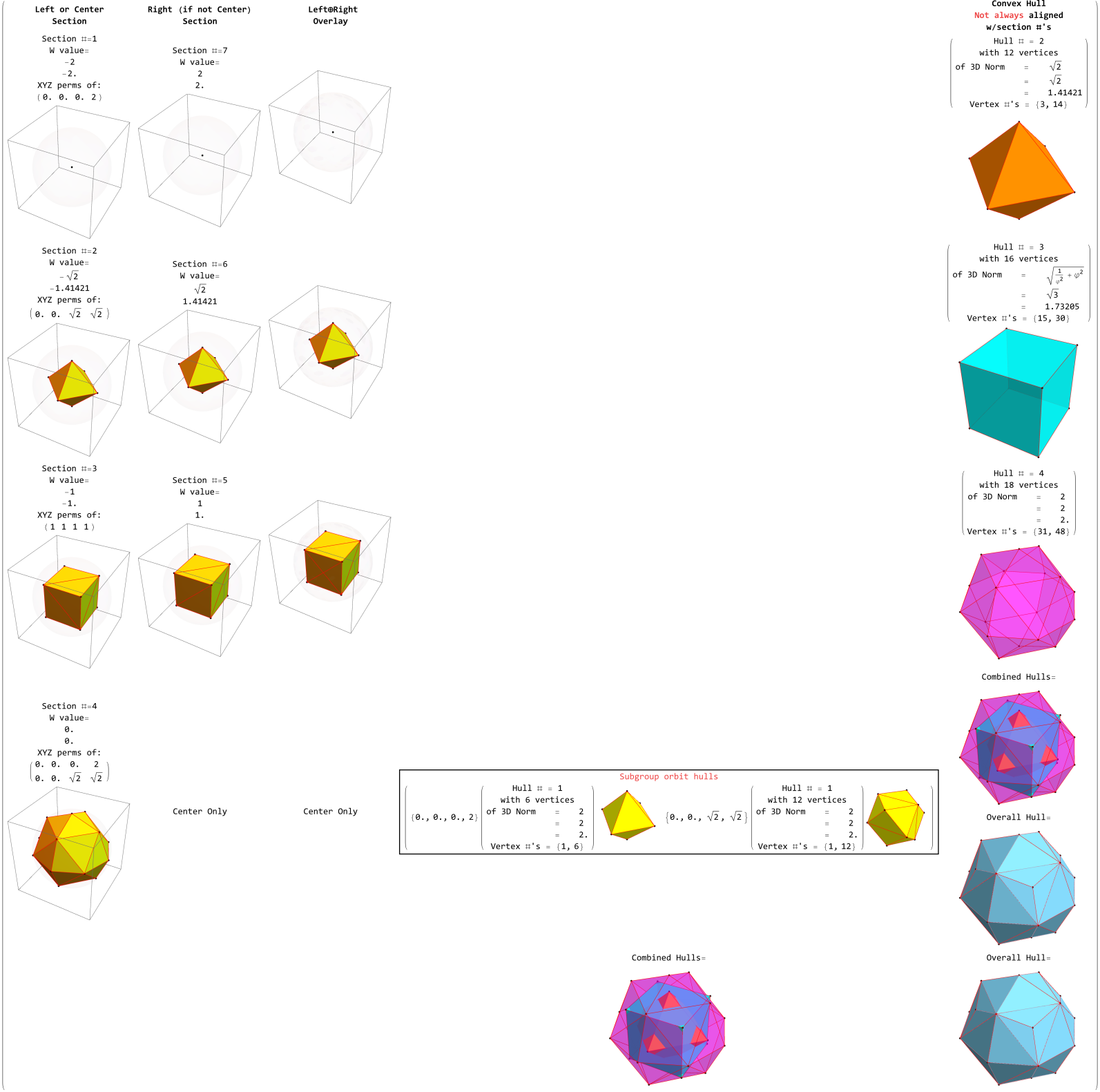
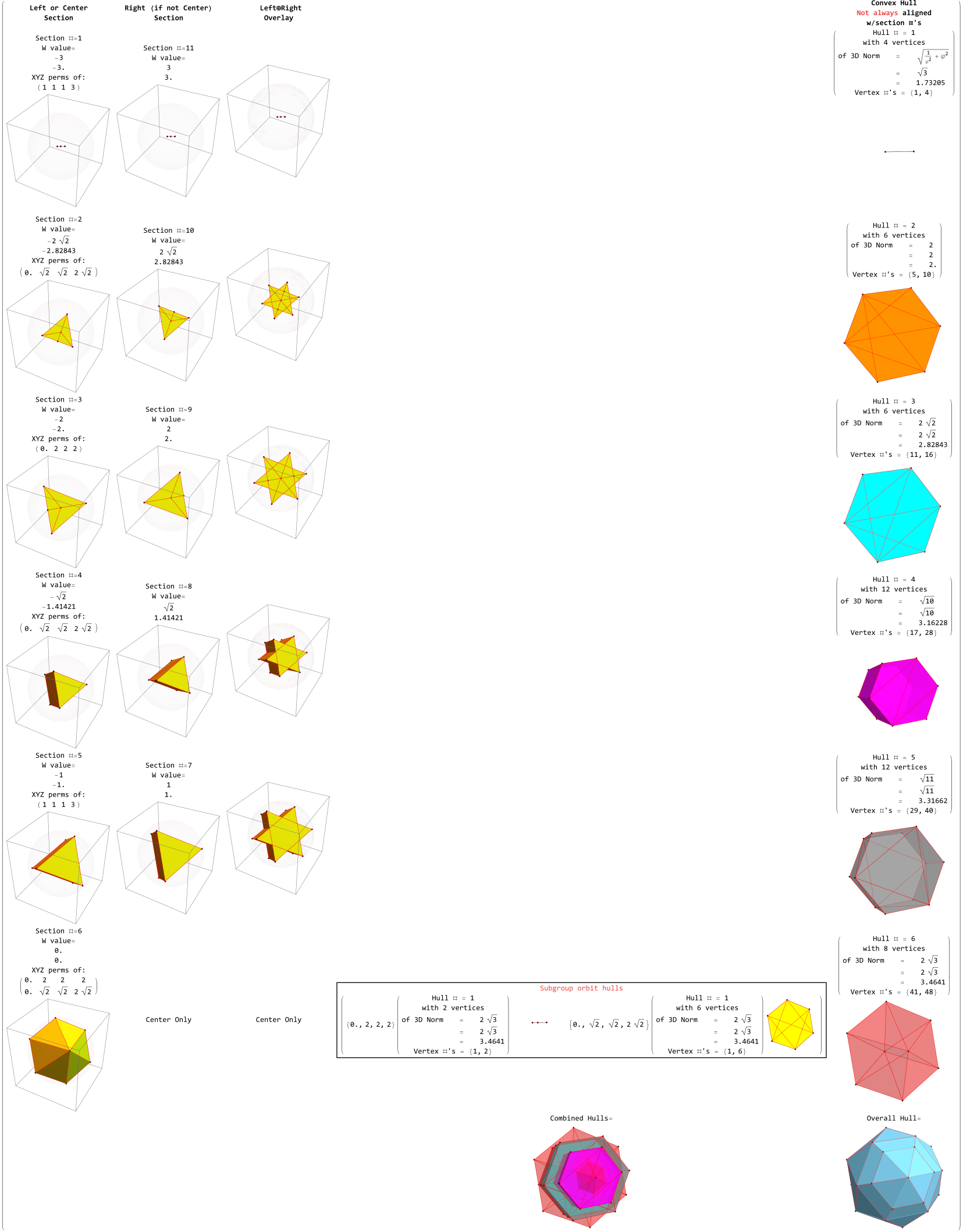
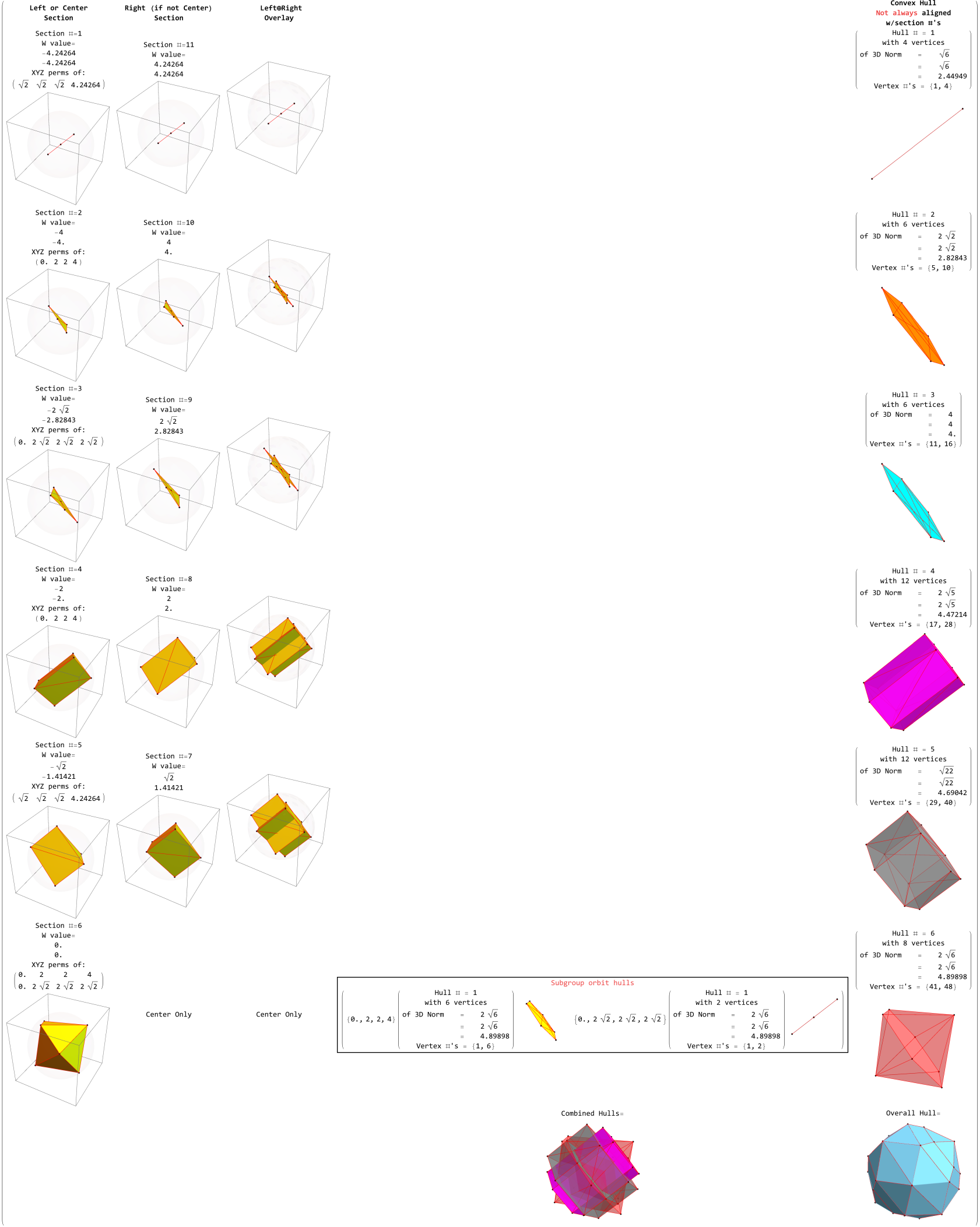
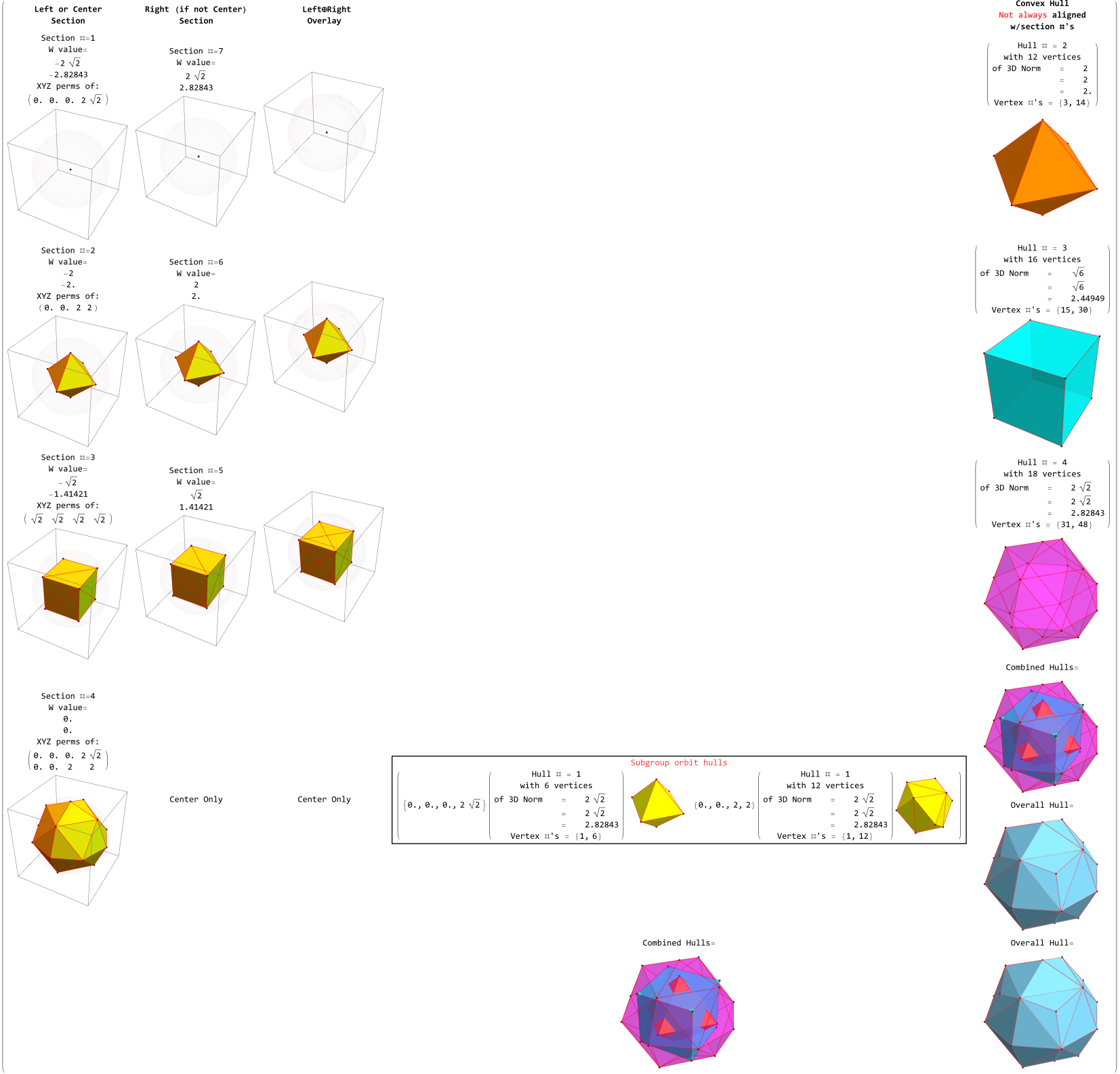
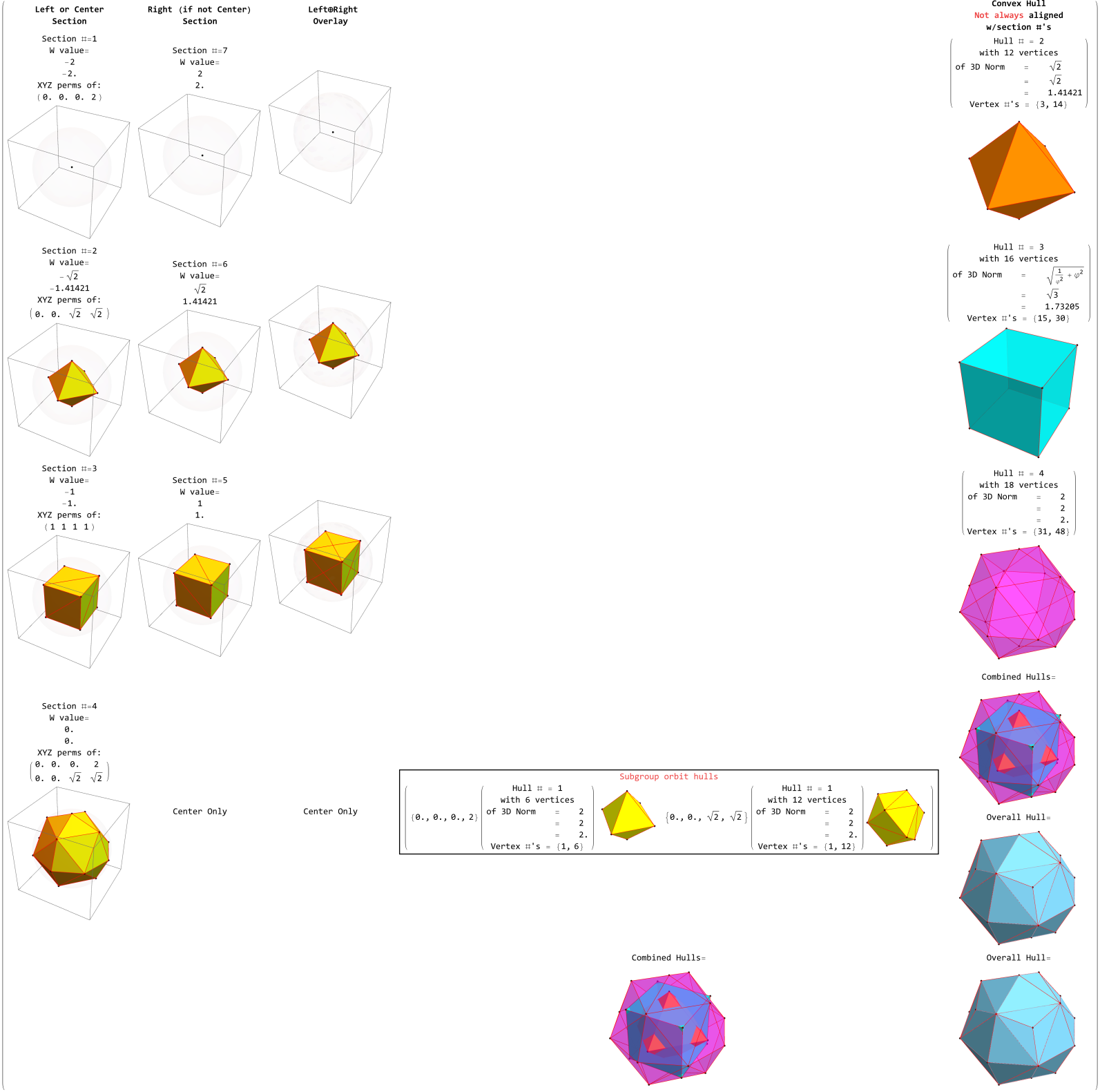
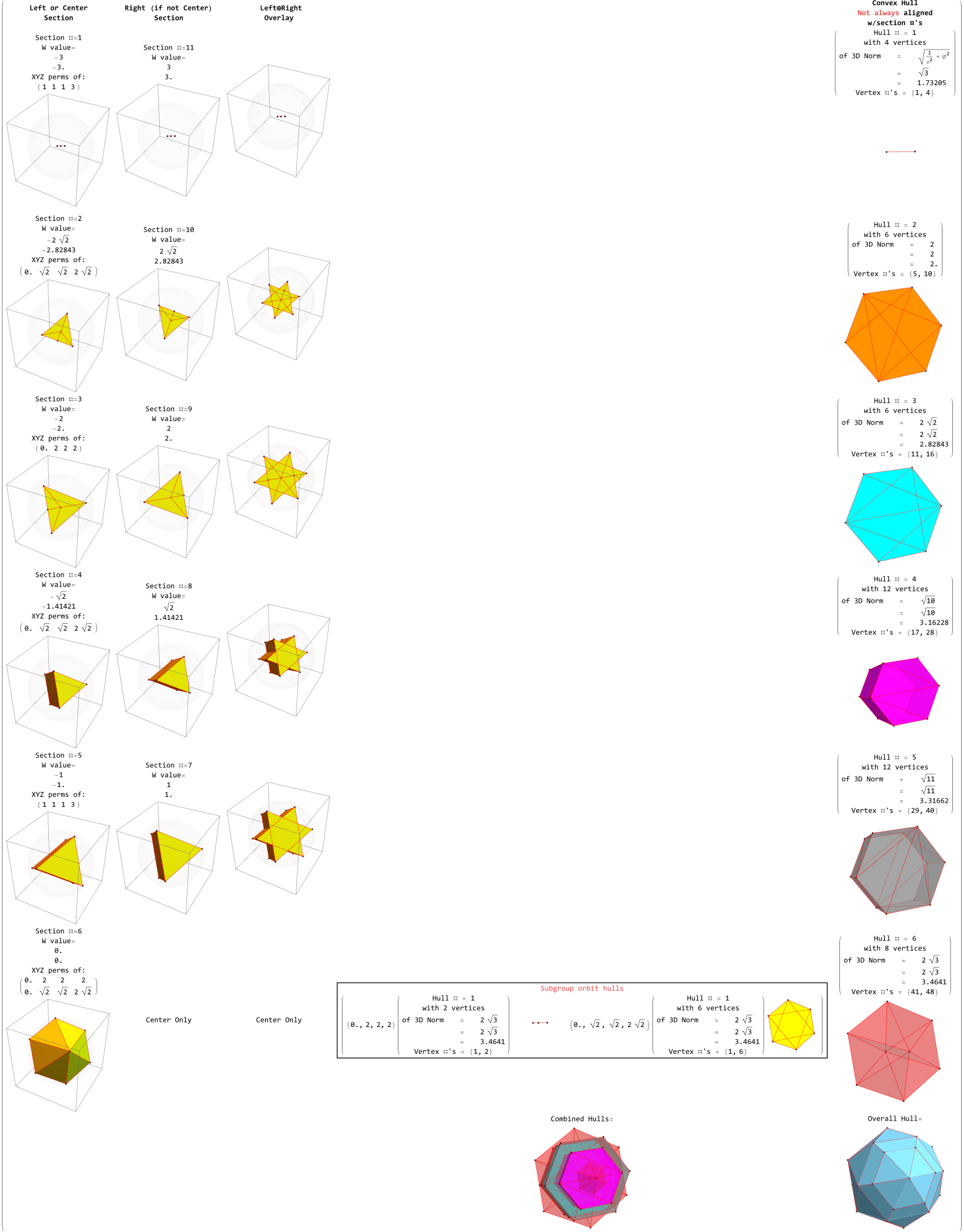
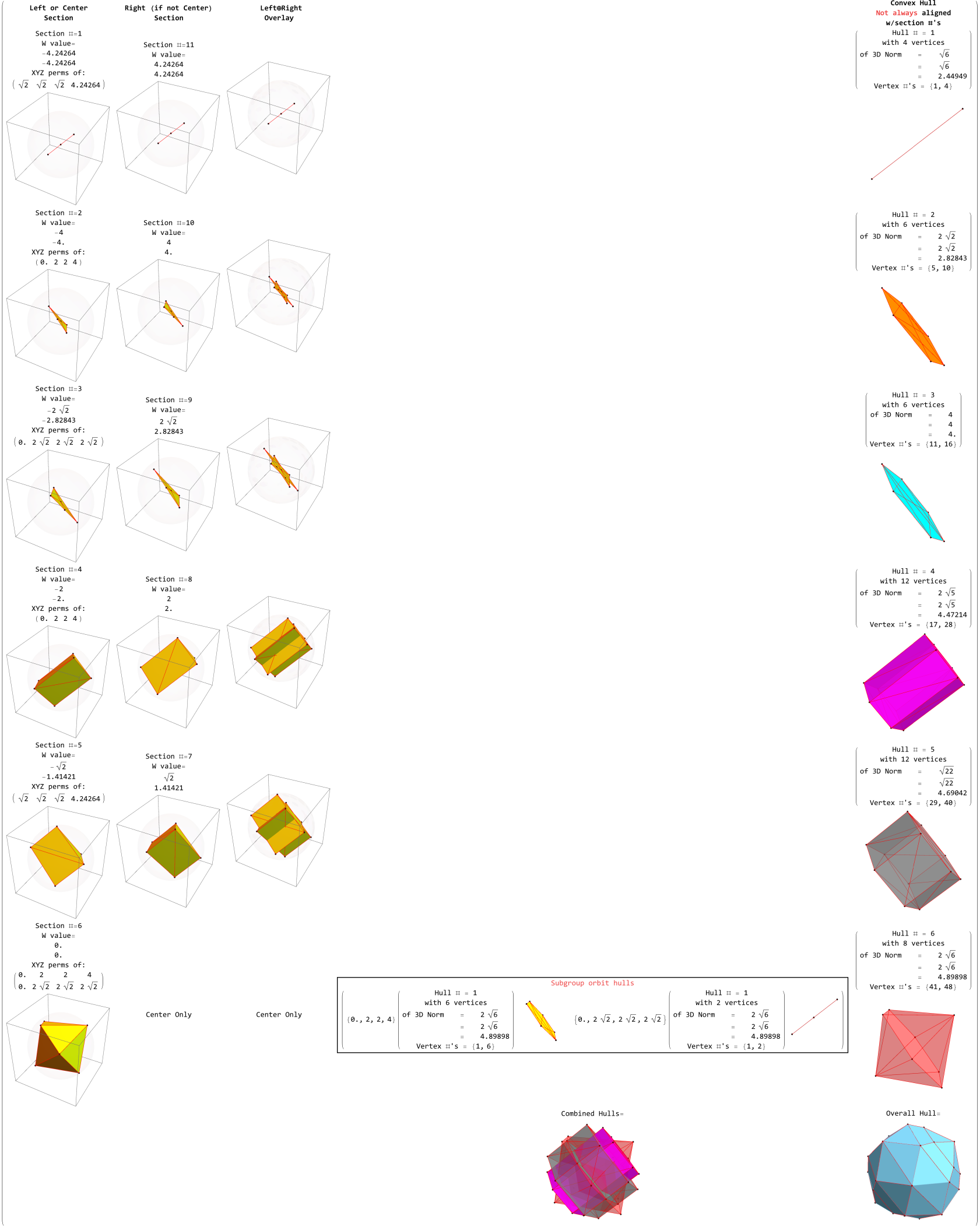
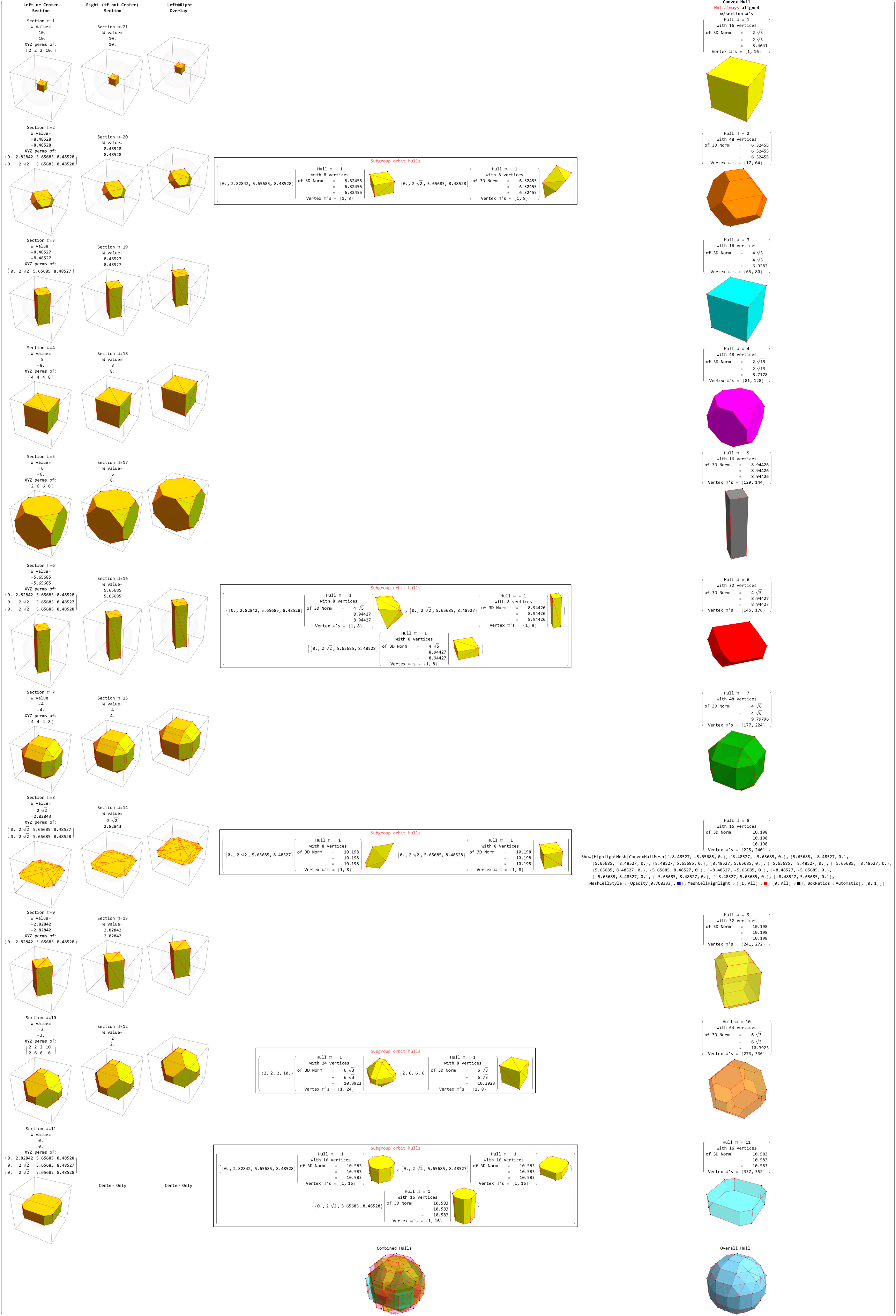
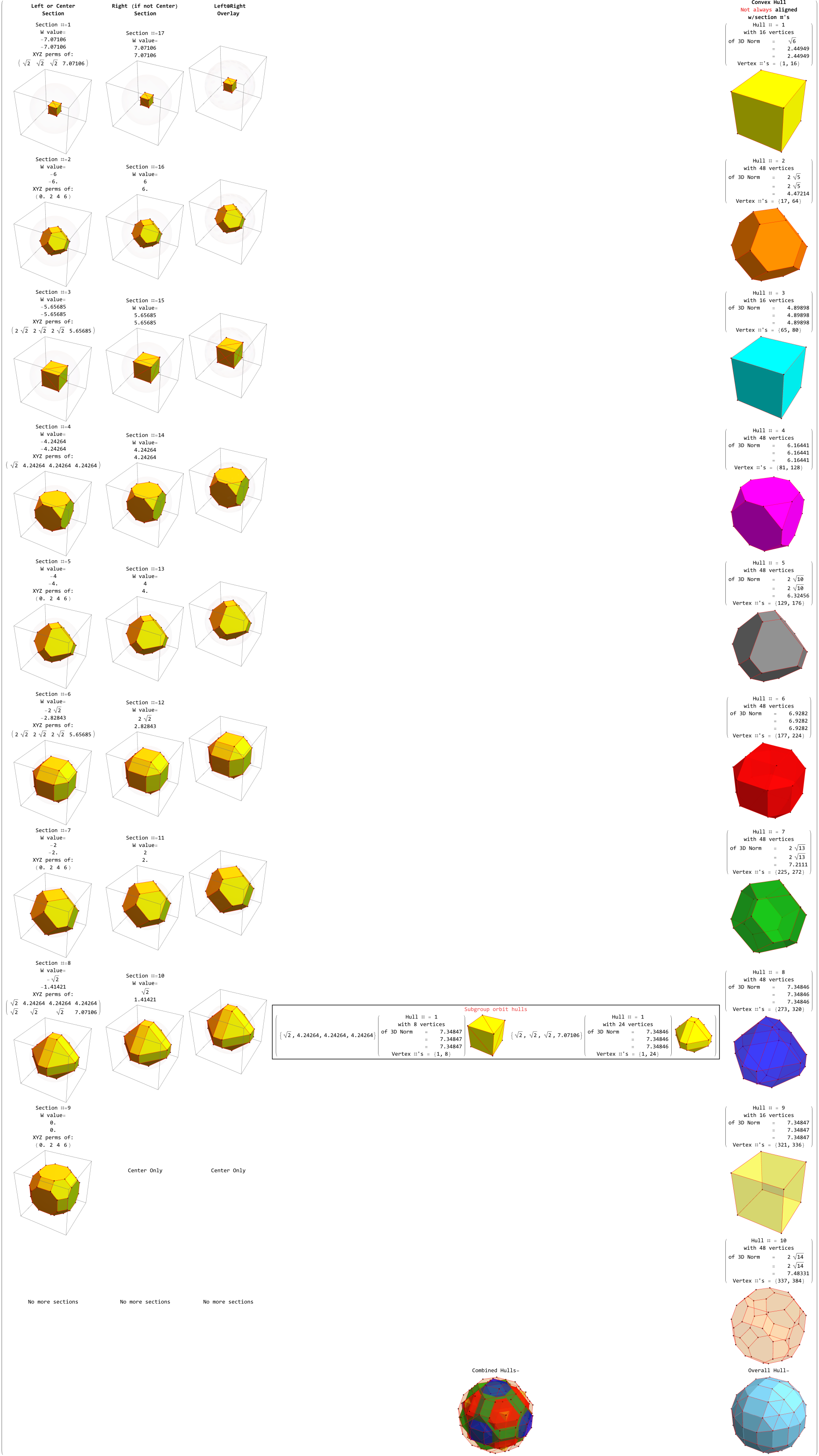
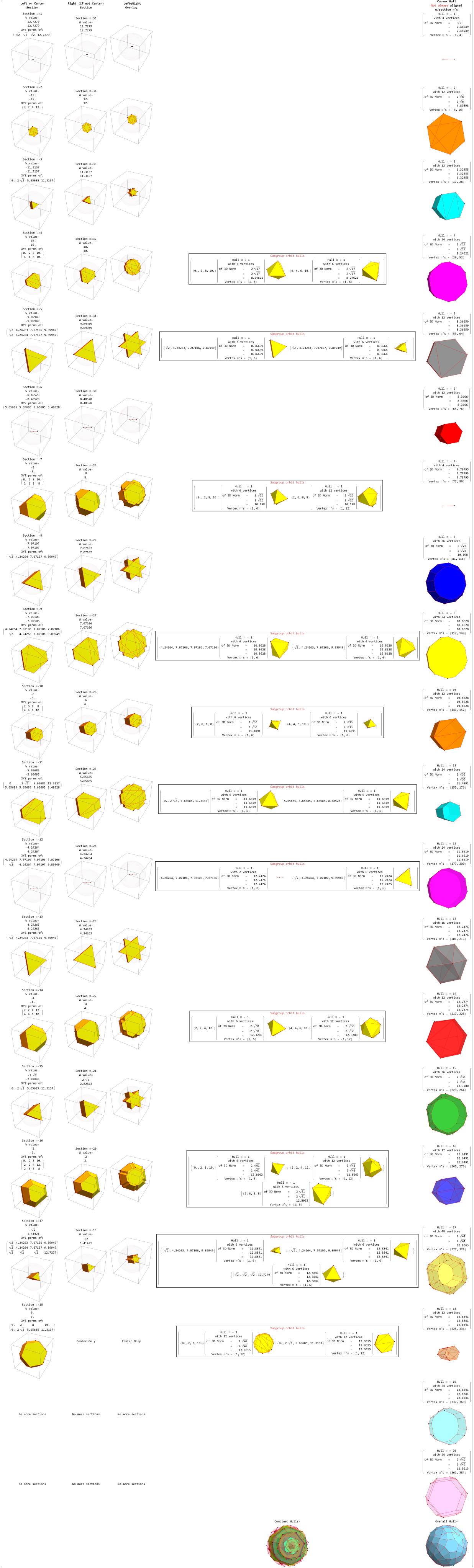
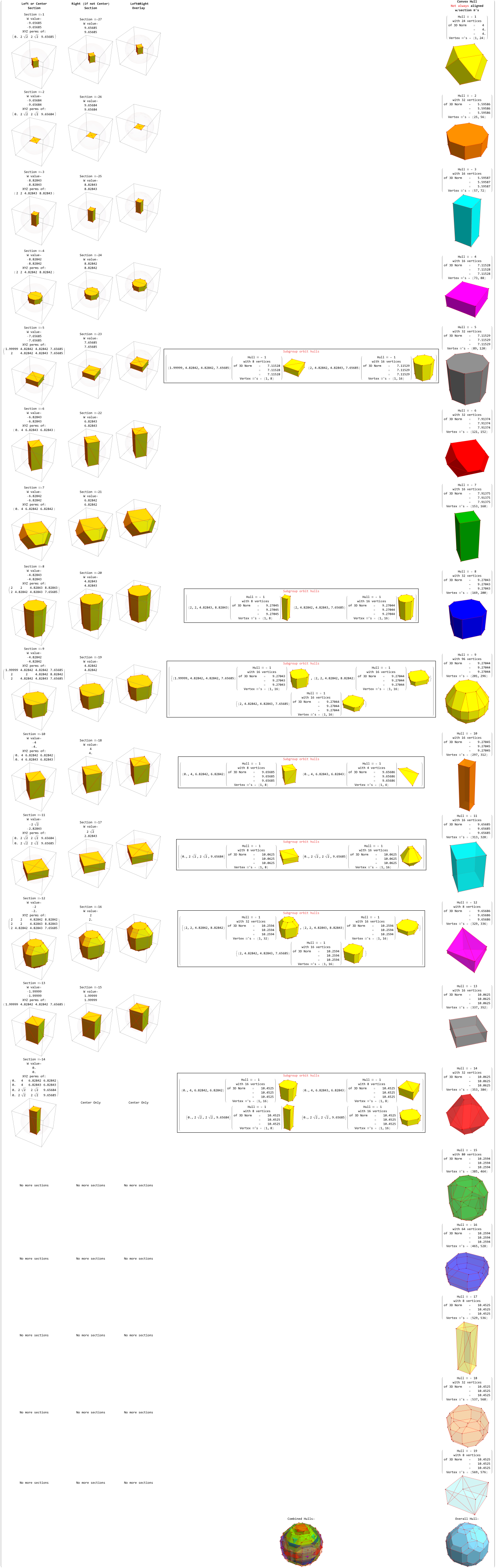
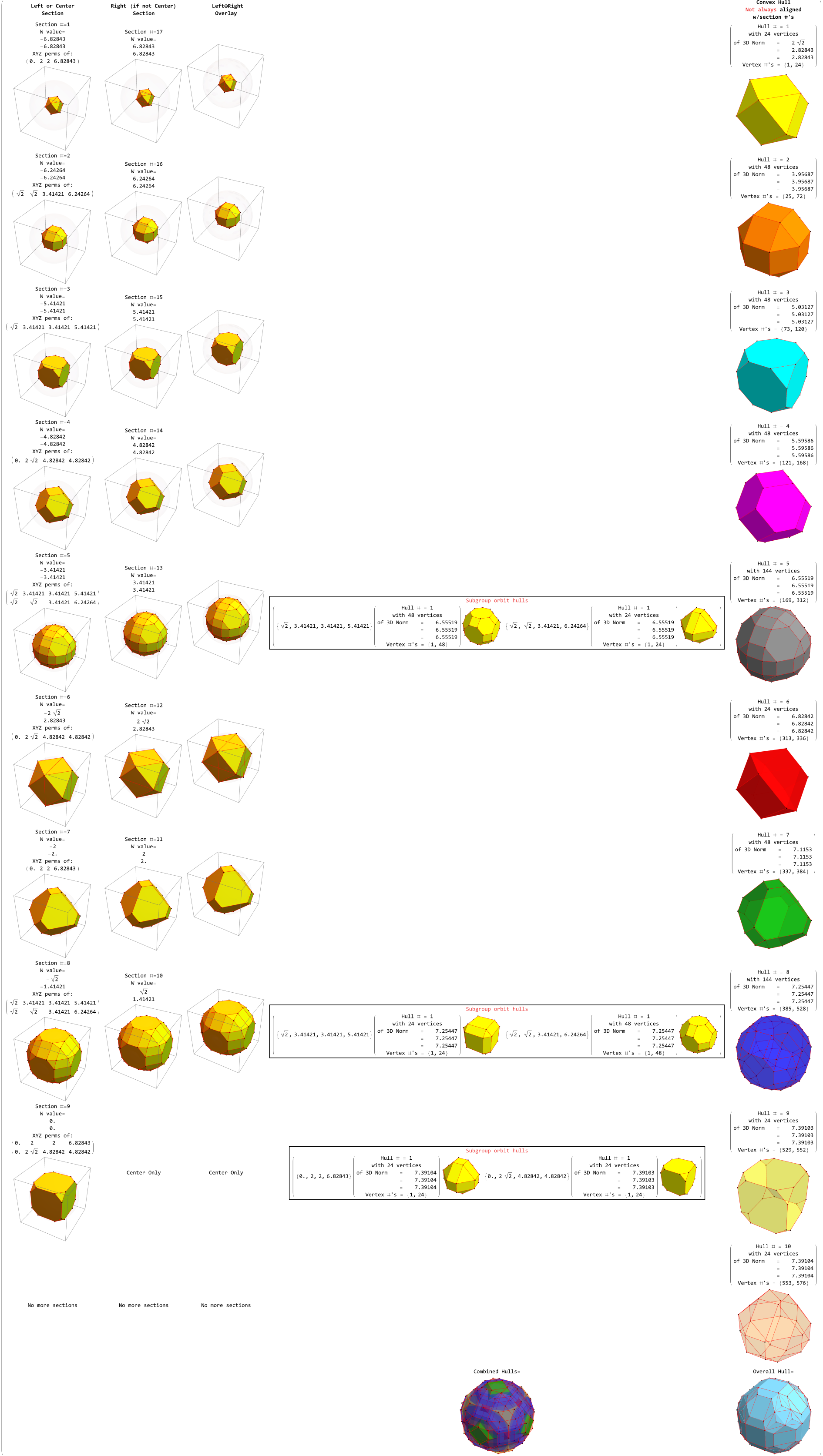
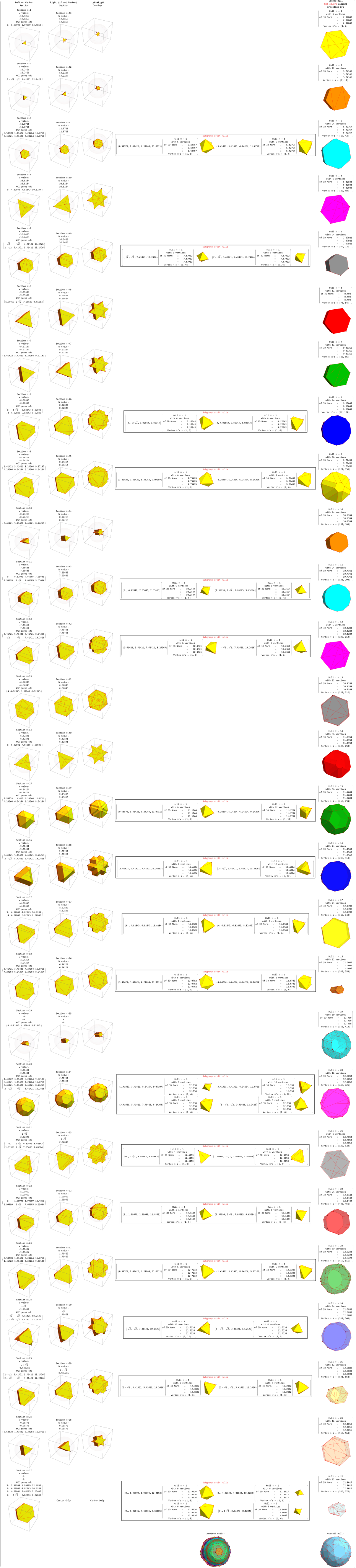
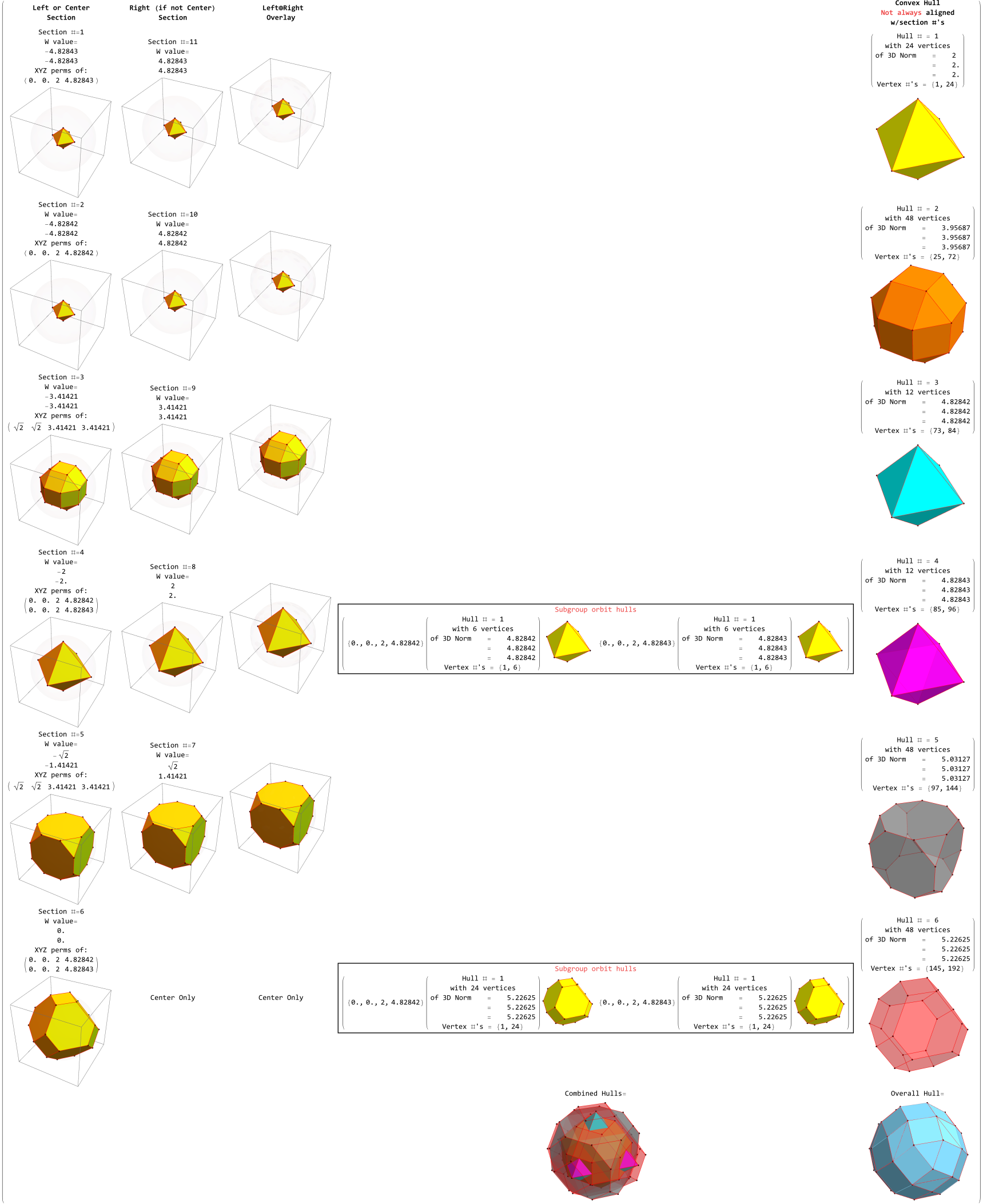
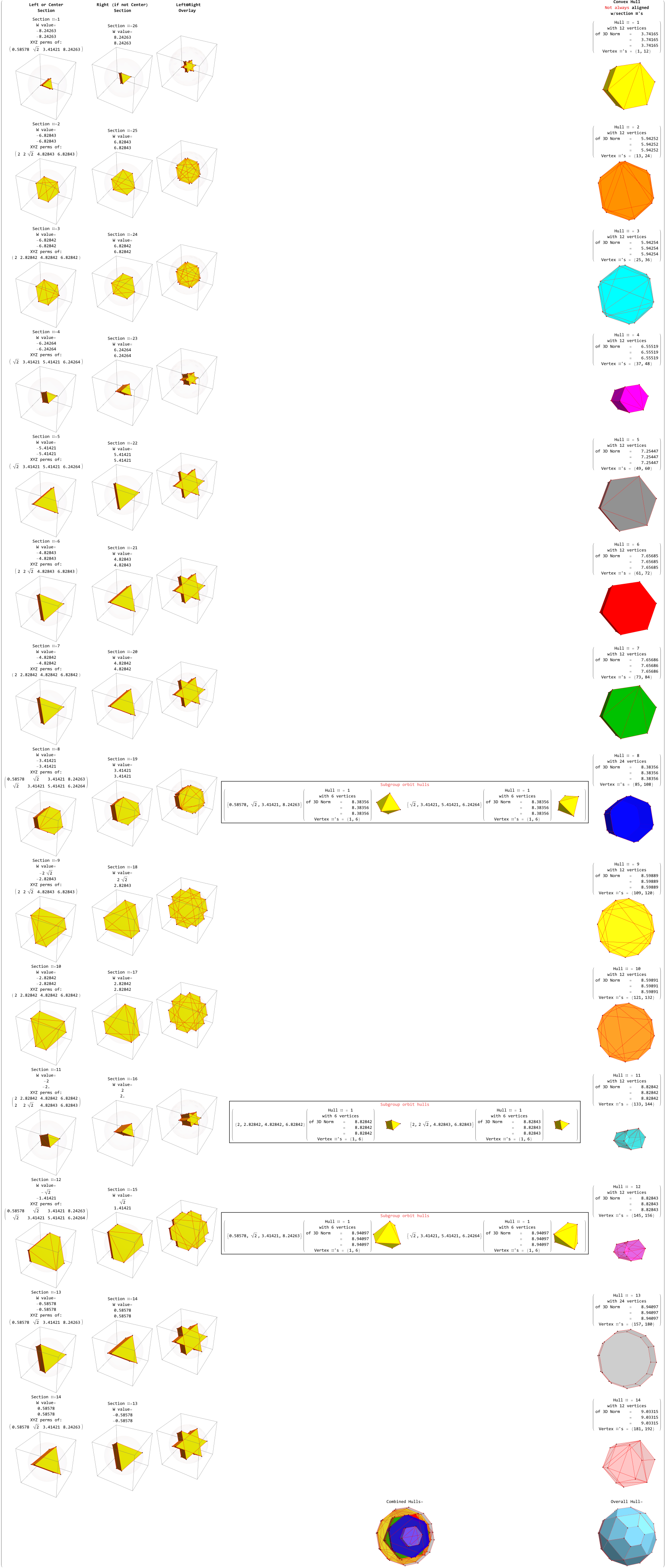
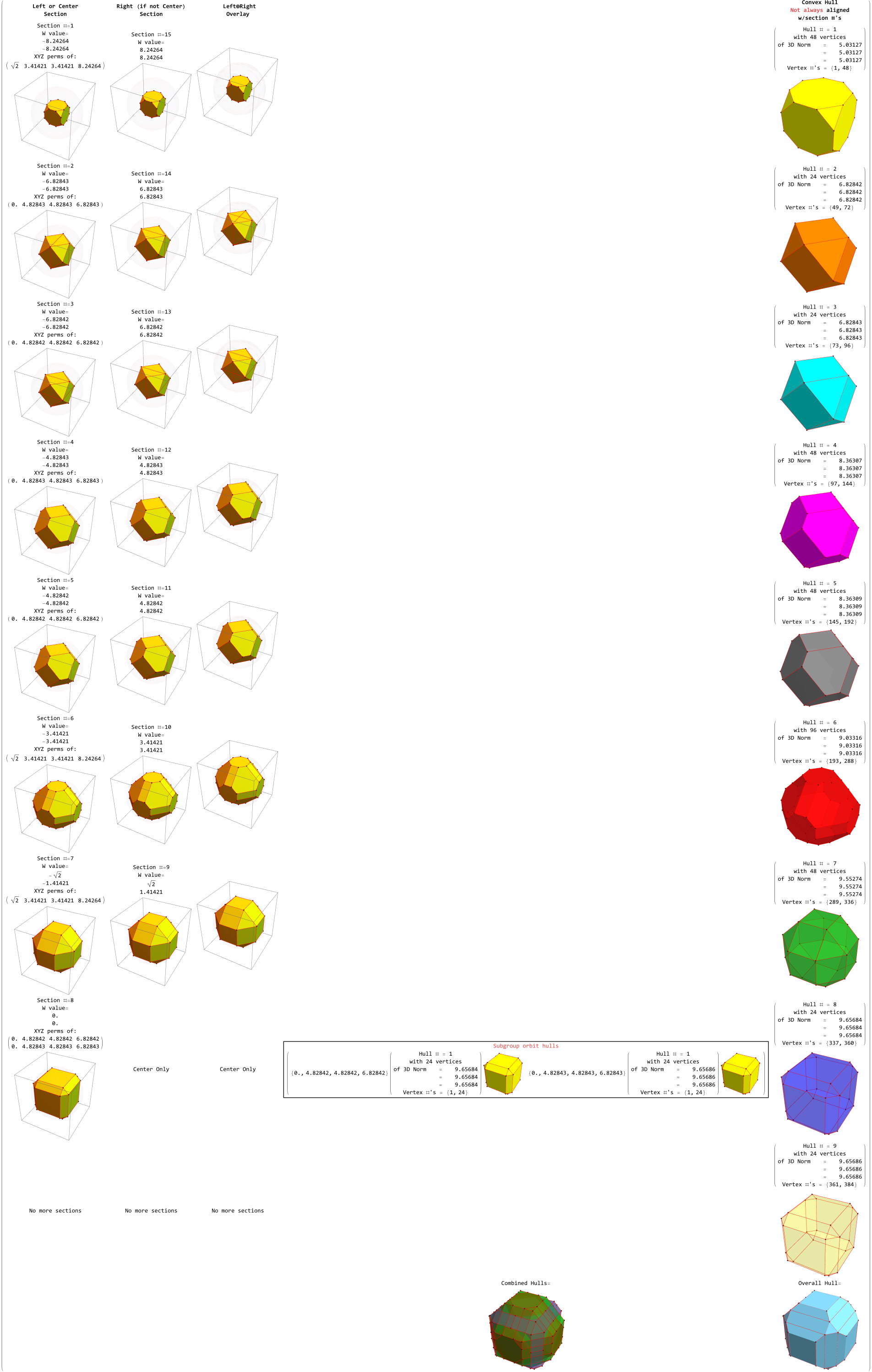
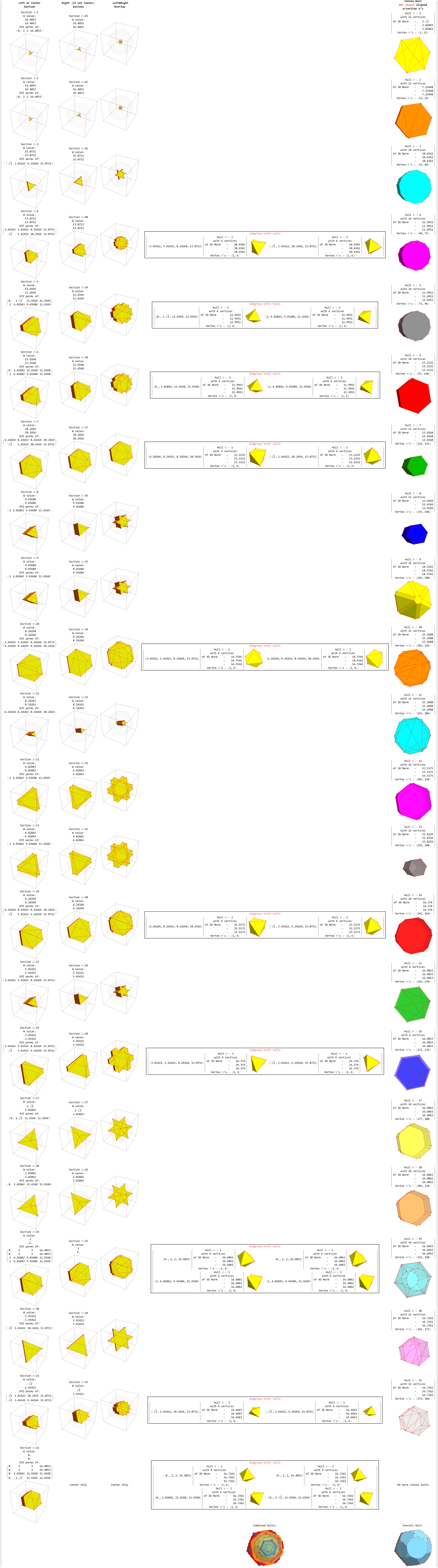
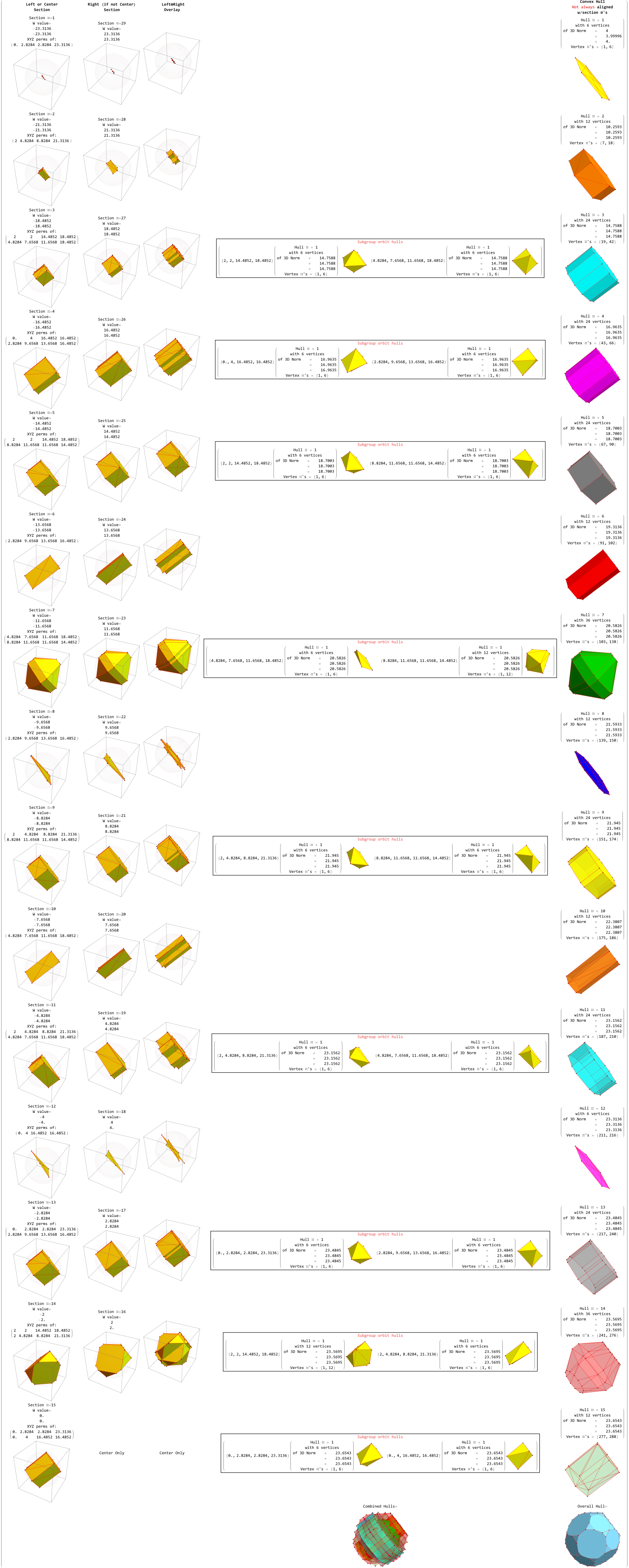
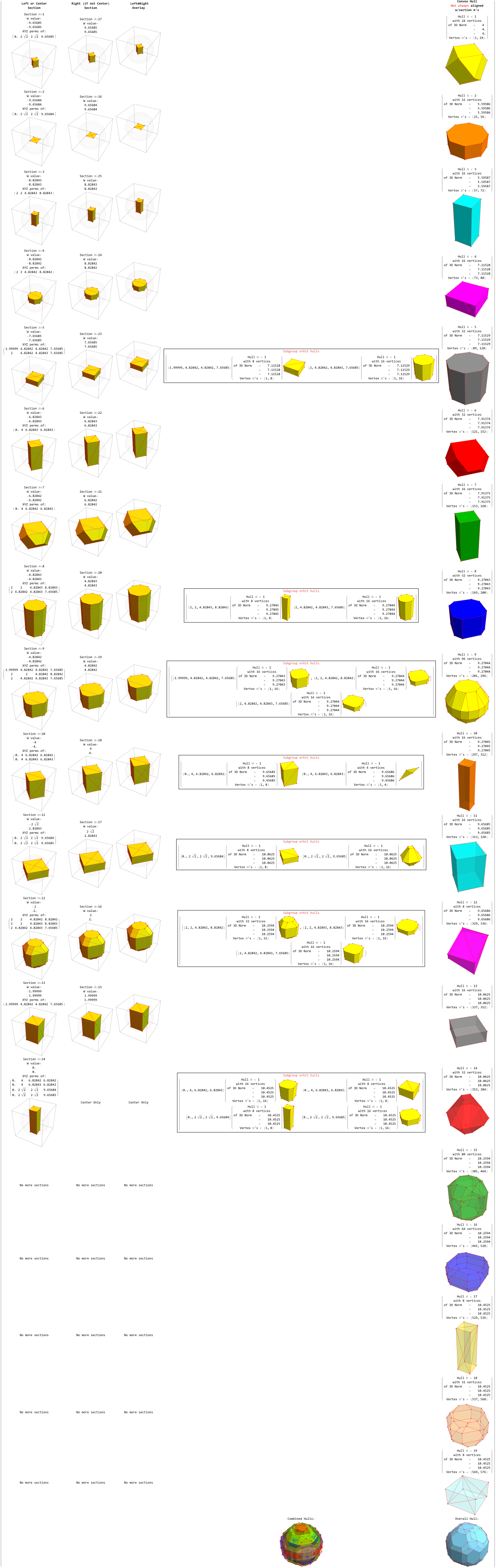
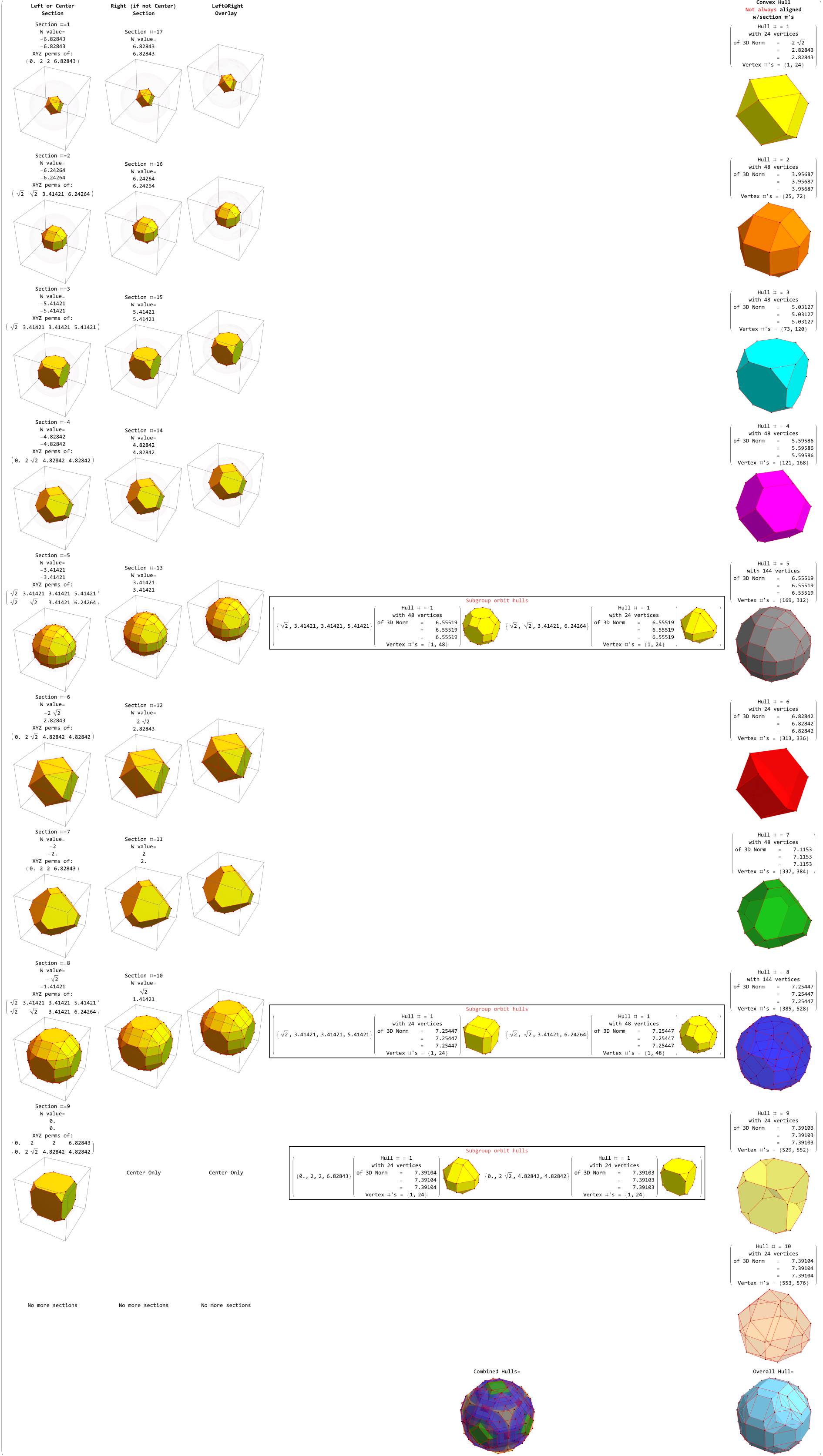
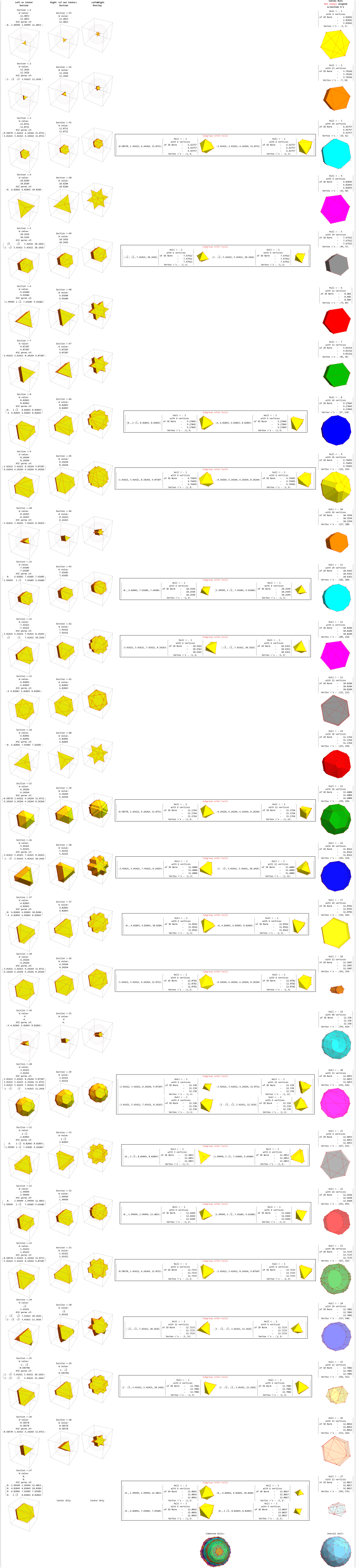
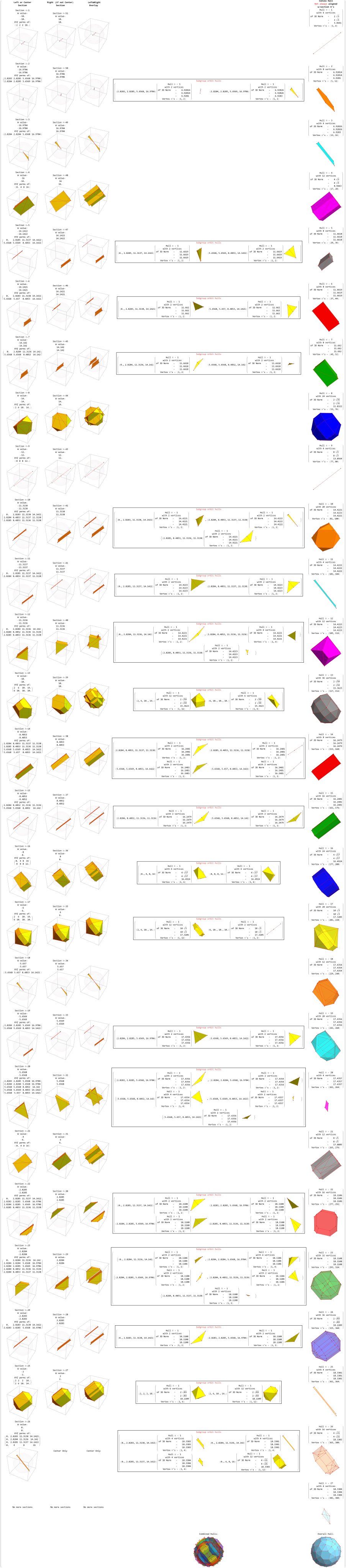
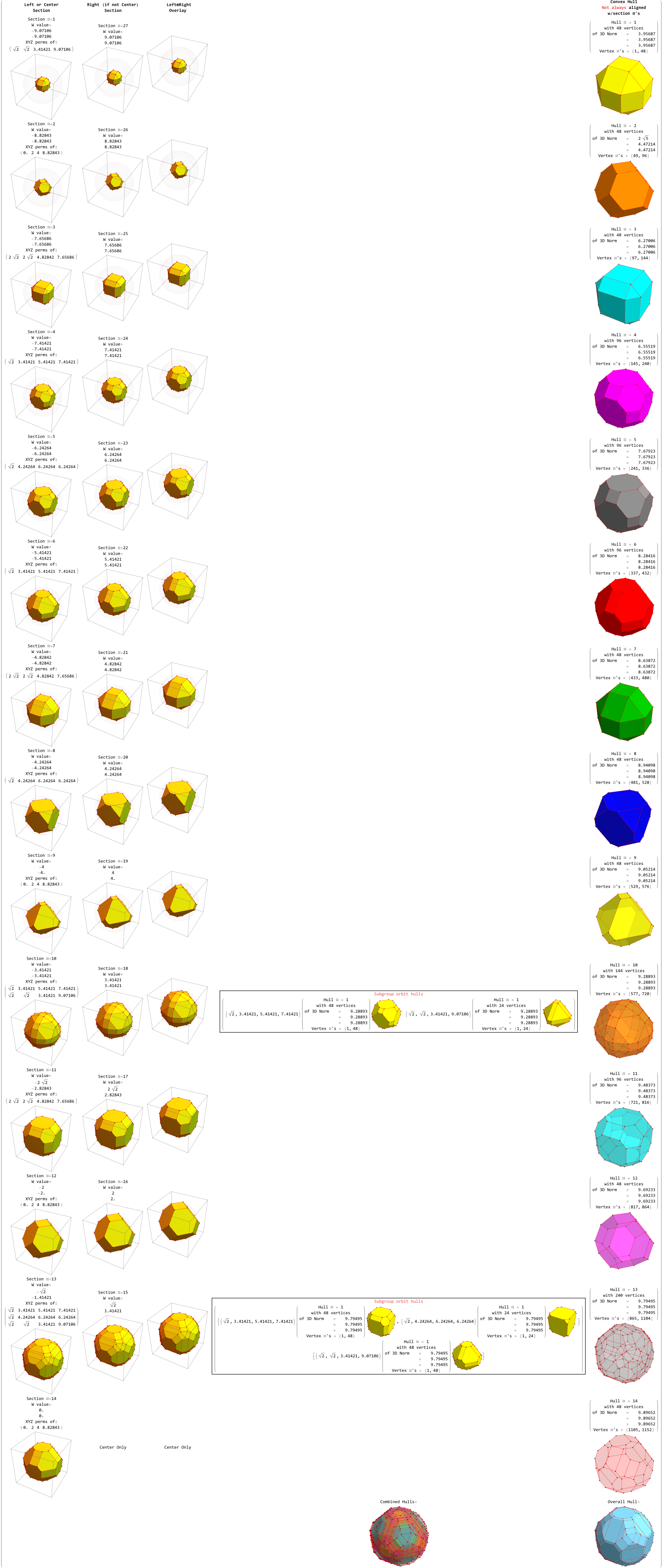
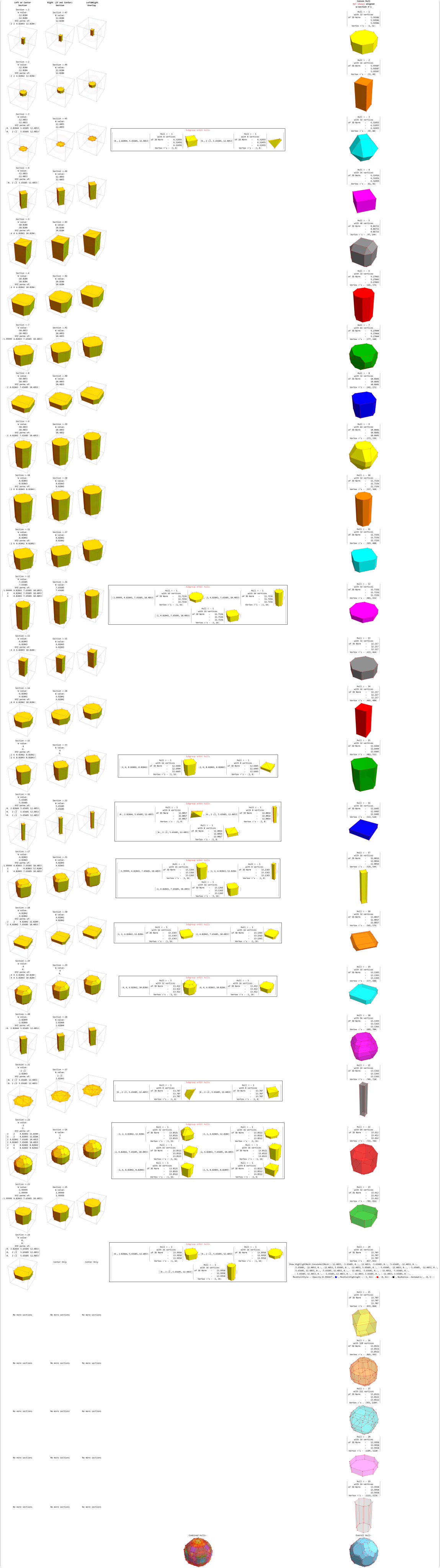
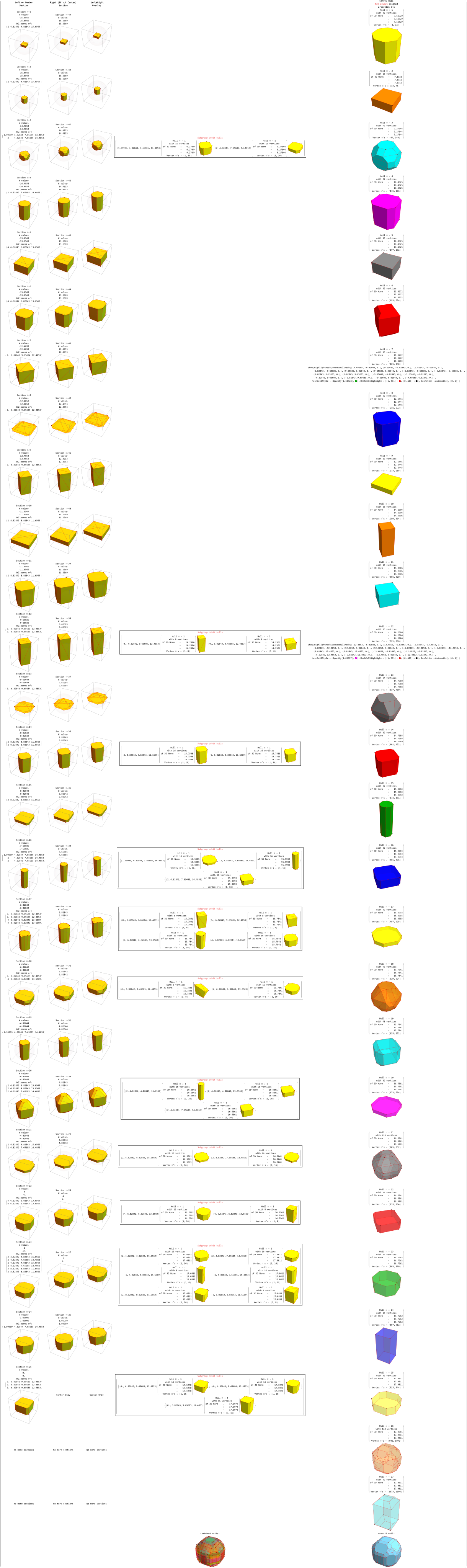
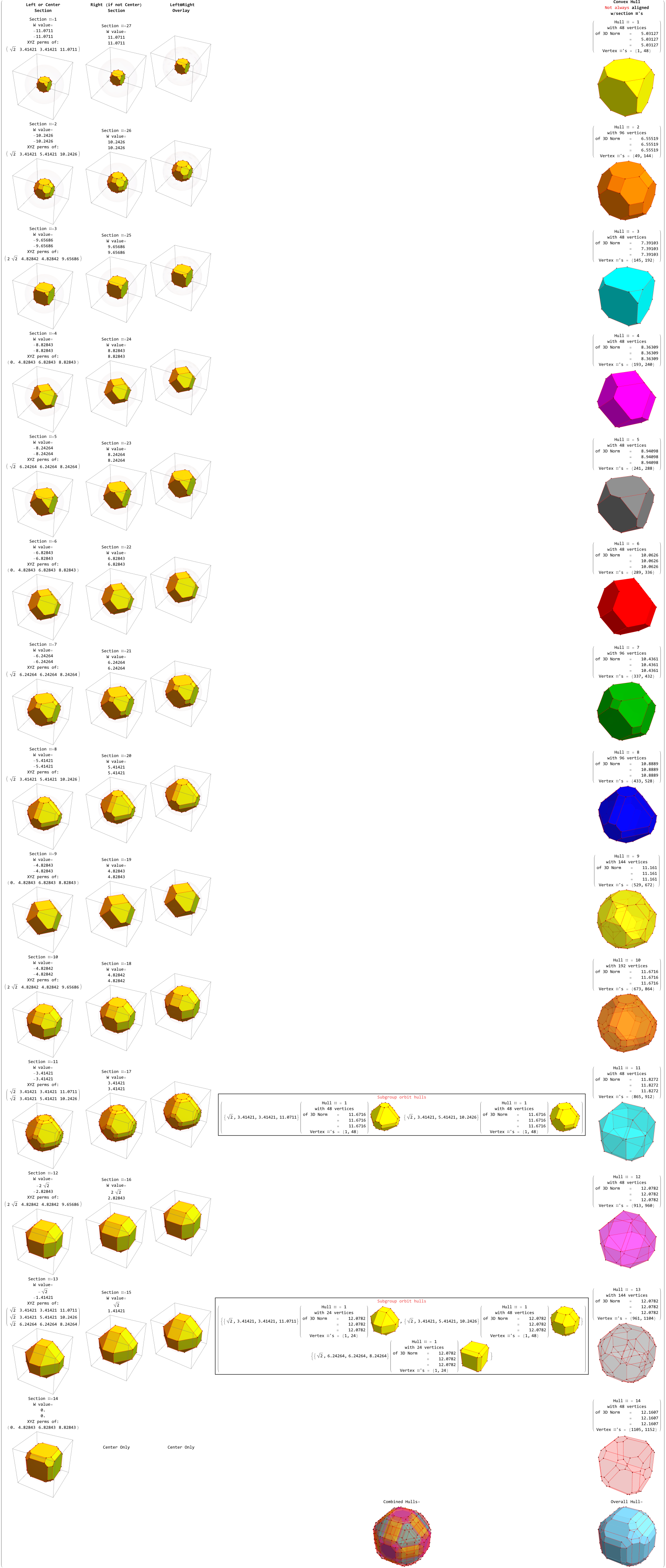
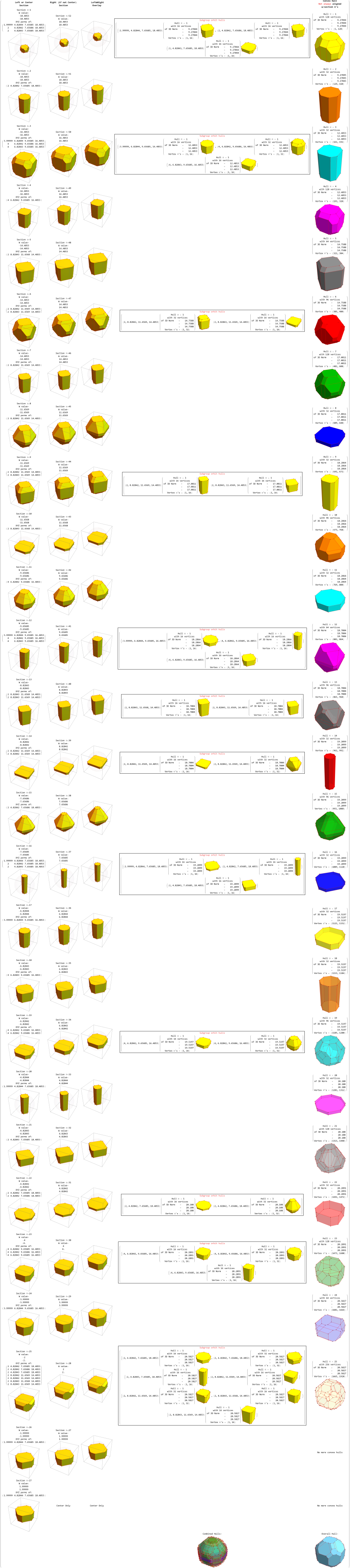
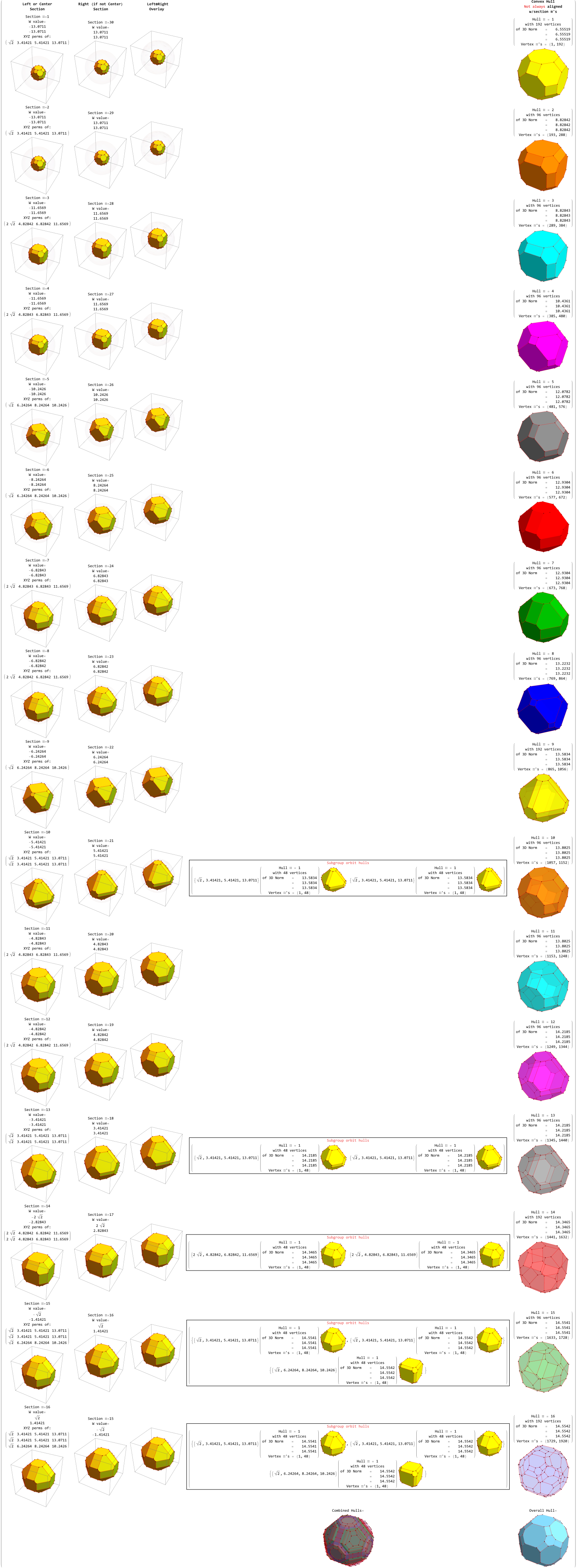
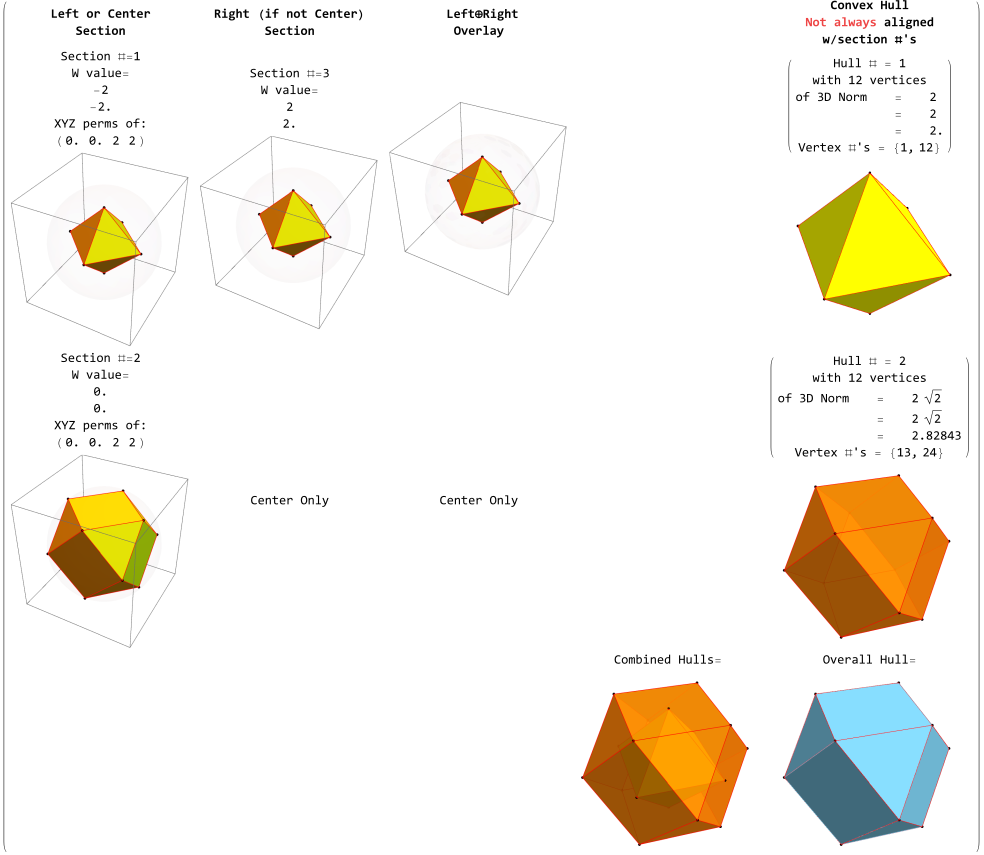
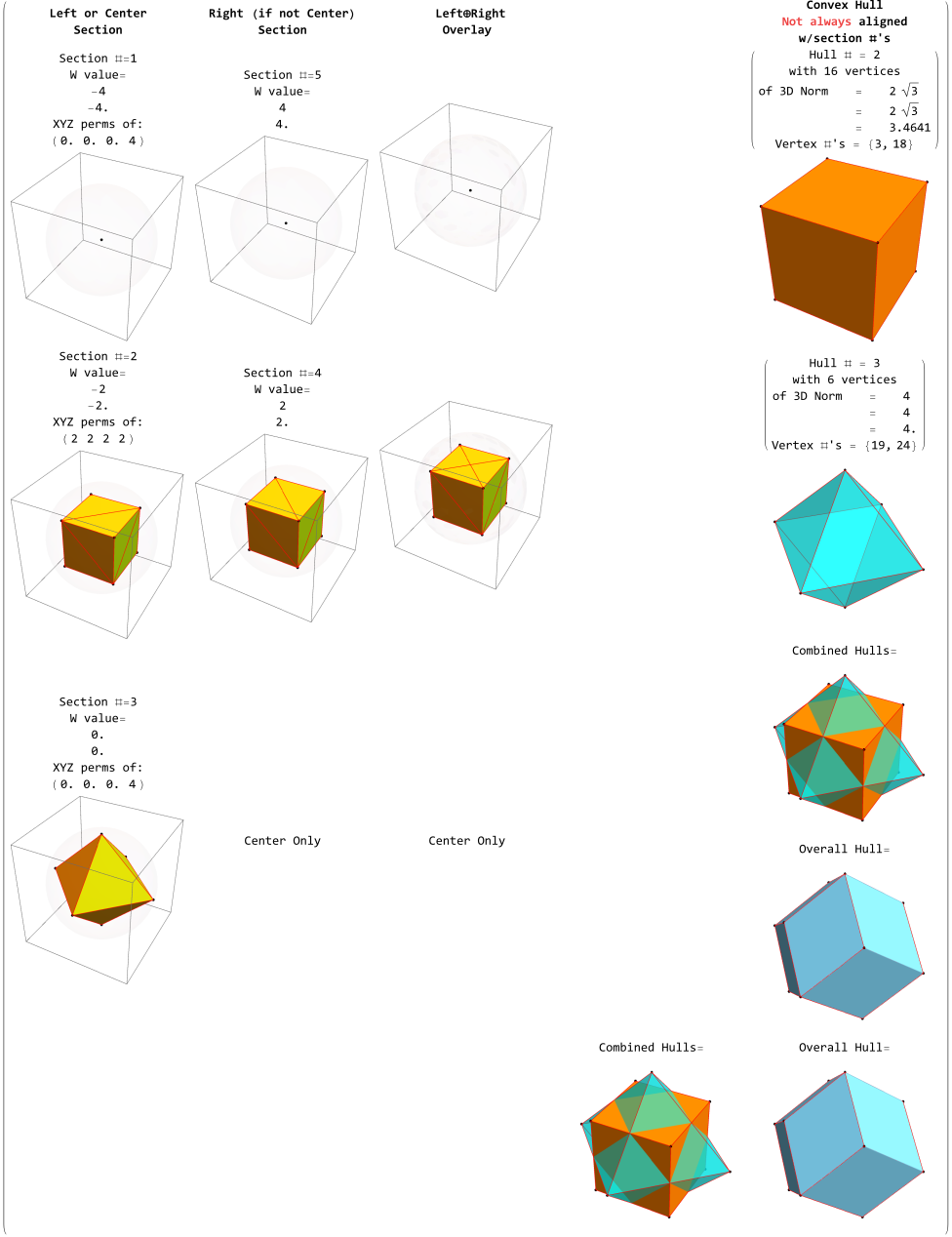
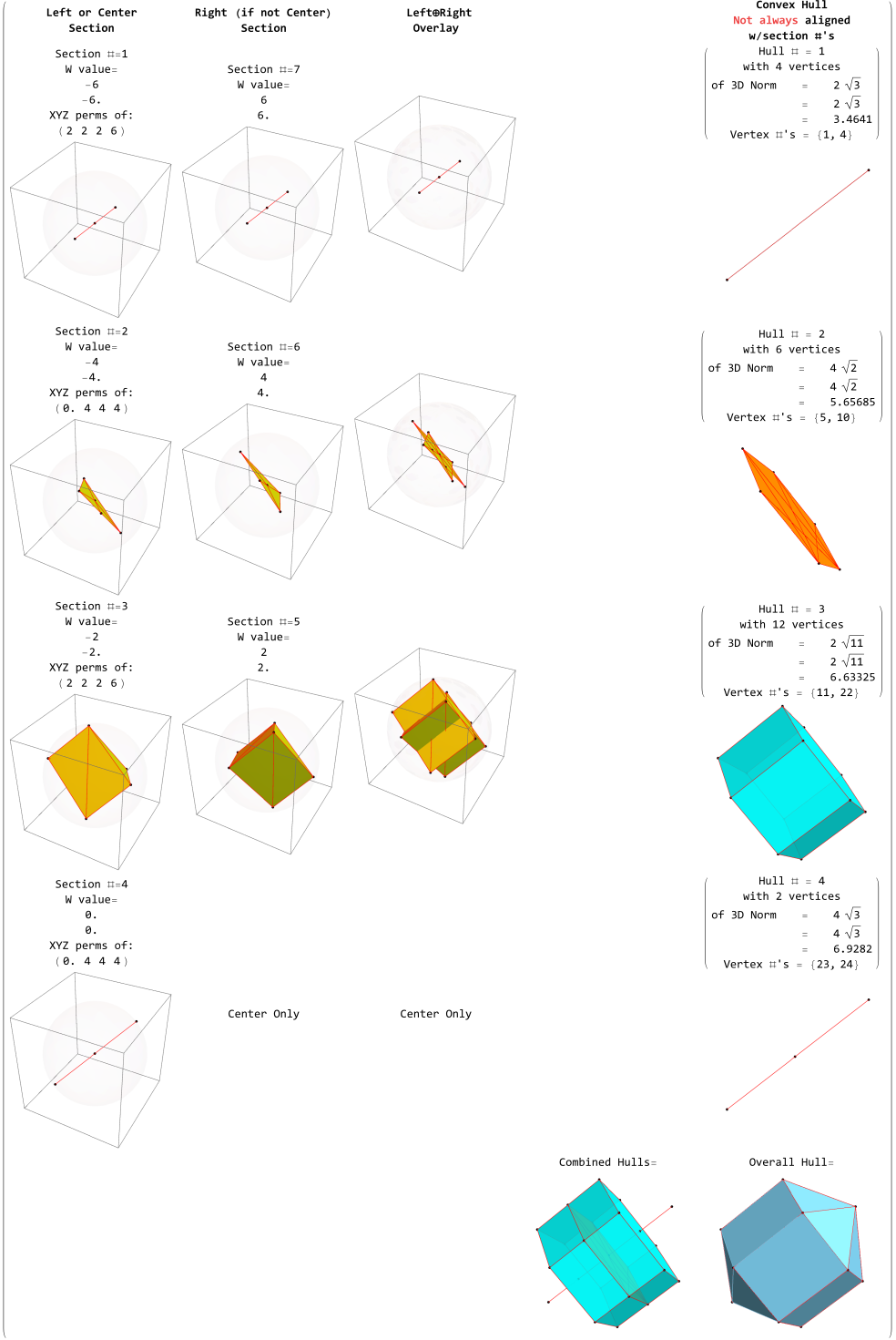
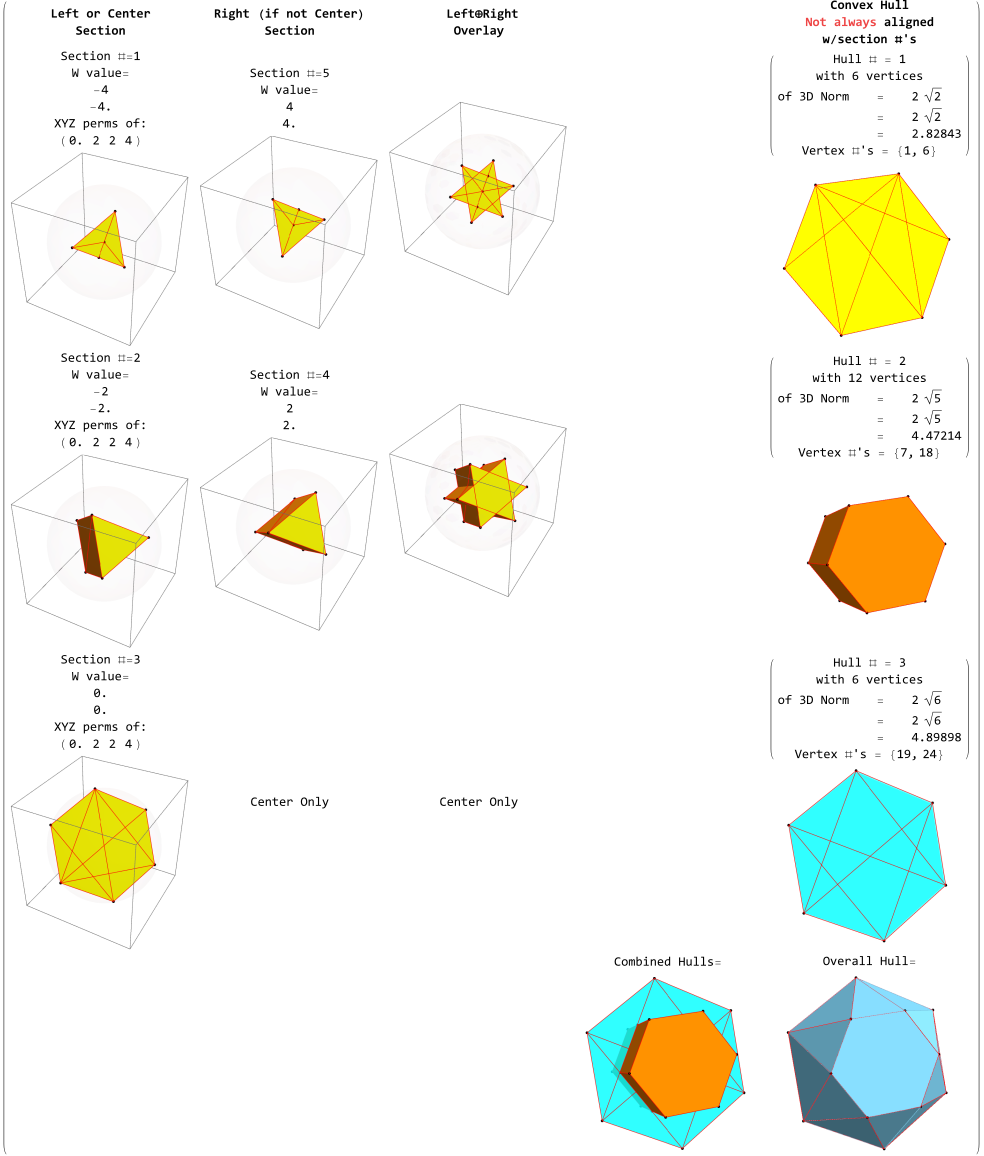
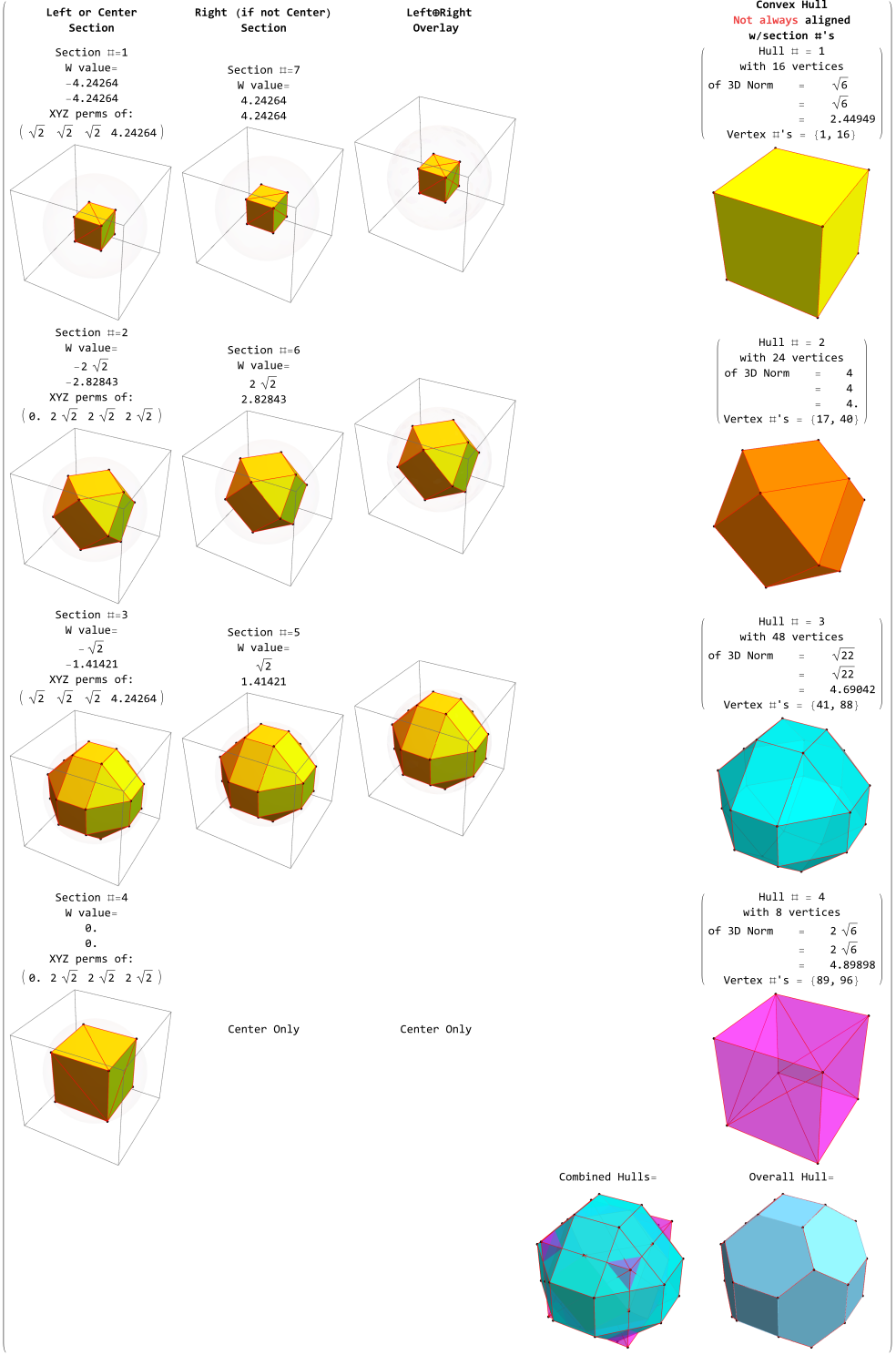
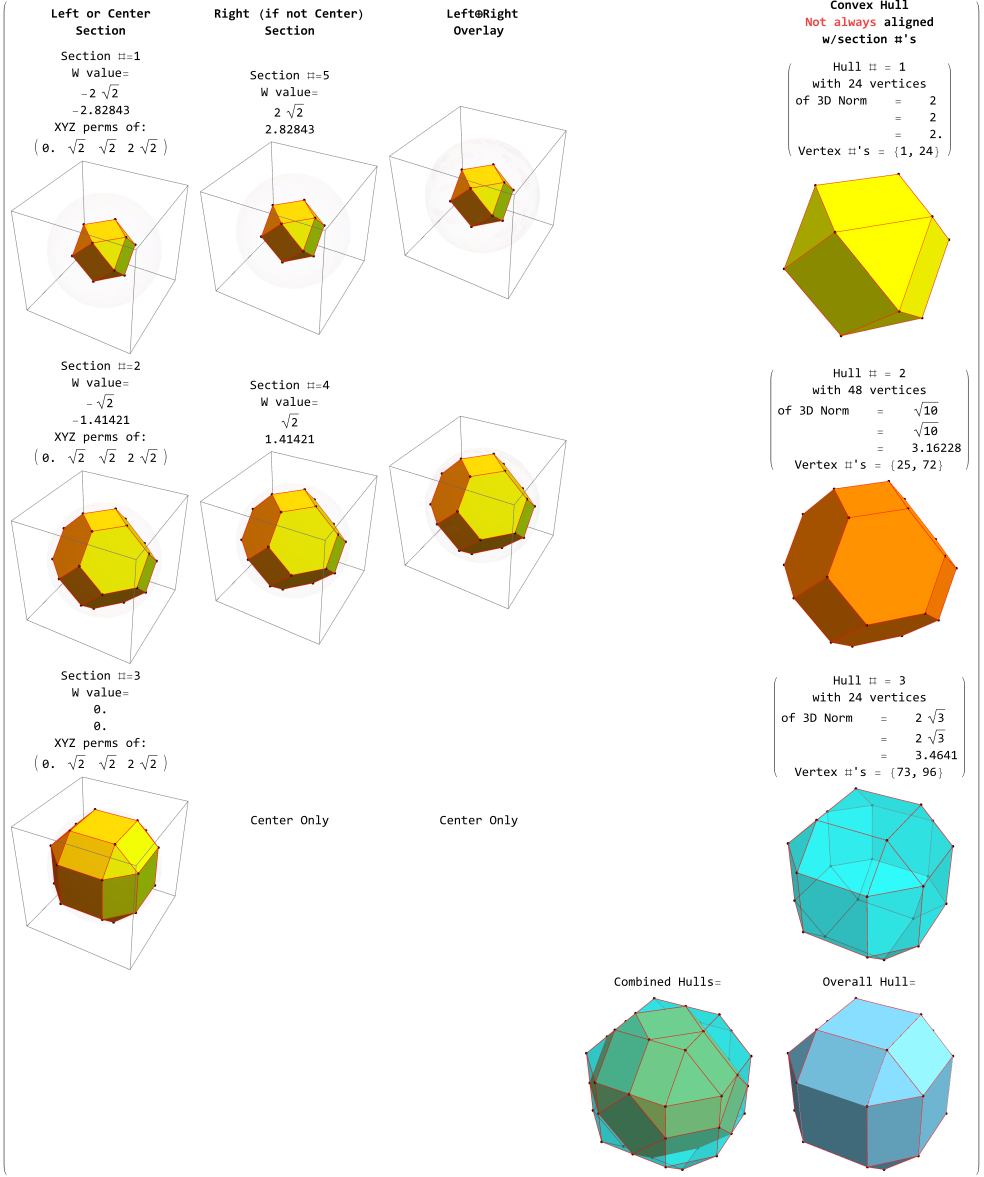
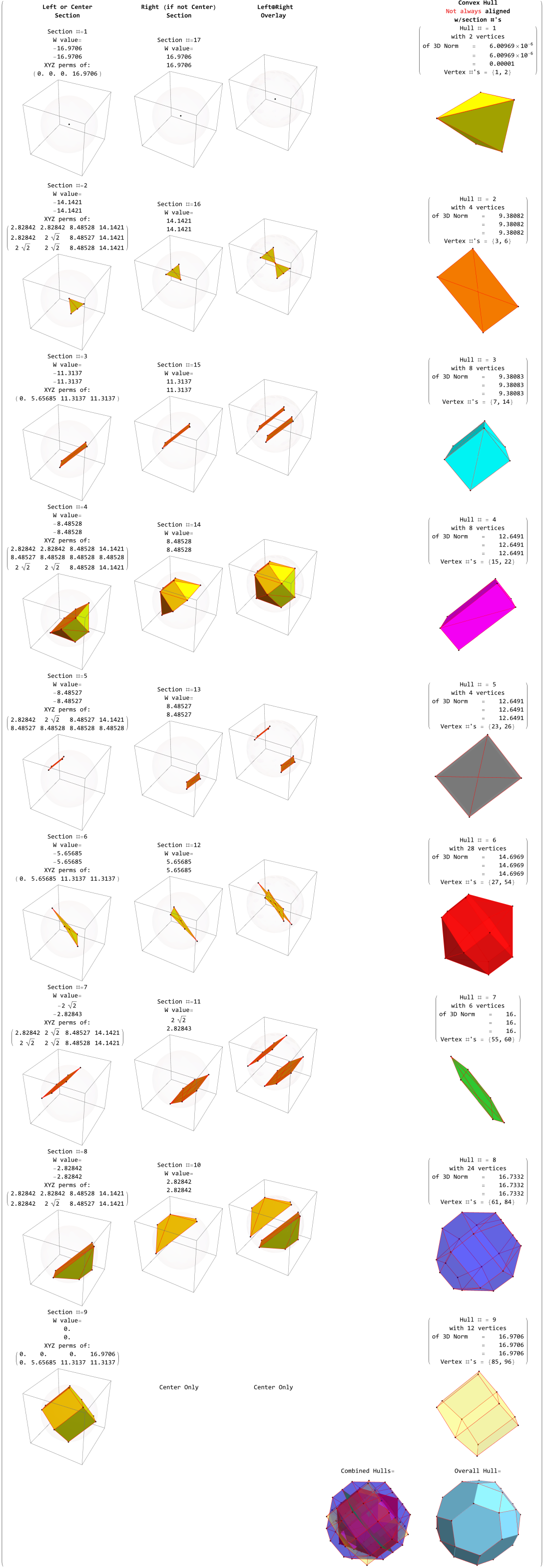
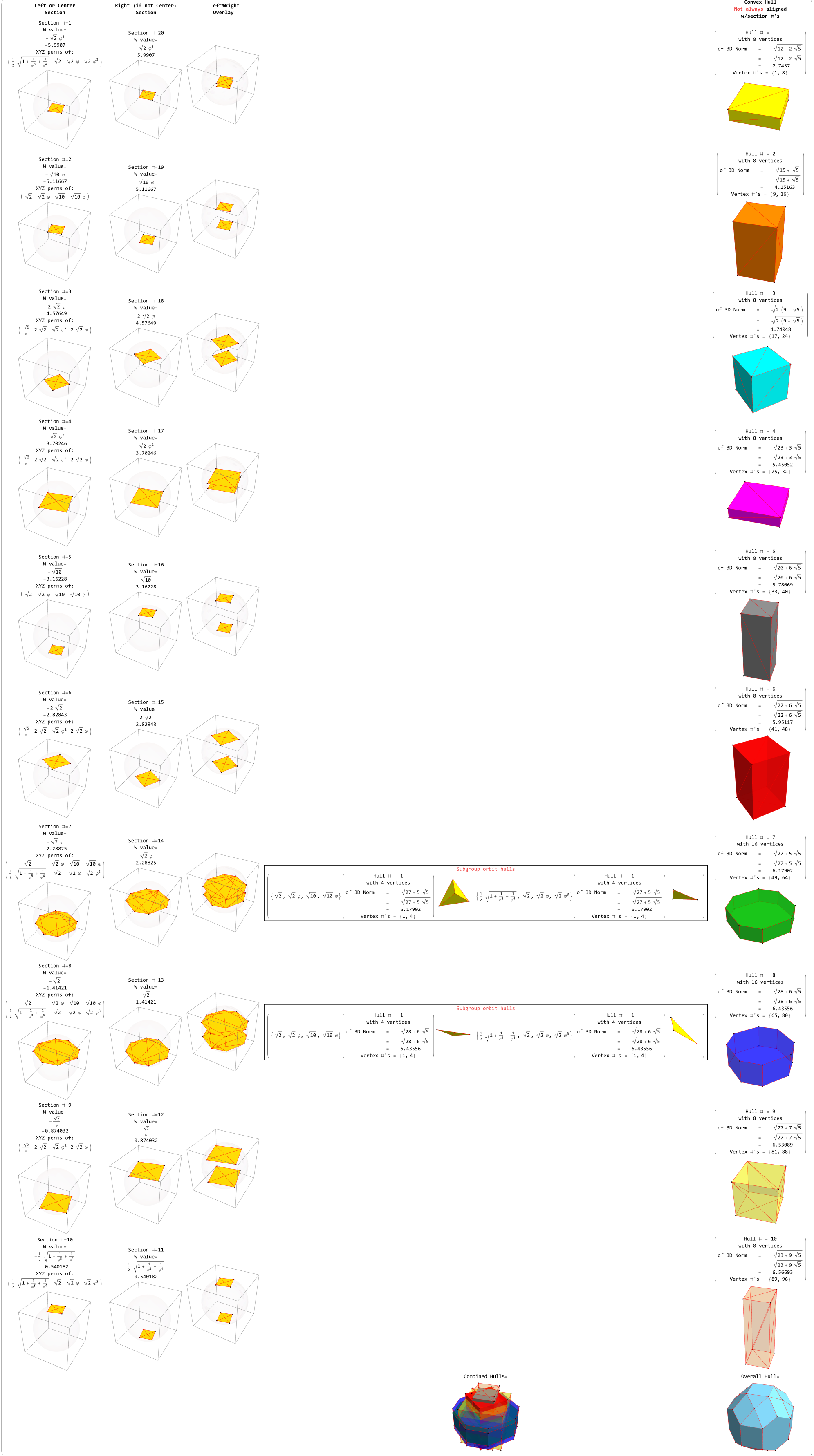
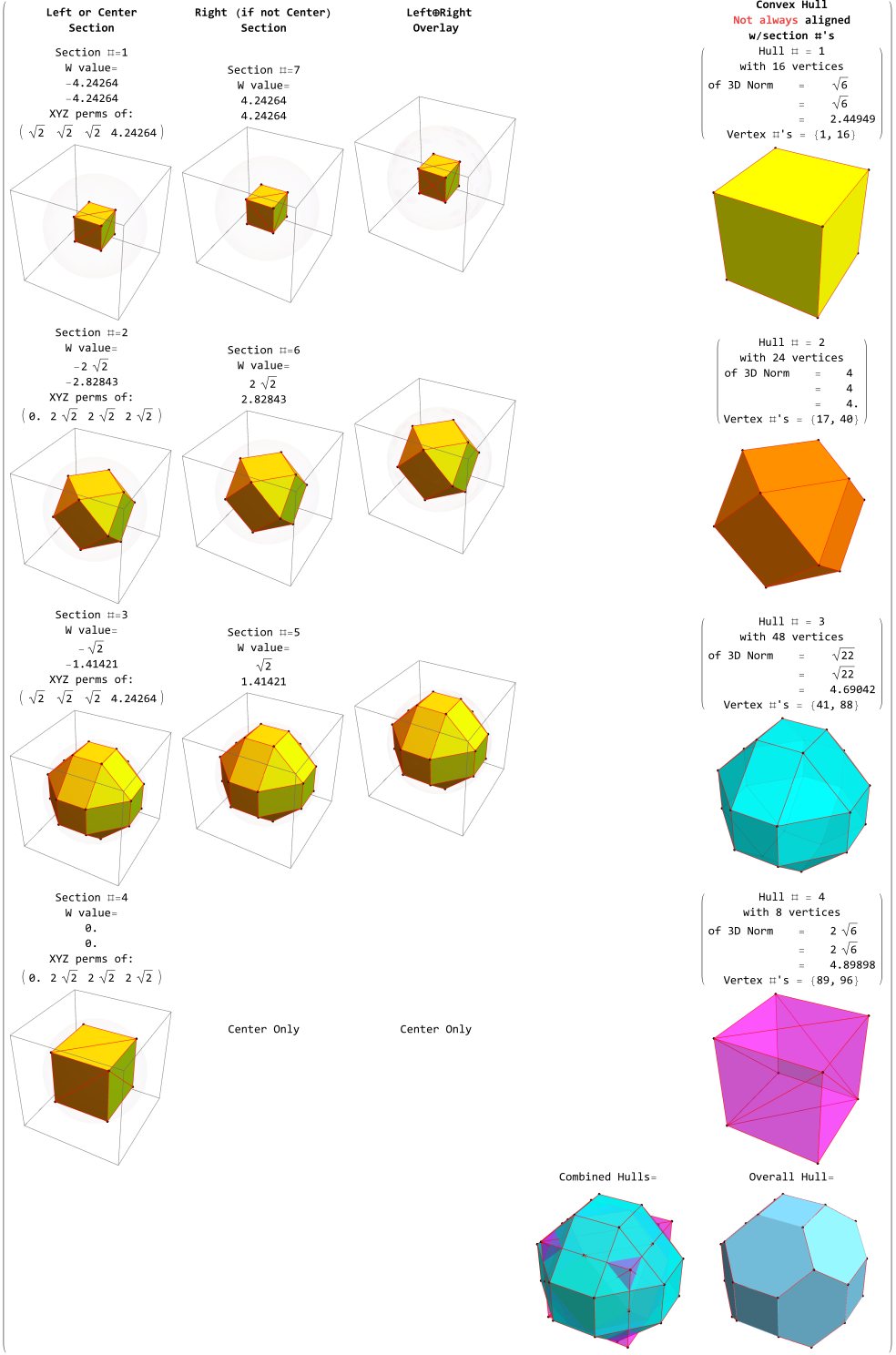
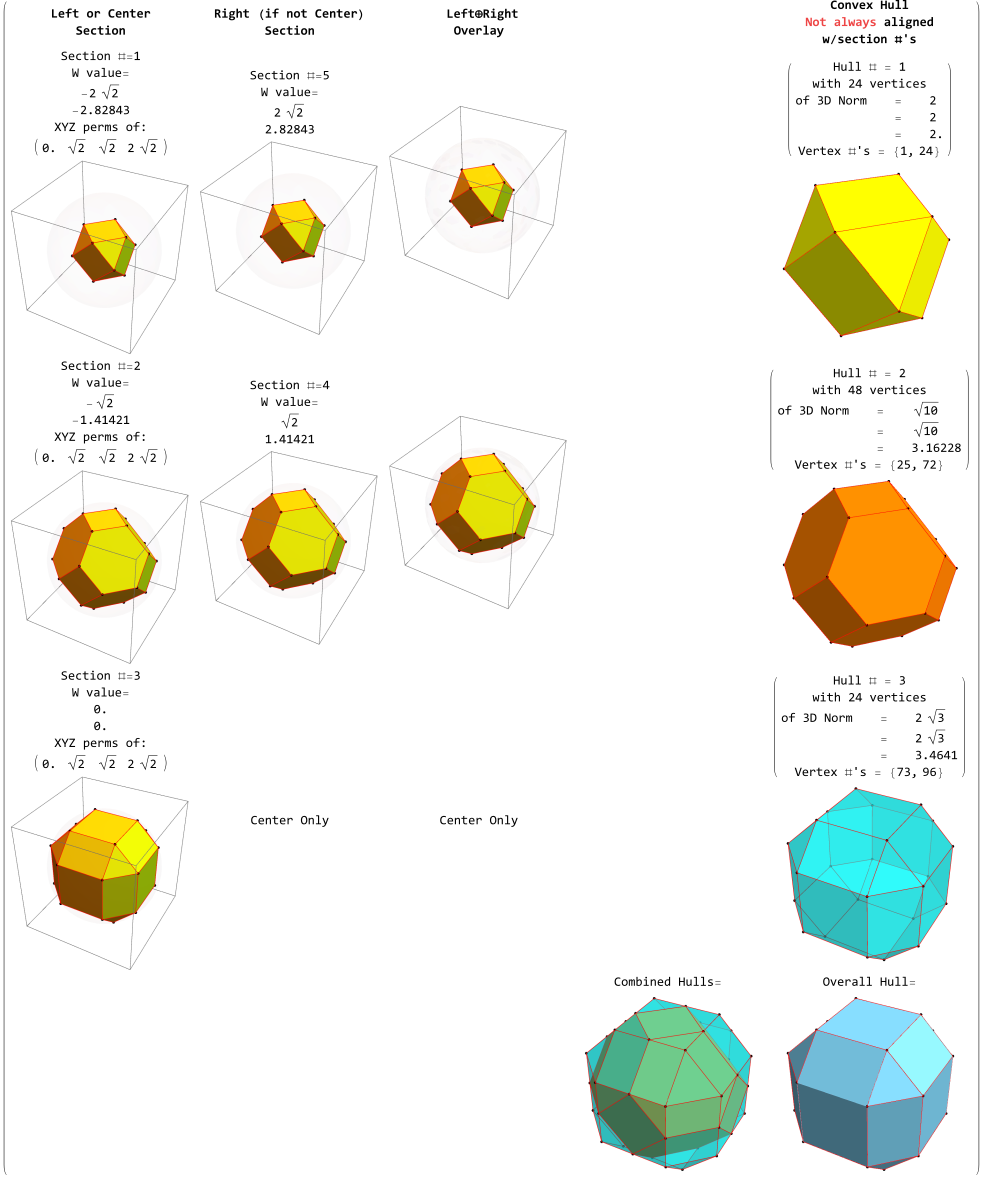
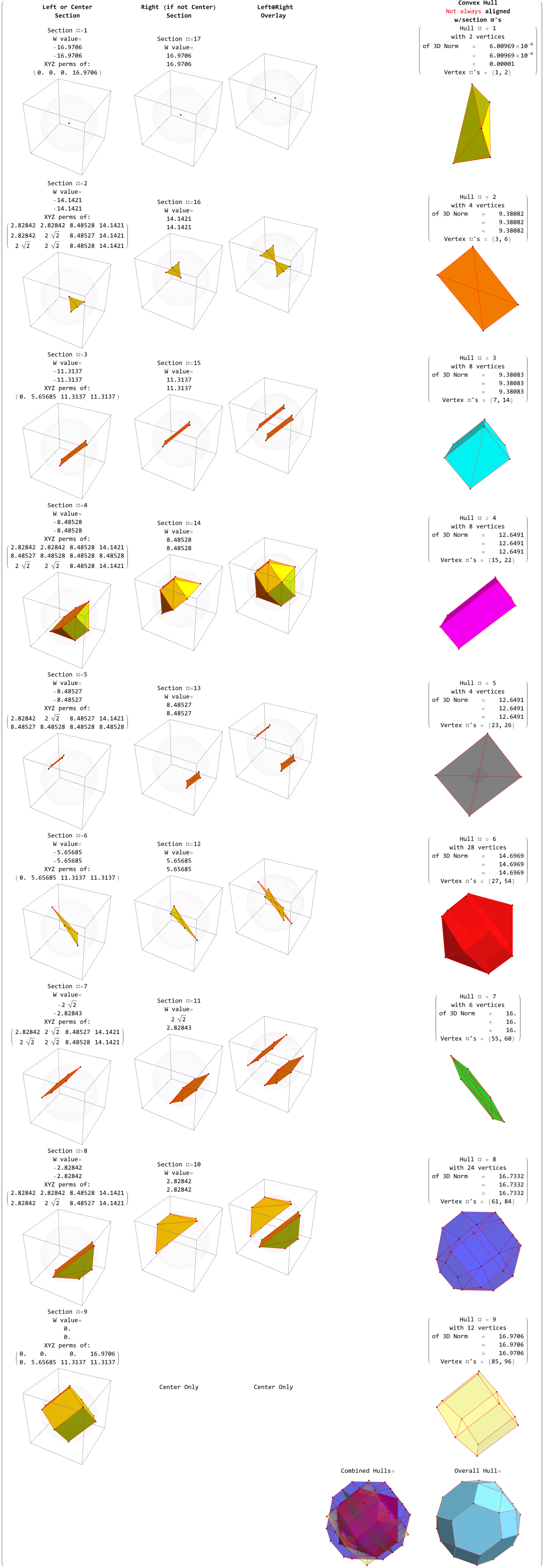
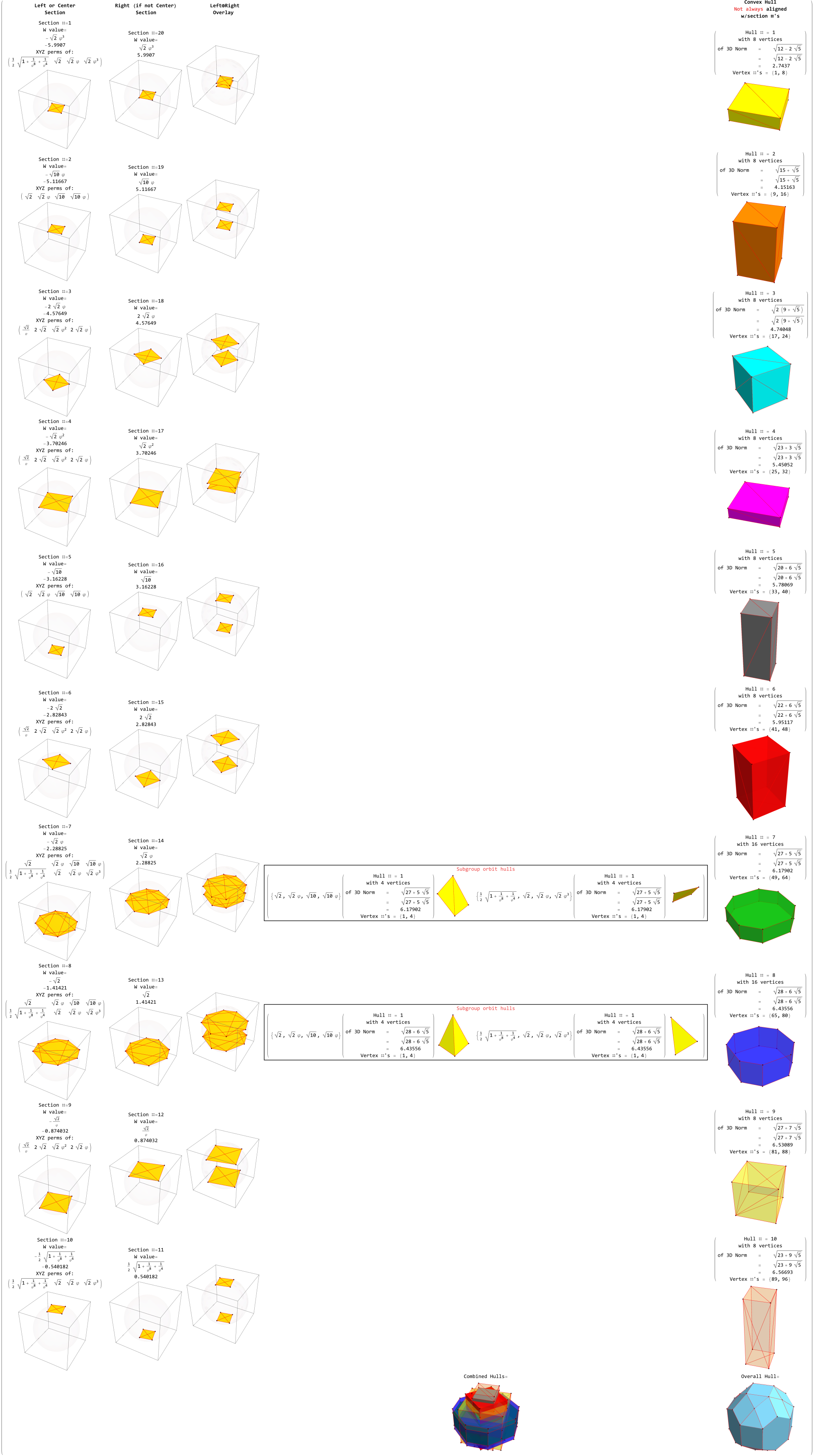
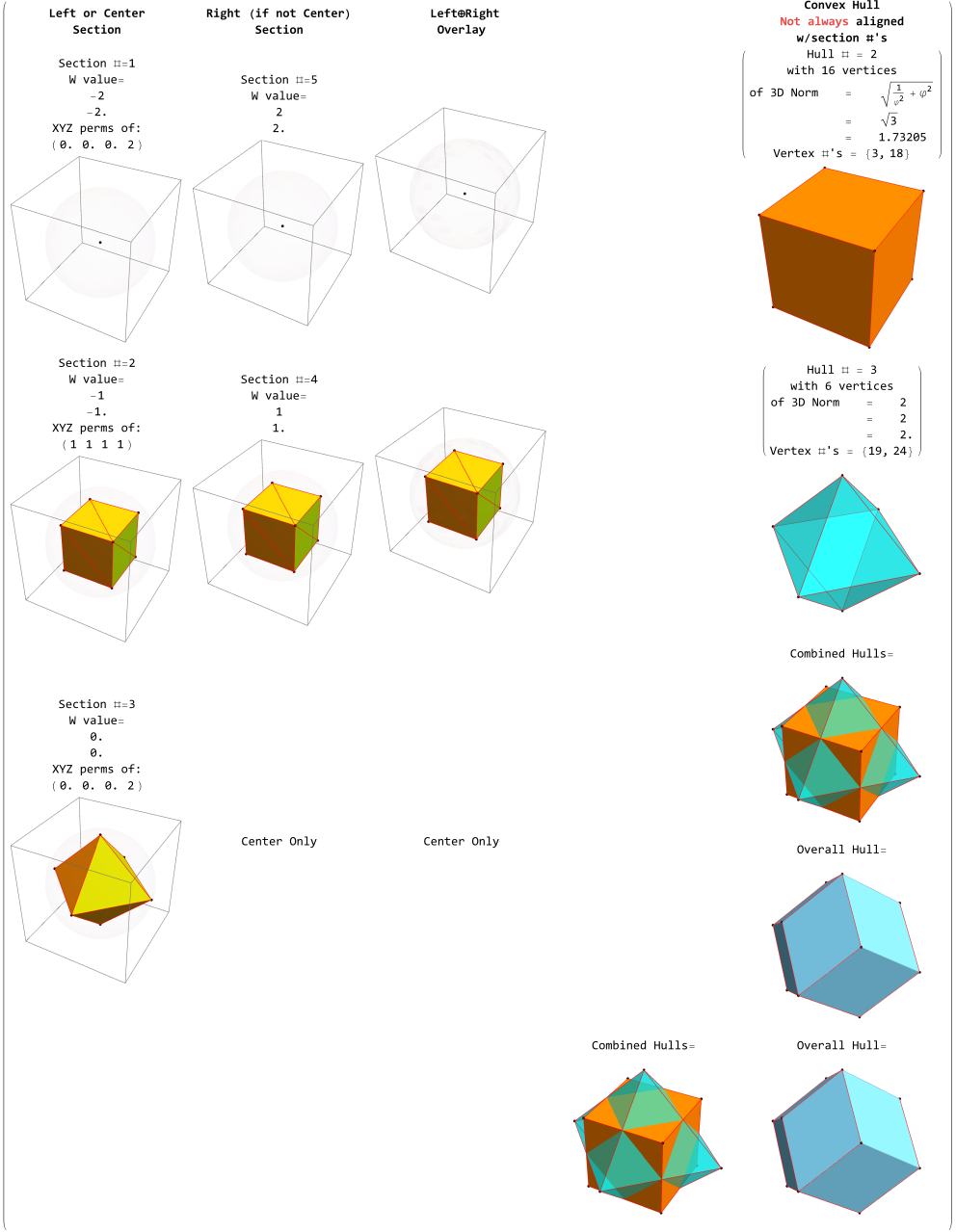
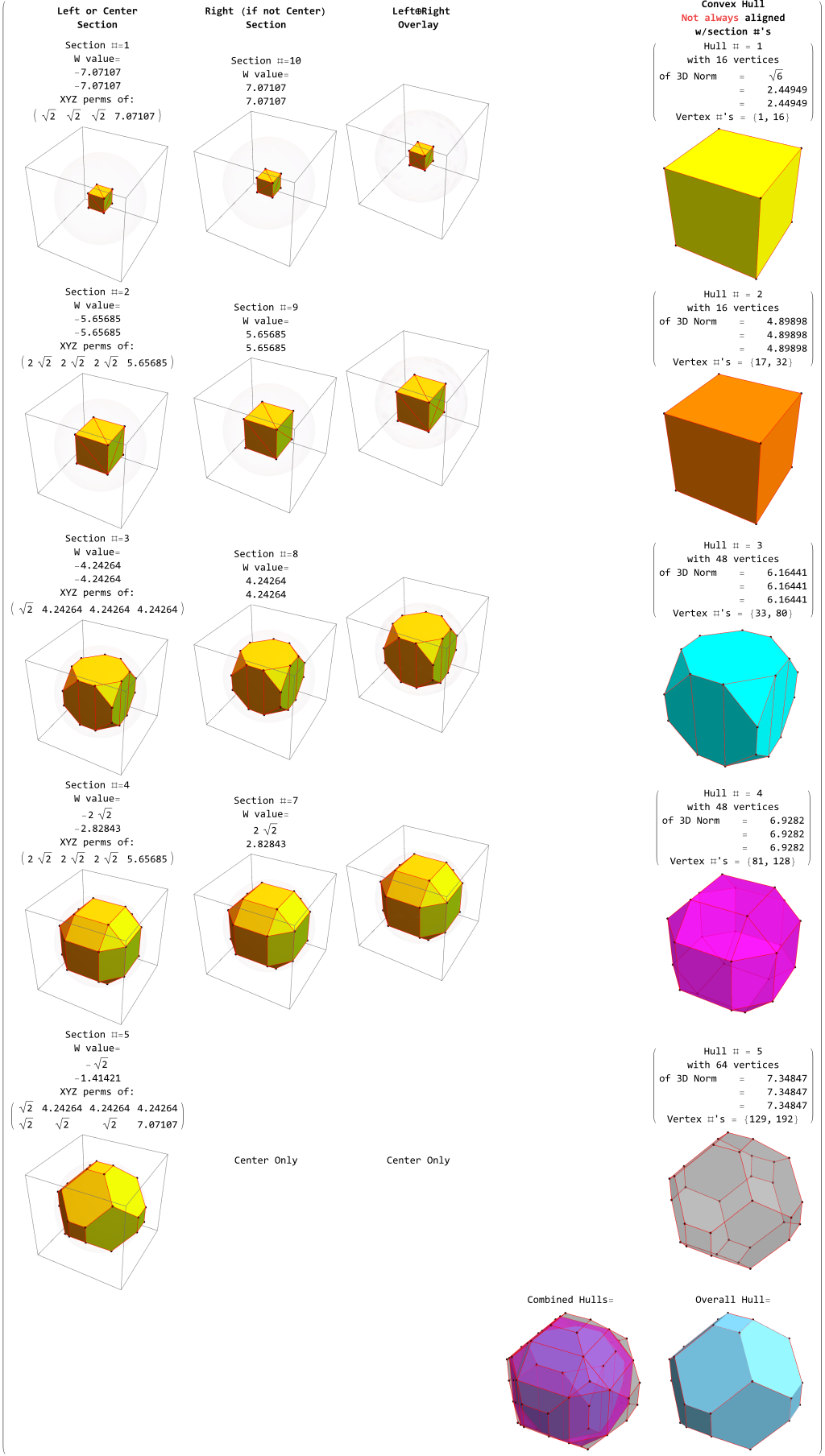
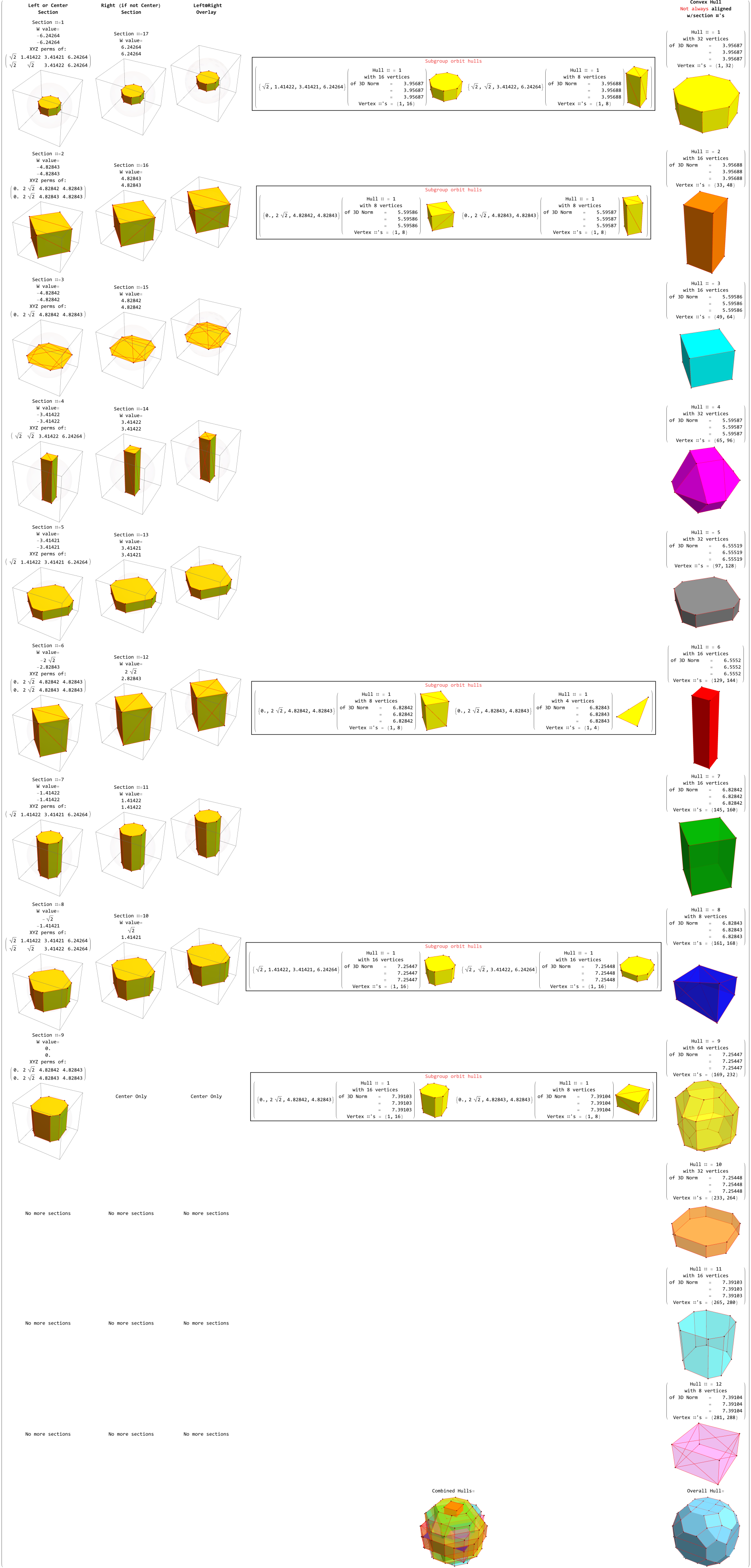
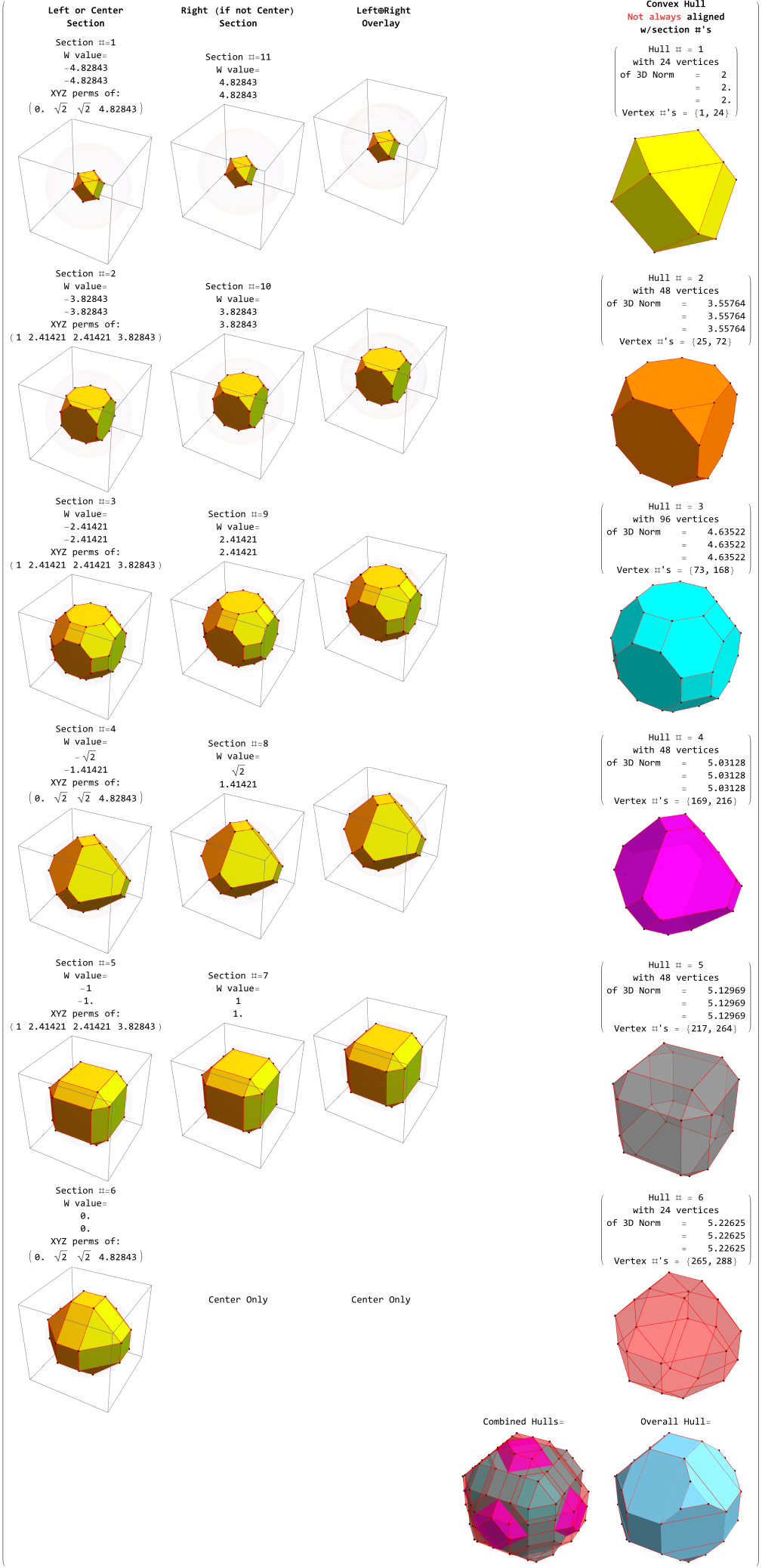
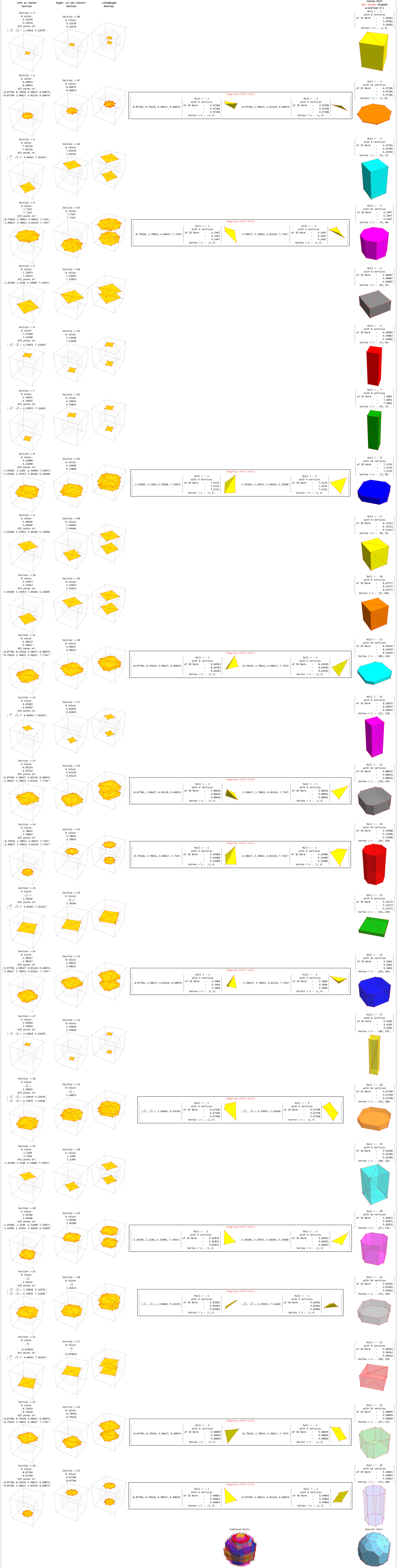
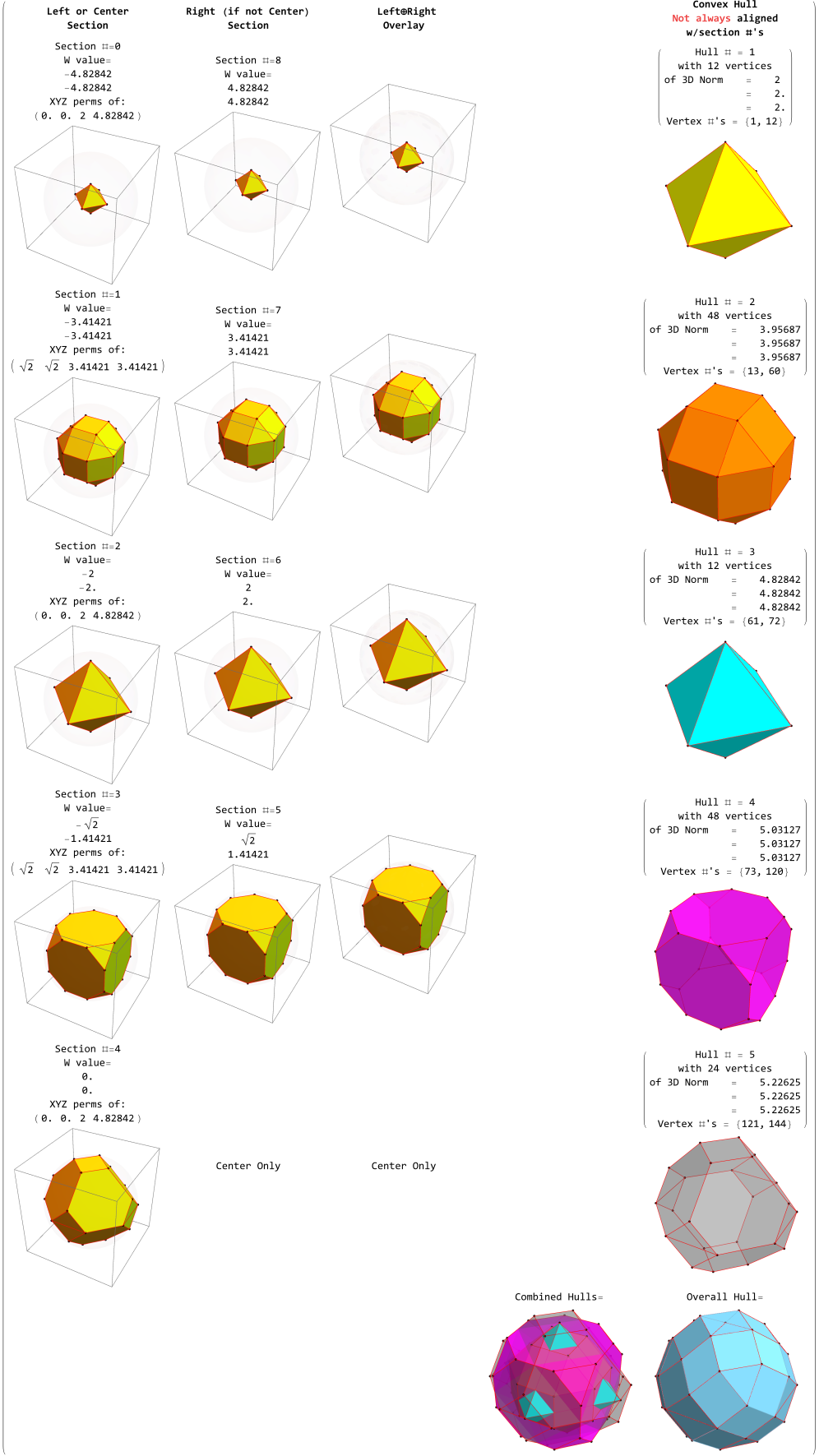
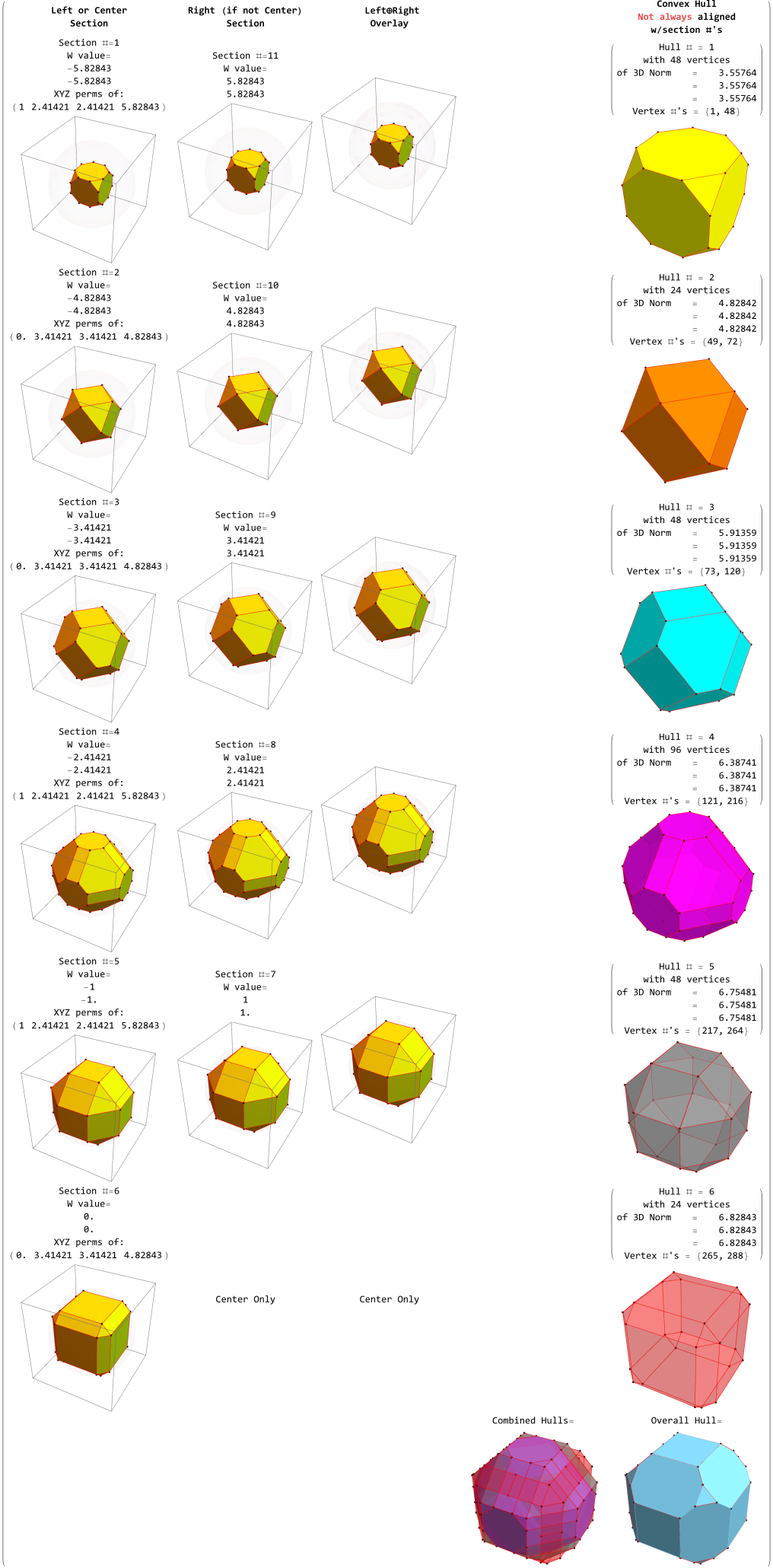
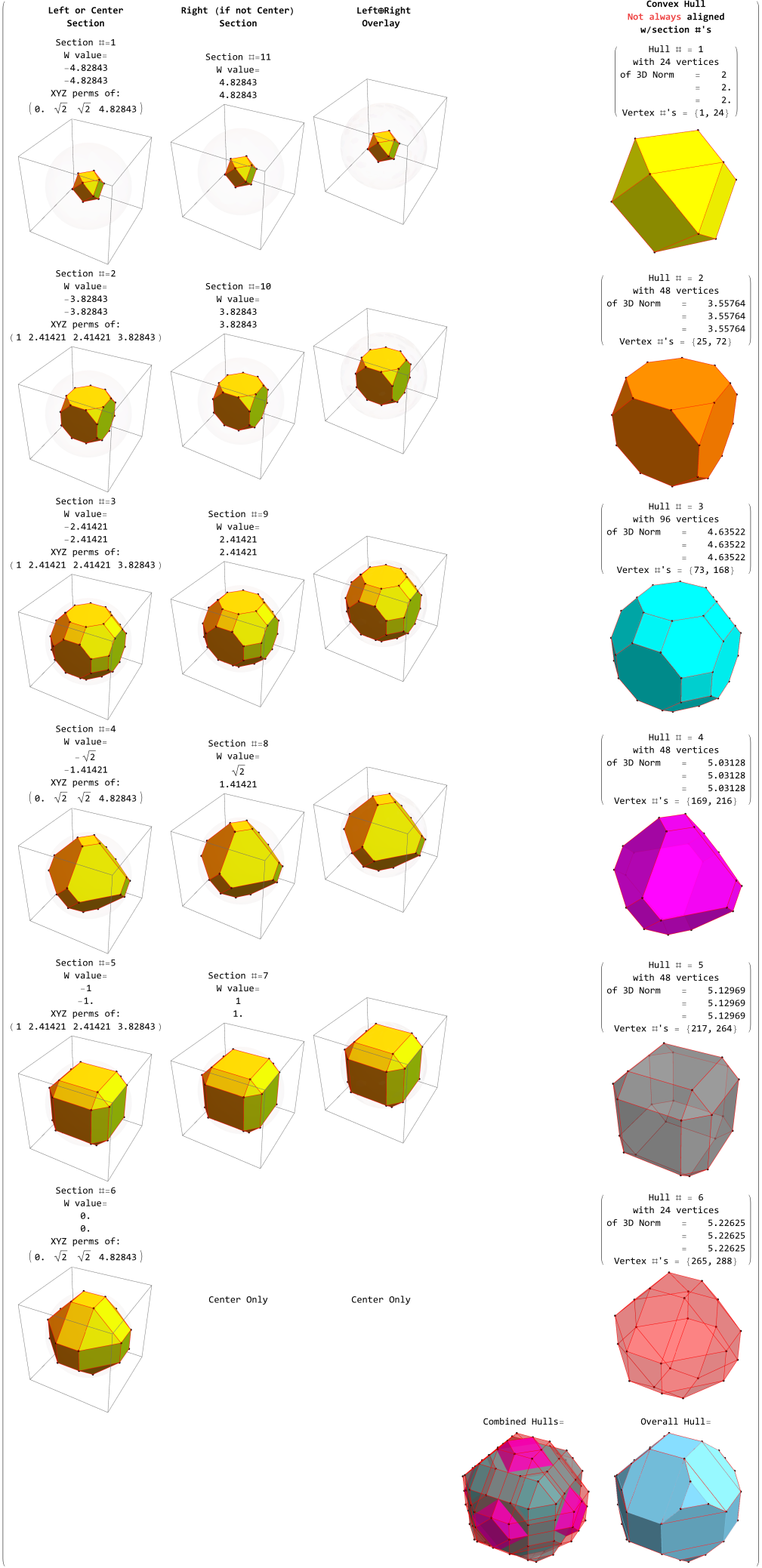
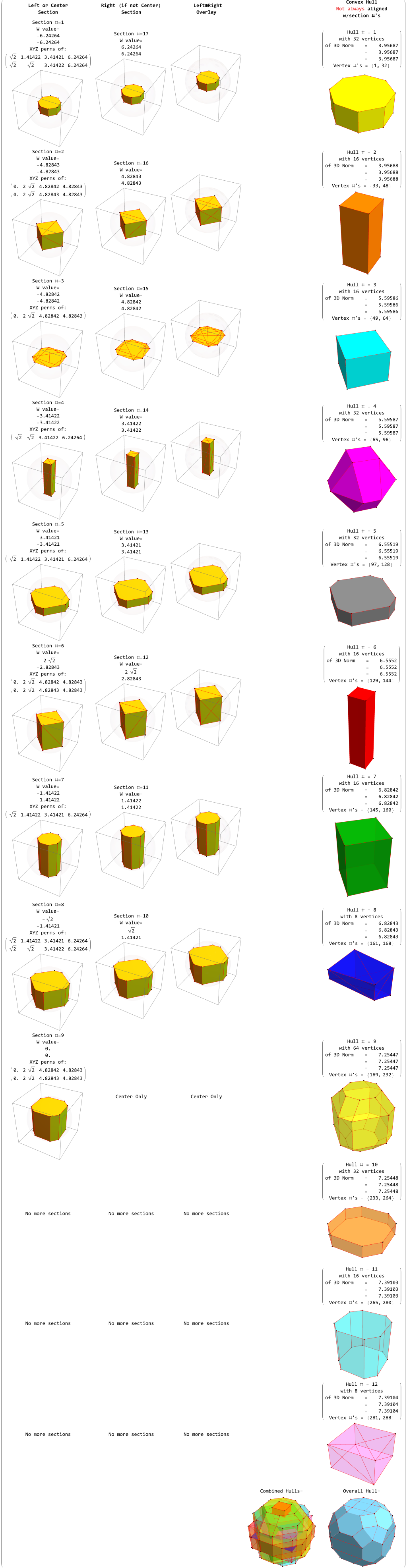
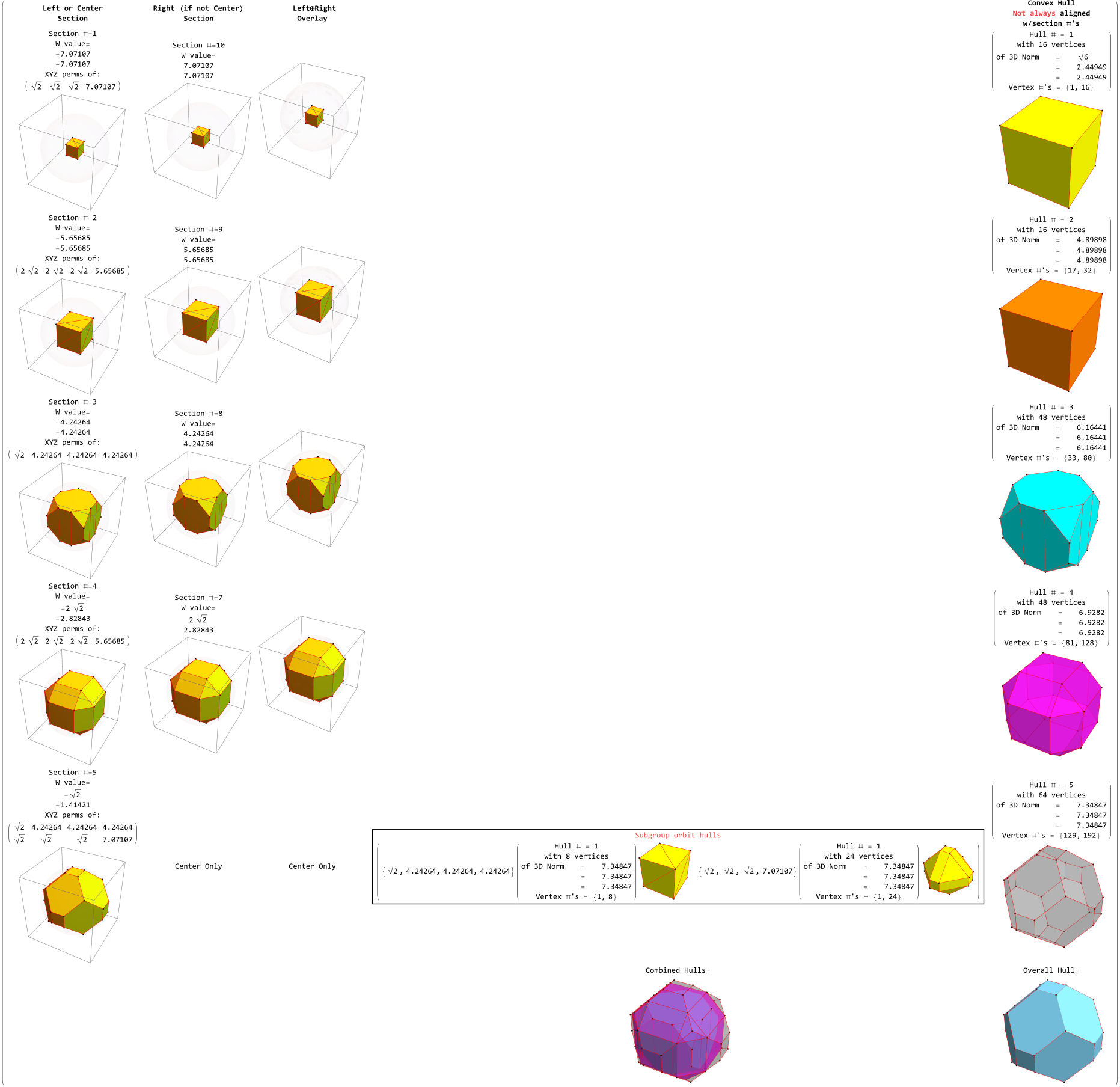
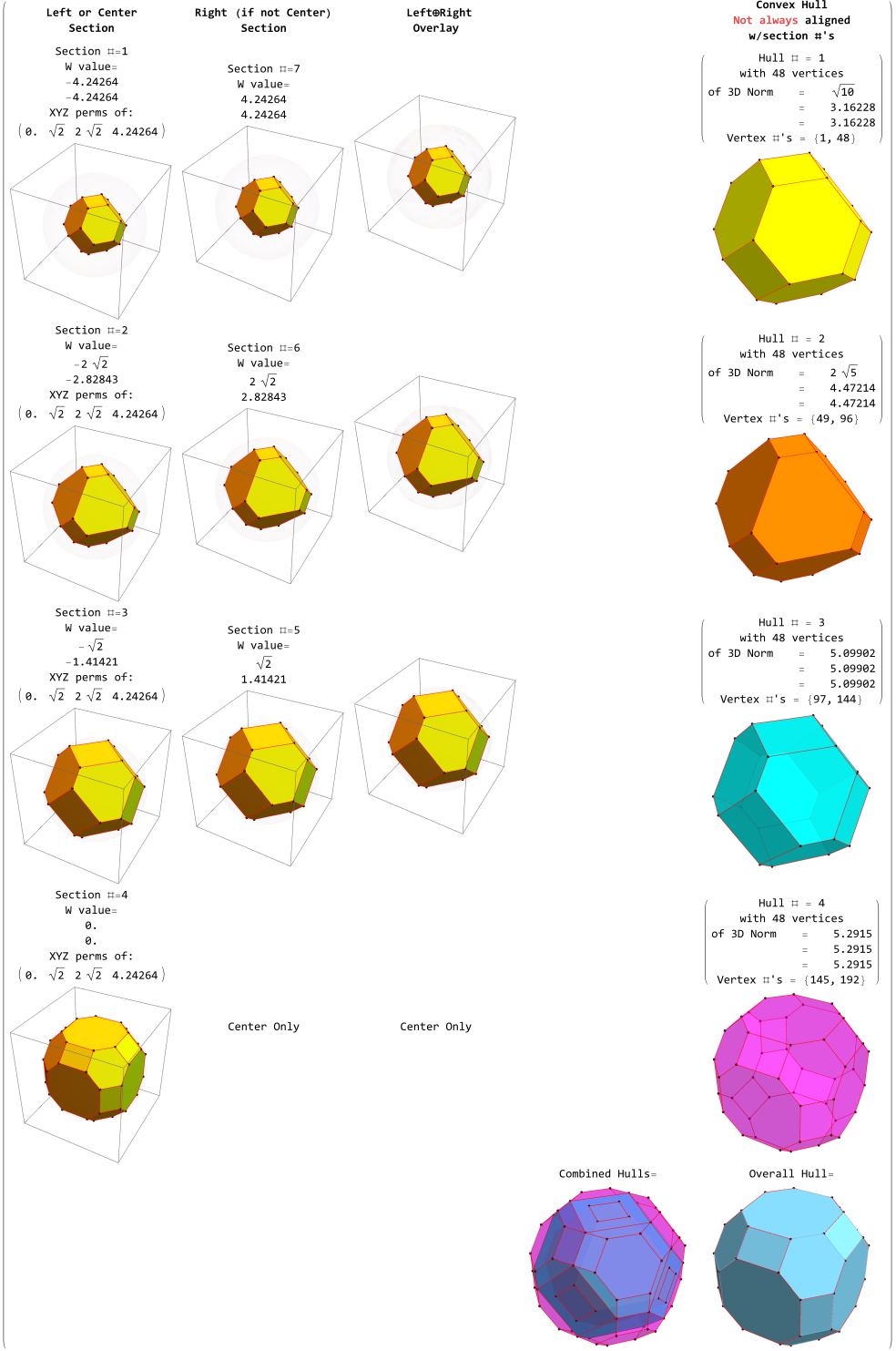
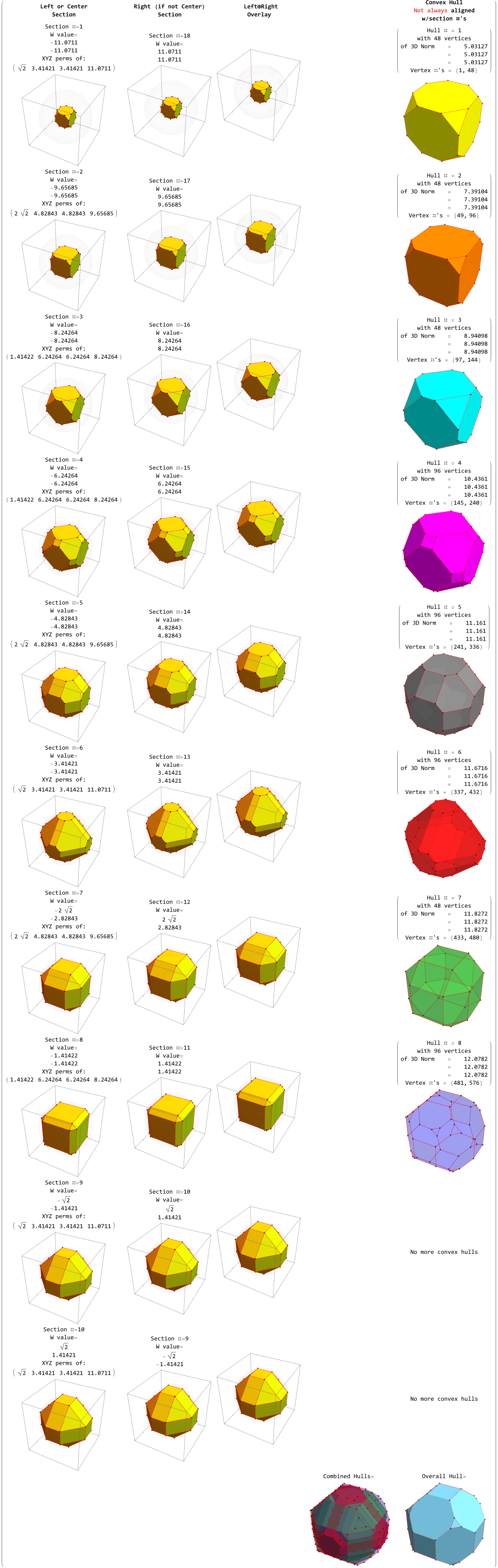
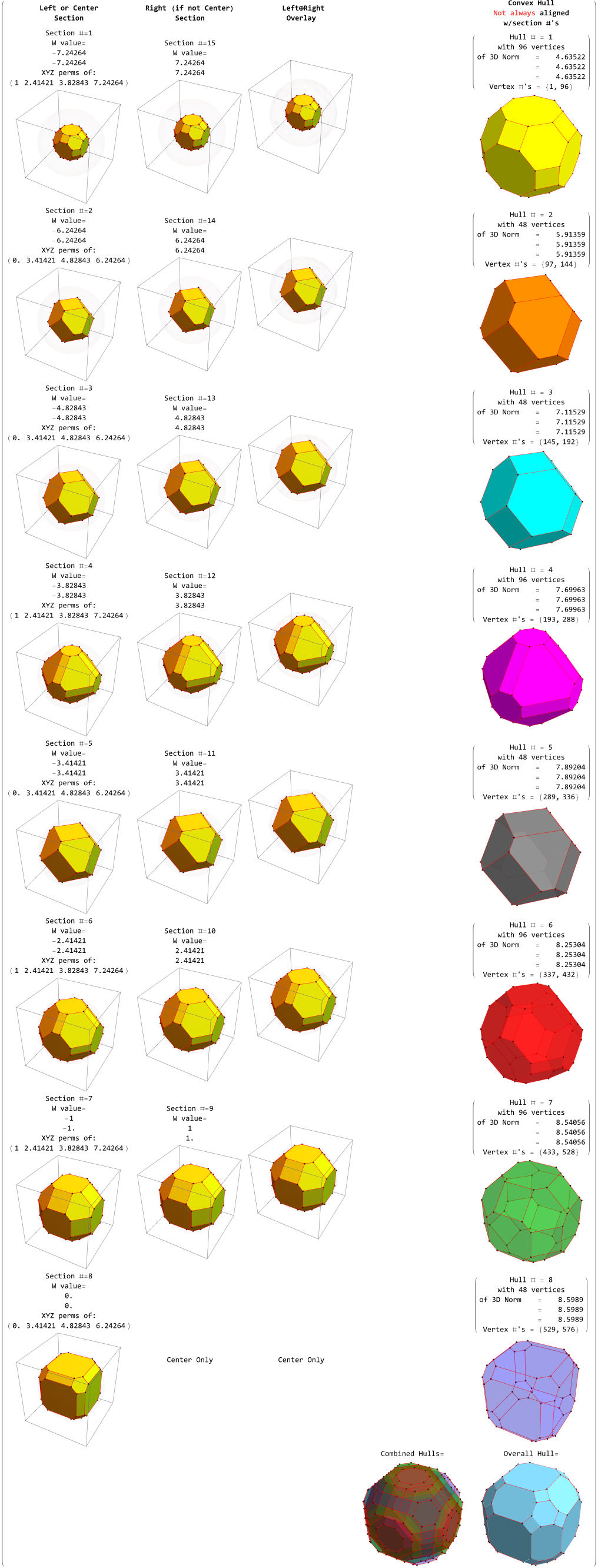
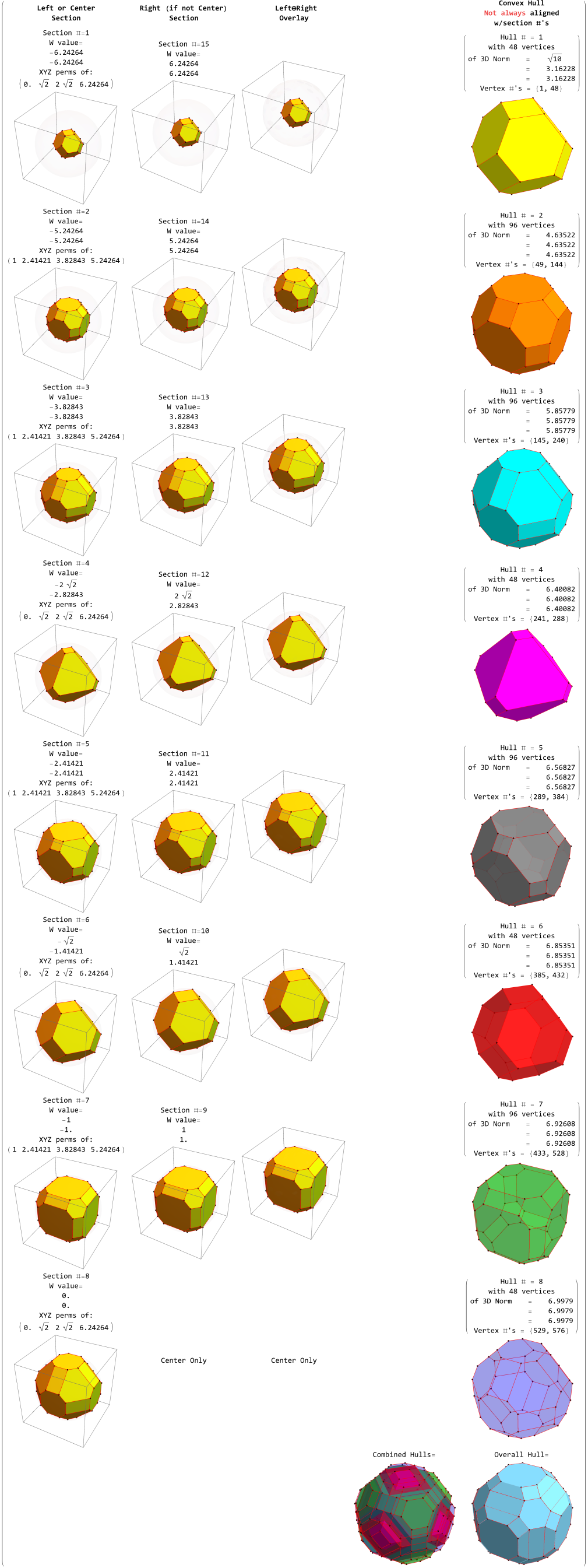
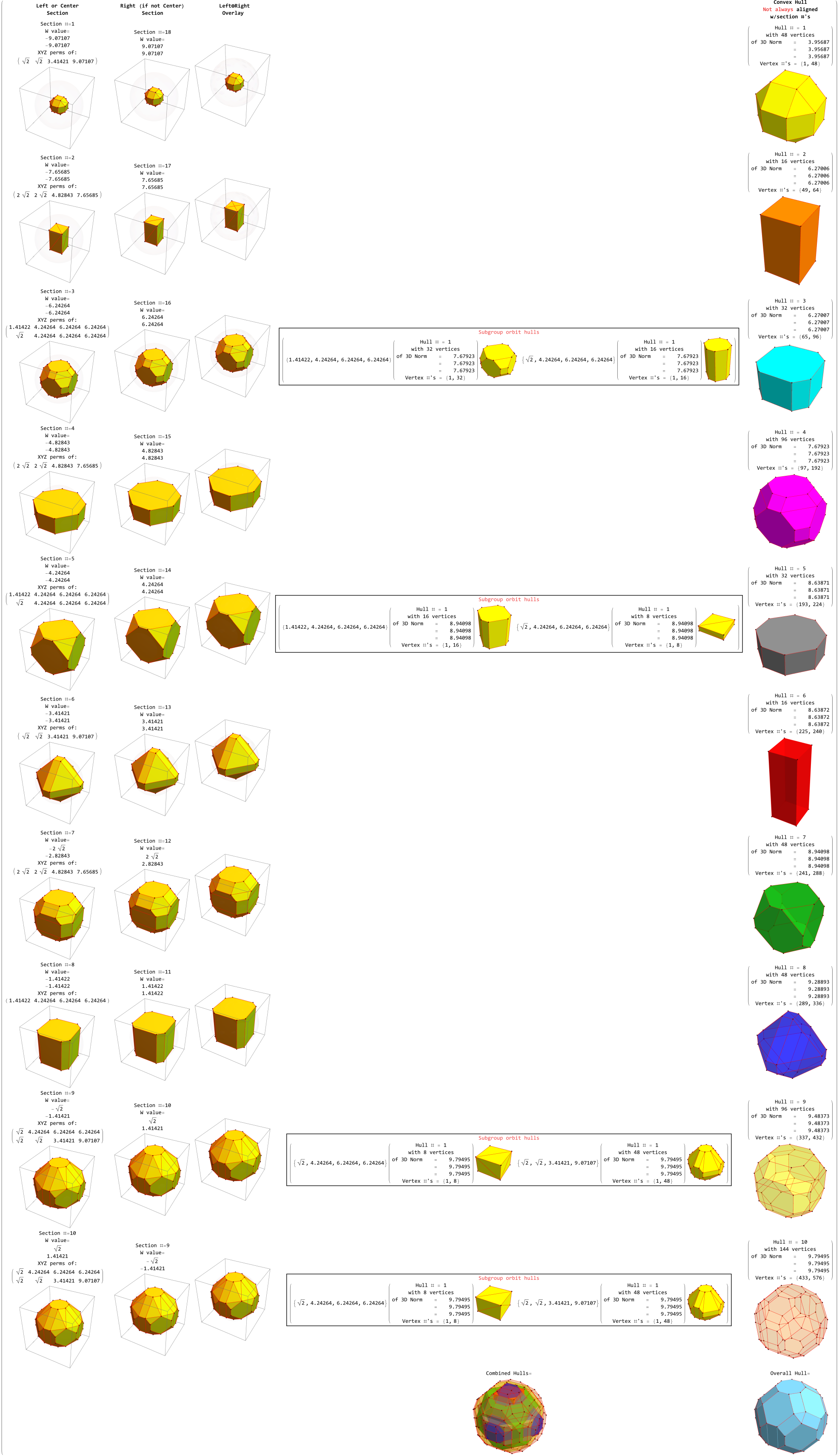
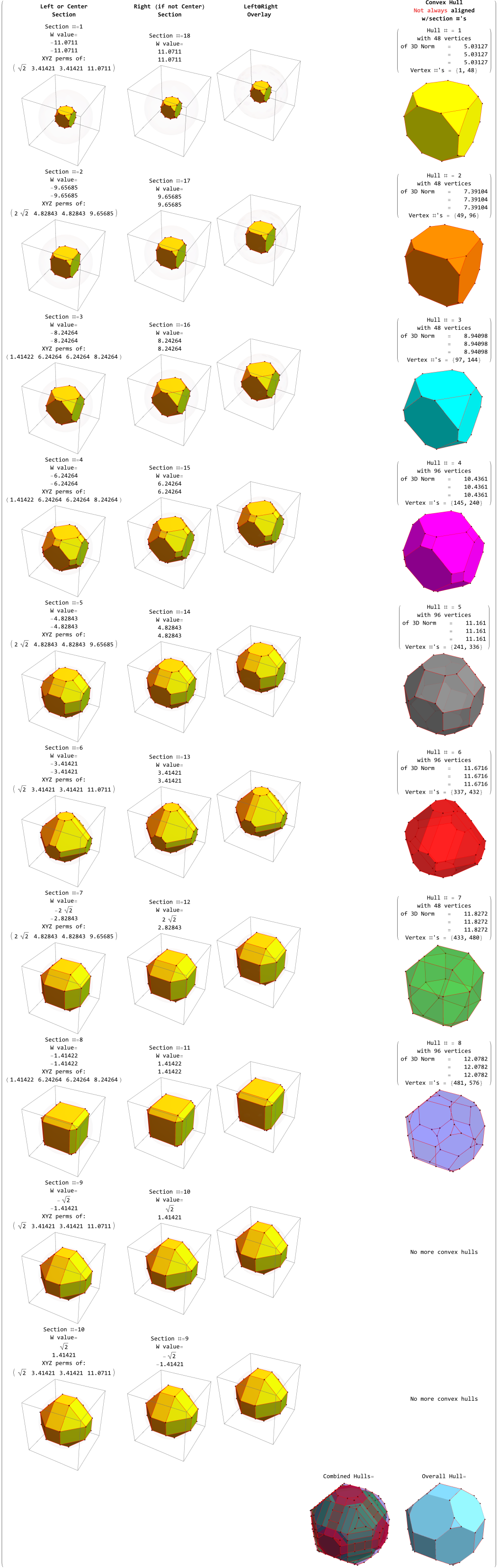
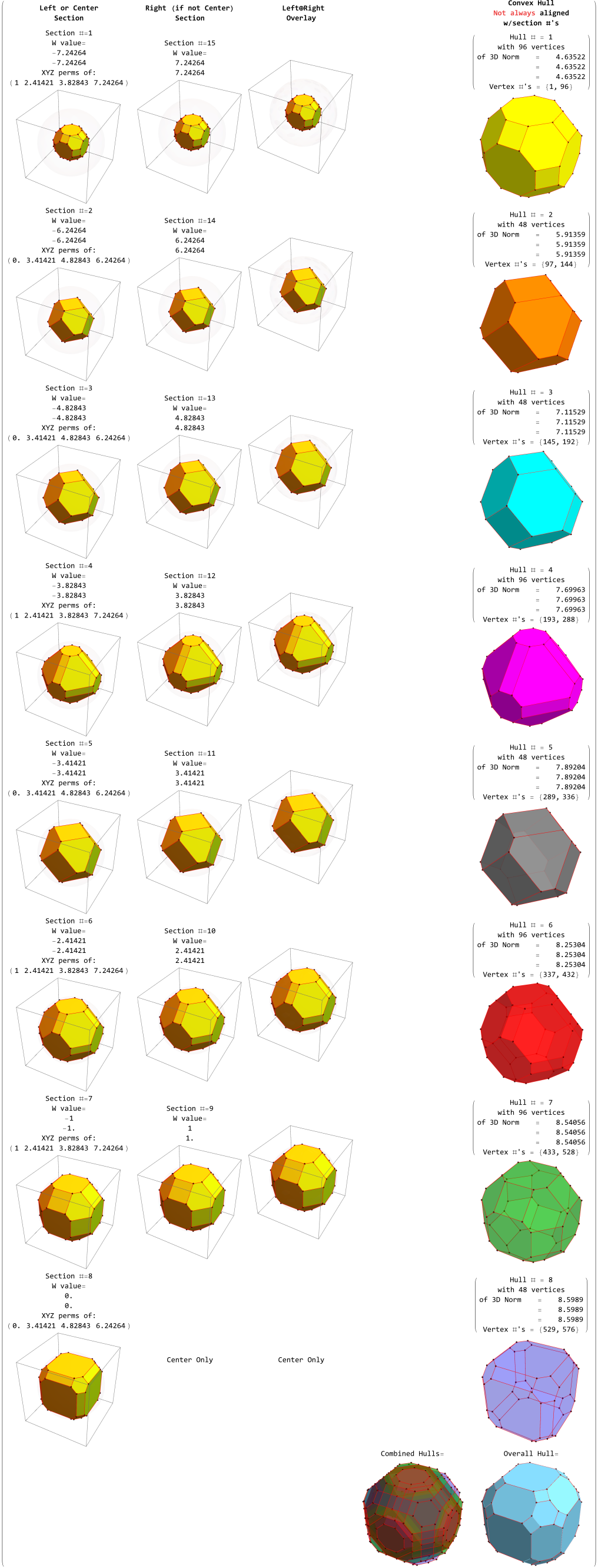
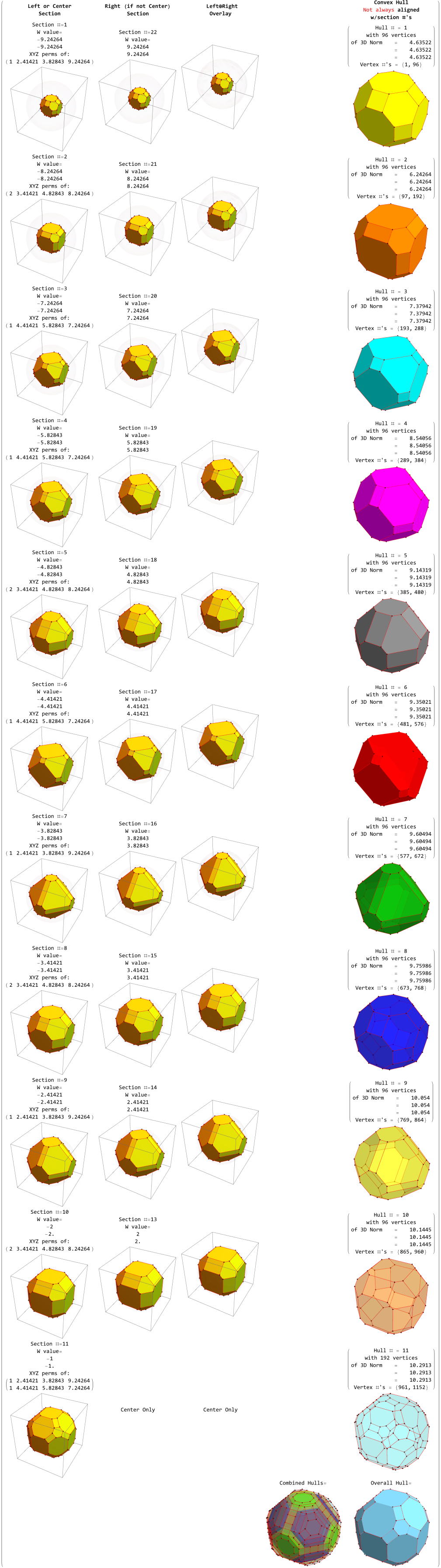
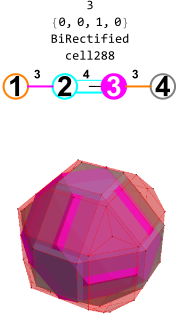
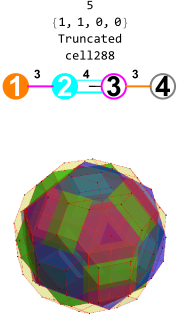
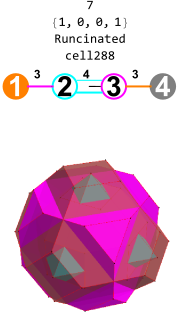
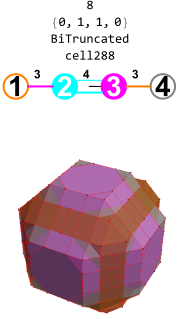
The full Mathematica NB and SVG files for all of the combined and overall hull pairs (like the above PNG), but in all 15 Weyl orbit permutations of the 600-cell are here (NB 65 Mb) and here (SVG 45 Mb). The same for the F4 disphenoidal 288-cells are here (NB 23 Mb) and here (SVG 12 Mb).
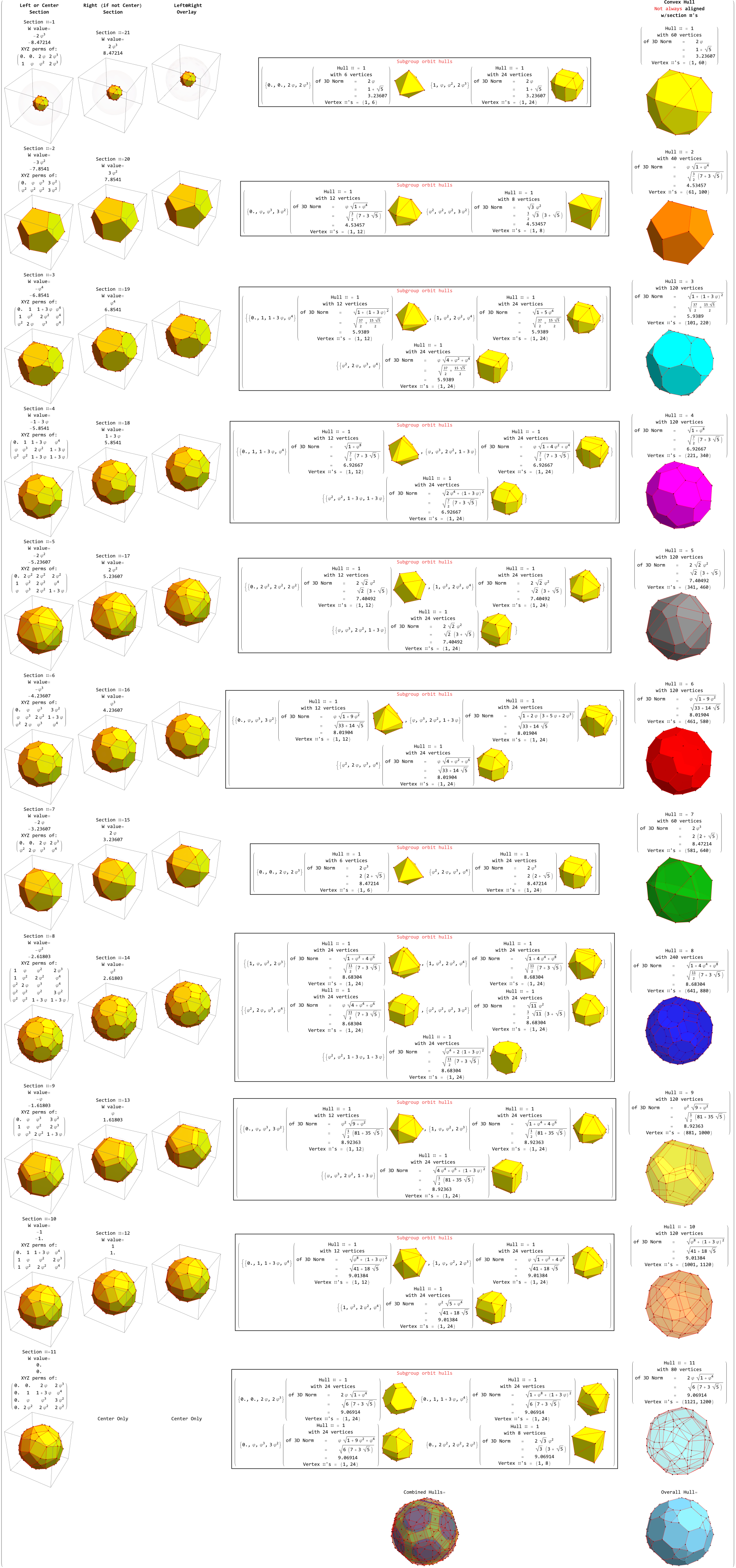
Please see several prior posts presenting (with now much improved) sectioning visualizations of Coxeter’s Regular Polytope book Table V here, 120-diminished rectified 120-cell (aka. Swirl-Prism) here, and 90=6×15 matrices of links to the 15 Weyl orbit permutations (with associated Coxeter-Dynkin diagrams) of the 4-polytope 5, 16/8, 24, 600/120 cell sections/animations here.
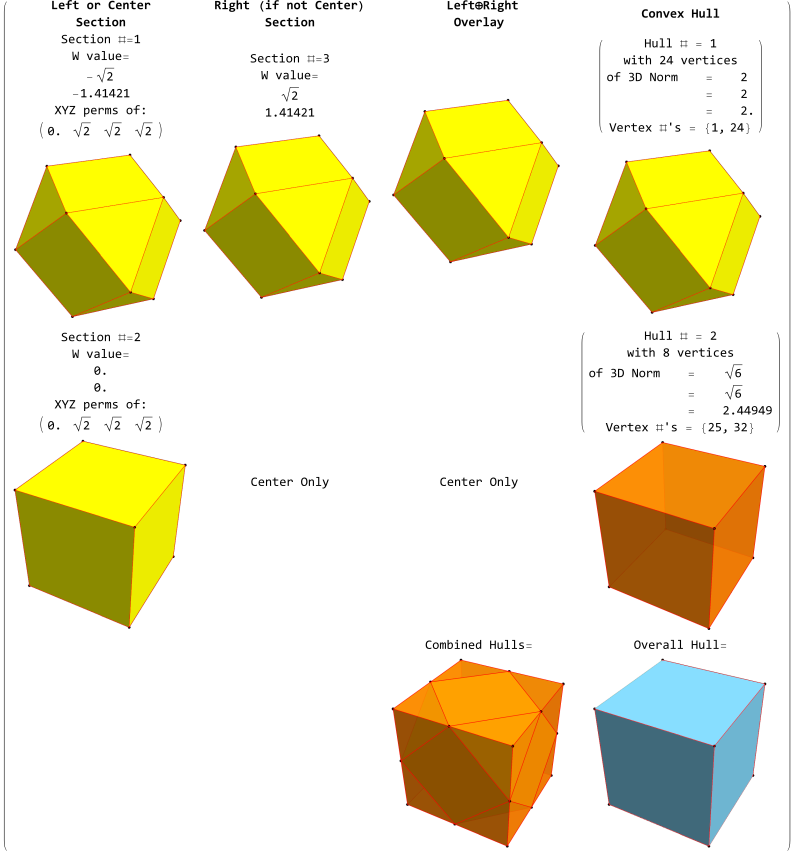
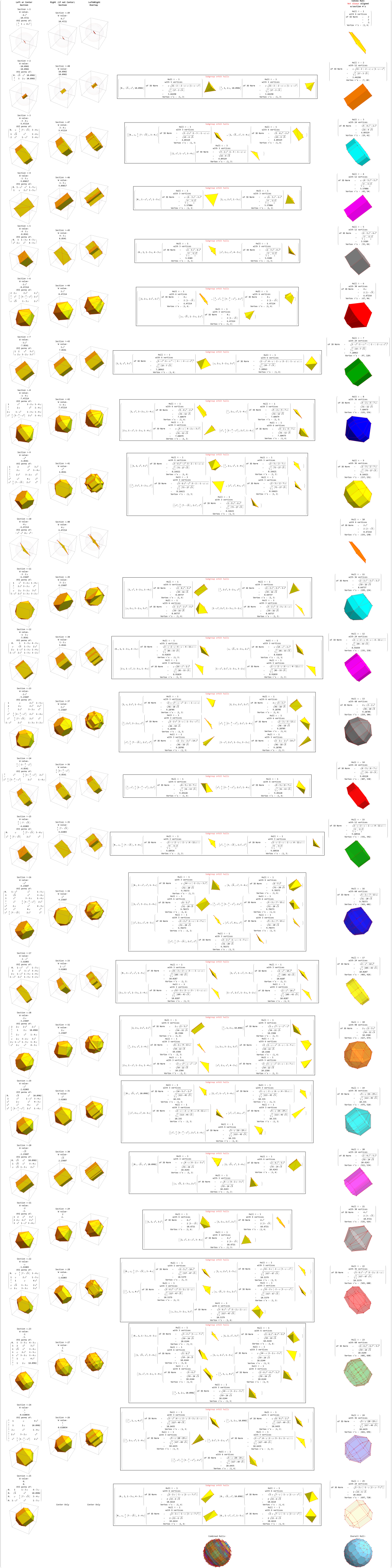
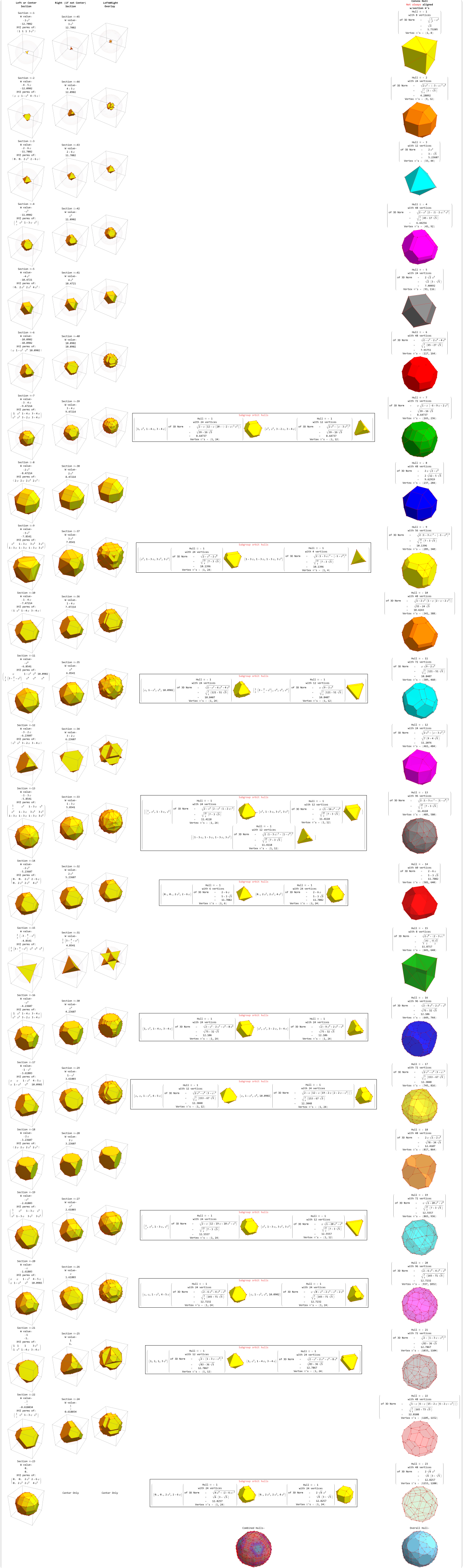
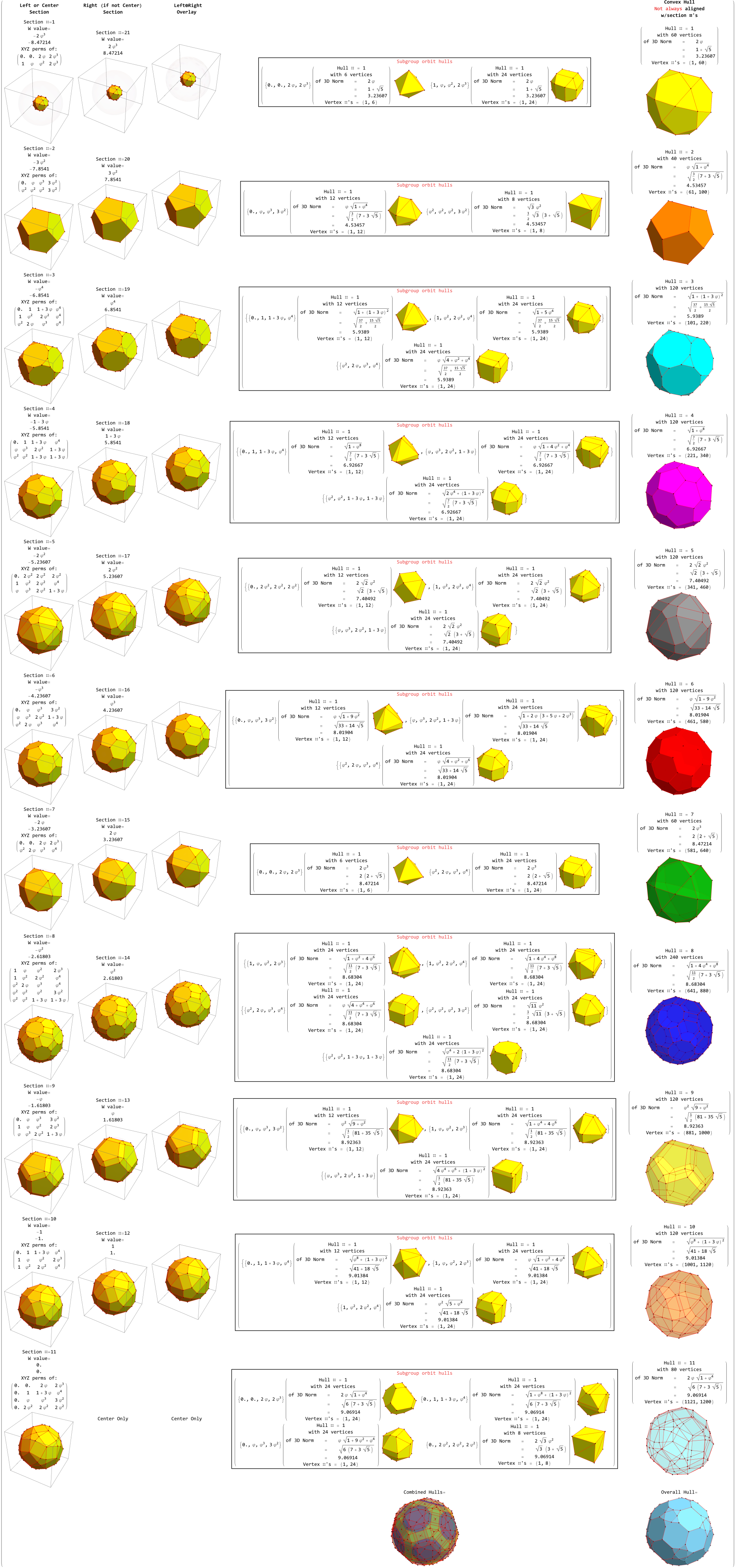
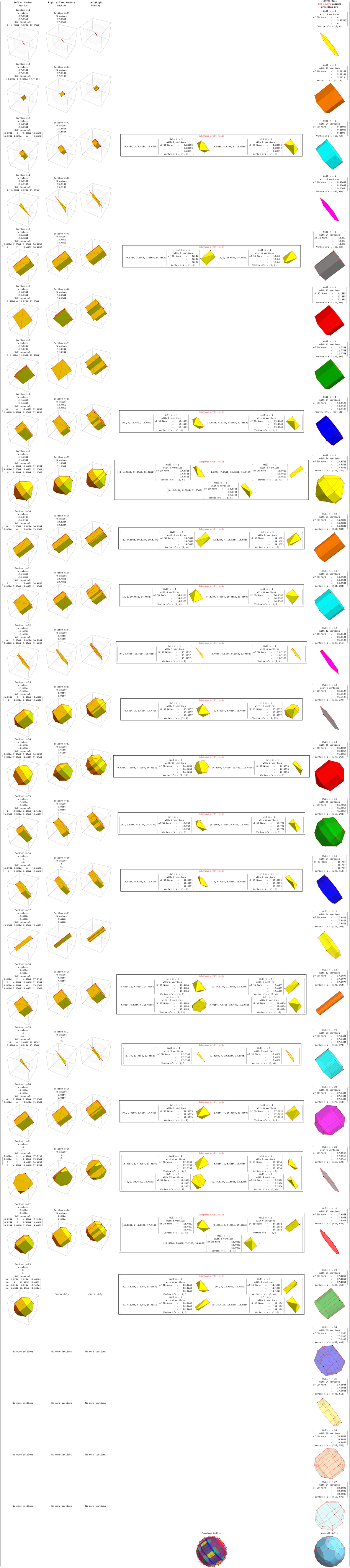
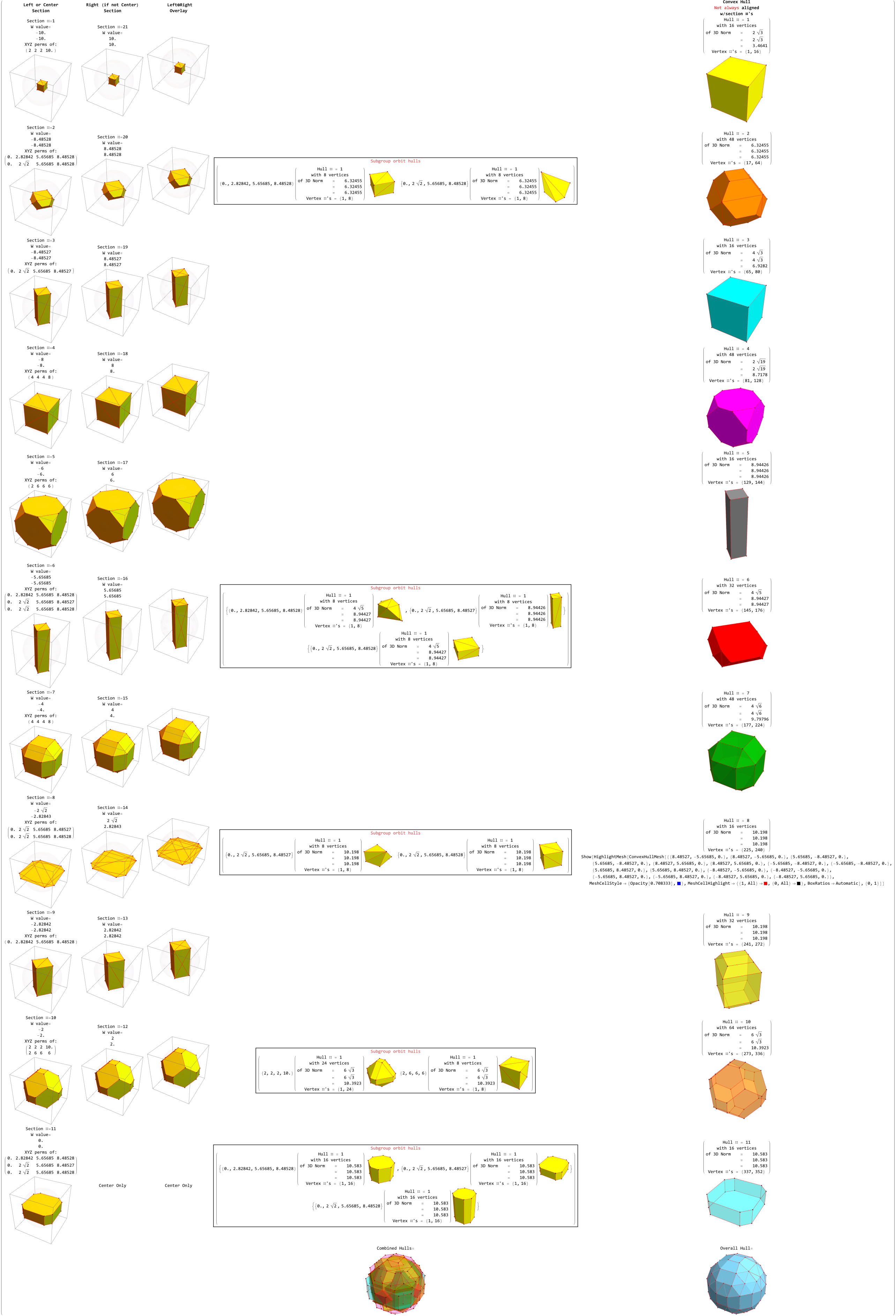
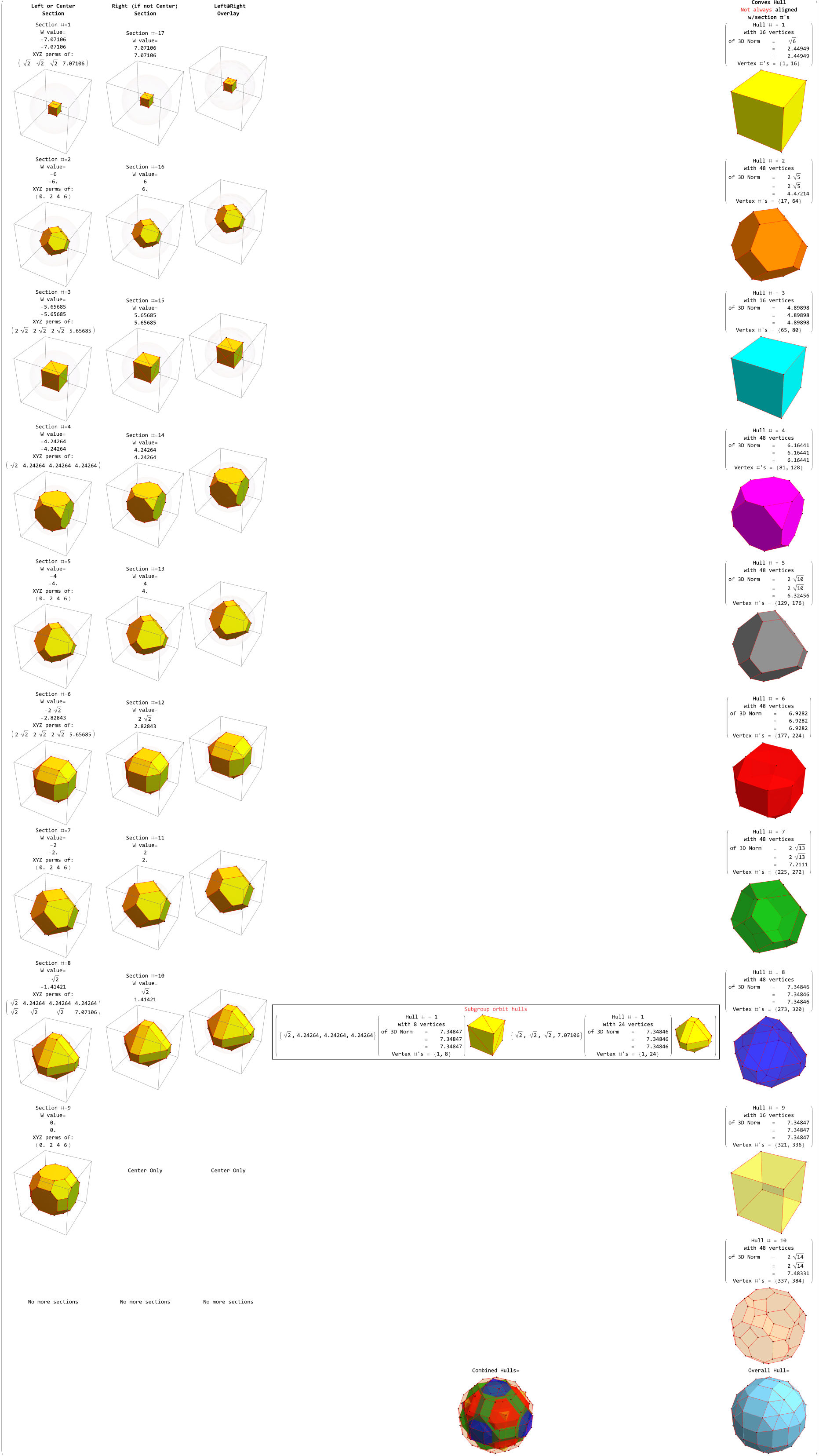
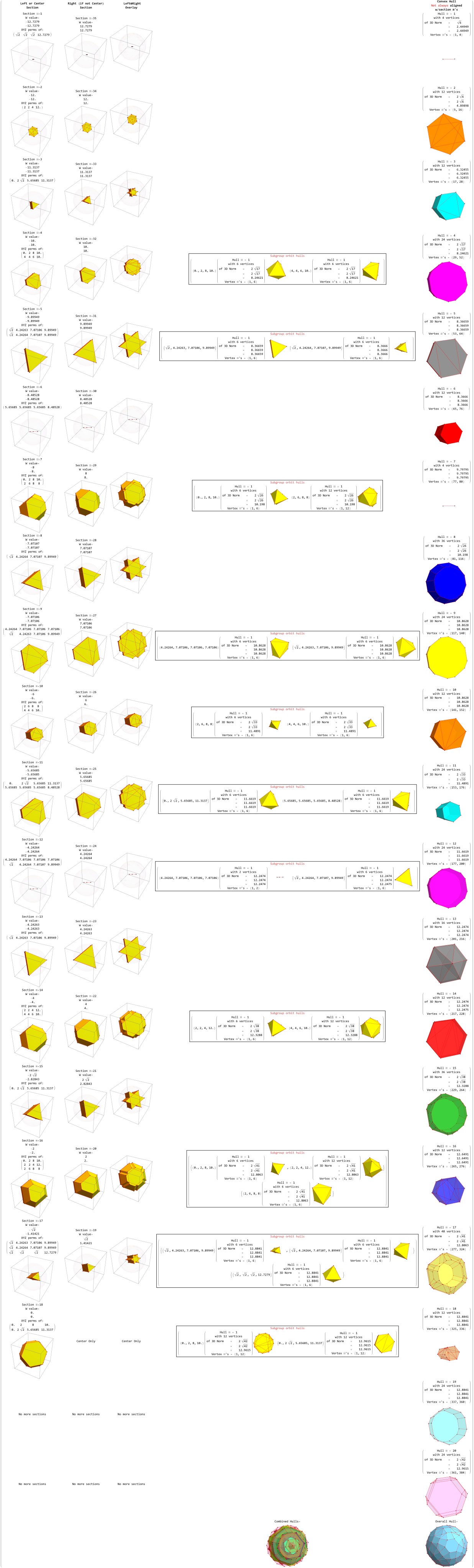
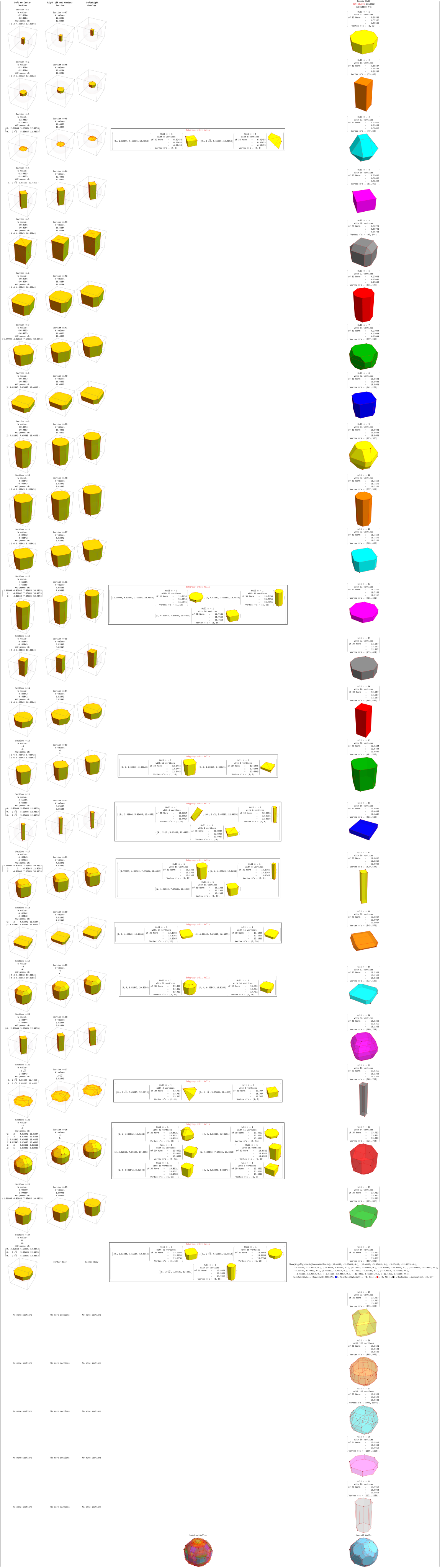
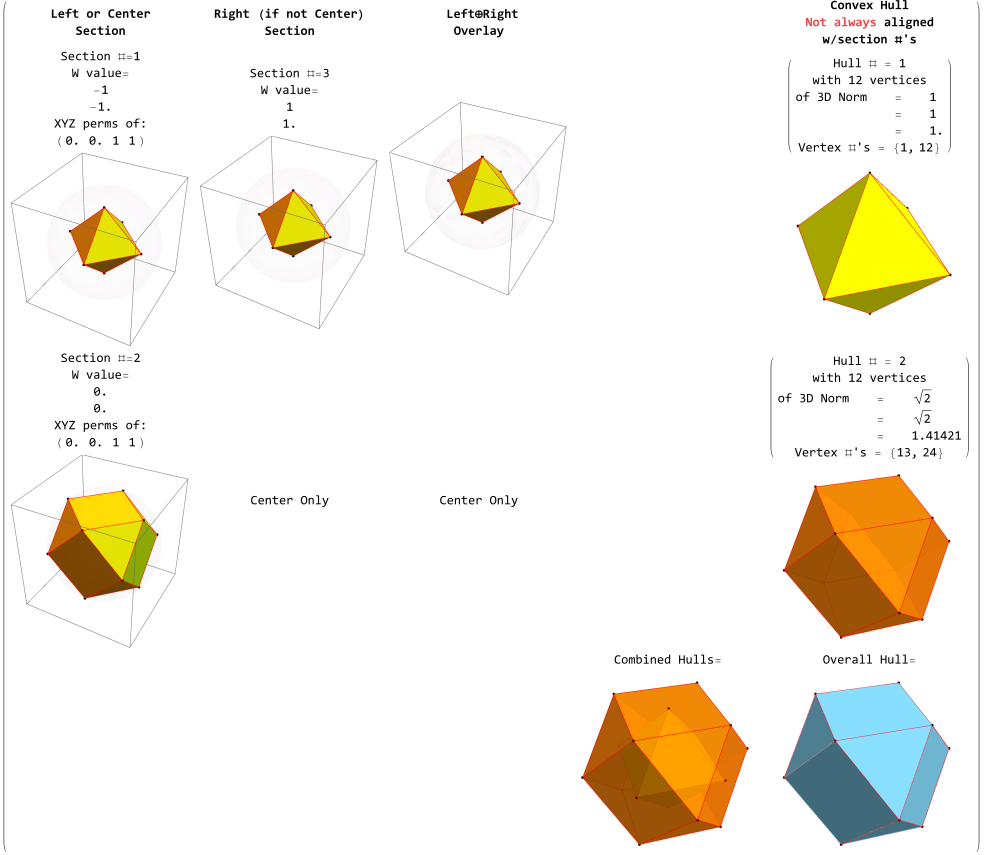
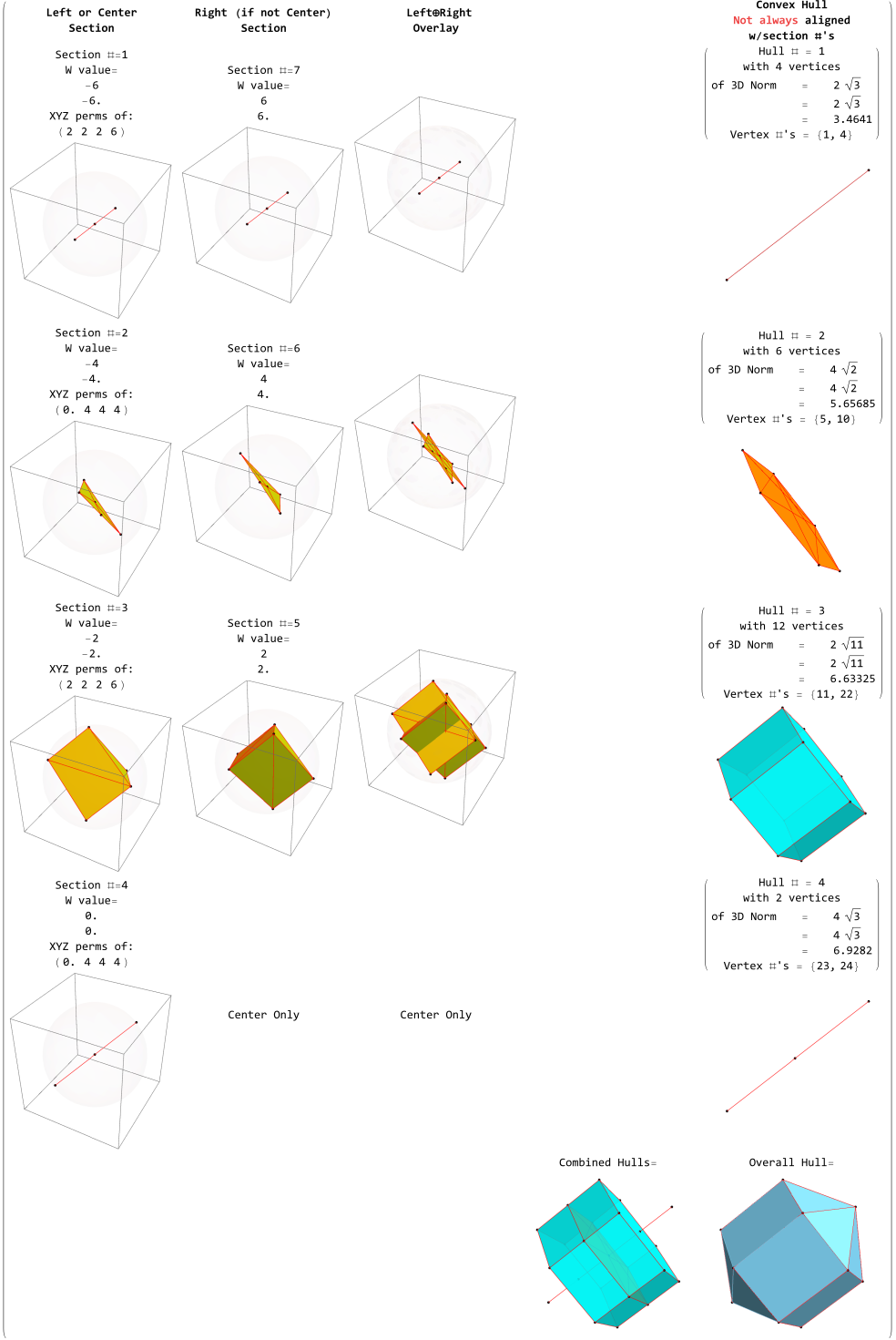
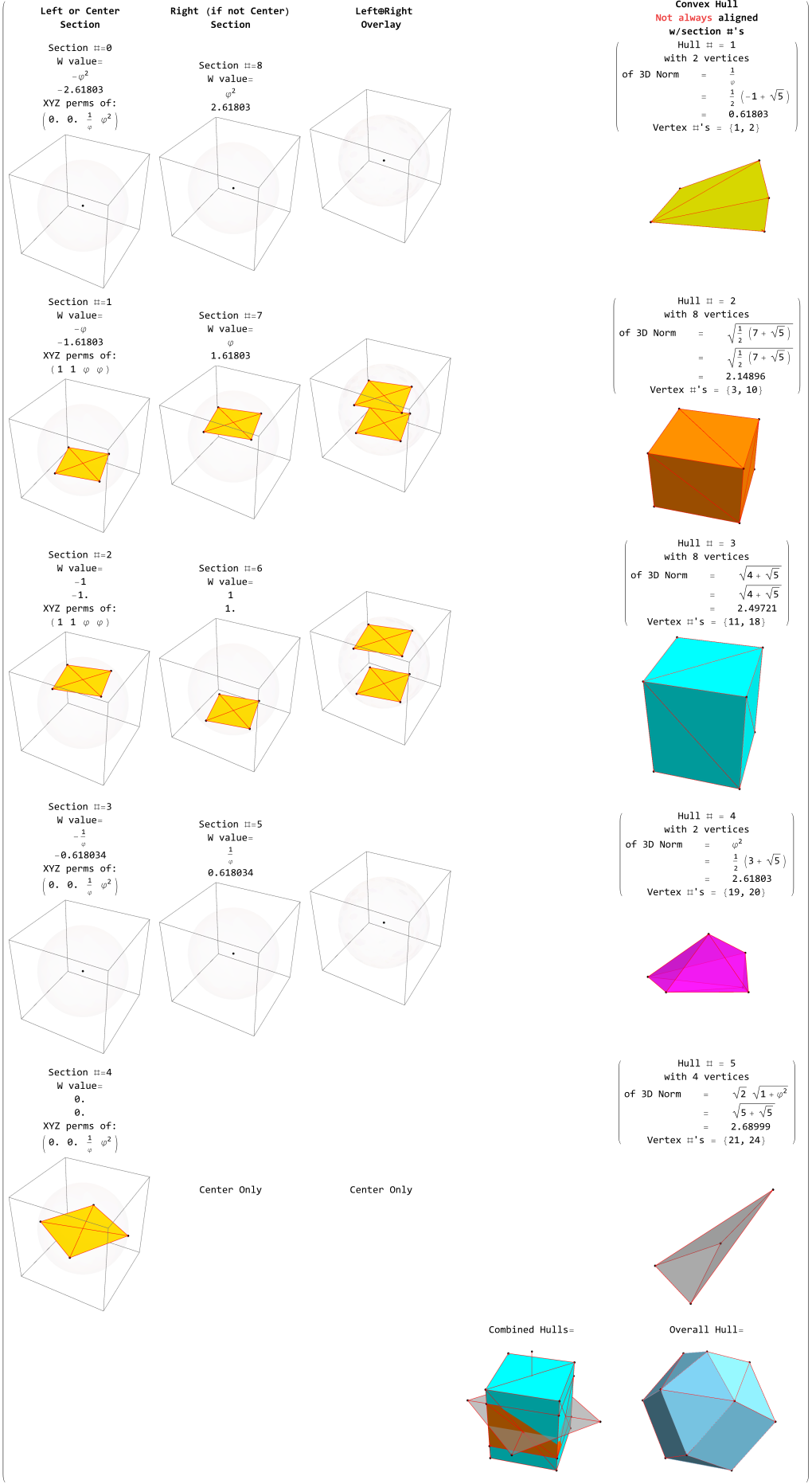
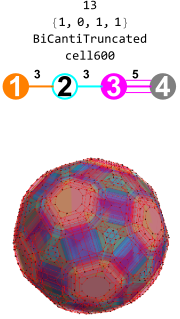
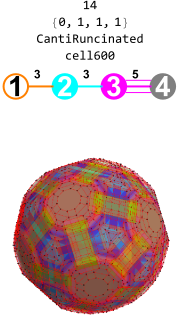
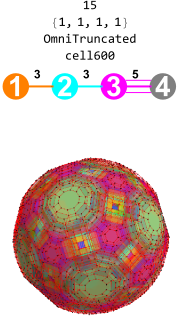
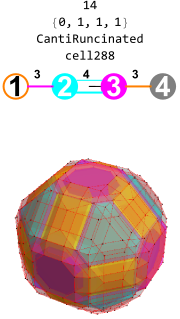
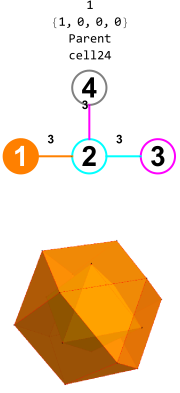
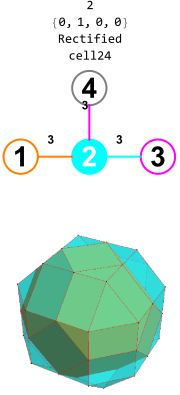
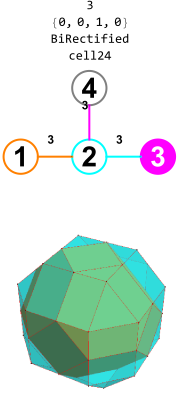
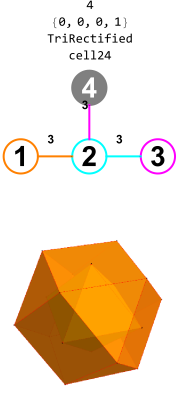
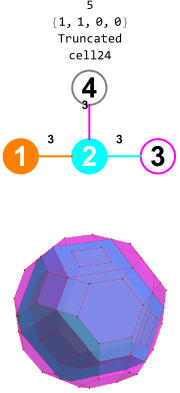
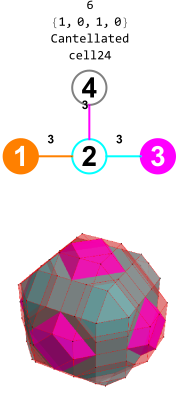
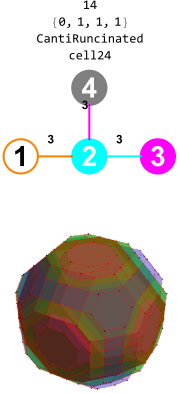
This post now presents the 60=[4 cell-first, vertex-first, face-first, and edge-first orientations of 15 Weyl orbits] visualizations for both the self-dual 24-cell and 600-cell (which has the same content as its dual the 120-cell by the symmetry of the Coxeter-Dynkin diagram).
These are generated using 4 quaternionic rotations. The one off a main orbit orientation (i.e. using the e0=1 identity quaternion rotation) is either the vertex or cell first orientation for each of the 15 Weyl orbit permutations, with the other rotation being e2+e3. Then for edge and face first orientation rotations, depending on the 24, 288, or 600 cell type, they will be one of either e1+e2+e3 & e1+2e2+e3 (for 24 & 288 cells) or e0+φe1 & e0+e1+e2 (for 600/120 cells).
vZome has a very nice (and fun) website curated by Scott Vorthmann with some information on quaternion generation of cell-vertex-face-edge first orientations here.
The main orbits are (or can also be) generated by using quaternions and the A, B-C, D-F, E-H group theoretic relationships. I actually use octonionic multiplication operations with multiplication tables from the 480 possible where the first (of 7 triads) are the quaternion of 0123. This means the last four dimensions of the octonion (i.e. 4567 or {l, li, lj, lk}) are {0,0,0,0}.
You can navigate the matrices of links below or simply download the ZIP files for the 600-cell ZIP here (1 Gb), 288-cell here (225 Mb), and 24-cell here (150 Mb).
SVG section visualizations:
Orientations for H4 600-cell SVG section file links:
Cell Vertex Edge Face
|
|
|
|
|
|
|
|
|
|
|
|
|
|
|
|

|
|

|

|

|

|

|

|
|
|

|

|

|

|

|

|

|

|

|

|

|

|

|

|

|

|

|

|

|

|

|

|

|

|

|

|

|

|

|

|

|

|

|

|
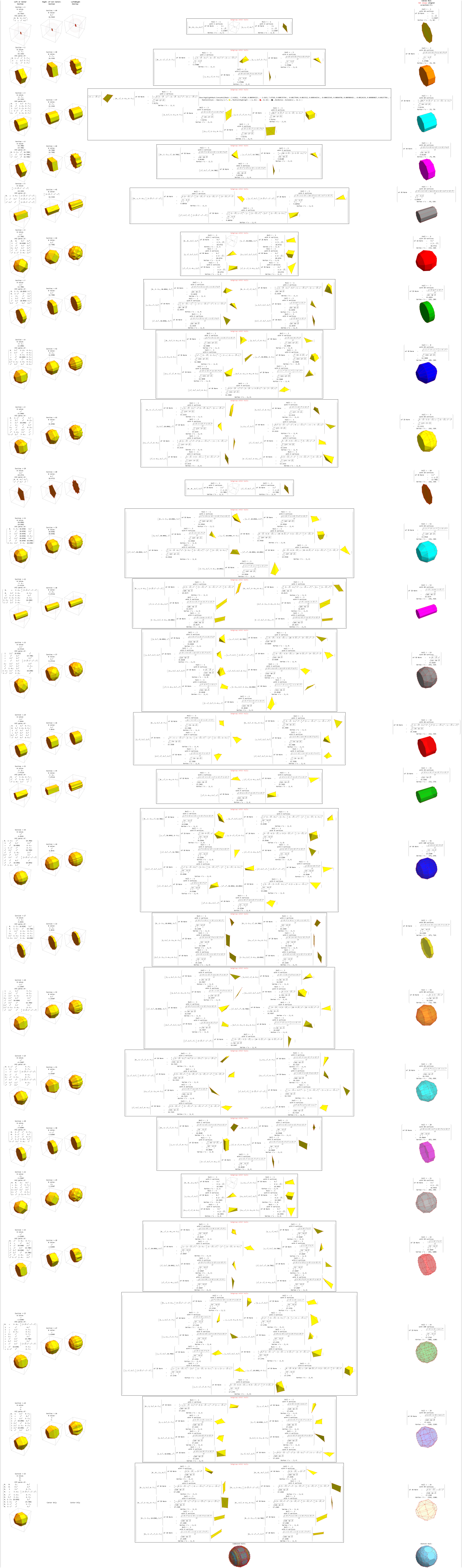
Orientations for F4 Disphenoidal 288-cell SVG section file links:
Cell Vertex Edge Face
|
|
|
|
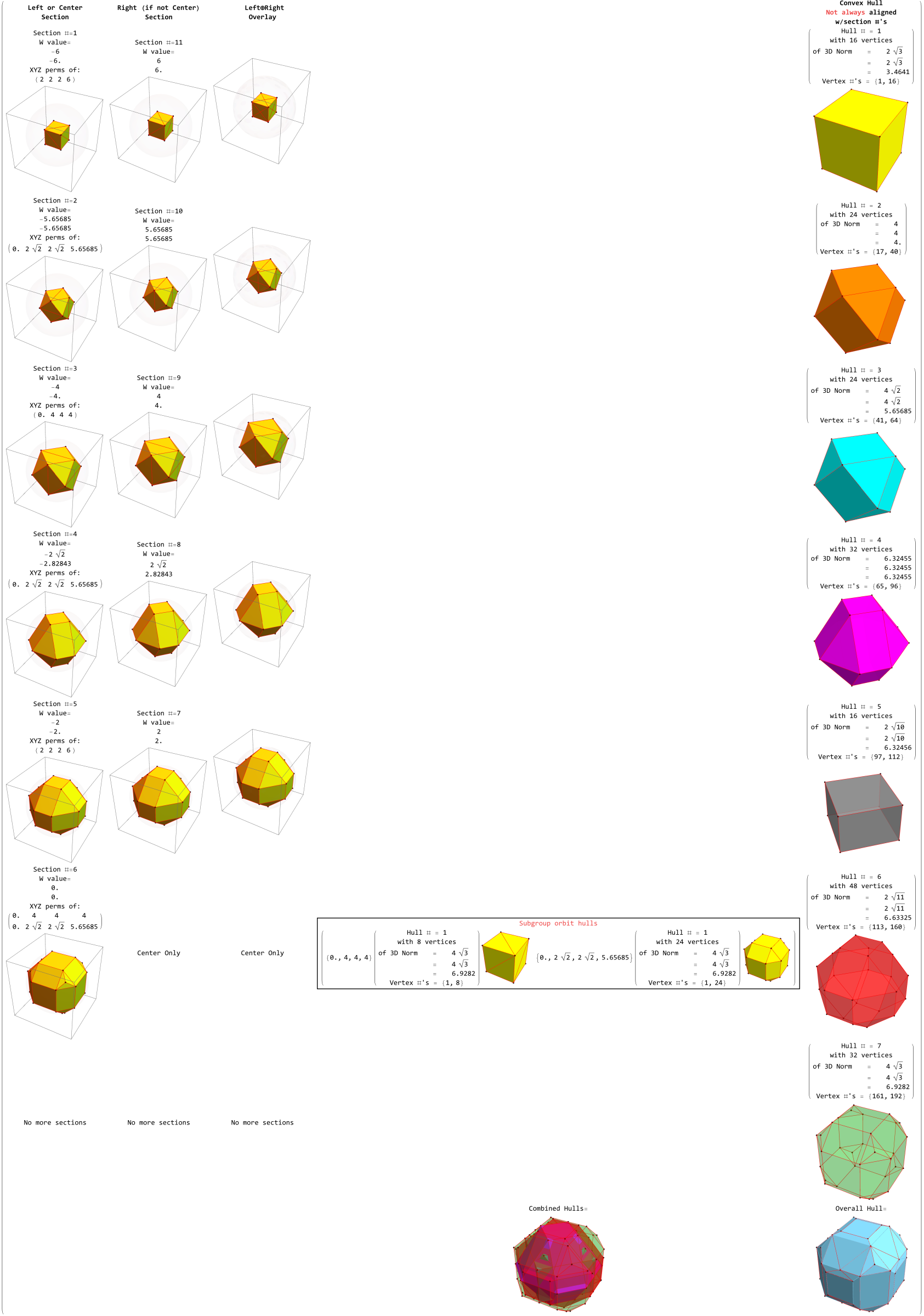
|
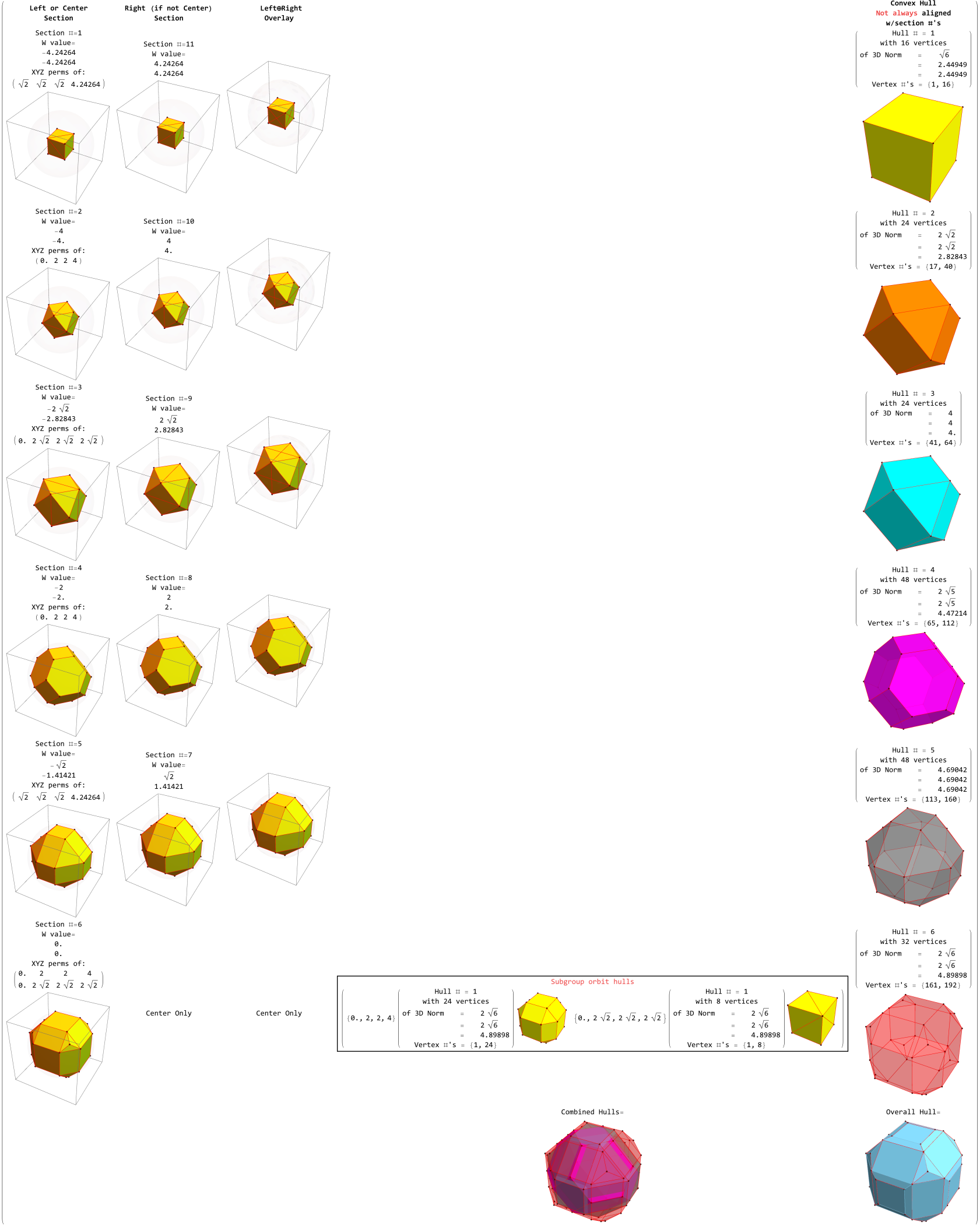
|
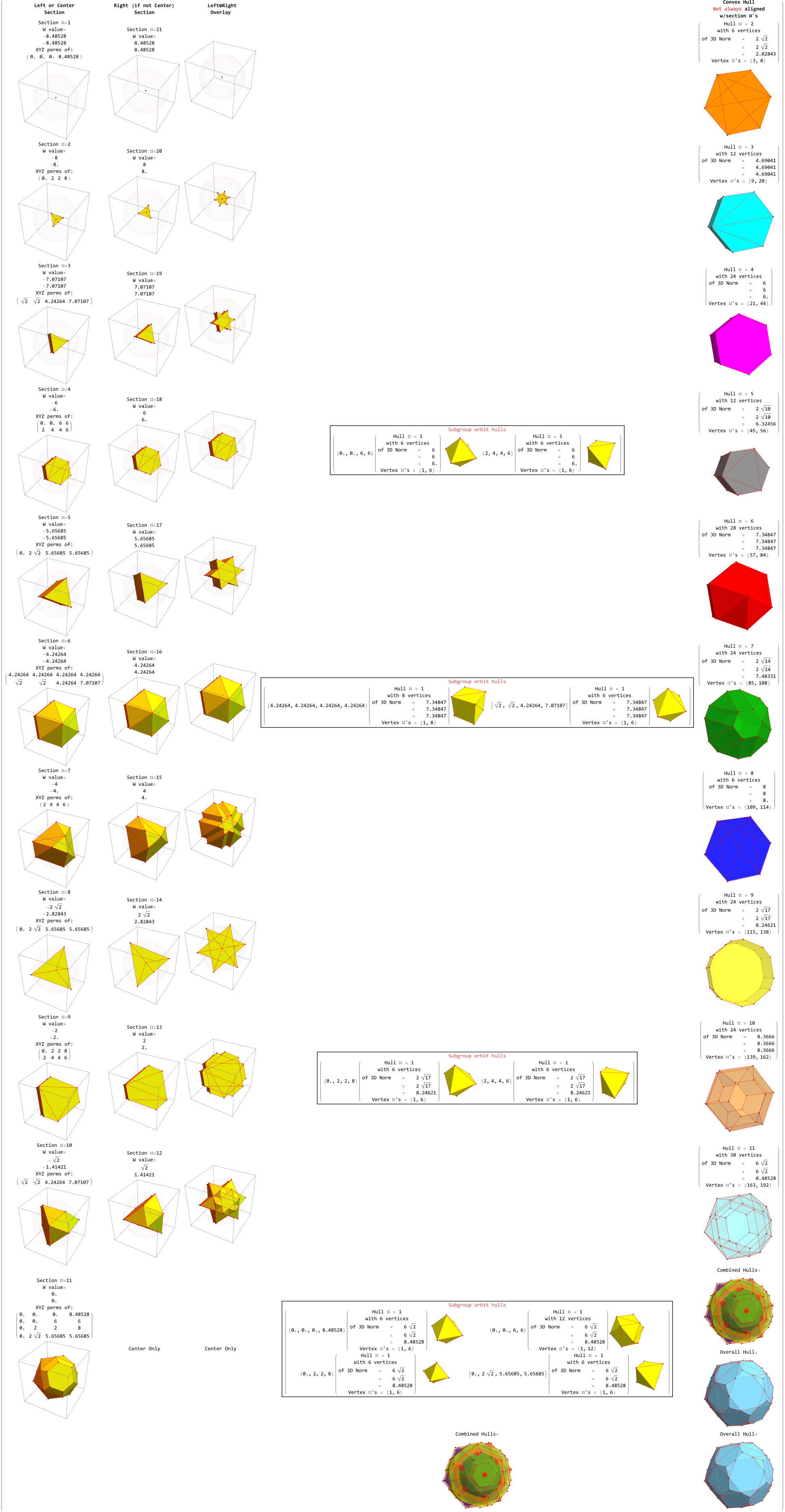
|
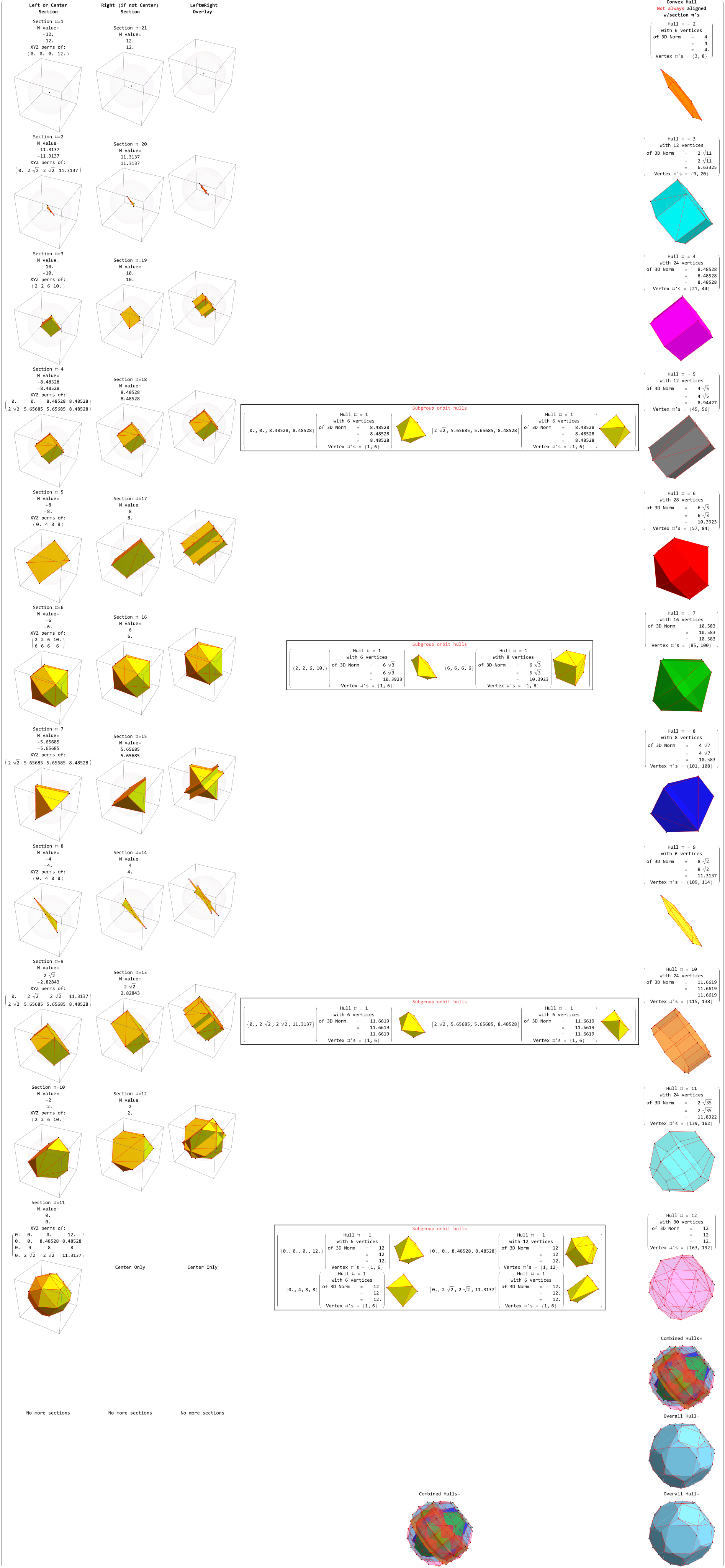
|
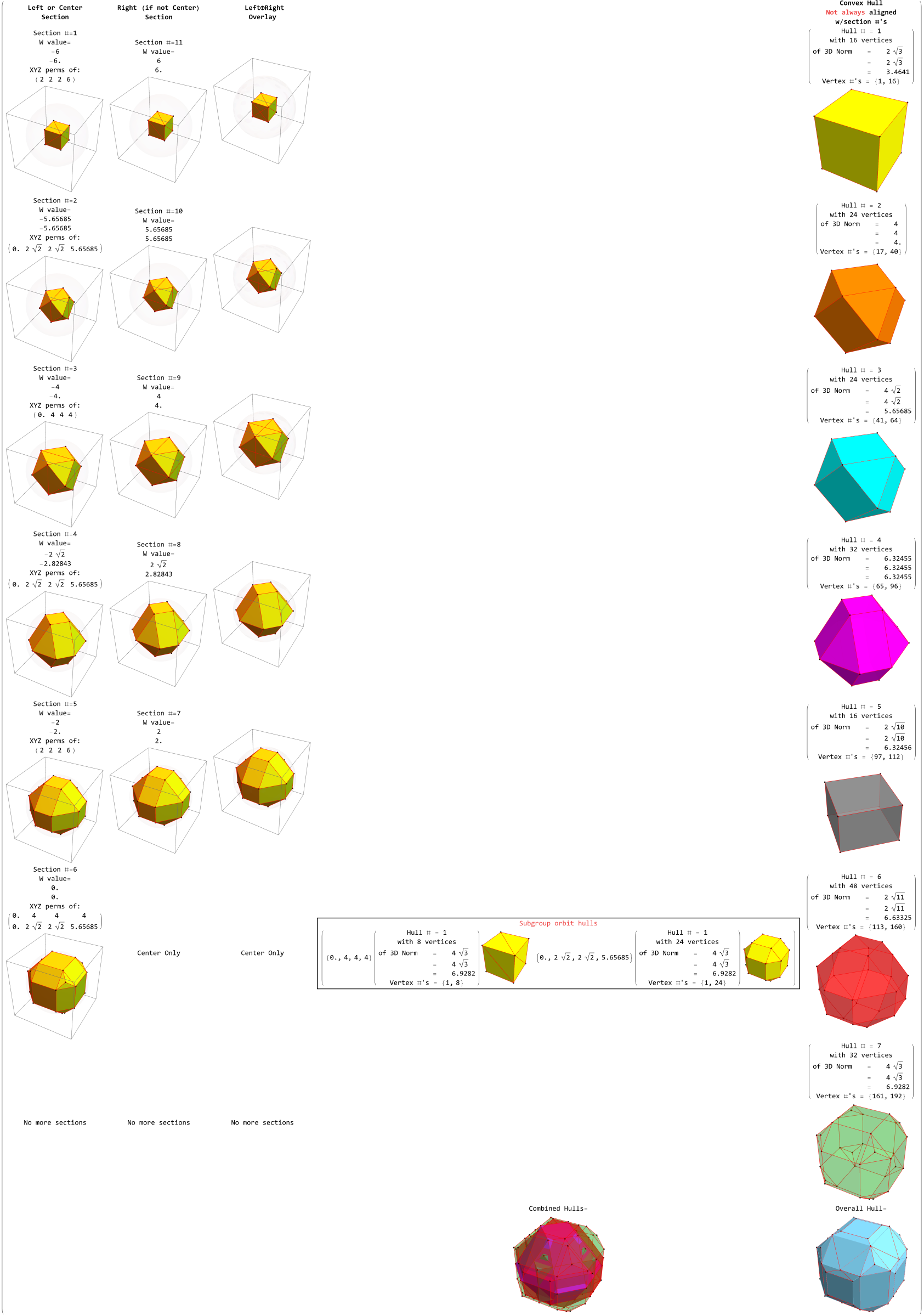
|
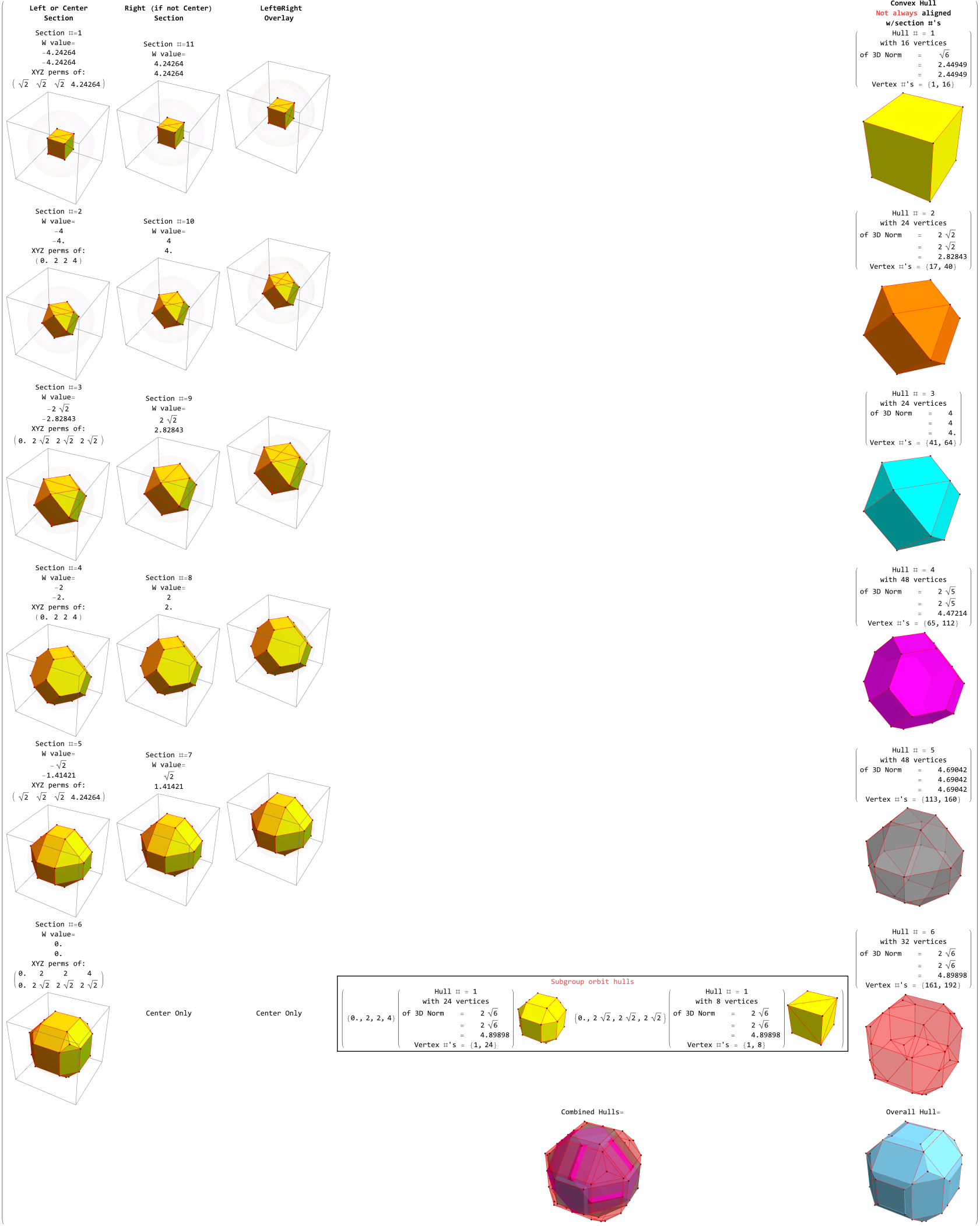
|
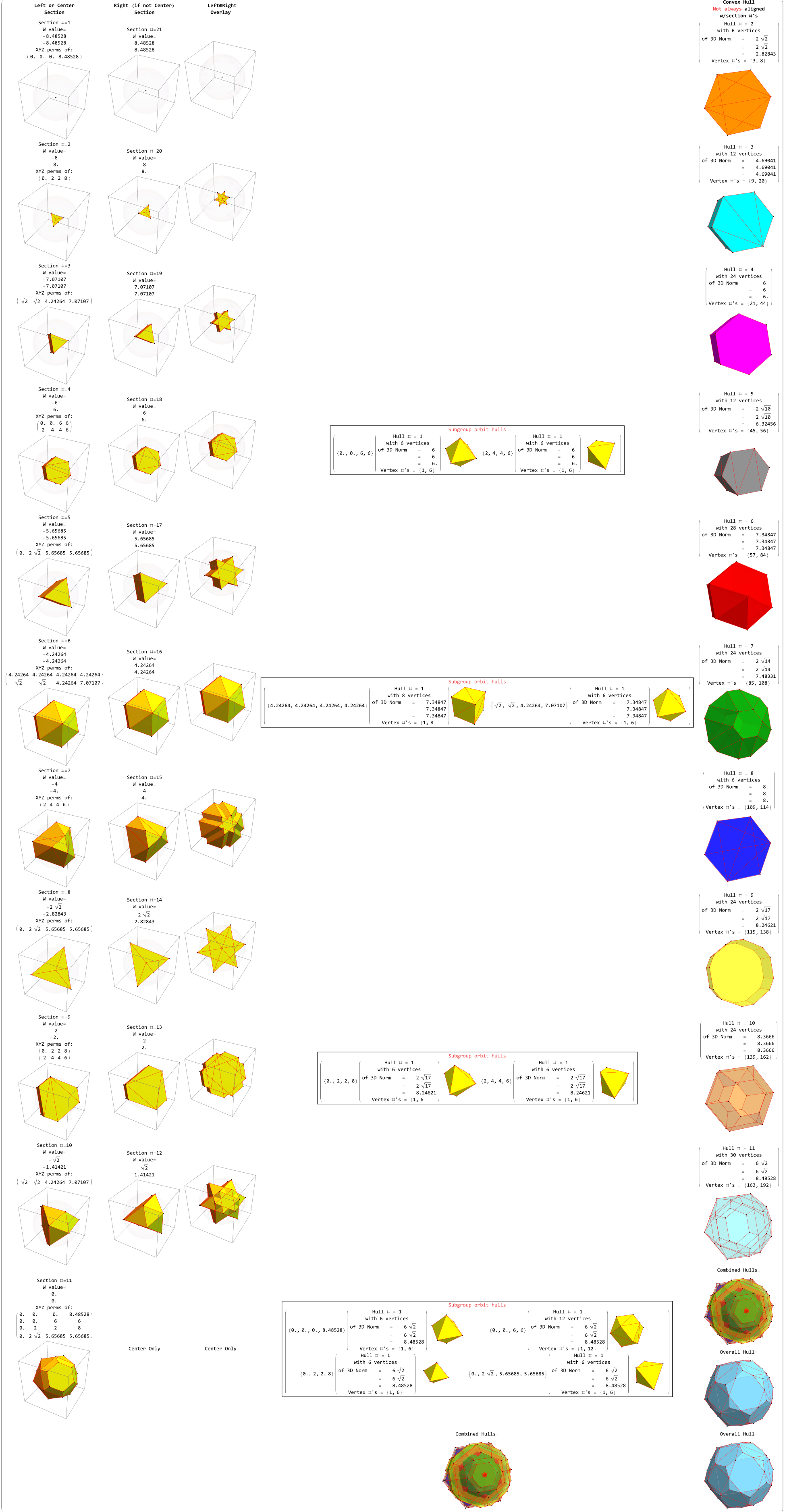
|
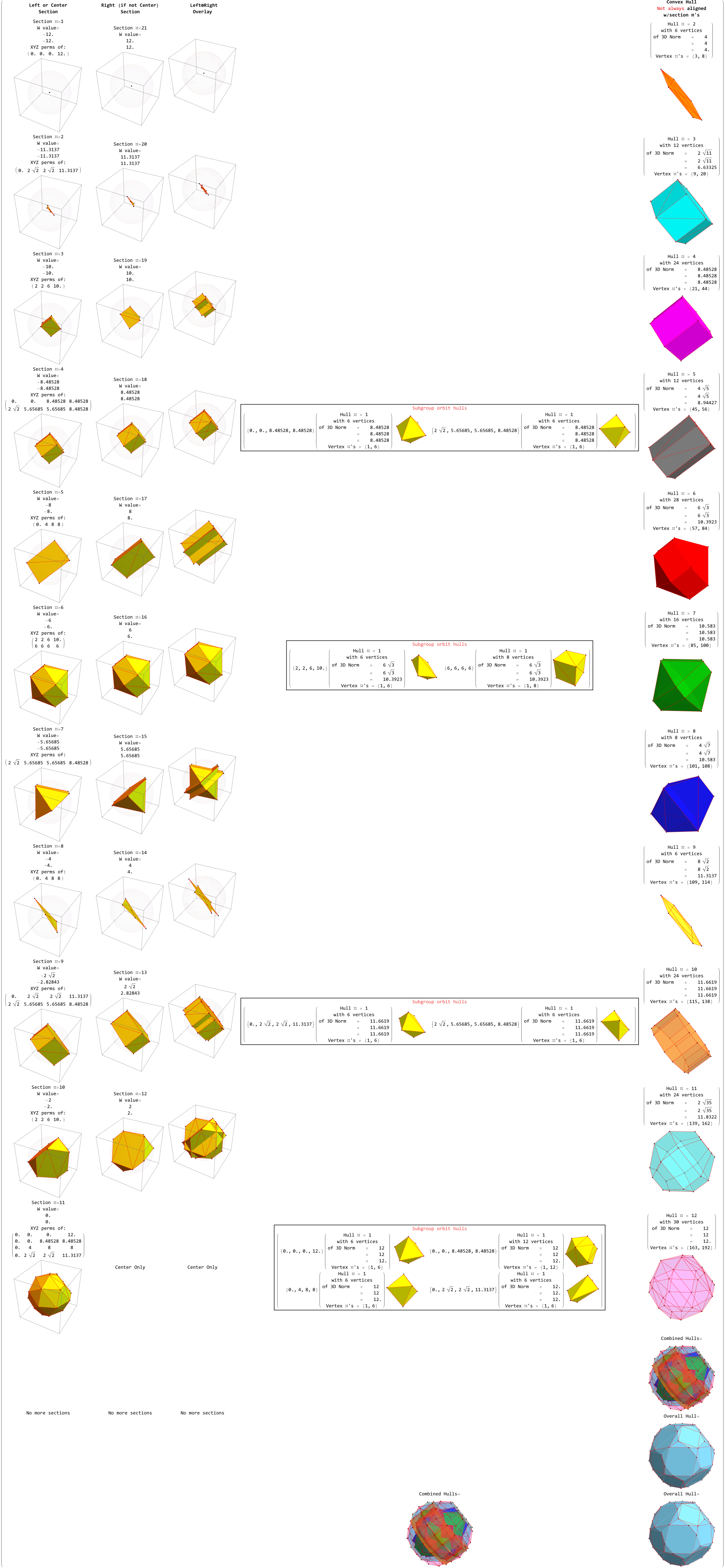
|
|
|
|
|
|
|
|

|
|
|
|

|
|
|
|

|
|
|
|
|
|
|
|
|
|
|
|
|
|
|

|

|
|
|

|

|
|
|

|

|
|
|

|

|
|
|

|

|
Orientations for D4 24-cell SVG section file links:
Cell Vertex Edge Face
|
|
|
|
|
|
|
|
|
|
|
|
|
|
|
|
|
|

|

|
|
|

|
|
|

|

|
|

|
|

|

|
|
|

|

|
|
|

|
|
|
|

|

|
|
|

|

|
|

|

|

|
|
|

|

|
|

|

|

|
MP3 section animations:
Orientations for H4 600-cell MP3 section animation file links:
Cell Vertex Edge Face
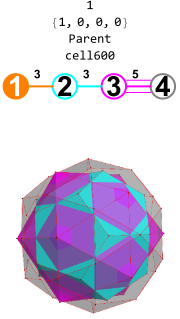
|
|
|
|
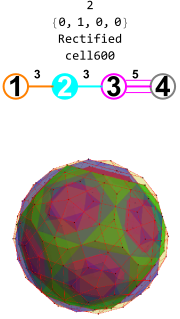
|
|
|
|
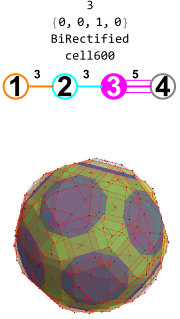
|
|
|
|
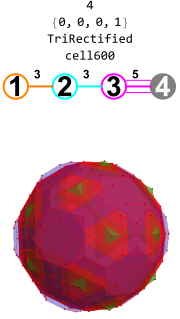
|
|
|
|
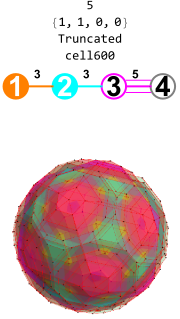
|
|
|
|
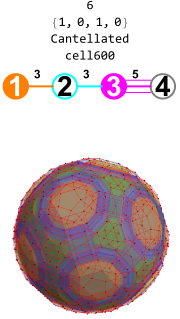
|
|
|
|
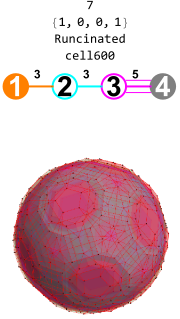
|
|
|
|
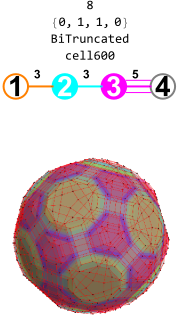
|
|
|
|
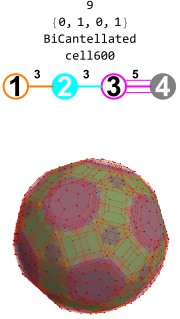
|
|
|
|
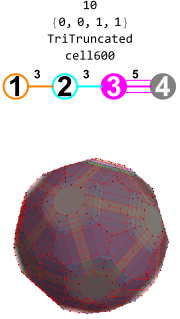
|
|
|
|
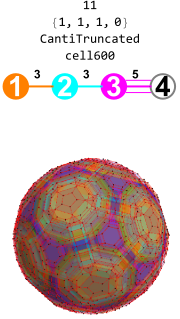
|
|
|
|
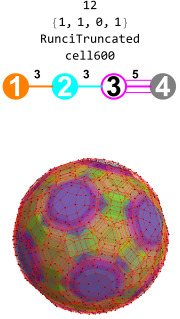
|
|
|
|
|
|
|
|
|
|
|
|
|
|
|
|
Orientations for F4 Disphenoidal 288-cell MP3 section animation file links:
Cell Vertex Edge Face
|
|
|
|

|
|
|
|
|
|
|
|

|
|
|
|
|
|
|
|

|
|
|
|
|
|
|
|
|
|
|
|
|
|
|
|
|
|
|
|
|
|
|
|
|
|
|
|

|
|
|
|
|
|
|
|
|
|
|
|
Orientations for D4 24-cell MP3 section animation file links:
Cell Vertex Edge Face
|
|
|
|
|
|
|
|
|
|
|
|
|
|
|
|
|
|
|
|
|
|
|
|
|
|
|
|

|
|
|
|
|
|
|
|

|
|
|
|
|
|
|
|
|
|
|
|

|
|
|
|
|
|
|
|

|
|
|
|
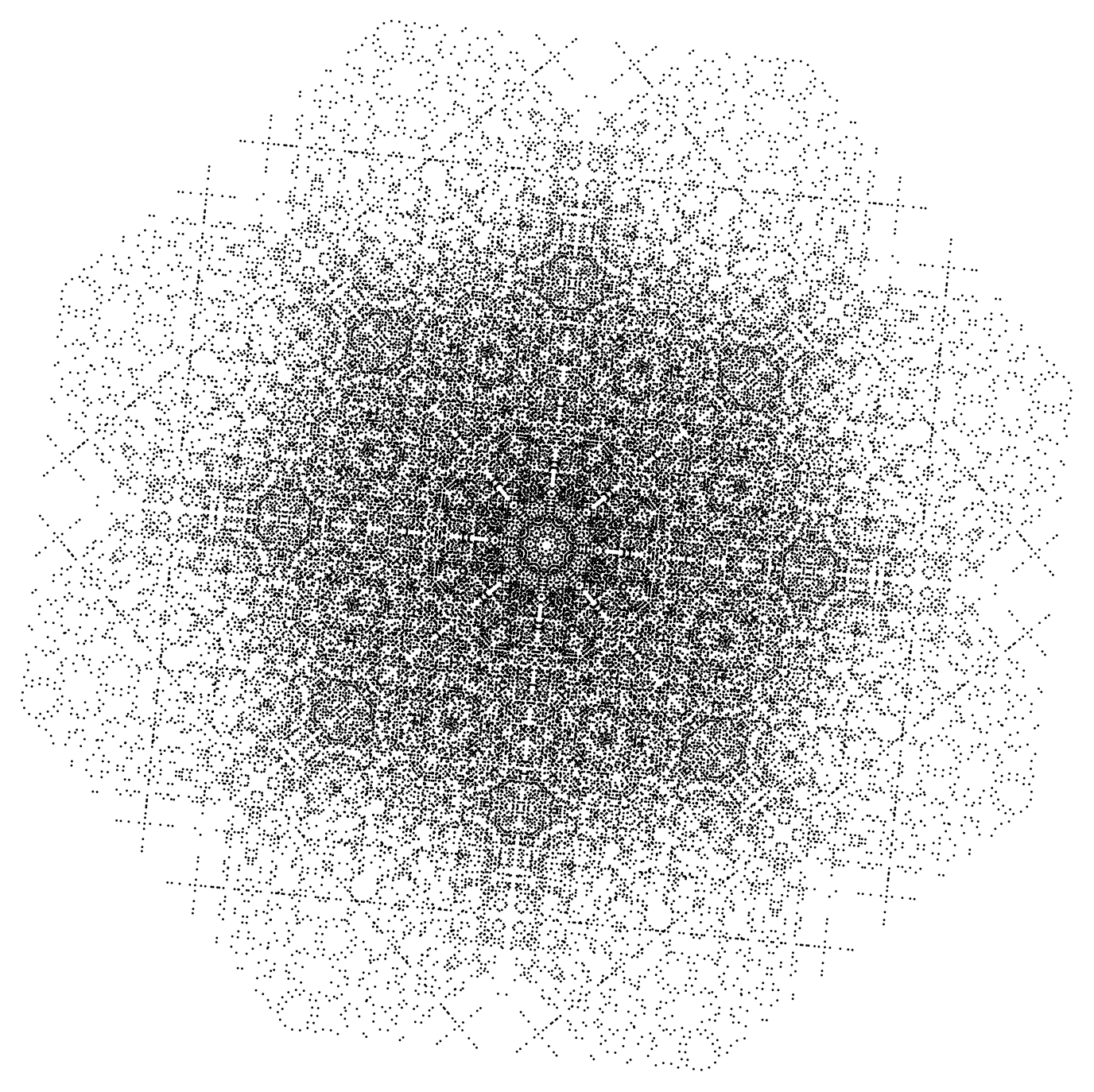
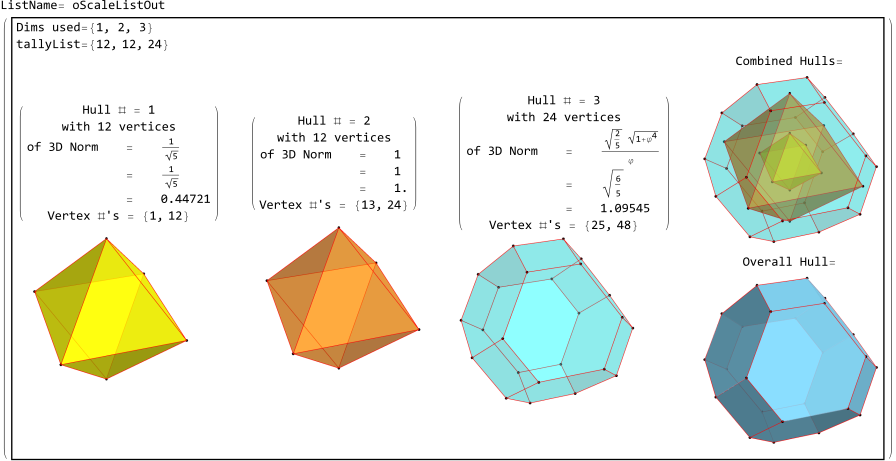
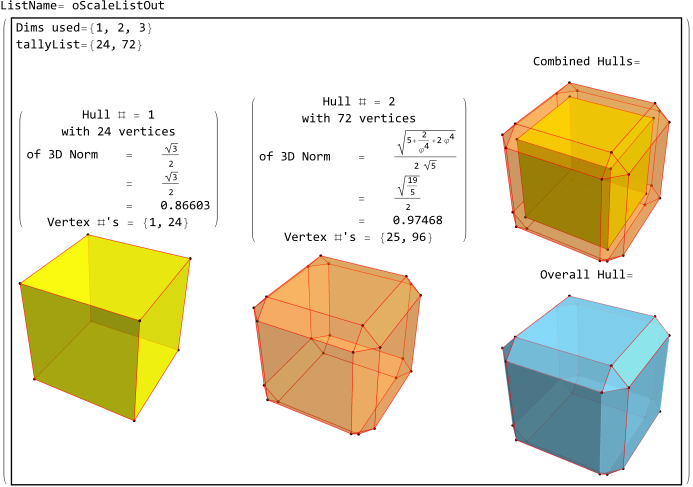
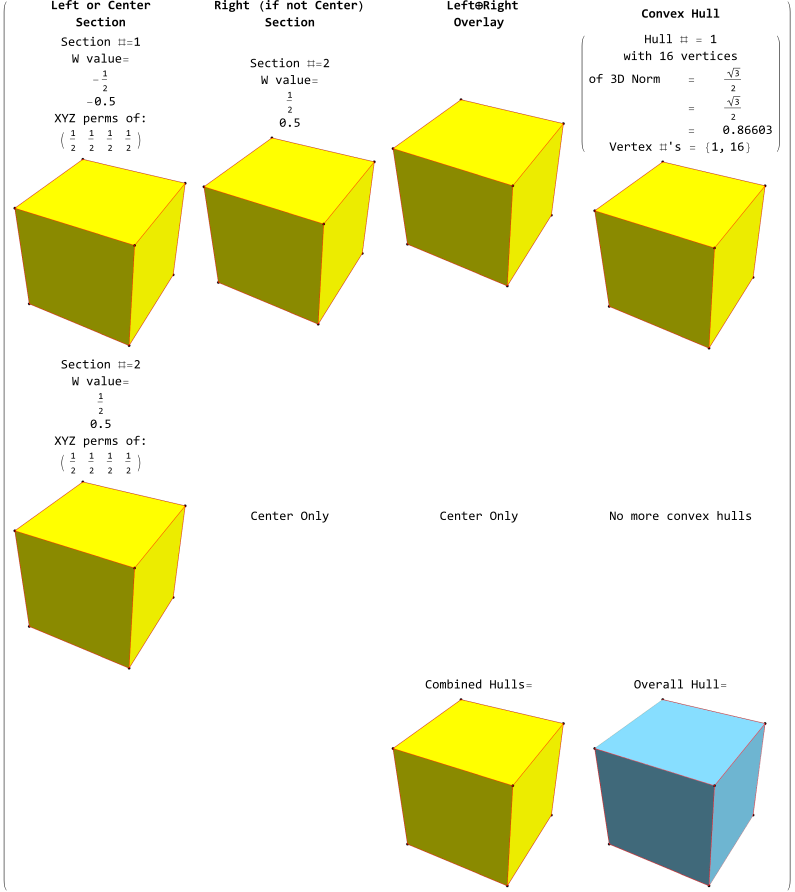
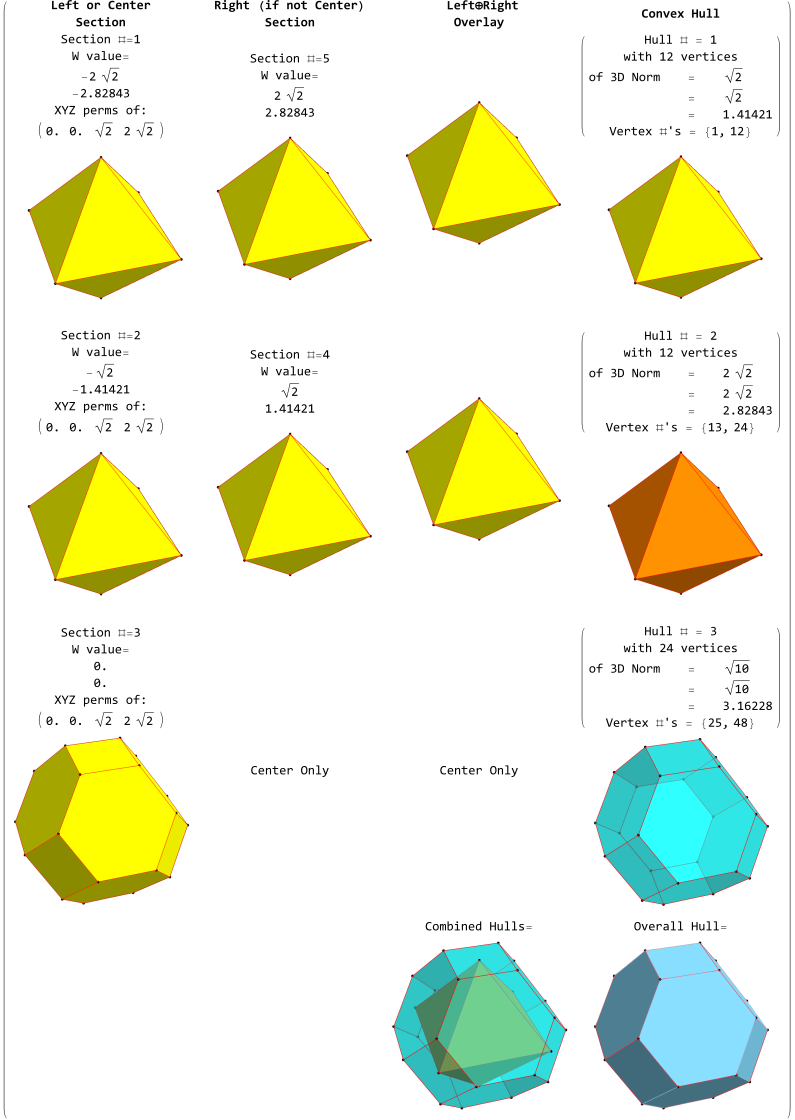
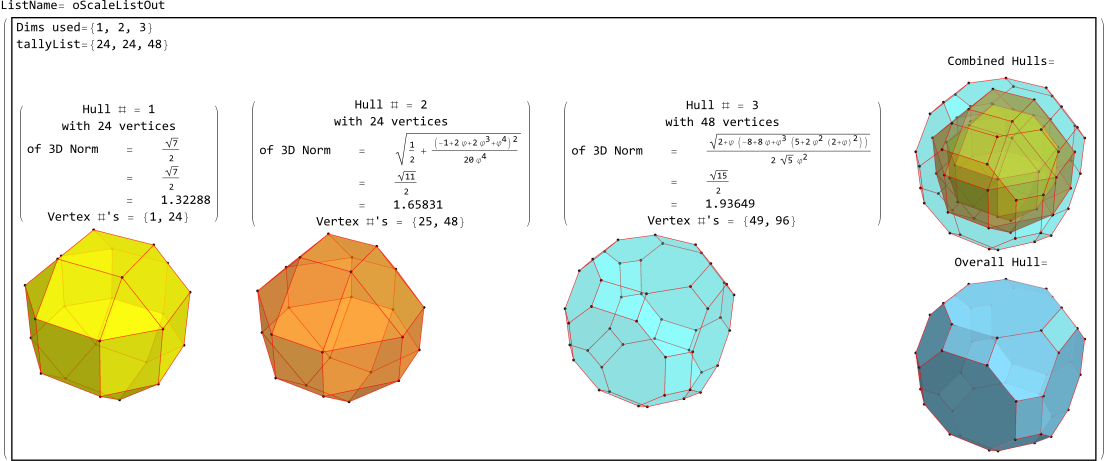
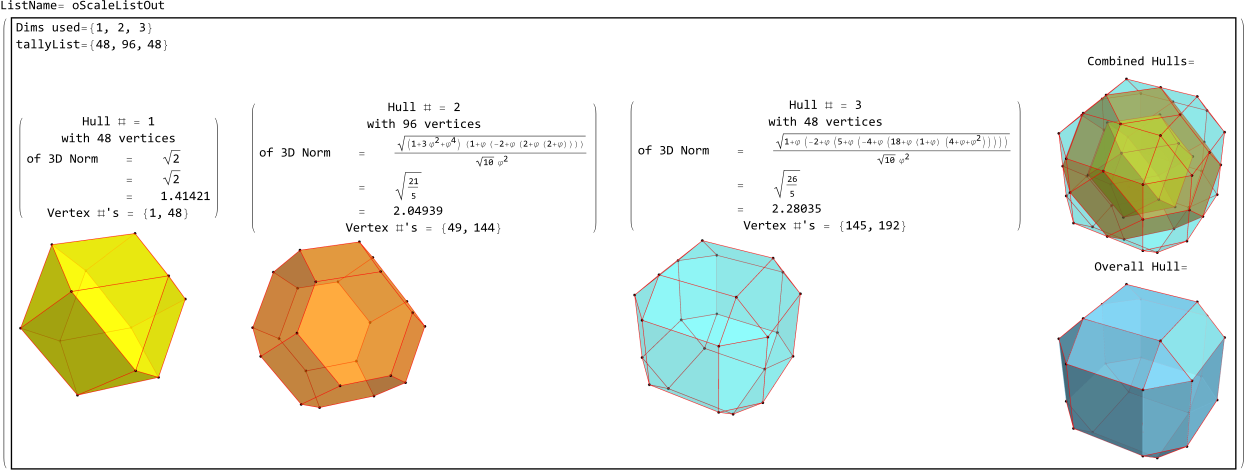
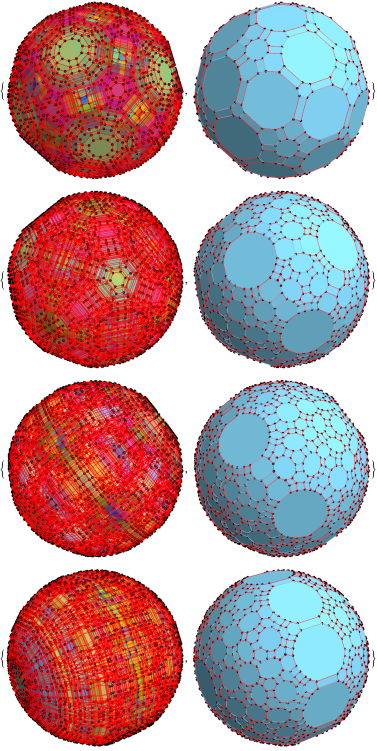
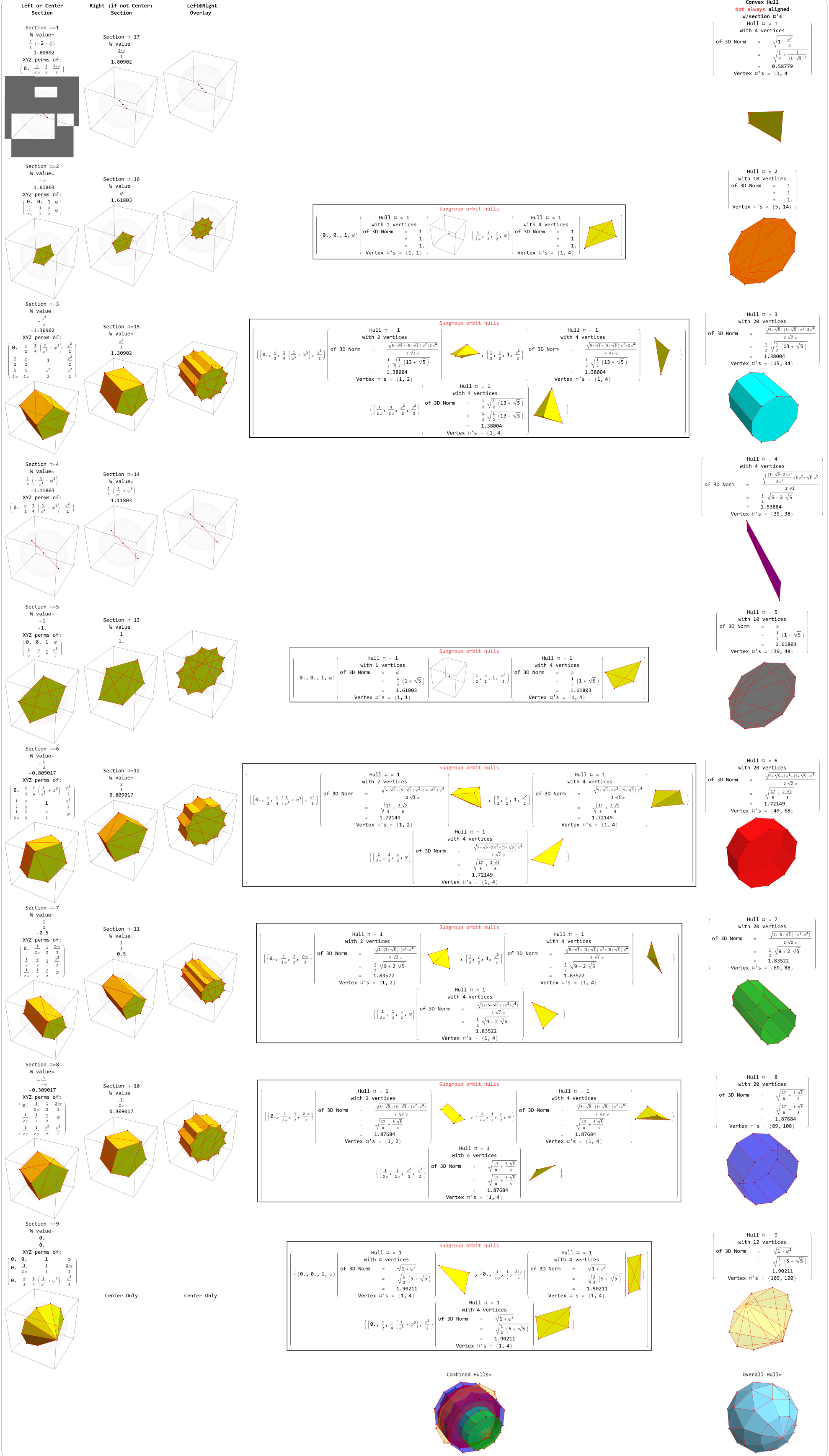
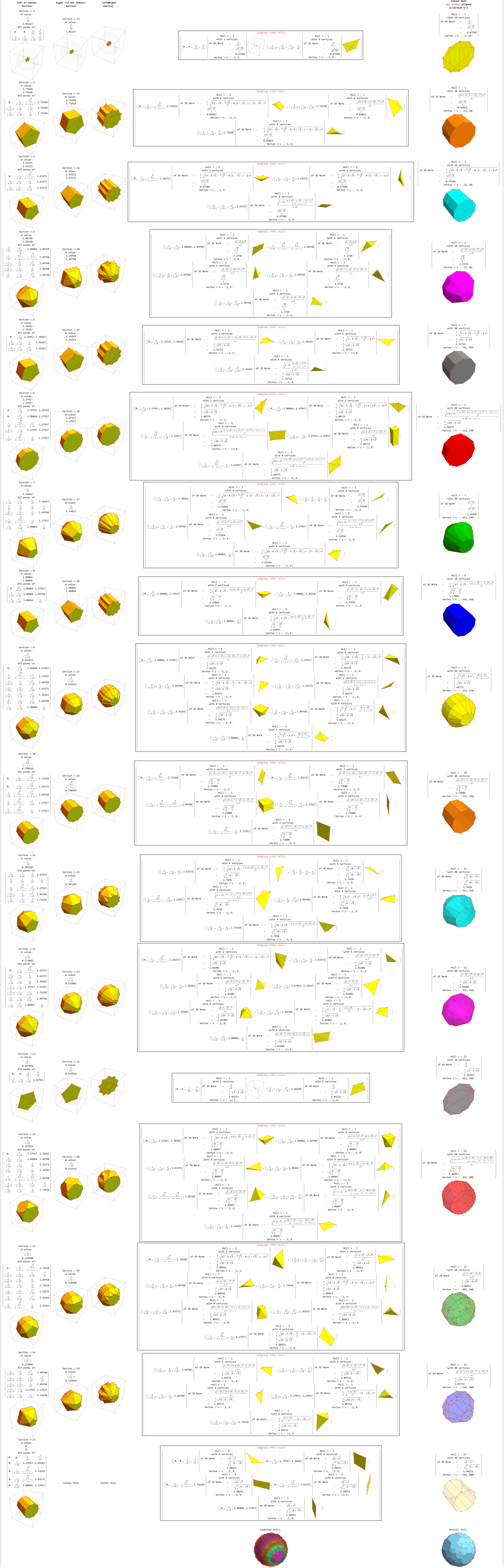
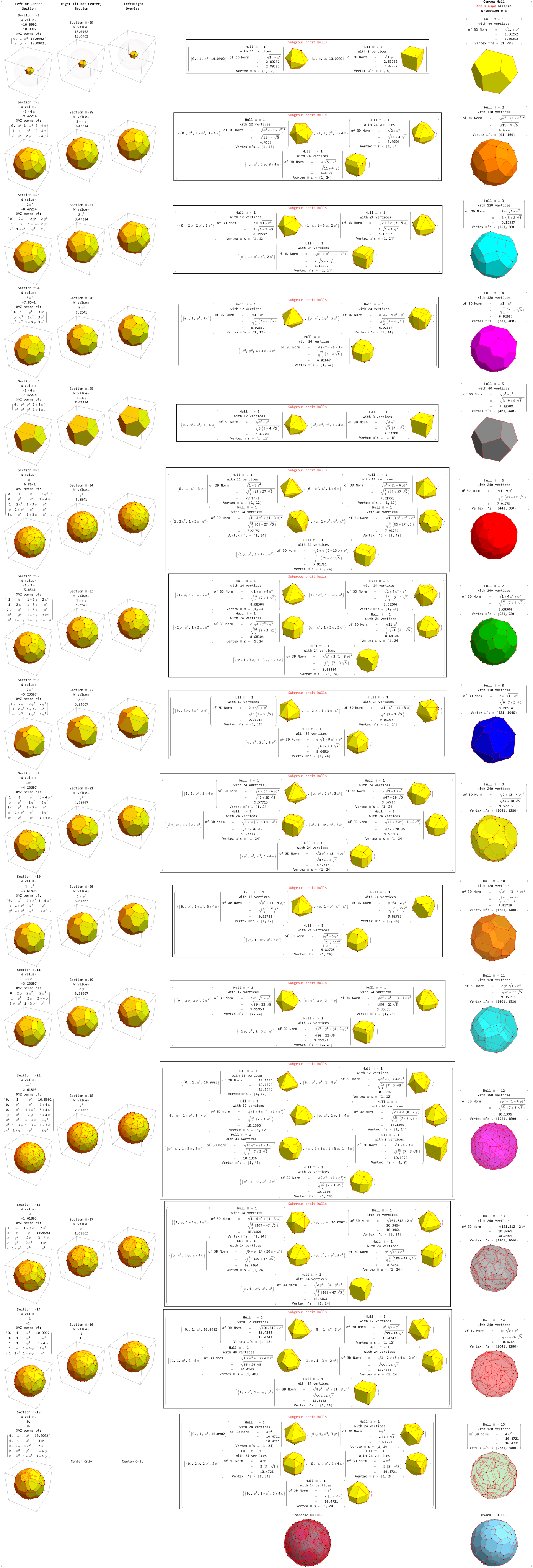
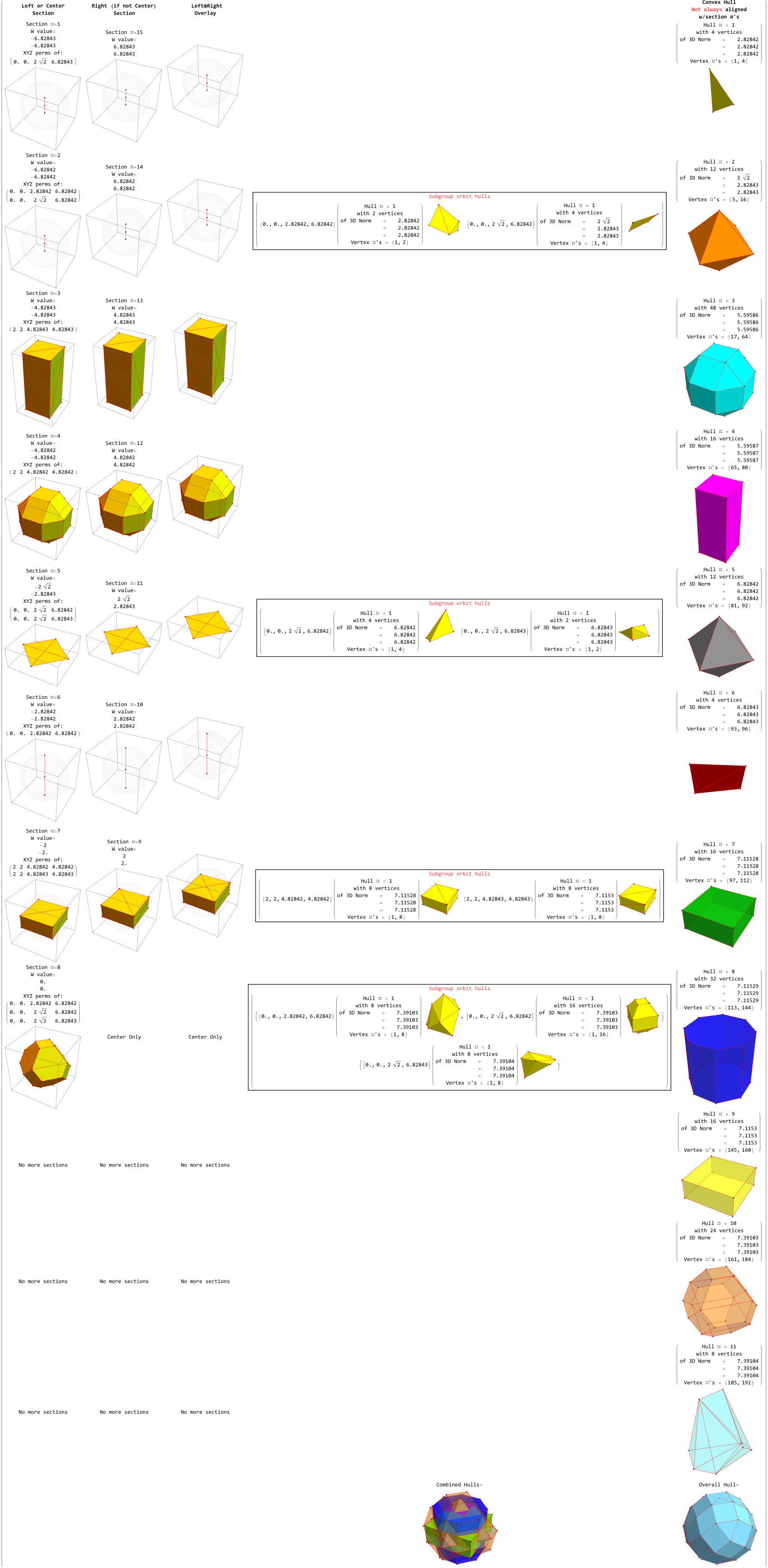
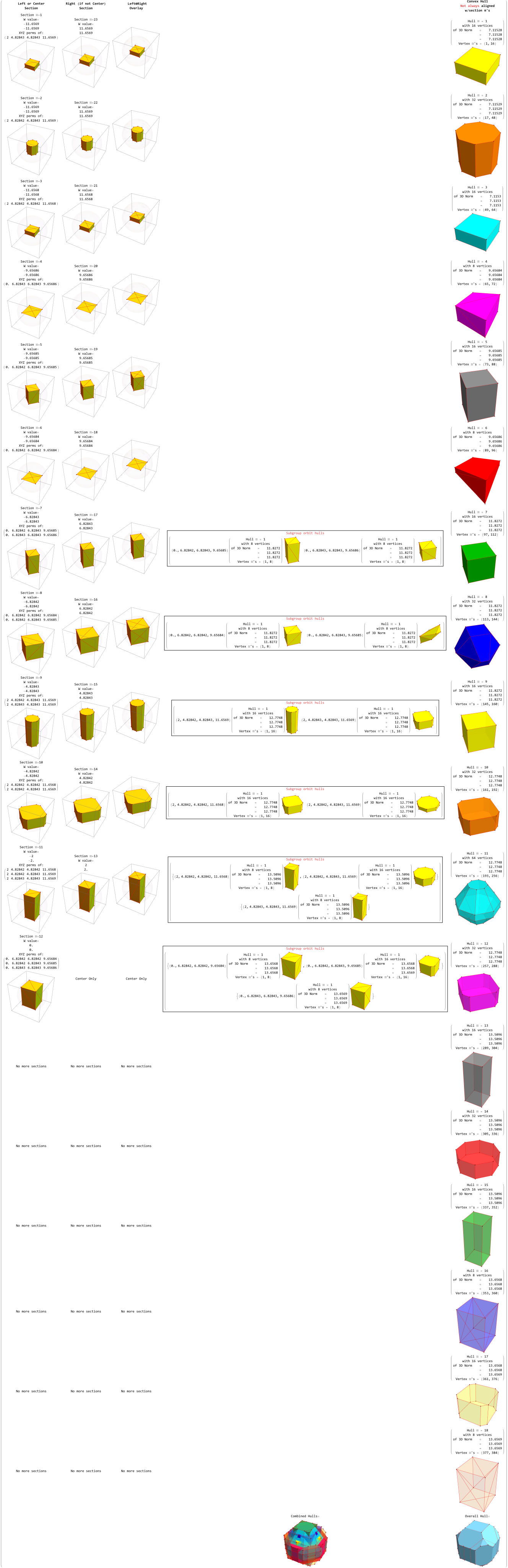
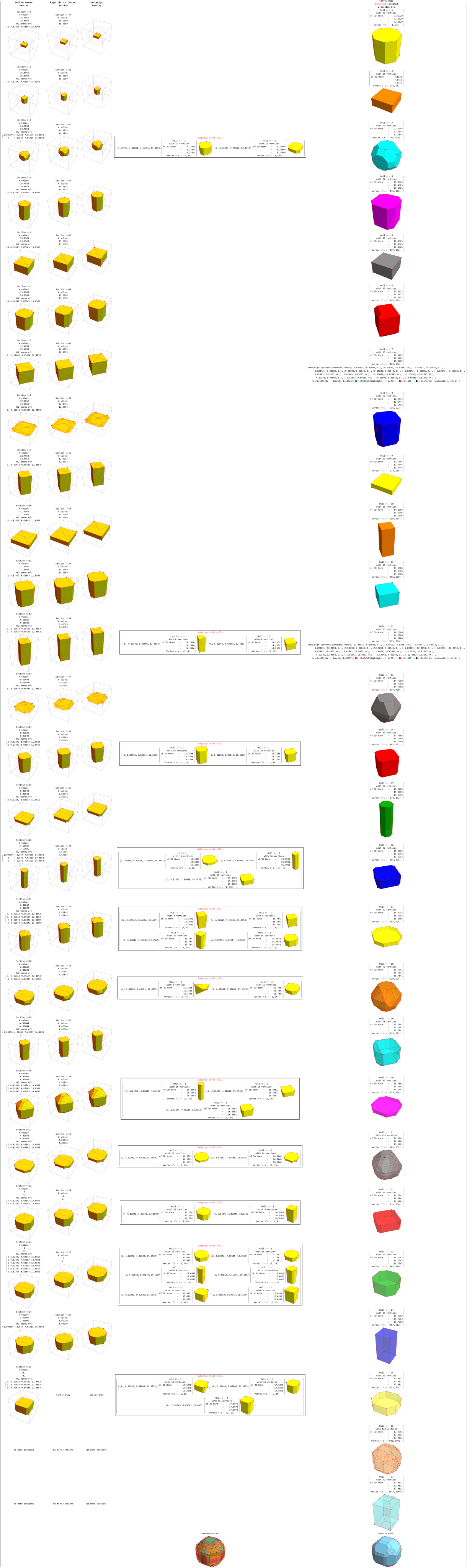
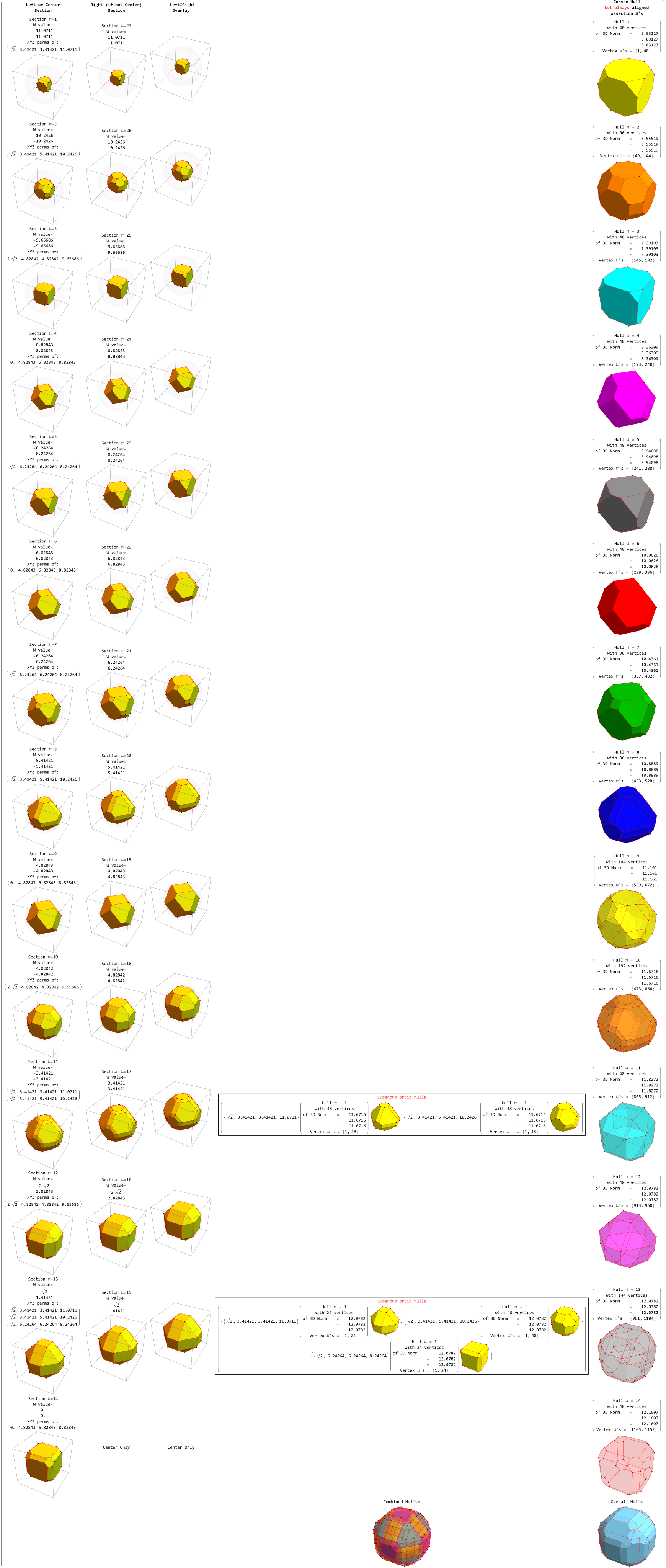
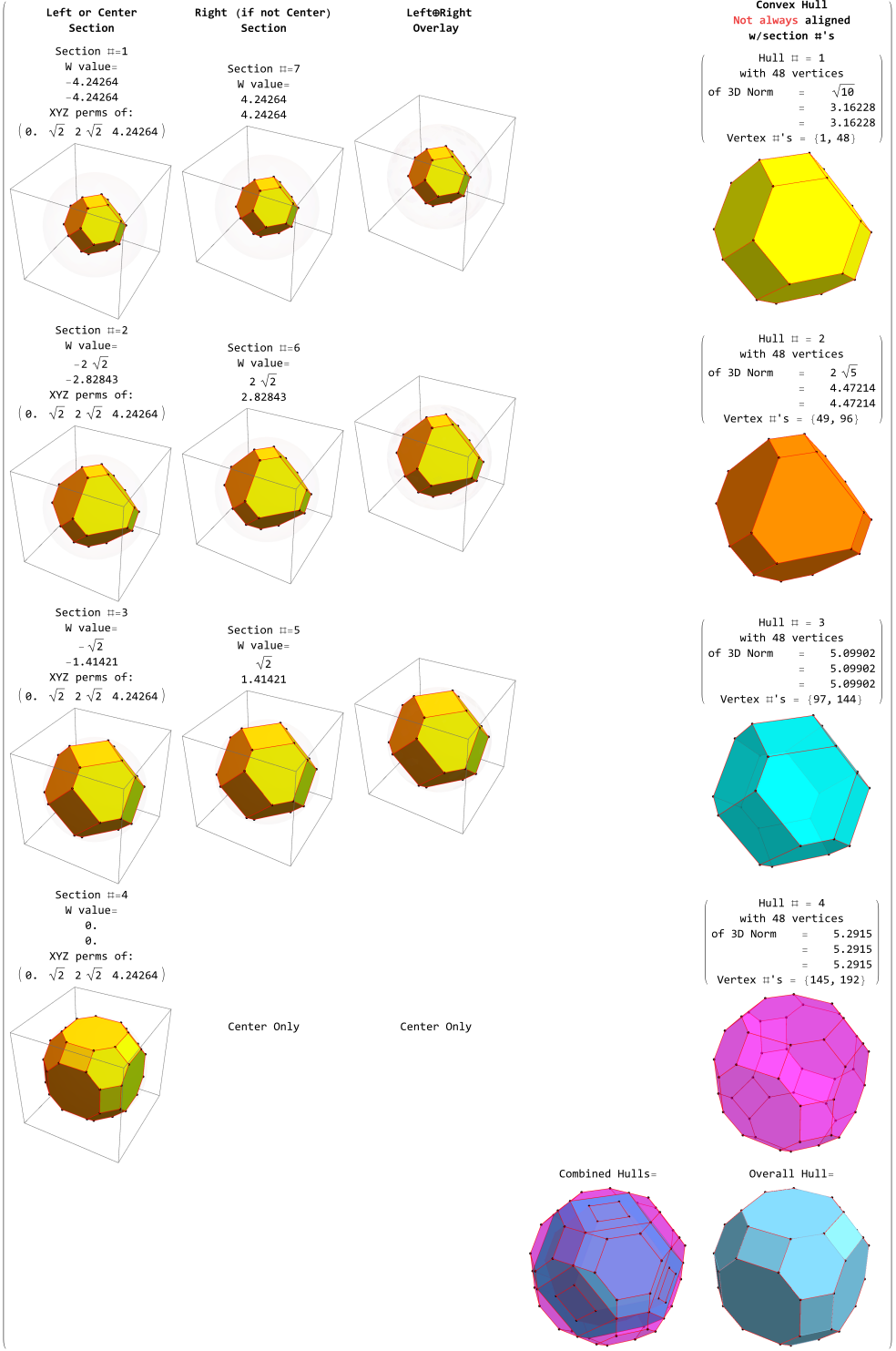
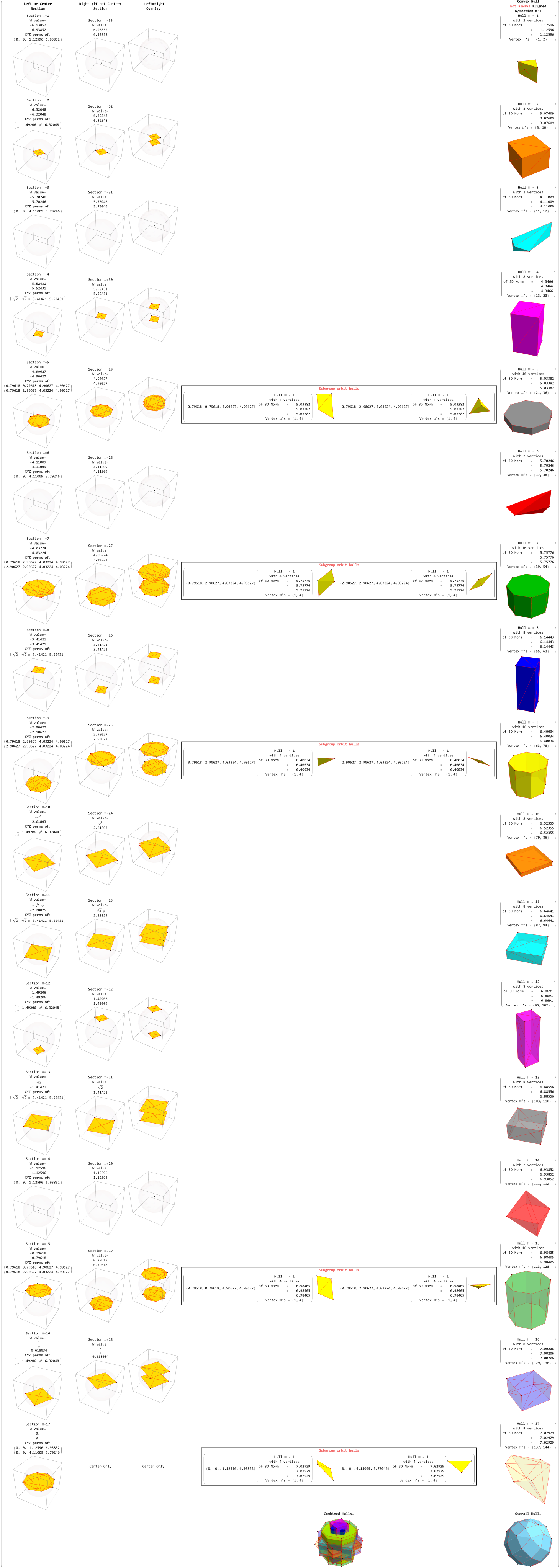
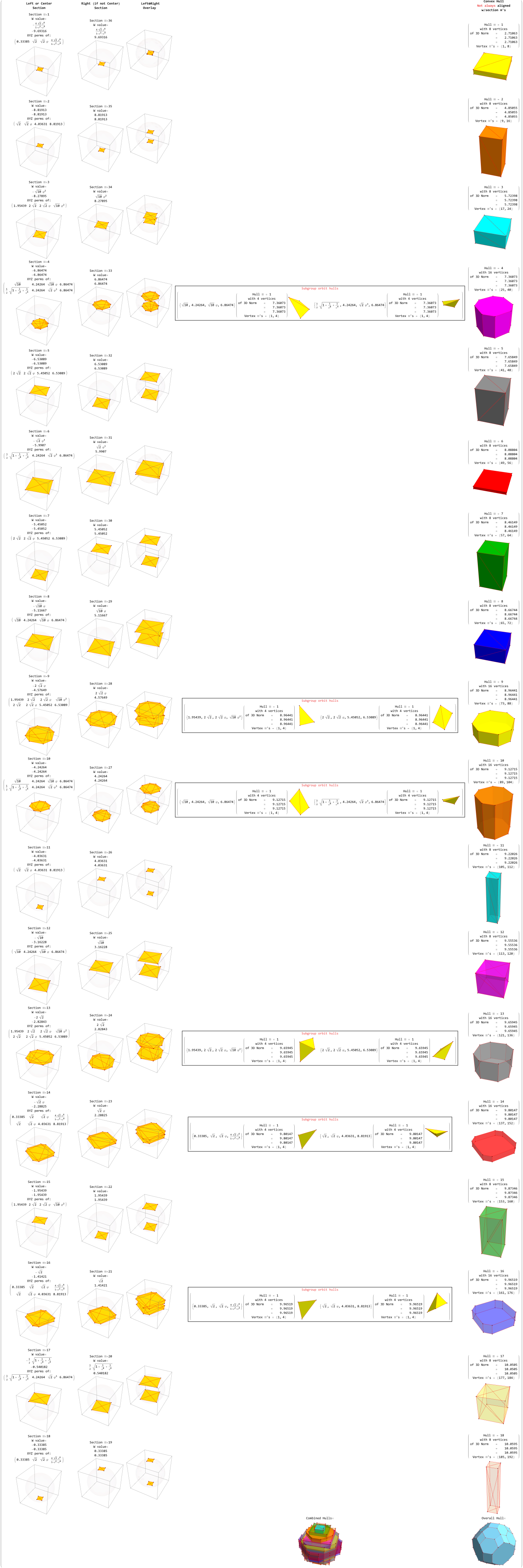
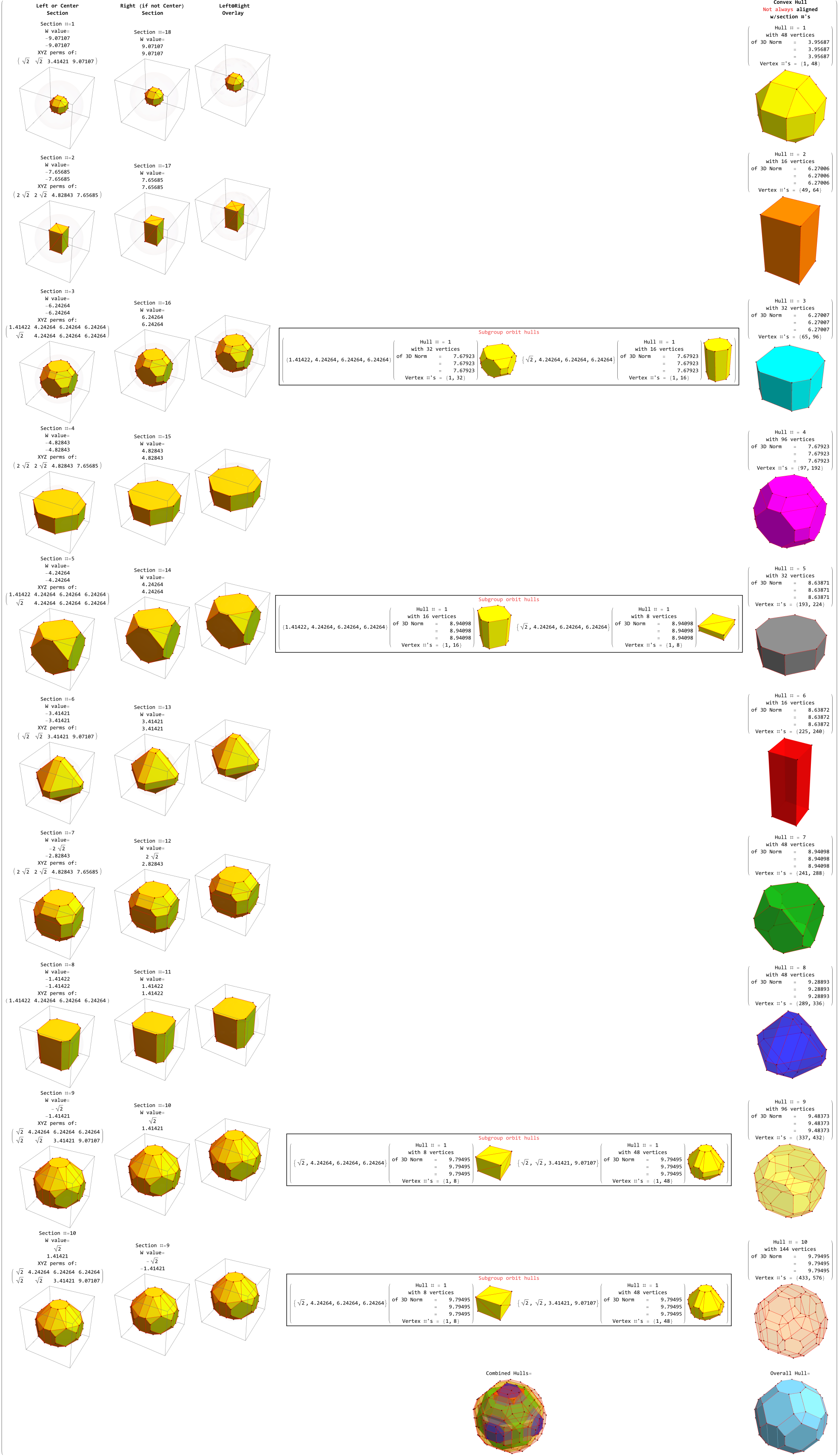
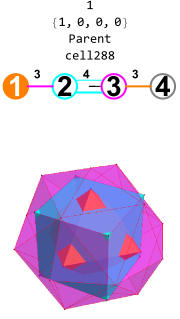
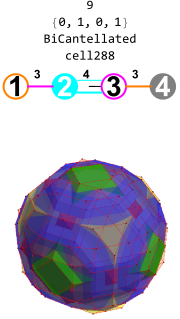
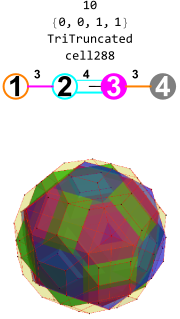
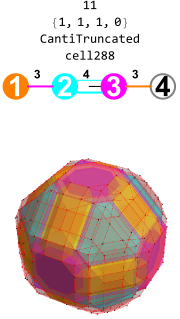
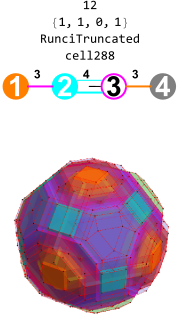
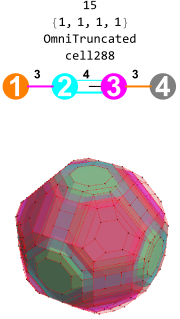
An interesting set of prisms are in the F4 disphenoidal 288-cell’s omni-truncated sections (below):